
Editorial Wedding Photography Style Guide: Mastering the High-End Aesthetic in 2026
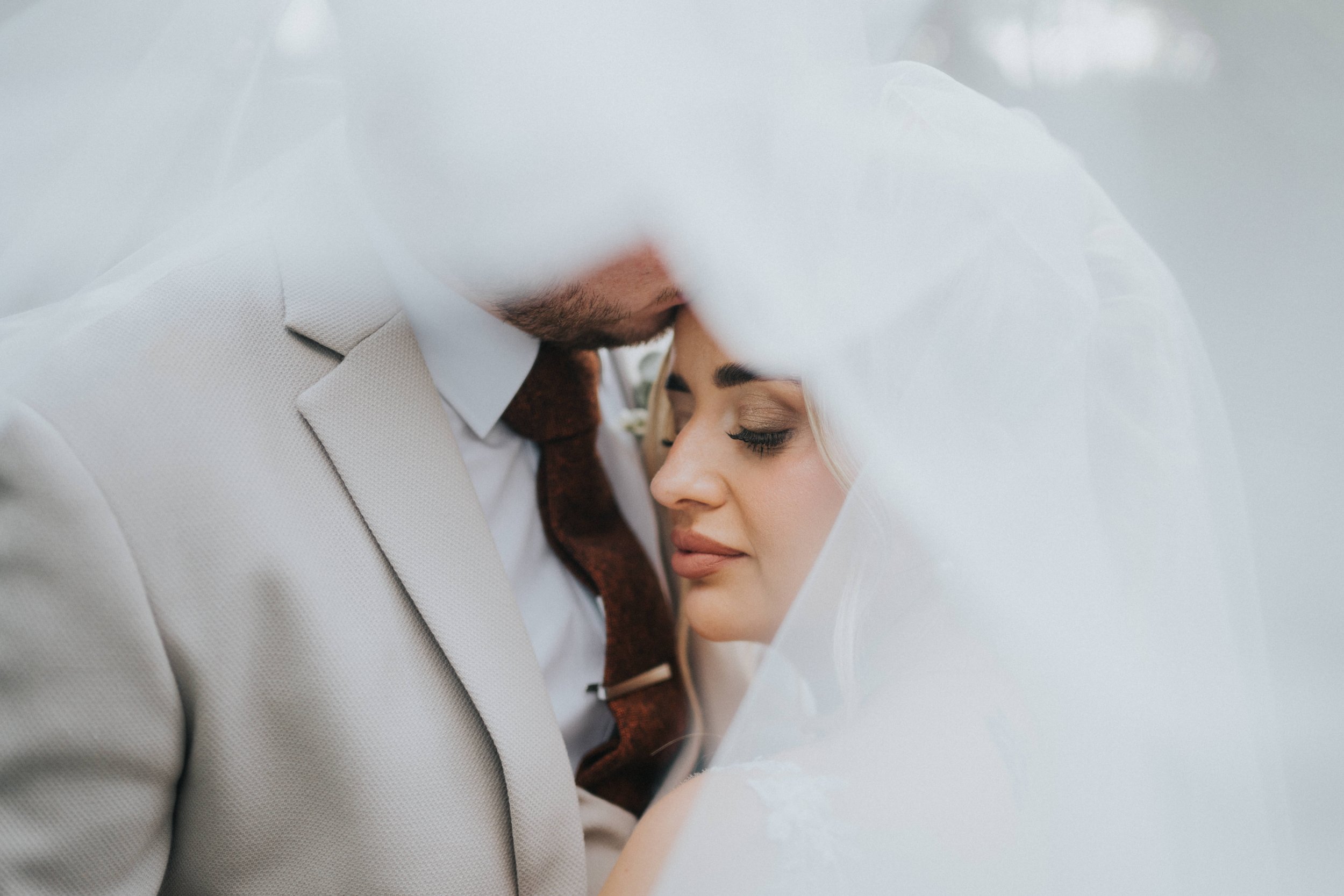
What if the secret to commanding premium rates in 2026 isn't found in your camera's technical specifications, but in your ability to curate a narrative that feels like a high-end magazine feature? Many talented photographers find themselves trapped in a cycle of producing work that feels traditional or dated, making it difficult to stand out in a saturated market. You likely recognise that the modern couple is no longer looking for just a record of their day; they're seeking a sophisticated visual legacy that balances raw emotion with polished, fashion-forward aesthetics. This editorial wedding photography style guide is designed to help you bridge that gap, offering the structured guidance needed to transform your approach and build a portfolio that attracts luxury clients.
We understand that moving beyond standard poses can feel daunting, especially when you want to avoid results that look overly staged or artificial. By mastering the intentional elevation of real moments through curated storytelling, you can move toward a more disciplined and profitable career path. We'll explore the nuances of sophisticated composition and refined direction techniques, providing you with a clear plan to achieve professional validation and a distinct competitive advantage.
Key Takeaways
Define the editorial aesthetic by blending fashion-forward composition with authentic storytelling to meet the evolving demands of the luxury market.
Master the technical pillars of magazine-quality lighting and architectural framing provided in this editorial wedding photography style guide to achieve a polished, high-end finish.
Transition from stiff, traditional poses to directed movements that capture the sophisticated "in-between" moments of a wedding day.
Refine your professional portfolio through disciplined curation, prioritising a select narrative of impactful images over high-volume galleries to attract your ideal client.
Explore how structured mentorship and portfolio-building workshops at prestigious locations can provide the professional validation required to command higher fees.
Table of Contents
What is Editorial Wedding Photography? Defining the High-End Narrative
Curation and Storytelling: Building Your Professional Portfolio
Elevating Your Career with Professional Training and Recognition
What is Editorial Wedding Photography? Defining the High-End Narrative
Editorial wedding photography isn't merely about posing couples; it's a deliberate narrative choice that prioritises visual impact over simple documentation. This approach blends the meticulous attention to detail found in high-fashion shoots with the raw, emotional truth of documentary storytelling in photography. In 2026, the luxury wedding market demands this specific aesthetic because it transforms a personal event into a timeless, magazine-quality legacy. This editorial wedding photography style guide serves as a roadmap for professionals who wish to move beyond standard coverage and enter the world of high-end curation.
The distinction between this and traditional photography lies in the intentionality of the artist. Traditional styles often focus on a rigid checklist of events, while pure documentary styles avoid intervention entirely. Editorial photography occupies the prestigious middle ground. It acknowledges that while the moments are real, the way they are framed, lit, and sequenced should reflect a sophisticated, elevated vision. You're not just taking pictures; you're crafting a brand.
The Evolution of the Editorial Style
Modern editorial style draws heavy inspiration from the pages of luxury bridal publications. It's a look that has been refined by the industry’s shift toward hybrid workflows, where the nostalgic texture of film meets the clinical precision of digital sensors. We've seen a significant transition from seeking technical perfection to capturing a specific "vibe." In this context, a slightly underexposed frame or a motion-blurred candid can hold more prestige than a technically perfect but emotionally sterile portrait. This shift is a central theme in many specialised photography courses and workshops, where students learn to value atmosphere over rigid rules.
Editorial vs. Documentary: Finding the Balance
The primary difference between editorial and traditional documentary styles is the photographer’s level of intervention. While a documentary photographer remains a silent observer, the editorial artist acts as an art director. You aren't fabricating moments; instead, you're refining the environment to ensure the truth of the day is presented in its most beautiful light. This might involve subtly adjusting a couple’s position to better utilise architectural framing or choosing a background that complements the wedding’s design palette. The goal is to maintain emotional authenticity while ensuring every frame looks like it belongs in a high-end gallery. This balance is what allows a professional to command higher prices, as it offers a level of creative direction that goes beyond simple observation.
The Technical Pillars of the Editorial Wedding Aesthetic
To achieve the high-end look outlined in this editorial wedding photography style guide, you must move beyond basic exposure toward a more disciplined technical approach. This starts with lens selection. While many event photographers rely on zooms, the editorial aesthetic is often defined by the compression and perspective of 35mm and 50mm prime lenses. These focal lengths mimic the human eye's natural field of view, creating an intimate, immersive quality that feels more like a cinematic still than a standard wedding photo.
Lighting Theory for High-End Results
Lighting is the most critical differentiator in luxury work. To produce magazine-quality skin tones, you'll need to master the balance between ambient light and artificial modifiers. Achieving an "editorial glow" requires clean, luminous highlights without losing detail in the shadows. This often involves looking at the evolution of fashion photography to understand how legendary artists used light to sculpt their subjects. For evening coverage, many professionals are adopting a "paparazzi-chic" look using direct flash, which provides a high-contrast, energetic feel that resonates with modern luxury clients. You can refine these specific skills through a dedicated wedding photography training course in the UK.
Advanced Composition and Framing
Composition in an editorial context requires a rejection of the safe shot. While you might be tempted to follow the principle of thirds, editorial work often benefits from breaking these rules to create more dynamic crops or central compositions that emphasise symmetry. Architectural framing is another staple; you should use the venue's lines and negative space to provide context and scale. Visual weight refers to the degree of attention an element attracts based on its size, colour, or placement within the frame; its careful management is essential for creating the balanced, high-fashion crops found in premium publications.
We also see the rise of the "intentional blur" in professional galleries. By using slow shutter speeds, typically between 1/15 and 1/30 of a second, you can capture the motion and energy of a wedding day in a way that feels artistic rather than accidental. This technique is particularly effective during the reception or the couple's exit, adding a sense of fleeting, ethereal beauty to your work. Applying these technical principles is the first step toward mastering the editorial wedding photography style guide and elevating your commercial standing.
Mastering the Art of "Directed" Posing
Transitioning from the technical foundations of light and glass, we must address the human element of the editorial wedding photography style guide. Directed posing is the sophisticated alternative to traditional, static arrangements. It requires you to move beyond the "stiff" poses that often date a portfolio, opting instead for movements that feel organic yet look meticulously curated. The objective is to guide your couples into a state of elevated naturalism, where they feel like the protagonists of a high-fashion feature rather than subjects in a technical exercise.
A successful editorial photographer understands the power of the "in-between" moment. This is the fleeting second where a couple shares a quiet breath or a subtle glance between formal instructions. Adobe offers a structured framework for defining editorial photography, emphasizing its roots in narrative and commercial aesthetics. To capture this, you must act as an art director. You aren't merely observing; you're actively shaping the posture, hand placement, and eyelines of your subjects to ensure every frame possesses a sense of intentionality and grace.
Editorial Directing Prompts
Achieving high-fashion stillness requires specific, actionable prompts. Instead of asking a couple to "look happy," try directing them to "focus on the weight of the moment" or to "slowly move toward each other as if time has stopped." Use micro-movements to refine the shot without breaking the emotional flow. A slight adjustment of a chin or a gentle shift in weight can transform a standard portrait into an editorial masterpiece. When directing bridal parties, avoid the traditional line-up. Create depth and visual interest by using varied levels, such as seating some members while others stand, to create a cohesive, fashion-forward ensemble.
Focusing on the Details
The high-end narrative is built upon the details. When shooting flat lays or accessories, you should treat each item as a standalone piece of art. Consider the interaction of texture, light, and negative space to tell a story of craftsmanship and luxury. For professional guidance on achieving the perfect balance in these shots, refer to our latest photography tips regarding detail-oriented lighting. By applying these principles, you ensure that the jewellery, stationery, and fashion elements of the day receive the same level of sophisticated curation as the primary portraits, reinforcing your position as a guardian of industry standards.
Building trust is the final, essential component of this process. Your clients must feel supported and confident under your direction. By maintaining a composed and reassuring presence, you allow them to inhabit their roles without the pressure of "performing" for the camera. This professional validation of their experience is what distinguishes a standard service from a premium, editorial journey.
Curation and Storytelling: Building Your Professional Portfolio
The transition from a skilled photographer to an industry leader often happens during the curation process. While your technical ability and directing skills are foundational, the way you select and sequence your work defines your brand's perceived value. A core principle of this editorial wedding photography style guide is the "less is more" rule. In the luxury market, a concise 20-image editorial story that demonstrates a clear narrative arc is significantly more powerful than a 100-image gallery of repetitive shots. This disciplined approach to curation signals to high-end clients that you possess the discernment to prioritise impact over volume.
Effective storytelling requires a rhythmic sequencing of images that mimics the flow of a premium magazine spread. You should mix wide architectural frames with intimate, tightly cropped portraits to create visual variety. Incorporating "mood" shots, such as abstracts of textures, venue scenery, or the play of light on a veil, helps set the narrative tone without relying solely on the couple's presence. These elements provide the necessary "breathing room" in a portfolio, allowing the hero images to stand out with greater gravitas.
Developing a Signature Editorial Edit
Consistency in your post-production workflow is essential for building a recognisable brand. High-end editorial work often leans toward a specific "look" that remains stable across different lighting conditions. Many professionals achieve this through film-inspired editing, which prioritises timeless skin tones and a subtle, organic grain over the overly saturated or highly HDR styles of the past. Black and white imagery also plays a vital role in editorial storytelling; it strips away the distraction of colour to focus on the raw emotion and sophisticated composition of the frame. This level of aesthetic discipline is a hallmark of those who have completed a formal wedding photography training course in the UK.
Marketing Your Editorial Brand
Once you have curated your best work, the way you present it becomes your most effective marketing tool. Displaying your work in a professional gallery should feel like an exhibition of your artistic vision rather than a simple dump of recent projects. Networking with editorial-minded planners and venues is equally crucial, as these partnerships often provide access to the curated environments that luxury clients expect. A meticulously curated portfolio signals to luxury clients that you possess the discernment to edit for impact, which justifies the premium pricing associated with high-end creative direction. To begin refining your own collection of work, you may find our Wedding Photography Portfolio Builder Workshop to be a transformative step in your professional journey.
Elevating Your Career with Professional Training and Recognition
Mastering the nuances of high-end aesthetics requires more than just reading an editorial wedding photography style guide; it demands a commitment to formalised learning and professional critique. While self-led experimentation has its place, the swiftest route to industry mastery is through structured mentorship and immersive experiences. Portfolio-building workshops held in curated, high-end locations allow you to practice sophisticated direction and lighting techniques without the high stakes of a live client commission. This environment fosters the discipline needed to refine your vision and produce the calibre of work that luxury planners recognise as superior.
Transitioning from an amateur enthusiast to a recognised professional involves a shift in mindset. You must treat your craft as both a serious discipline and a viable career path. By investing in professional development, you gain the technical confidence to handle any lighting scenario and the creative authority to direct couples with ease. This journey isn't just about taking better photos; it's about building a professional identity that carries weight and prestige within the wedding industry.
The Institute of Wedding Photographers Academy
The Institute of Wedding Photographers Academy serves as a guardian of industry standards, offering a clear path for those ready to move toward professional excellence. Through our structured wedding photography courses, students receive the guidance necessary to formalise their talent and attain their commercial goals. A central component of our curriculum is the Wedding Photography Mentorship Program, which provides the personalised feedback required to navigate the complexities of the editorial journey. For those planning their progression for the coming year, we've released our wedding photography training dates for 2026, including prestigious opportunities like our 4 Day Photography Workshop at Ceconi Castle.
Validation Through the IOWP Awards
Professional validation is a cornerstone of a successful high-end career. Entering the wedding photography awards hosted by the IOWP provides more than just a title; it offers a benchmark for excellence and a distinct competitive advantage in a crowded digital landscape. Recognition from a professional certifying body reinforces the educational value of your work and builds trust with potential clients. Being part of a community that values discipline and artistic growth ensures that your career remains stable and progressive. By following this editorial wedding photography style guide and seeking formal recognition, you transform your creative passion into a validated professional achievement. We invite you to join the Institute of Wedding Photographers to begin this journey and receive the expert support your talent deserves.
Advancing Toward Professional Mastery in 2026
Mastering the high-end aesthetic is a journey that requires both technical discipline and creative intuition. By integrating the principles found in this editorial wedding photography style guide, you've established the framework for a more sophisticated portfolio. You now understand that the balance between directed movement and curated storytelling is what distinguishes a standard gallery from a professional narrative. Moving forward, your focus should remain on refined composition and the intentional use of light to elevate every frame and attract the luxury market.
You don't have to undertake this career shift in isolation. You can master the editorial style at the Institute of Wedding Photographers Academy, where you'll receive expert mentorship from professional guild members. Through our destination portfolio-building workshops and the prestige of IOWP Industry Awards Recognition, you can gain the competitive advantage required for lasting commercial success. We're here to support your growth as you transform your artistic passion into a validated, high-standard professional practice. Your path to excellence begins with a single, intentional step toward mastery.
Frequently Asked Questions
What is the difference between editorial and documentary wedding photography?
Editorial photography prioritises intentional art direction and sophisticated curation to create a magazine-ready narrative. Unlike documentary styles that focus on pure observation, this approach allows you to refine the environment and guide subjects to ensure every frame possesses a high-end, fashion-forward aesthetic. It's about elevating the truth of the day through a polished, artistic lens.
Do I need expensive fashion lighting for editorial wedding photos?
You don't require expensive studio equipment to master this editorial wedding photography style guide. Many high-end results are achieved using natural light or a single speedlight with direct flash techniques. Success depends on your understanding of lighting theory and your ability to sculpt flattering, luminous highlights rather than the cost of your gear.
How do I start building an editorial portfolio if I only have traditional weddings booked?
If your current bookings feel traditional, look for small windows of time during the day to experiment with directed posing and architectural framing. Many professionals also choose to attend a Wedding Photography Portfolio Builder Workshop. These events provide access to curated environments and models specifically designed to help you transition your professional collection toward a luxury aesthetic.
Is editorial wedding photography just a passing trend in 2026?
The demand for an editorial aesthetic is not a passing trend but a reflection of the luxury market's desire for timeless, curated visual legacies. In 2026, couples increasingly value the artistic validation and sophisticated storytelling that this editorial wedding photography style guide provides. It represents a long-term shift in how high-end clients perceive the value of wedding coverage.
Can I shoot editorial style if I don’t use film cameras?
You can certainly achieve an editorial look using digital equipment. While film cameras have influenced the current aesthetic, modern post-production techniques allow you to replicate timeless grain and skin tones with precision. The core of the style lies in your compositional discipline and how you guide the narrative rather than the medium you choose.
What settings are best for achieving the intentional blur look?
To capture the "intentional blur" look, you should use a slow shutter speed, typically ranging from 1/15 to 1/30 of a second. This setting allows you to record motion and energy while maintaining enough structural integrity to keep the image feeling artistic. It's a technique that adds a sense of fleeting, ethereal beauty to your storytelling.
How much should an editorial wedding photographer charge in the UK?
Editorial photographers in the UK generally command premium rates that reflect their expertise in creative direction and curation. While you should research current regional averages for high-end services, your pricing should ultimately align with the professional validation and unique value your portfolio offers. Quality education and recognised awards can help justify these higher fees.
What makes a wedding venue "editorial" for photography purposes?
An editorial venue is defined by its architectural merit and the quality of its light. Look for locations with clean lines, interesting textures, or grand scale that can serve as a sophisticated backdrop for your subjects. These elements provide the visual weight necessary to ground your fashion-style framing and create a sense of place within the narrative.