
Mastering the Craft: Essential Photography Tips for Elevating Your Professional Vision in 2026
What truly separates an evocative, professional photograph from a technically correct but lifeless snapshot? It’s a question many dedicated photographers grapple with, especially when expensive equipment still yields inconsistent results and the path to a recognised professional standard feels unclear. You possess the passion and the eye, yet translating that vision into a cohesive, commercially viable portfolio can feel like a formidable challenge.
This is where moving beyond conventional advice becomes essential. In this guide, we will provide you with the expert photography tips and structured strategies needed to master the nuances of light, refine your compositional voice, and cultivate the professional edge required for success in 2026. You will learn to transform your technical skills into a deliberate creative practice, consistently producing imagery that commands attention. We will explore advanced lighting principles, the art of building a compelling portfolio, and the specific disciplines that distinguish a dedicated amateur from a commissioned professional.
Key Takeaways
Understand the fundamental shift from "taking" a photograph to "making" an image, ensuring every frame is captured with professional intentionality.
Discover how to sculpt with light by mastering atmospheric conditions and using advanced subtractive techniques to create dramatic, high-impact portraits.
Explore essential photography tips that focus on maximising your current equipment, proving that creative vision is the true key to professional results.
Refine your professional portfolio by developing a consistent narrative and learning the critical skill of selecting only your most impactful work.
Learn how structured mentorship and immersive learning programmes can provide the professional edge needed to transform your passion into a recognised career.
Beyond the Shutter: The Philosophy of Professional Photography
In the digital age, almost anyone can take a photograph. Yet, a profound distinction separates a casual snapshot from a professional image. The journey to mastery begins with understanding this difference: a professional does not simply takea photo; they consciously make an image. This process is one of pure intentionality, where every choice, from composition to the precise moment the shutter is released, is a deliberate step toward a preconceived vision. It’s one of the most foundational photography tips we can offer.
While technical precision is a vital skill, it is not the ultimate goal. An image that is perfectly exposed and sharply focused yet devoid of feeling is merely a technical exercise. The true measure of a powerful photograph lies in its ability to evoke emotion, to tell a story, and to create a connection with the viewer. A professional prioritises emotional resonance, using technical skills as a language to express an idea or feeling, rather than as an end in themselves. This shift in priority is what elevates a competent technician to a true artist and a sought-after professional.
The Professional Edge: What Sets Masters Apart
A master photographer is recognised by their unique voice or "signature style," a consistent and refined visual language that attracts discerning clients. This style is not developed overnight; it is the result of countless hours of practice, patience, and meticulous preparation. They study locations, understand their subjects, and plan for contingencies. Professional vision is the ability to anticipate light and movement, allowing the photographer to be in the correct position before the decisive moment even occurs.
Transitioning from Hobbyist to Accredited Professional
The internet offers a vast sea of tutorials, but this fragmented learning often leads to gaps in knowledge and inconsistent results. True progression requires a structured path. A formal programme, such as those offered by the Institute’s academy, provides the coherent, tutor-led guidance necessary to transform passion into a profession. Gaining a recognised accreditation builds immediate client trust, signalling that you are not just a creative individual, but a professional who understands the ethical codes and commercial responsibilities of the industry. This is where understanding The Philosophy of Professional Photography transitions from an abstract concept into a viable and respected career.
Sculpting with Light: Advanced Technical Photography Tips
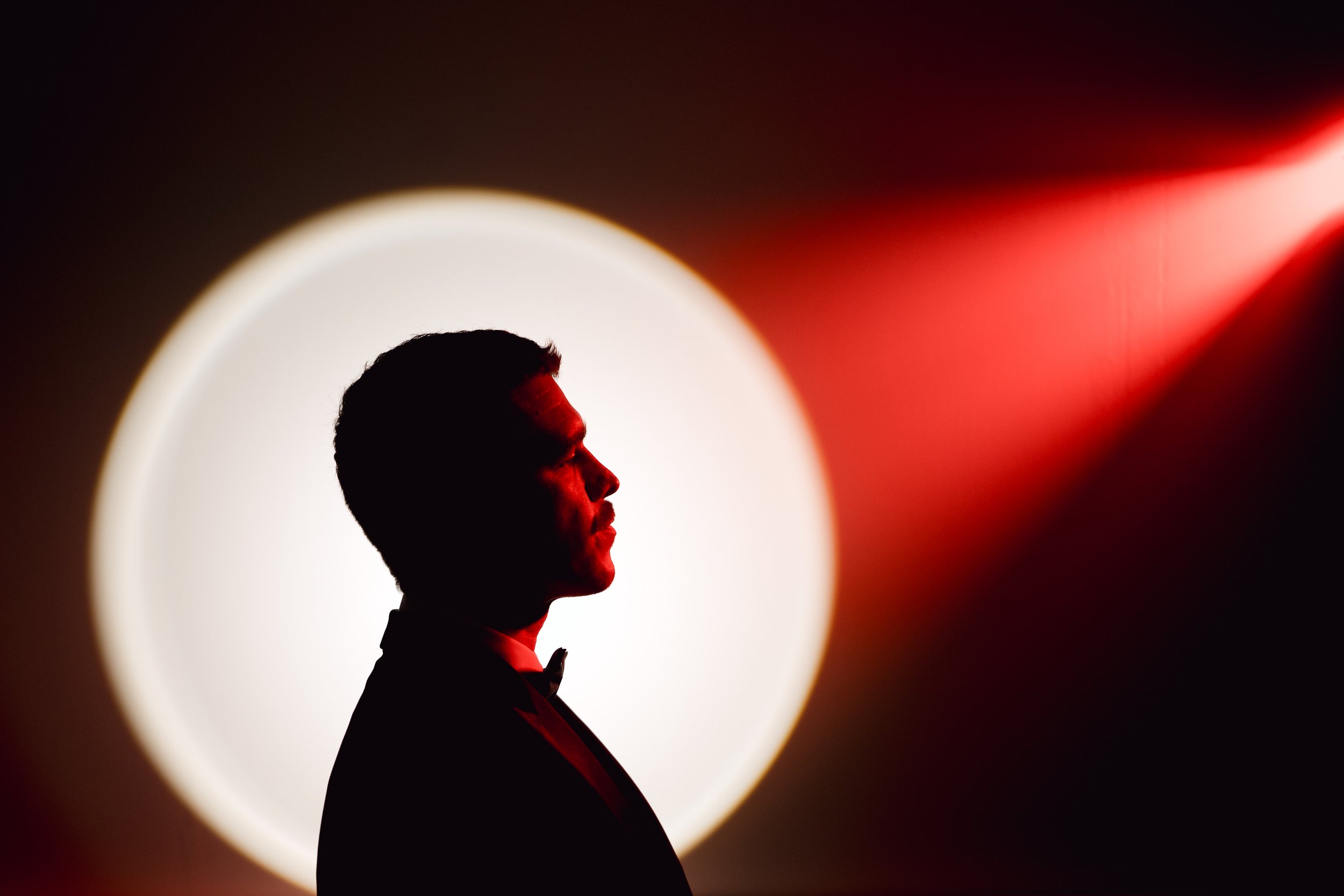
To elevate your work from competent to compelling, you must learn to treat light not merely as illumination, but as a medium to be shaped. An accomplished photographer understands that light possesses character, direction, and colour; they use these properties to sculpt scenes and evoke emotion. This transition from capturing a moment to crafting an image is where true mastery begins. The following professional photography tips move beyond basic exposure, focusing instead on the deliberate manipulation of light to achieve a signature style. Understanding these principles is fundamental, forming the core of many Advanced Technical Photography Tips taught within structured creative programmes.
The Narrative Power of Natural Light
The sun is the most powerful light source available, yet its effective use requires careful planning and technique. Mastering the "golden hour" and "blue hour" is essential. In the UK, the hour after sunrise and before sunset bathes landscapes in a warm, soft light with long shadows that create texture and depth. Conversely, the brief "blue hour" window provides a cool, ethereal ambience, perfect for tranquil cityscapes or moody portraits. To control the harsh, high-contrast sun of a 1 p.m. outdoor shoot, use a diffusion panel from a 5-in-1 reflector to soften the light on your subject, or position them in the consistent shade cast by a large building. For indoor portraiture, a north-facing window offers a painterly quality, creating a high-end editorial look with soft, wrapping light that requires minimal modification.
Artificial Light and Flash Integration
To achieve a professional finish consistently, you must become proficient with artificial light. The first step is to move your flash off the camera. An on-camera flash produces a flat, uninspired image, whereas an off-camera strobe, even a single speedlight, immediately introduces dimension and drama. For dynamic environments like weddings, we teach the "Pose, Light & Fire" method: first, direct your subjects into a pose; second, position your light to create the desired pattern, such as Rembrandt lighting; and third, capture the image. This disciplined sequence allows you to create impactful portraits in under 30 seconds.
A crucial skill is balancing this artificial light with the ambient exposure. This technique allows you to preserve the atmosphere of a venue without losing detail. Here’s a practical approach:
Set your aperture and ISO for the correct flash exposure on your subject.
Adjust your shutter speed to control the brightness of the background. A slower shutter speed (e.g., 1/60s) will allow more ambient light in, brightening the scene.
This method respects the camera's dynamic range, ensuring rich shadow detail is retained without clipping the highlights on your subject.
Refining this balance of strobe and ambient light is a key objective within our tutor-led lighting programme, transforming how our students approach any lighting challenge.
The Gear Myth: Why Vision Trumps Equipment in 2026
A persistent belief among aspiring photographers is that the key to unlocking their potential lies within a new, more expensive camera body. This is perhaps the most common misconception in the craft. Since 2022, the sensor technology present in even entry-level mirrorless and DSLR cameras has been more than capable of producing professional, exhibition-quality prints. The truth is that your creative vision, your understanding of light, and your technical skill are the primary drivers of quality. Before considering an upgrade costing upwards of £1,500, it's essential to first master the equipment you already possess.
Maximising your current system begins with moving beyond automatic settings. By taking full control of the exposure triangle (aperture, shutter speed, and ISO), you begin to make deliberate creative choices rather than simply capturing a scene. This is a foundational step. A more effective path to elevating your work is to adopt a "Lens First" philosophy. The quality of the optical glass in front of your sensor has a far more profound impact on sharpness, contrast, and colour rendition than an incremental increase in megapixels. A 24-megapixel camera paired with a sharp prime lens, such as a 50mm f/1.8 (often available for under £200), will consistently outperform a 50-megapixel body using a basic kit lens.
Instead of focusing on the camera body, a modest investment in key accessories can transform your creative capabilities. These tools don't automate the process; they provide you with greater control over light and composition, which is one of the most valuable photography tips for any developing artist. Consider these three essentials:
A Sturdy Tripod: Essential for landscape and architectural photography, enabling sharp, long-exposure images in low light conditions without raising the ISO.
A 5-in-1 Reflector: This simple, affordable tool (typically under £30) gives you the power to bounce, diffuse, and shape natural light, particularly for portraiture.
High-Quality Filters: A Circular Polariser (CPL) to reduce glare and enhance skies, and a Neutral Density (ND) filter to allow for long exposures in daylight, are indispensable. These tools prove the principle that it's better to capture the light correctly in-camera, a core tenet behind the idea of Why Vision Trumps Equipment.
Mirrorless vs DSLR: Choosing the Right Tool for the Job
The debate between mirrorless and DSLR systems continues, but the best choice is personal. Mirrorless cameras offer a significant advantage with their electronic viewfinders (EVFs), providing a real-time preview of your final exposure. However, the rugged construction and superior battery life of many professional DSLRs still give them an edge for photographers working in harsh environments, from wildlife expeditions to conflict journalism. Ultimately, ergonomics and an intuitive menu system that doesn't obstruct your creative flow should guide your decision.
The Role of Post-Processing in Modern Photography
Your work doesn't end when you press the shutter. Shooting in RAW format is the professional standard for a reason; RAW files capture 12 to 14 bits of colour data compared to a JPEG's 8 bits, granting immense flexibility for recovering detail in highlights and shadows. Developing a consistent colour grade helps to define your artistic style and professional brand. The goal is to refine, not reinvent. One of the most important photography tips is to avoid the "over-edited" trap, ensuring that textures and skin tones remain natural and authentic to preserve the integrity of your image.
Building a Professional Portfolio: Curation and Standards
Technical mastery of light is essential, but its commercial value is only realised through a compelling professional portfolio. This is not a gallery of every photograph you have ever taken; it's a meticulously curated collection that communicates your unique vision and professional competence. The industry standard is to present a concise body of work, typically just 12 to 15 of your strongest images. This discipline demonstrates to potential clients and commissioners that you possess a critical eye and a clear artistic identity.
Every image selected must contribute to a consistent narrative. Whether your focus is dramatic portraiture or minimalist landscapes, your portfolio should feel like a cohesive body of work from a single, confident artist. A disjointed collection suggests a lack of direction, whereas a focused portfolio signals specialisation and expertise. This is one of the most vital photography tips for transforming a passion into a profession. Your portfolio is your visual argument; ensure it is persuasive and clear.
For aspiring professionals, securing the high-end commissions needed to build a premium portfolio presents a classic paradox. How do you get the work without the work? This is where structured "Portfolio Builder" events become invaluable. These sessions are designed to simulate high-budget commercial or wedding shoots, providing access to professional models, exclusive venues, and expert styling. They offer a controlled environment to produce the calibre of imagery that attracts discerning clients, effectively bridging the gap between your current abilities and your professional aspirations.
Self-assessment is often compromised by emotional attachment to our own photographs. To achieve a truly professional standard, objective critique is non-negotiable. Seeking feedback from qualified tutors and respected industry peers provides the honest, expert evaluation required to identify weaknesses and refine your selections. A mentor can see your work with the fresh eyes of a potential client, offering insights that are impossible to reach on your own.
Specialising in Wedding and Event Photography
Wedding photography demands a rare combination of technical precision and profound social intelligence. It's about more than capturing key events; it's about anticipating and documenting the quiet, "unseen moments" that tell the true story of the day. To gain this specific experience, attending practical workshops is paramount. Our hands-on wedding photography training dates in the UK are designed to place you in real-world scenarios, refining the skills clients value most.
The Power of Peer Recognition and Awards
Peer recognition elevates your status from a practitioner to a recognised expert. Entering professional competitions, such as the Institute's wedding photography awards, provides a benchmark for your work against the highest industry standards. An award or commendation is not just a personal achievement; it's a powerful marketing tool that builds credibility, justifies premium pricing, and provides clients with the confidence to invest in your services.
Building a distinguished portfolio is a process of disciplined curation, targeted experience, and expert refinement. It is the single most important asset in your professional toolkit, representing your skill, your style, and your commercial viability. The journey from enthusiast to accredited professional is defined by the quality of this collection. To receive the structured feedback and career guidance necessary to elevate your portfolio, explore our professionally recognised photography programmes.
Elevating Your Career with the Institute of Photographers
Understanding the principles of light is a fundamental step, but transforming that knowledge into a sustainable profession requires guidance, practice, and a supportive community. While online articles provide excellent photography tips, true mastery is forged through structured learning and expert feedback. The Institute of Wedding Photographers offers a clear pathway for dedicated artists to refine their craft, build a compelling portfolio, and achieve professional accreditation. It’s the crucial next step from enthusiast to recognised professional.
Immersive Workshops and Destination Learning
Our destination workshops in culturally rich locations like Paris or the historic Ceconi Castle in Italy offer far more than simple photo opportunities. They are meticulously designed immersive programmes that remove you from daily distractions, allowing you to focus entirely on your creative development. This unique environment encourages you to see the world differently, pushing your technical and artistic boundaries under the guidance of our expert tutors. Learning to capture the unique light of Tuscany or the architecture of Paris builds a portfolio with genuine international appeal.
The true value of these experiences lies in the direct, 1-on-1 feedback you receive. During our tutor-led photography events, you don’t have to wait to get home to review your work. Instead, you receive immediate, constructive critique in the field, helping you correct mistakes and refine your technique on the spot. This practical, hands-on approach is complemented by the powerful network you build. Working alongside fellow aspiring professionals from across Europe fosters collaborations and friendships that extend long after the workshop concludes.
The Mentorship Path to Success
A dedicated mentor can shave years off your learning curve. Their role is to provide the personalised, strategic guidance that generic online photography tips cannot offer. Our mentorship programme pairs you with an established professional who understands your unique creative voice and commercial ambitions. They work with you to identify strengths, address weaknesses, and develop a signature style that stands out in a competitive market.
Your education is tailored precisely to your goals. Whether you aim to excel in wedding, portrait, or commercial photography, your mentor helps you build a portfolio that speaks directly to your target clients. This focused support includes:
Portfolio Curation: Refining your body of work to ensure it is cohesive, professional, and commercially viable.
Technical Mastery: Advanced coaching on lighting, composition, and post-processing techniques relevant to your specialisation.
Business Acumen: Practical advice on marketing, pricing your work, and navigating the industry.
Ultimately, the Institute of Wedding Photographers provides a structured bridge between creative passion and a recognised professional career. It formalises your talent through accredited qualifications, giving you the confidence and credentials needed to succeed. From your first course to achieving distinction, you are supported by a community committed to upholding the highest standards of the craft.
Elevate Your Craft from Vision to Vocation
The journey to professional distinction in 2026 is defined not by the equipment you own, but by the clarity of your vision. As we have explored, sculpting with light and meticulously curating your portfolio are the cornerstones of a successful career. These advanced photography tips provide the foundation, but true mastery is forged through guided practice and expert critique. At the Institute of Photographers, we provide that very guidance. You can receive direct, tutor-led feedback from industry masters, earn a qualification accredited by the International Organization of Wedding Photographers, and even join our stunning destination workshops in Italy and Paris. Refine your craft with our professional photography courses and workshops and begin your transformation today. Your professional vision deserves a framework for excellence; we’re here to help you build it.
Frequently Asked Questions
What are the most important photography tips for beginners?
The most crucial photography tips for beginners involve mastering the exposure triangle: aperture, shutter speed, and ISO. Understanding how these three elements interact is fundamental to controlling light and achieving your creative intent. Beyond technical skills, consistently practising composition rules, such as the rule of thirds, will significantly elevate your images. We recommend starting in Aperture Priority mode to focus on depth of field before progressing to full manual control for a structured learning path.
How can I make my photos look more professional without buying new gear?
You can achieve a professional look by focusing on light, composition, and post-processing rather than new equipment. Learn to identify and use quality natural light, such as during the "golden hours" shortly after sunrise and before sunset. Refine your compositional skills by studying leading lines and framing. A subtle, consistent post-processing style developed using software like Adobe Lightroom can transform good images into exceptional ones, creating a cohesive and polished portfolio without a single new lens.
Is a photography degree necessary to become a professional in 2026?
A traditional three-year university degree is not a prerequisite for a successful photography career in 2026. While a degree provides structured learning, clients and employers prioritise a strong, distinctive portfolio and proven technical skills. Recognised vocational qualifications and accredited diploma programmes, like those offered by the Institute, provide a more direct and industry-focused path to professional practice. They demonstrate a commitment to the craft and a high standard of excellence.
What is the best way to learn wedding photography in the UK?
The most effective path to learning wedding photography involves a blend of structured education and practical, hands-on experience. Begin with a specialised course that covers client communication, posing, and managing challenging light conditions specific to UK venues. Seek opportunities to second-shoot for an established wedding photographer. Assisting a professional for even 5-10 weddings provides invaluable insight into the workflow and pressures of a live event, which is a vital step before taking on your own clients.
How do I build a photography portfolio if I have no clients yet?
You can build a compelling portfolio without clients by undertaking self-directed projects and collaborating with other creatives. Define a niche, such as portraiture or product photography, and arrange styled shoots with aspiring models, stylists, or local businesses to demonstrate your creative vision. These "test shoots" allow you to refine your style and produce high-quality work that attracts your ideal clients, forming the foundation of your professional portfolio before your first commission.
What are the benefits of joining a professional photography institute?
Joining a professional institute provides structured learning, expert mentorship, and a recognised qualification that enhances your credibility. The primary benefits include access to a curated curriculum designed to develop technical mastery and a professional edge. You receive personalised feedback from experienced tutors, a crucial element for growth that is often missing from self-guided learning. An accredited qualification from an established body like our Institute provides industry-wide recognition and builds trust with potential clients.
Can I learn professional photography through online courses alone?
Yes, you can achieve a professional standard through online courses, provided they offer structured feedback and comprehensive support. The most effective online programmes are not passive; they include tutor-marked assignments, detailed critiques, and a clear learning path. While self-discipline is essential, a high-quality online course from a reputable body can be as rigorous and transformative as in-person training. It offers the flexibility to master the craft around existing commitments without compromising on educational standards.
How much do professional photography workshops usually cost in the UK?
The cost of professional photography workshops in the UK varies significantly based on duration and the tutor's profile. A single-day group workshop focused on a specific skill, such as studio lighting, typically costs between £150 and £350. More intensive, multi-day workshops or retreats led by internationally recognised photographers can range from £800 to over £2,000. It's important to assess the curriculum and the tutor's credentials to ensure the investment aligns with your professional development goals.