
How to Create Award-Winning Wedding Images: A Professional Masterclass for 2026
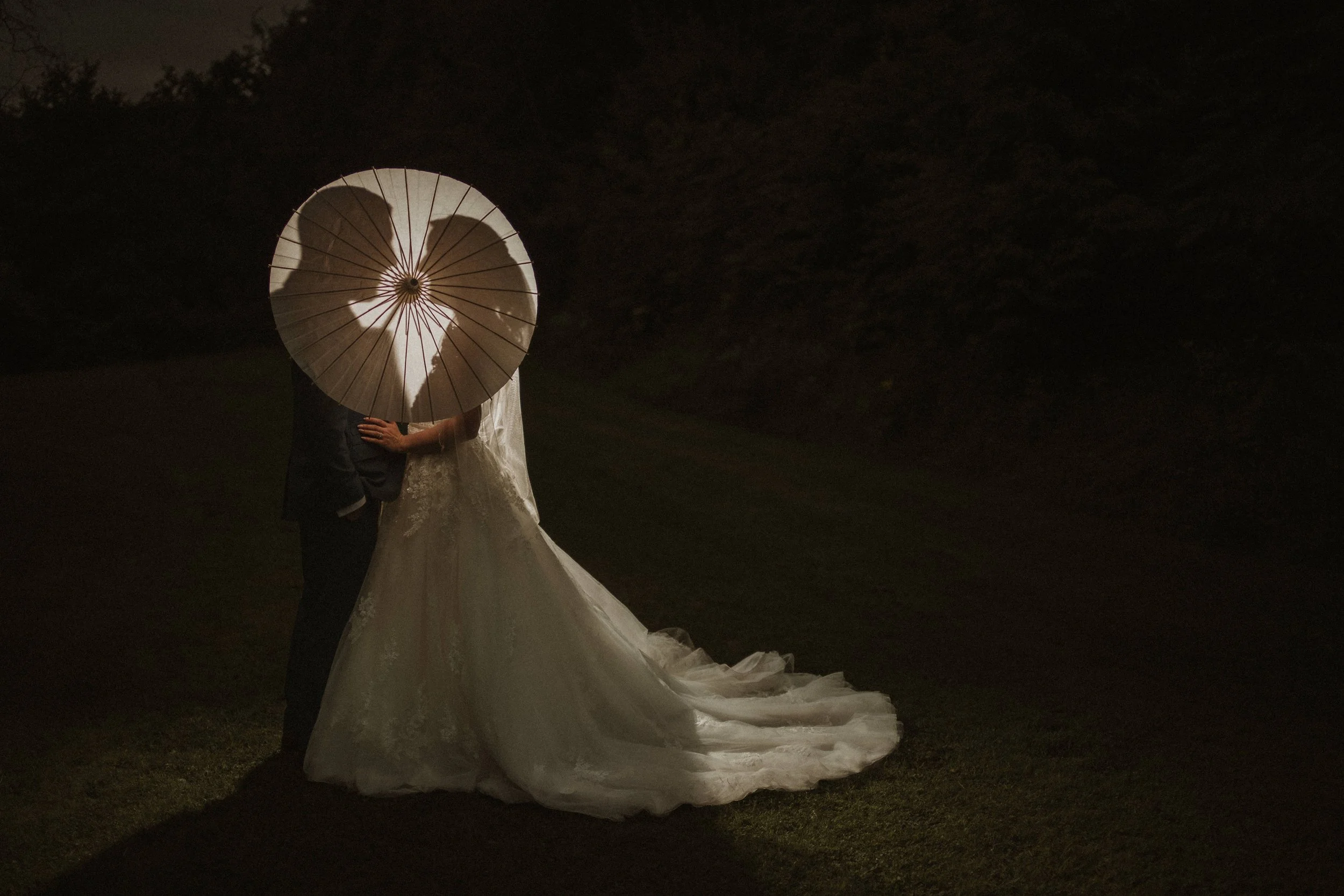
The most prestigious accolades in our industry are not awarded to those who simply capture what is there, but to those who engineer what is felt through technical perfection. You likely feel that your work has reached a sophisticated plateau where your images are undeniably "good," yet they lack the elusive, competition-grade edge required for international recognition. Learning how to create award-winning wedding images involves a transition from standard documentation to a disciplined practice of narrative depth and ruthless curation. This shift is essential for any professional seeking to distinguish their signature style and command the higher fees associated with formal accreditation.
In this masterclass, you will gain the technical insights and expert frameworks necessary to transform your portfolio into a collection of internationally recognised masterpieces. We will examine the critical elements that judges prioritise in 2026, including the sophisticated use of on-device AI in Adobe Photoshop 27.7 and the resurgence of bold, moody aesthetics. This guide provides a structured overview of the journey from being a talented photographer to becoming a validated artist within a professional guild; it ensures your path to mastery is both attainable and grounded in industry standards.
Key Takeaways
Master the three-pillar framework of technical precision, creative vision, and emotional resonance to move beyond basic documentation.
Discover how to create award-winning wedding images by engineering three-dimensional depth through advanced lighting and intentional composition.
Learn to anticipate the "decisive moment" to capture authentic, unscripted emotions that resonate with international judging panels.
Implement a "ruthless edit" strategy to curate a portfolio that prioritises narrative strength and stylistic consistency over sheer volume.
Understand the role of professional mentorship and expert critique in overcoming creative plateaus and achieving formal industry accreditation.
Table of Contents
The Anatomy of an Award-Winning Wedding Image
Understanding how to create award-winning wedding images requires a fundamental shift in perspective. It's no longer enough to simply be present with a high-end camera; one must become an architect of the frame. The anatomy of a masterpiece rests upon a three-pillar framework: technical mastery, creative vision, and emotional impact. While technical perfection is often the primary focus for emerging professionals, the industry's highest accolades are reserved for those who treat these settings as a baseline rather than the ultimate goal. Judges expect sharp focus and balanced exposure as a minimum standard. To truly stand out, your work must demonstrate a sophisticated level of intentionality that moves from reactive snapping to proactive creation.
This transition involves challenging industry clichés. Instead of waiting for a moment to happen, you must anticipate the light, the background, and the human interaction simultaneously. By offering a unique perspective that defies the expected, you present a vision that the judges haven't seen a thousand times before. This disciplined approach ensures that every element within the four corners of your photograph serves a specific purpose, contributing to a cohesive and powerful whole.
The Difference Between Commercial Success and Artistic Excellence
The distinction between what a couple loves and what an adjudicator rewards is often misunderstood. A couple's evaluation is subjective, influenced by the joy of the occasion and their personal connection to the subjects. In contrast, the "Judge’s Eye" is objective and analytical. It looks for the sophisticated use of colour, the balance of light, and a clear point of view. When you submit work for the IOWP Awards, your images are assessed on their artistic merit and technical execution rather than sentimental value. High-scoring images in our assessments typically display a level of rigour that removes distracting elements and focuses entirely on a singular, powerful narrative. Learning how to create award-winning wedding images means developing the ability to critique your own work with this same clinical detachment.
Visual Storytelling and the Narrative Arc
Visual storytelling is more than just capturing an event; it's about embedding a narrative arc within a single frame. By studying the history of wedding photography, we see a clear transition from static, formal poses to complex, layered compositions that tell a deeper story. Layering involves placing elements in the foreground, midground, and background to create a sense of three-dimensional depth. This technique transforms a flat image into a window, inviting the viewer to explore the context and subtext of the scene. Using negative space can further enhance the emotional weight of a moment, allowing the subject to breathe while drawing the viewer's eye exactly where it needs to go. This deliberate use of space and layering ensures that the image remains engaging and impactful long after the initial glance.
Technical Excellence: Advanced Lighting and Composition
To understand how to create award-winning wedding images, you must master the delicate interplay between light and geometry. While the Rule of Thirds serves as a reliable starting point for many, competition-grade work often involves intentionally breaking these conventions to create visual tension or a sense of grand scale. A perfectly centred subject can evoke a feeling of stability and importance, whereas placing a subject at the extreme edge of the frame can suggest isolation or a journey yet to be taken. These deliberate choices signal to judges that you're a conscious creator rather than a lucky observer.
Advanced lighting isn't just about illuminating a scene; it's about sculpting it. Using off-camera flash allows you to create three-dimensional depth, effectively separating your subjects from the background in a way that natural light alone often cannot achieve. This technique is central to our wedding photography courses, where we focus on the deliberate use of light and shadow to direct the viewer's eye. By controlling the fall-off of light, you can hide distracting background elements in shadow while highlighting the intricate details of a gown or the raw emotion on a face. Your lens choice also acts as a creative lever. Wide-angle lenses allow for environmental storytelling, while longer focal lengths provide compression, pulling the background closer to isolate the couple from their surroundings.
Harnessing Natural Light for Dramatic Effect
Finding "Rembrandt lighting" in unconventional venues requires a keen eye for window light. You must manage high-contrast environments by exposing for the highlights, ensuring that detail is preserved in the brightest parts of the frame. Backlighting is another essential technique for those learning how to create award-winning wedding images. By placing the primary light source behind the subject, you create a "halo" effect that provides clear separation and a touch of ethereal beauty, elevating a standard portrait into something more prestigious.
Dynamic Compositional Frameworks
Complexity in an image often comes from sophisticated layering. Incorporate leading lines, such as a staircase or a row of pews, to guide the viewer toward the focal point. Using framing within a frame, like an archway or a reflection in a mirror, adds a layer of voyeuristic depth that keeps the viewer engaged. Consider these frameworks to add energy:
Symmetry and Geometry: Utilise the architecture of the venue to create a sense of order and prestige.
Intentional Motion: Use a slower shutter speed to capture the energy of the dance floor or the movement of a veil.
High-Speed Sync: Balance powerful strobe light with bright daylight to maintain dramatic, detailed skies.
Capturing the Decisive Moment: Emotion and Authenticity
Mastering how to create award-winning wedding images requires more than technical precision; it demands an acute sense of timing. The "Decisive Moment" philosophy, a cornerstone of high-level photography, suggests that within any event, there is a fleeting second where composition, light, and emotion align perfectly. You don't find these moments by accident. You engineer them through anticipation. By studying the room and identifying key players, you can predict peak emotion before it manifests. This proactive stance separates the mere documentarian from the true artist.
Moving beyond posed portraits is essential for modern competitions. While a structured shoot has its place, judges in 2026 are increasingly looking for authentic, unscripted interactions that reveal the soul of the day. This requires you to remain "invisible" to the guests. By using longer focal lengths or simply standing still long enough to be forgotten, you capture genuine vulnerability. Often, the most powerful frames are found in the "in-between" moments that most photographers overlook. The shared glance after the formal kiss or the quiet exhale of a father before the ceremony begins provides the narrative depth required for international recognition. These instances are the raw materials of storytelling.
Psychology of the Subject: Building Trust
Your presence as a photographer directly influences the atmosphere of the room and the resulting images. If you are anxious or intrusive, your subjects will reflect that tension in their body language. Building trust isn't about becoming a guest; it's about establishing a professional, calm authority that allows couples to feel at ease. This rapport is a core focus of our Wedding Photography Mentorship Programme, where we teach students how to use empathy to identify significant emotional beats. When a couple trusts your vision, they stop performing for the camera and start existing in the moment, allowing for the raw honesty that competition panels prize. It is this psychological bridge that transforms a standard portrait into a masterpiece.
Anticipation and Reaction: The Dual Perspective
A complete narrative requires both the action and the reaction. While your primary camera captures the ring exchange, your focus should remain split between the event and the observers. Using a second shooter or remote triggers can help you capture multiple angles of a single moment, adding complexity to your storytelling. This dual perspective is a hallmark of those who truly understand how to create award-winning wedding images in a saturated market. Capturing the tear in a bridesmaid's eye while the couple laughs at the altar provides a rich, multi-dimensional view of the day. The reaction shot is the heartbeat of award-winning reportage.
Post-Production and the Curation Strategy
The final selection of your work is often as significant as the capture itself. Mastering how to create award-winning wedding images involves a disciplined process of detachment known as the "Ruthless Edit." You must learn to kill your darlings. It's common to feel an emotional attachment to a frame that was difficult to capture, but if it doesn't meet the highest standards of composition or impact, it must be discarded. Judges only see the final result; they're indifferent to the technical hurdles you overcame to get the shot. Your portfolio should represent only your most exceptional work, curated with clinical precision.
Colour grading serves as your artistic signature, yet it must never compromise the integrity of skin tones. While bold, moody aesthetics are a significant trend for 2026, over-processing can lead to a loss of professional gravitas. Maintain visual "cleanliness" by using tools like the on-device AI model in Adobe Photoshop 27.7 to remove distracting elements that break the flow. A stray fire exit sign or an intrusive guest's limb can immediately disqualify an image from high-level competition. Cropping also offers a final opportunity for narrative impact. By reframing the capture in post-production, you can isolate the core emotion and remove dead space that dilutes the story's weight.
The Submission Workflow
Understanding the specific criteria of different award bodies is essential. The standards for the IOWP may differ from local guilds, requiring you to tailor your selection accordingly. When preparing files, ensure they meet the rigorous technical specifications for digital submission, including resolution and colour space. Timing your entries can also influence success. Some images perform better in specific categories or seasons, so strategically planning your submission calendar is a mark of a true professional.
Developing a Consistent Competitive Portfolio
Your entries should reflect a cohesive artistic voice that makes your work instantly recognisable. This consistency builds a brand of excellence that judges and high-end clients alike will respect. Using professional feedback is the most effective way to refine your editing style over time, ensuring your work remains at the forefront of industry standards. You can Explore our Wedding Photography Awards for inspiration and to see the level of curation required for success. To receive the critical feedback needed to elevate your editing to a competition-grade standard, consider enrolling in our Wedding Photography Mentorship Programme.
Elevating Your Craft through Professional Mentorship
The journey toward mastery rarely follows a solitary path. While technical tutorials and self-study provide a necessary foundation, they often lead to a creative plateau where your work feels consistent but fails to transcend the ordinary. Learning how to create award-winning wedding images requires the intervention of a high-standard mentor who can identify the subtle deficiencies in your composition or narrative that you might otherwise overlook. This transition from a working photographer to a recognised artist is facilitated through the "Blind Critique." Having your work evaluated by masters of the craft removes the subjective bias of your own experience; it forces you to confront the clinical reality of competition-grade standards.
Immersive workshops provide the controlled environment needed to build a portfolio that truly stands out. In these settings, you aren't just reacting to the chaos of a live wedding; you are proactively constructing frames under expert supervision. This structured approach allows you to experiment with advanced concepts like three-dimensional lighting and complex layering without the pressure of a client's immediate expectations. It is within these focused sessions that a signature style is often forged.
Structured Learning at the Institute of Wedding Photographers
Our Wedding Photography Training serves as a rigorous framework for refining your technical skills. These Academy programmes at the Institute of Wedding Photographers bridge the gap between artistic passion and professional validation by offering a curriculum that mirrors the standards of a modern guild. Personalised feedback is the ultimate catalyst for breakthrough improvements in your imagery. It provides the specific, human-led guidance that distinguishes our students from those on self-led platforms, ensuring your path to mastery is both attainable and validated.
Investing in Your Competitive Advantage
It's a common misconception that the latest camera body is the primary driver of professional success. In reality, the return on investment from high-level professional training far outweighs the marginal gains of new equipment. Beyond the technical skills, you build a network of elite peers who foster long-term career growth and offer a sense of permanence in a shifting digital landscape. Your next step is to move beyond the theoretical and into the practical. Registering for a Wedding Photography Portfolio Builder Workshop allows you to capture the high-calibre, award-worthy content that will establish your competitive advantage and define your career for 2026.
Mastering the Path to Professional Recognition
The journey from a proficient photographer to an internationally recognised artist is defined by a commitment to discipline and a refusal to settle for the status quo. You've explored the essential pillars of technical precision, the psychology of the decisive moment, and the ruthless curation required to stand out in a saturated market. Mastering how to create award-winning wedding images is a continuous process of refinement that requires both artistic passion and a structured path to professional validation.
As the official organisers of the IOWP Awards, we provide the formal recognition and expert critique necessary to elevate your portfolio. Our structured curriculum is designed to move you beyond technical plateaus, offering high-ticket destination workshops in locations like Italy and Paris to help you capture truly extraordinary content. If you're ready to transform your career and command the prestige your talent deserves, we invite you to Join our Wedding Photography Mentorship Programme. Your path to mastery is waiting; it's time to claim your place among the industry's elite. We look forward to supporting your creative evolution.
Frequently Asked Questions
What makes a wedding photo "award-winning" compared to just a good client photo?
Award-winning images require a level of artistic intentionality and technical complexity that transcends the sentimental value couples prioritise. While a client loves an image for the memory it triggers; judges evaluate it based on composition, lighting mastery, and narrative depth. A competition-grade image must stand alone as a piece of art without the viewer needing a personal connection to the subjects.
Do I need the latest high-end camera equipment to win photography awards?
High-end equipment is a sophisticated tool rather than a prerequisite for success. Most international awards are won through creative vision and the expert manipulation of light rather than sensor resolution. Focus on mastering your current kit to understand how to create award-winning wedding images through superior composition and timing; these elements are independent of your camera's price tag.
How many images should I submit to a wedding photography competition?
Quality must always supersede quantity in any professional submission. Submitting three exceptional images is far more effective than entering twenty mediocre ones that dilute the impact of your portfolio. Most professionals recommend a curated selection of your absolute best work to maintain a consistent standard across your entries. You should review the specific entry limits of your chosen professional body to ensure compliance.
What are the most common mistakes photographers make when entering awards?
The most frequent error is failing to remove distracting background elements or submitting images with poor skin tone integrity. Many photographers also enter "nice" photos that lack a clear focal point or a compelling narrative arc. Ruthless curation and meticulous attention to detail are the hallmarks of a successful entrant; judges will quickly spot a lack of discipline in post-production.
Is black and white photography more likely to win an award than colour?
Neither medium holds an inherent advantage; the choice should depend entirely on which best serves the story. Black and white can strip away distracting colours to focus on raw emotion and texture; whereas colour can be used for sophisticated grading and visual impact. Both require a high level of technical excellence and a clear understanding of tonal range to succeed in 2026.
How much does it cost to enter professional wedding photography awards?
Entry fees vary significantly across different international and regional organisations. You should check the specific website of the awarding body for their current fee structure and membership requirements before preparing your submission. Investing in these fees is generally considered a necessary part of a professional marketing and accreditation budget for those seeking industry validation.
Can I enter images from a styled shoot, or must they be from a real wedding?
The eligibility of styled shoots depends entirely on the specific category and rules of the competition you are entering. Many prestigious awards have strict "Real Wedding" categories that forbid styled shoots to ensure the photographer's ability to work under live pressure is tested. Always verify the criteria to understand how to create award-winning wedding images within the specific constraints of the competition.
How does winning an award actually help my wedding photography business?
Winning an award provides a significant competitive advantage by acting as a third-party validation of your professional skills. It allows you to command higher fees through recognised accreditation and attracts high-budget clients who value artistic excellence. This formal recognition helps distinguish your brand in a saturated digital landscape, positioning you as a stable and validated expert in the field.