
Mastering Composition: The Principle of Thirds Explained
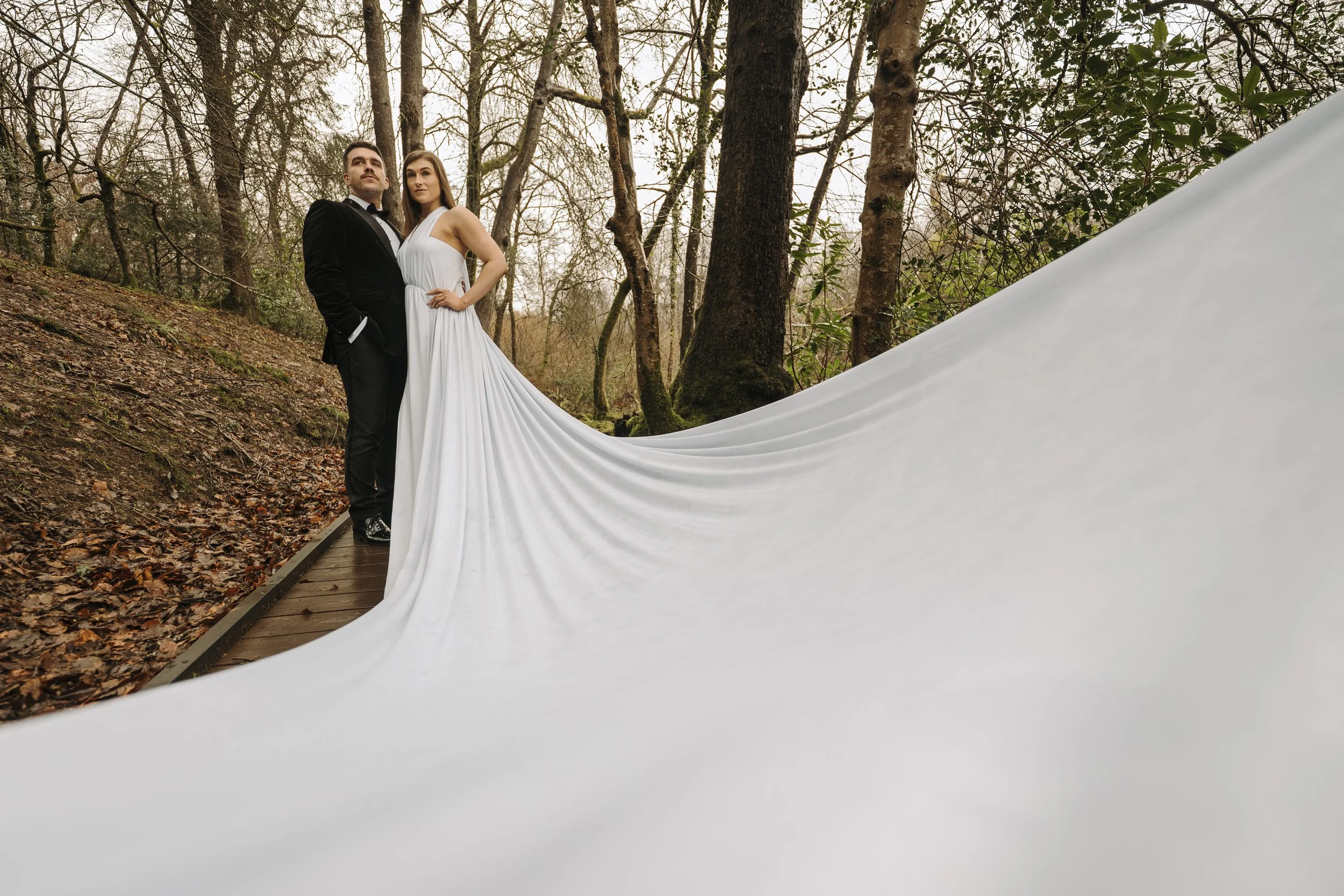
Have you ever captured a technically perfect image, only to find it lacks the visual impact you envisioned? Many photographers, from dedicated hobbyists to aspiring professionals, face the challenge of creating compositions that feel deliberate and engaging. The distinction between a simple snapshot and a compelling photograph often lies in the thoughtful application of compositional theory. At the heart of this theory is a foundational guideline that has guided artists for centuries: the principle of thirds.
This guide is designed to move beyond a simple definition, offering you a comprehensive understanding of why this principle is so effective. By exploring its practical application, you will learn to place subjects with confidence, create a sense of balance and dynamism, and begin to develop the discerning eye required for professional-level work. Our aim is to equip you with the knowledge to transform your approach, enabling you to compose images that are not only aesthetically pleasing but also rich with narrative intent.
Key Takeaways
Learn to view composition not as a rigid rule, but as a foundational guideline for creating visual balance and interest in your images.
Discover the practical steps to activate gridlines on your camera and smartphone, providing an immediate in-camera guide for stronger compositions.
Understand how the application of the principle of thirds is adapted across different photographic genres to achieve specific narrative effects.
Elevate your craft by learning not only how to apply this principle, but also when to intentionally defy it for greater creative impact.
Understanding the Principle: The Foundation of Dynamic Composition
At the heart of compelling photography lies a command of composition. Among the most enduring of these compositional tools is the principle of thirds. It is essential to approach this not as a rigid rule, but as a foundational guideline designed to elevate your images from simple snapshots to thoughtfully constructed photographs. The principle proposes that you mentally divide your frame into nine equal segments using two horizontal and two vertical lines. The theory suggests that placing key elements of your scene along these lines, or at their four intersections, creates a more dynamic and visually engaging composition.
The psychological impact of this technique is profound. By positioning a subject off-centre, you introduce a sense of energy and visual tension that is often absent in a centred composition. A centred subject can feel static and confrontational, whereas an image structured by the principle of thirds feels more balanced and harmonious. It encourages the viewer’s eye to move naturally across the frame, creating a more immersive experience.
The Theory Behind the Visual Appeal
An off-centre placement does more than simply shift the subject; it invites the viewer’s eye to explore the entire frame, creating a journey rather than a destination. This technique inherently generates negative space, which gives your primary subject room to breathe and strengthens its impact. By allowing for this space, you can imply movement or create a narrative, suggesting what the subject is looking at or moving towards. The result is a more natural, less-staged aesthetic that is a hallmark of sophisticated visual storytelling.
Historical Context in Art and Design
The enduring power of this guideline is rooted in a long tradition of artistic practice. While its exact origins are debated, the core tenets of what we now call the Rule of thirds can be traced back through centuries of classical art theory, serving as a guide for painters long before the advent of photography. Its application across various visual media, from Renaissance painting to modern graphic design and cinematography, reinforces its status as a timeless principle for achieving balanced and pleasing compositions.
Practical Application: Implementing the Principle of Thirds In-Camera
Understanding the theory is the first step; applying it consistently in-camera is where mastery truly begins. The most direct method to implement the principle of thirds is to activate your camera's grid overlay, which transforms an abstract concept into a tangible and reliable compositional tool.
Whether you are using a DSLR, a mirrorless system, or a smartphone, this feature is readily accessible and simple to enable.
On DSLR & Mirrorless Cameras: Navigate to your menu system, typically under 'Display Settings' or 'Shooting Display', and select the 3x3 grid option to overlay it in your viewfinder or on your live view screen.
On Smartphones: This function is usually found within the main camera app's settings menu, often labelled simply as 'Grid' or 'Gridlines'.
With the grid active, your task is to identify the most important elements within the scene and position them thoughtfully. The grid is a guide, not an unbreakable rule; its purpose is to help you refine your compositional instincts. Over time, you will begin to visualise these lines automatically, composing balanced shots even without the overlay. To explore further practical examples, Adobe's guide to the rule of thirds offers an excellent resource for developing this skill.
Positioning Your Primary Subject
When photographing people, placing their dominant eye on an upper intersection point creates a powerful connection with the viewer. For inanimate objects or full-body portraits, aligning the subject along a vertical line provides stability and visual weight. These intersections act as natural focal points, guiding the viewer's gaze directly to the most critical part of your image and elevating a simple snapshot into a considered portrait.
Composing Landscapes and Horizons
The principle of thirds is exceptionally effective for landscape photography. By placing the horizon along the lower horizontal line, you can emphasise a dramatic or expansive sky. Conversely, positioning it on the upper line draws attention to an interesting foreground, adding depth to the scene. To introduce scale and a third dimension, place a strong vertical element, such as a lone tree or a building, along one of the vertical lines.
Capturing Motion and Direction
To convey movement or a subject's gaze, it is crucial to leave negative space in front of them. This is known as 'leading room' or 'breathing space'. Position your subject so they are moving or looking into the larger, empty area of the frame. This technique creates a sense of anticipation and narrative flow, allowing the viewer's eye to follow the implied action or direction, thereby making the static image feel far more dynamic.
The Principle of Thirds in Professional Practice: Genre-Specific Examples
While the fundamental concept of the rule of thirds is straightforward, its professional application is a nuanced art that adapts to the unique demands of different photographic genres. Mastery lies not in rigid adherence, but in understanding how to use this framework to enhance the narrative and emotional impact of an image. Below, we analyse how the principle of thirds is interpreted across several key specialisms.
Application in Wedding & Portrait Photography
In portraiture, the goal is to tell a story about a person or a relationship. Off-centre composition creates a more dynamic and engaging portrait than a static, centred subject. This approach allows the photographer to balance the human element with the environment, adding depth and context to the image.
Couple Portraits: Placing a couple along a vertical line draws attention to their connection while using the remaining two-thirds of the frame to showcase a meaningful environment, such as a beautiful venue or landscape.
Individual Portraits: Positioning a bride or groom off-centre, with their eyes aligned with an upper intersection point, creates a compelling and dynamic focal point.
Group Shots: The grid lines provide a useful guide for arranging family members, preventing a rigid, line-up effect and creating a more natural, balanced composition.
Detail Shots: Placing small but significant details, like wedding rings or flowers, directly on an intersection point gives them visual weight and importance within the frame.
Application in Landscape Photography
For the landscape photographer, the rule of thirds is an essential tool for managing vast and complex scenes. It provides a reliable structure for balancing the elements of sky, land, and sea. By placing the horizon along the top or bottom horizontal line-rather than directly in the middle-you can decide whether to grant dominance to a dramatic sky or an interesting foreground. Key features like a lone tree, a mountain peak, or a building can be placed on intersection points to act as anchors, guiding the viewer’s eye through the entire scene.
Application in Street and Documentary Photography
Street photography is about capturing candid, fleeting moments. The principle of thirds helps to create a sense of movement and narrative within a single frame. By placing a subject on one of the vertical lines and leaving negative space in the direction they are looking or moving, you create a visual story of anticipation. This technique implies a journey, inviting the viewer to wonder where the subject is going or what they are looking at, thereby transforming a simple observation into a compelling narrative.
Observing these guidelines is the first step; mastering their application requires dedicated practice and expert feedback. To elevate your compositional skills from theory to professional practice, you are invited to see these principles in action at our portfolio-builder workshops.
Advancing Your Craft: When and How to Defy the Principle
While the principle of thirds offers a reliable framework for creating balanced and engaging images, the path to true photographic distinction involves knowing precisely when to set it aside. True mastery is not found in rigid adherence to rules, but in understanding their purpose so thoroughly that you can break them with intention. Deviating from this guideline should always be a deliberate, creative choice made to serve a specific artistic vision and evoke a stronger emotional response from the viewer.
Employing Symmetry and Centred Composition
Placing a subject directly in the centre of the frame can produce a powerful sense of stability, formality, and directness. This technique is highly effective for subjects with inherent symmetry, such as architectural facades, perfect reflections on still water, or a formal portrait where the subject’s gaze confronts the lens. This direct address can be far more compelling than an off-centre placement for certain subjects, creating an image that feels grounded, intentional, and undeniably potent.
Using Negative Space and Minimalism
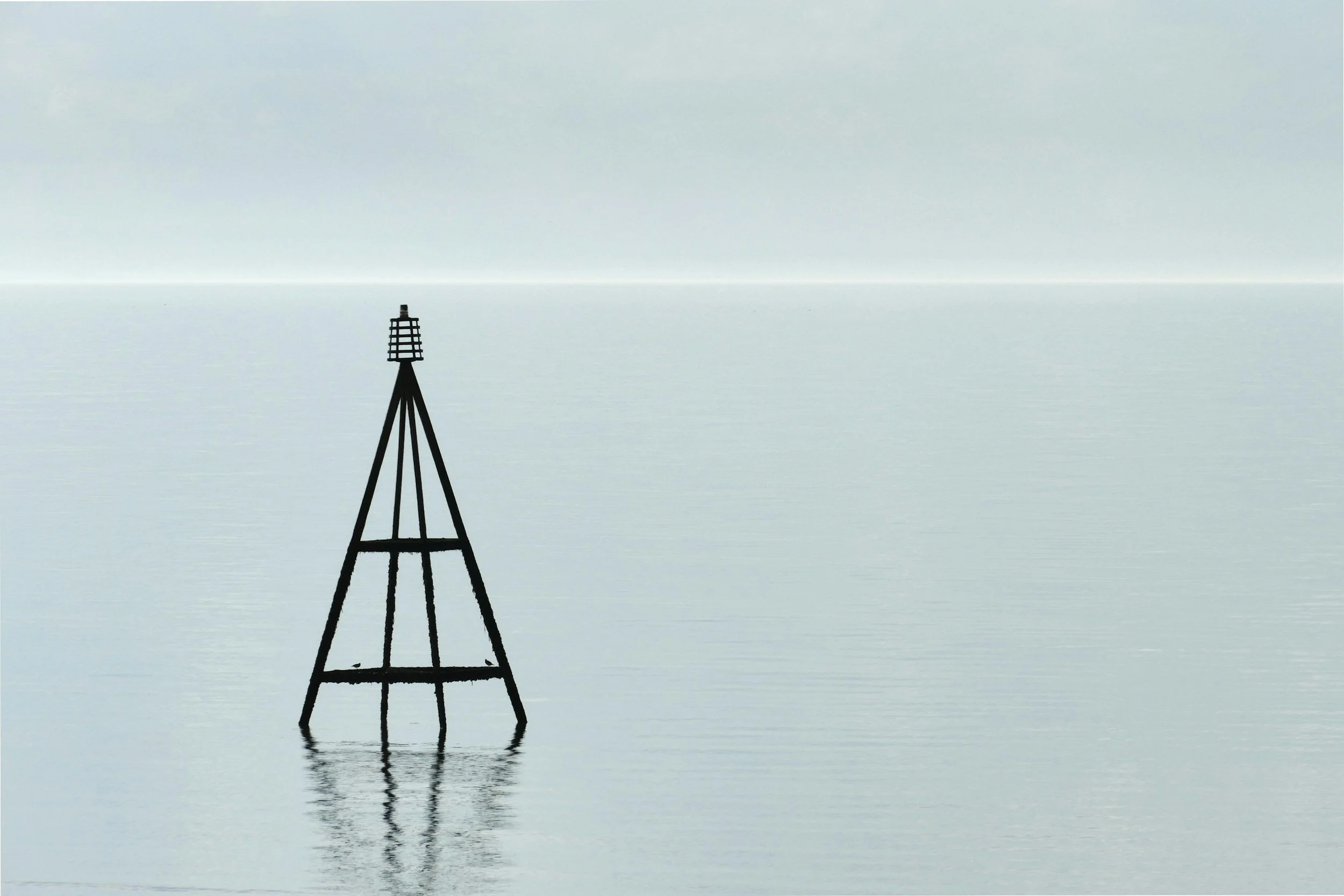
Conversely, pushing your subject to the extreme edge or corner of the frame can dramatically alter the narrative of an image. This technique transforms negative space from a passive background into an active compositional element, often used to emphasise vastness, solitude, or peace. By ignoring the traditional anchor points, you can create a minimalist composition that feels both bold and contemplative, making it a favoured approach in fine art and landscape photography where mood is paramount.
Filling the Frame for Maximum Impact
At the other end of the spectrum is the decision to eliminate negative space entirely. By moving closer and filling the frame with your subject, you force the viewer to engage directly with its texture, pattern, or detail. This approach removes all environmental context, creating a sense of intimacy, intensity, or even claustrophobia. It is exceptionally effective for abstract work, capturing the intricate details of a flower, or producing an emotionally charged portrait that leaves a lasting impression.
Developing the confidence to employ these alternative compositions is a key objective for any serious photographer. To elevate your creative vision with expert, tutor-led guidance, we invite you to explore the professional photography programmes offered by the Institute of Photographers.
From Principle to Instinct: Exercises to Develop Your Compositional Eye
The ultimate goal of learning any compositional rule is to internalise it so thoroughly that its application becomes second nature. Moving beyond the conscious use of in-camera guides to an instinctive understanding of balance and visual weight is a hallmark of a developing photographer. Mastery is achieved not through rigid adherence, but through refined intuition. The following exercises are designed to train your eye, helping you to see compelling arrangements naturally and transform the principle of thirds from a guideline into a creative instinct.
The Cropping Challenge
Revisit your archives and select images that feel compositionally weak or unbalanced. Using your preferred editing software, experiment with re-cropping these photographs. Apply the rule of thirds to place key elements on intersecting lines or points. Observe how different crops alter the narrative and emotional impact of the image. This post-production practice is an invaluable tool for analysing what makes a composition compelling and for refining your editorial judgement.
Observational Field Practice
Develop your compositional eye without the pressure of capturing a shot. When you are out-whether in a bustling city centre, a quiet park, or even your own home-take a moment to frame scenes with your hands. Consciously identify the dominant lines, points of interest, and potential focal points. Practise placing these elements according to the rule of thirds in your mind's eye. This simple, camera-free exercise trains your brain to recognise strong compositional opportunities in the world around you.
Analyse the Masters
The great photographers are our finest teachers. Dedicate time to studying the portfolios of masters like Henri Cartier-Bresson or Ansel Adams. You can even overlay a simple grid on their images to see how they employed, adapted, or deliberately broke compositional rules. This analytical approach provides a profound insight into intentionality and demonstrates how the principle of thirds can serve as a powerful foundation for creating timeless work. To truly accelerate your progress, you must move from analysis to application with guided critique. Develop your eye with expert feedback in our mentorship programme.
Transforming Your Vision: Beyond the Principle of Thirds
As we have explored, the principle of thirds is far more than a simple grid; it is a foundational concept that brings balance, energy, and deliberate structure to an image. Yet, the true mark of a skilled photographer lies not just in its application, but in the confidence to move beyond it, transforming a technical guideline into a deliberate, creative choice. This journey from rule to instinct is the essence of developing a distinctive photographic eye.
If you are ready to elevate your creative practice, The Institute of Photographers provides the structured guidance to accelerate your progress. Our structured learning programmes are designed for clear career progression, offering invaluable, tutor-led feedback from accredited industry professionals. Join a community recognised for distinction and excellence, and begin to cultivate your own professional edge.
Refine your craft and begin your journey to mastery with our photography courses.
Frequently Asked Questions
What is the difference between the principle of thirds and the golden ratio?
The principle of thirds is a simplified compositional guideline, dividing the frame into nine equal rectangles. Subjects are placed on the intersecting lines for a balanced, dynamic feel. The golden ratio, by contrast, is a more complex mathematical proportion (approximately 1:1.618) that creates a spiral, often perceived as more organically pleasing. While the rule of thirds offers an excellent framework for beginners, mastering the golden ratio can elevate one's work to a higher level of compositional sophistication.
Can the principle of thirds be applied to videography and filmmaking?
Indeed, the principle of thirds is a foundational technique in cinematography and videography. It guides the placement of subjects within the frame to create visual interest and direct the viewer's attention effectively. Whether framing an interview, where the subject's eyes align with a top horizontal line, or composing a sweeping landscape shot, this rule helps to produce balanced and professionally structured moving images. It is an essential skill for any aspiring filmmaker seeking to refine their visual narrative.
Should I compose in-camera or rely on cropping in post-production?
At the Institute, we strongly encourage composing in-camera whenever possible. This practice develops a photographer's discipline and compositional eye, leading to stronger original captures. Relying on post-production cropping can degrade image quality by reducing resolution and may limit your final output options. While cropping is an invaluable tool for refinement, achieving a deliberate composition at the moment of capture is the hallmark of a skilled and thoughtful practitioner.
Does the principle of thirds work for square or vertical format images?
The versatility of the rule of thirds extends to all aspect ratios, including square and vertical formats. The fundamental concept remains the same: the frame is divided into a 3x3 grid, and key elements are placed along the lines or at their intersections. This ensures a dynamic and balanced composition, regardless of the orientation. For social media or portraiture, applying this principle helps to avoid static, centered subjects and creates a more engaging visual experience for the viewer.
How do I use the principle of thirds when there are multiple subjects in a photo?
When composing with multiple subjects, the objective is to create a visual hierarchy. Place your primary subject on one of the main power points-the intersections of the grid lines. The secondary subject or group can then be positioned on an opposing line or intersection to create balance and guide the viewer's eye through the scene. This thoughtful arrangement transforms a potentially cluttered image into a coherent and well-structured narrative, giving each element its intended importance.
Is the principle of thirds the most important rule in photography?
While it is arguably one of the most foundational guidelines, it is more productive to view the principle of thirds as a starting point rather than an unbreakable rule. True mastery of composition involves understanding when to apply it and when to intentionally deviate for greater impact. Principles such as symmetry, leading lines, and framing are equally vital tools in a photographer's repertoire. The ultimate goal is to use these guides to serve your creative vision, not to be constrained by them.