
Fine Art Wedding Photography Training: Elevating Your Professional Craft in 2026
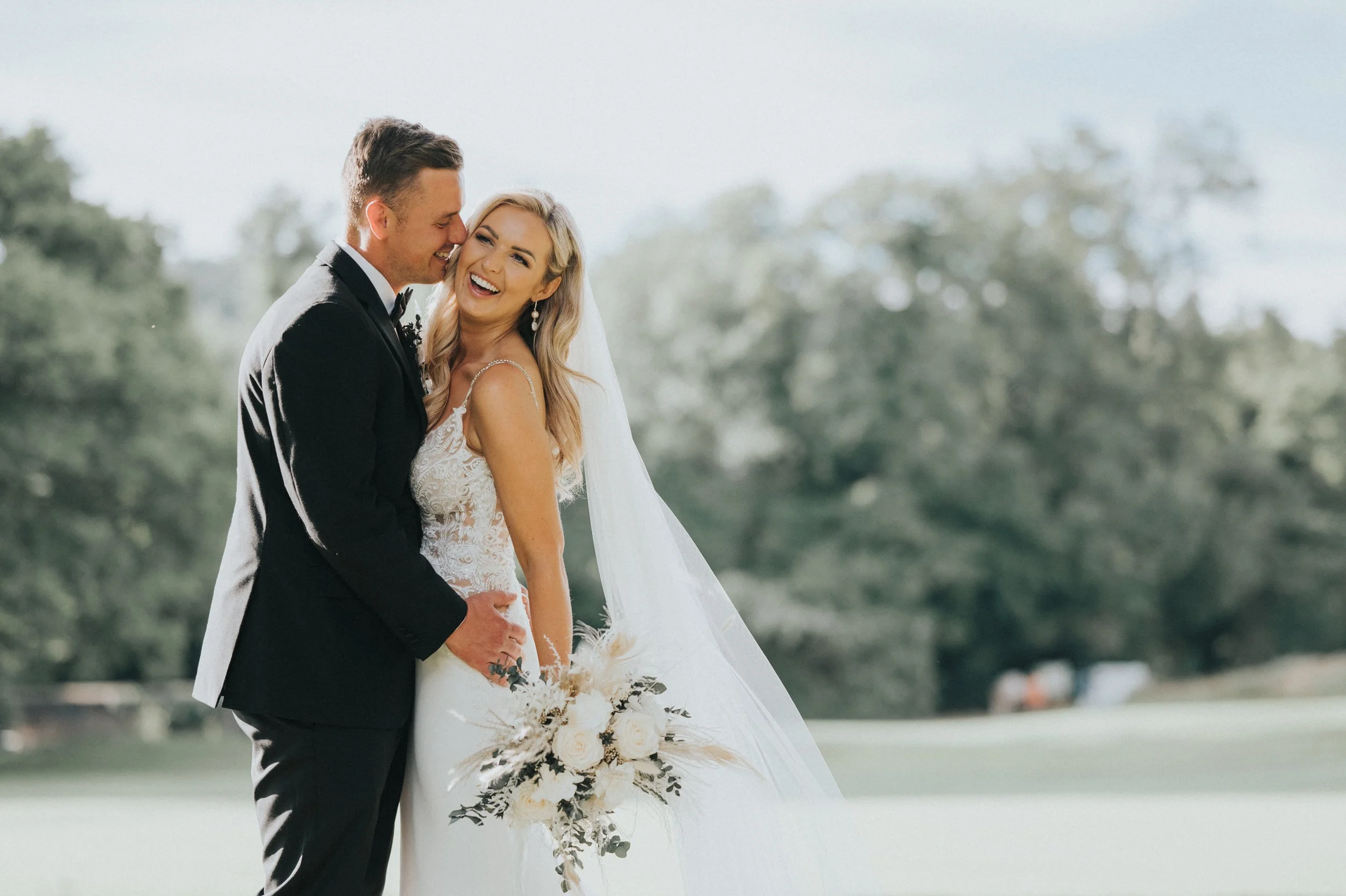
Achieving a high-end editorial aesthetic is not a matter of simply applying a digital preset; it is a disciplined practice of intentionality, light, and refined composition. You likely understand the frustration of feeling plateaued in a crowded commercial market, where your digital files lack the luminous, organic quality of traditional film. Dedicated fine art wedding photography training offers a structured path to overcome these technical hurdles, allowing you to move beyond the "good enough" and into the realm of the extraordinary.
It's a sentiment shared by many ambitious creatives that a portfolio must do more than document a day; it must evoke a sense of timelessness and prestige to attract luxury clients in a global market projected to grow significantly through 2026. Through this article, you'll discover how to master the sophisticated aesthetic of the fine art movement through expert mentorship and intentional portfolio development. We will examine the essential components of a modern professional education, from technical mastery of natural light to the formal validation of your skills through industry recognised awards and memberships.
Key Takeaways
Understand how to transition from reactive shooting to a proactive, intentional methodology that blends editorial elegance with classical portraiture.
Discover how comprehensive fine art wedding photography training bridges the gap between digital capture and the luminous, organic aesthetic of traditional film.
Identify the specific mentorship structures and portfolio development techniques required to transcend the quality ceiling and attract high-end luxury clients.
Learn the critical criteria for evaluating professional workshops, ensuring your chosen curriculum balances artistic mastery with practical business management.
Explore how immersive destination learning and professional validation through industry memberships can refine your creative vision and provide a distinct competitive advantage.
Table of Contents
What Defines Fine Art Wedding Photography in the Modern Industry?
Essential Technical Skills Covered in Professional Fine Art Training
The Role of Mentorship and Portfolio Building in Career Progression
How to Evaluate Fine Art Wedding Photography Workshops and Courses
Elevating Your Craft with the Institute of Wedding Photographers
What Defines Fine Art Wedding Photography in the Modern Industry?
Fine art wedding photography is frequently misunderstood as a mere aesthetic choice or a specific post-processing preset. In reality, it represents a sophisticated hybrid of editorial flair, documentary storytelling, and classical portraiture. While a commercial photographer might focus on capturing every event as it unfolds, a fine art practitioner operates with a proactive, intentional mindset. This distinction is vital for those seeking fine art wedding photography training, as the craft requires a shift from reactive snapshots to the creation of composed, timeless imagery. This methodology prioritises the "why" behind every shutter click. It's not about volume; it's about the significance of the frame.
At its core, Fine-art photography within the wedding industry is about the artist's vision rather than just the subject matter. It's the difference between a fine art edit, which often involves simply desaturating greens or adding grain, and a fine art approach. The latter involves a deep understanding of how light interacts with skin tones and how soft, deliberate posing can elevate a standard portrait into a piece of art. High-quality training ensures that you don't just mimic a look but master the technical foundations of light and shadow.
The Aesthetic Philosophy of Intentionality
The "curated eye" is a primary skill developed through structured education. It teaches you to look beyond the immediate clutter of a busy wedding environment to find elements that suggest timelessness. Fine art training encourages photographers to prioritise soft palettes and natural light, using these tools to build a narrative that feels both ethereal and authentic. Instead of chasing fleeting trends, the focus remains on:
Compositional Balance: Utilising classical "rule of thirds" and leading lines to create order within a chaotic wedding day.
Luminous Textures: Seeking out the "glow" of film, even when working with modern digital sensors.
Guided Posing: Moving away from stiff, traditional poses toward gentle, editorial-inspired direction that feels natural.
Commercial Value of the Fine Art Niche
The global wedding photography market is projected to reach $26.92 billion in 2026, and a significant portion of this growth is driven by the luxury sector. High-net-worth clients are moving away from purely photojournalistic coverage. They seek an elevated, cinematic experience that mirrors the pages of high-end fashion magazines. Clients in the luxury bracket value the sense of permanence that a fine art portfolio suggests.
Specialising in this niche through dedicated fine art wedding photography training allows you to differentiate your brand in a saturated market. It justifies premium rates through the delivery of physical heirlooms and artistic validation. Transitioning from a generalist to a fine art specialist is a deliberate move toward professional recognition and commercial stability. It ensures your work is not just seen as a service, but as a valuable investment in art.
Essential Technical Skills Covered in Professional Fine Art Training
The transition from a standard commercial approach to a fine art methodology requires a profound understanding of technical nuances that go far beyond basic exposure. While many attempt to mimic the aesthetic through software presets, true mastery is found in the deliberate manipulation of light and colour at the point of capture. Comprehensive fine art wedding photography training focuses on achieving the iconic "film look" using modern digital systems. This involves leveraging advanced colour science and dynamic range to produce images that possess the depth and organic texture of medium format film. It's a disciplined process that treats the digital sensor as a canvas rather than just a recording device.
Mastering Light and Colour Theory
Achieving the luminous skin tones and airy atmosphere characteristic of this genre is a primary focus of professional development. It's about understanding the science of light. You'll learn to identify the exact quality of natural light that creates ethereal textures, even when shooting during the harsh midday sun. Training provides the tools to use artificial sources subtly, ensuring they complement rather than overpower the existing environment. By examining the work of important photographers to study, students can begin to see how colour harmony and tonal transitions define a high-end portfolio. This academic approach ensures your galleries remain cohesive, which is a hallmark of the professional fine art standard.
Compositional Elegance and Narrative
Fine art composition moves beyond the simple rule of thirds. It embraces classical art principles such as balance, negative space, and radial symmetry to create a sense of calm within the often chaotic environment of a wedding day. Training helps photographers identify the "hero shots" that define a wedding gallery; those singular images that possess the weight of a standalone piece of art. Creating a rhythmic flow in a story requires the strategic use of varied focal lengths. You'll learn how a wide-angle environmental portrait can carry the same emotional resonance as a tight, intimate detail shot when framed with intention. Every frame must contribute to a larger, elegant narrative.
Advanced posing techniques form another pillar of the curriculum. The goal is to provide direction that appears effortless to the viewer but remains highly structured behind the lens. This balance ensures your subjects feel comfortable while you maintain complete control over the visual narrative. If you're ready to refine these specific technical abilities, exploring a wedding photography training course in the UK can provide the hands-on experience necessary to elevate your professional craft. This structured guidance is what separates a hobbyist from a recognised industry professional.
The Role of Mentorship and Portfolio Building in Career Progression
Many self-taught photographers eventually encounter a "quality ceiling" where their technical proficiency is high, yet their work fails to resonate with the luxury market. This plateau often stems from a lack of objective, high-level critique. In the subtle world of fine art, the difference between a commercial snapshot and an editorial masterpiece lies in microscopic adjustments to light, posing, and narrative intent. While online tutorials offer a foundation, they lack the interactive dialogue required for true artistic growth. Professional fine art wedding photography training replaces passive consumption with active, expert-led refinement, ensuring your development isn't left to chance.
The Power of Guided Mentorship
A structured growth path, such as the Wedding Photography Mentorship Program, provides the personalised feedback necessary to dismantle creative blocks. When an established master critiques your work, they identify technical weaknesses that you may have overlooked for years. This process isn't just about technical correction; it's about building the psychological confidence required to direct high-end clients. Managing large wedding parties and high-pressure environments requires a level of authoritative grace that is best learned through observing and receiving guidance from those who have already mastered the craft. This is why dedicated fine art wedding photography training is indispensable for those aiming for the top tier of the industry.
Creating a Curated Professional Portfolio
Luxury clients book based on a specific "proof of concept." They need to see their own lifestyle, aesthetic, and expectations reflected in your body of work. If your current portfolio lacks images from high-end venues or sophisticated styling, you'll struggle to justify premium rates. Utilising portfolio builder workshops allows you to bridge this gap efficiently. These sessions provide access to curated environments and professional styling that would be difficult to coordinate independently.
A curated portfolio acts as your primary tool for brand positioning. It isn't just a collection of images; it's a declaration of your artistic standards. Immersive, hands-on workshops offer a distinct advantage over digital learning by allowing you to work in real-time with professional models and high-end decor. This practical experience ensures that when you finally step onto a high-budget wedding set, your execution is instinctive rather than experimental. Moving from a generalist to a specialised professional requires this tangible evidence of your capability and vision.
How to Evaluate Fine Art Wedding Photography Workshops and Courses
Selecting the right fine art wedding photography training is a decision that impacts your brand’s trajectory for years. It isn't enough to simply admire a tutor's portfolio; you must scrutinise the actual learning outcomes and their ability to teach complex concepts. A professional programme should offer a balanced curriculum that bridges the gap between creative artistry and commercial viability. You should verify that your tutors are active, award-winning professionals who are navigating the same 2026 market challenges you face. This ensures the guidance you receive is grounded in current reality rather than outdated theory. Look for courses that offer practical, hands-on shooting opportunities with professional models, as this is where technical theory becomes instinctive.
Assessing Curriculum Depth
A complete wedding photography course should be comprehensive. It's vital to master post-production and workflow to ensure your business remains profitable as the global market grows toward a projected $26.92 billion in 2026. Professional fine art wedding photography training will cover:
Strategic Pricing: Moving beyond hourly rates to value-based investment models.
Marketing and Brand Positioning: How to communicate your unique value to luxury clients.
Client Management: Managing the specific psychological needs of high-end couples.
Training should also offer a mix of staged portfolio building and practical, real-world troubleshooting. This prepares you for the high-pressure environment of a live event where you won't have the luxury of endless retakes. Every workshop should feel like a guided consultation, moving logically from identifying a creative need to providing a comprehensive solution.
Industry Recognition and IOWP Standards
The role of industry certification is often the deciding factor for premium clients who want security in their investment. Affiliation with the International Organization of Wedding Photographers (IOWP) provides a level of gravitas that independent practitioners often lack. Social proof is essential in a digital age where anyone can claim professional status. Award-winning recognition serves as a stable anchor for your reputation, offering a sense of permanence and validated achievement. Joining a professional community also ensures you have access to a steady hand as technology and trends evolve. It moves you from being an isolated creative to a member of a modern professional guild.
If you're seeking a curriculum that values excellence, discipline, and the formalisation of your talent, you can check our upcoming training dates to begin your journey toward formal recognition. Quality education takes time and reflection, and finding the right mentor is the first step toward that transformation.
Elevating Your Craft with the Institute of Wedding Photographers
The Institute of Wedding Photographers operates as more than a simple educational platform; it functions as a modern professional guild dedicated to the preservation and advancement of industry standards. Our approach to fine art wedding photography training is rooted in a unique blend of academic rigour and creative freedom. We believe that true mastery requires a structured environment where students can experiment under the steady hand of an expert mentor. This methodology ensures that your artistic passion is always underpinned by the practical realities of commercial success. It allows you to build a career that's both personally fulfilling and financially stable. It's about providing the tools to turn a creative spark into a lasting professional legacy.
Immersive Destination Workshops
Transformation often occurs when you're removed from the familiar constraints of your daily environment. Immersive experiences like the 4 Day Photography Workshop at Ceconi Castle are designed to fundamentally shift your creative vision. These intensive programmes offer more than just technical instruction; they provide a space for deep reflection and the cross-pollination of ideas with international peers. By working in historically significant and visually rich locations, you develop a global perspective on the craft that's impossible to replicate in a standard classroom setting. This exposure to diverse aesthetics and high-end production levels is what allows a photographer to finally bridge the gap between good and world-class.
The Path to Professional Certification
The journey from a developing artist to an IOWP-recognised professional is a path marked by validated achievement and continuous growth. Our curriculum is meticulously organised to guide you through every skill level, ensuring that each step of your education builds upon the last. We encourage you to view our upcoming training dates not merely as calendar events, but as essential investments in your professional longevity. In an industry that's often fragmented, the Institute of Wedding Photographers provides a sense of permanence and a clear standard of excellence. This structured path ensures that your fine art wedding photography training leads to tangible, recognised results.
Whether you're looking to refine a specific technique or undergo a complete professional overhaul, the right guidance is available. You don't have to manage the complexities of the luxury market alone. The value of personalised feedback and human connection remains at the heart of everything we do. Take the definitive step toward mastering your craft and enrol in a professional course today to secure your place within our community of dedicated artists.
Securing Your Future in the Luxury Fine Art Market
Achieving a position of influence within the luxury wedding sector requires a commitment to both artistic discipline and formal validation. As we've explored, the transition from a standard commercial photographer to a fine art specialist involves mastering the nuances of light, refining your compositional intentionality, and seeking the objective critique that only expert mentorship can provide. This journey isn't merely about changing your aesthetic; it's about establishing a professional standard that commands respect from the most discerning clients.
By choosing structured fine art wedding photography training, you ensure that your technical growth is supported by a community that values excellence. The Institute of Wedding Photographers remains dedicated to providing the human element of learning, offering a steady hand in an ever-evolving digital landscape. You're invited to master your craft with the Institute of Wedding Photographers to begin the next chapter of your professional evolution. The path to mastery is now within your reach.
Frequently Asked Questions
What is the difference between fine art and traditional wedding photography?
Fine art photography is defined by the artist's intentional vision, whereas traditional photography often focuses on documenting events as they occur. While traditional methods are primarily reactive, fine art involves proactive composition and a deliberate use of light to create a specific aesthetic. This approach results in an editorial, cinematic feel that prioritises artistic expression over purely journalistic coverage.
Do I need a specific type of camera for fine art wedding photography training?
No specific camera brand is required for fine art wedding photography training, though your equipment should allow for full manual control. Most modern mirrorless or DSLR systems are capable of producing the high-dynamic-range images needed for this style. The training focuses on mastering light and composition rather than the specific gear you own. High-quality prime lenses are often recommended for their ability to create soft, luminous backgrounds.
How long does it take to become a professional fine art wedding photographer?
The timeline for professional mastery varies, but most photographers see significant improvement within six to twelve months of structured study. While you can learn the basics quickly, refining your "curated eye" and building a luxury-tier portfolio takes consistent practice and expert feedback. Engaging in a mentorship programme can significantly accelerate this process by identifying technical weaknesses that might otherwise take years to notice.
Are fine art photography workshops suitable for absolute beginners?
Many workshops are designed to accommodate various skill levels, including those who are relatively new to the industry. A well-structured wedding photography training course in the UK will provide the foundational principles of light and posing before moving into advanced techniques. Beginners often benefit most from these sessions as they establish high standards and disciplined habits from the very start of their careers.
How does the IOWP membership benefit my photography career?
Membership in the International Organization of Wedding Photographers (IOWP) provides immediate professional validation and a distinct competitive advantage. It offers social proof to high-end clients that you adhere to rigorous industry standards. Beyond the prestige of the title, it connects you with a global community of peers, ensuring you remain informed about market shifts and technological advancements in the digital landscape.
Is film photography a requirement for the fine art aesthetic in 2026?
Film is not a strict requirement in 2026, as modern digital sensors and advanced colour science can effectively replicate the luminous "film look." While some practitioners still use analogue cameras, many fine art professionals successfully employ hybrid workflows. Fine art wedding photography training teaches you how to manipulate digital files to achieve the soft textures and organic grain traditionally associated with film.
What should I look for in a wedding photography mentor?
You should look for a mentor who is an active, award-winning professional with a proven track record in the luxury market. It's essential that they possess the ability to provide objective, critical feedback rather than just general praise. A good mentor acts as a guardian of industry standards, helping you navigate the practical realities of the business while nurturing your unique creative journey.
Can fine art wedding photography training help me increase my prices?
Yes, specialising in a high-end niche allows you to move away from generalist pricing models and toward value-based investment. Fine art wedding photography training helps you develop a body of work that attracts high-net-worth clients who value artistry over cost. By positioning yourself as a specialist, you can justify premium rates that reflect the prestige and technical mastery of your craft.