
Capturing Emotion in Wedding Photos: A Professional Guide to Authentic Storytelling
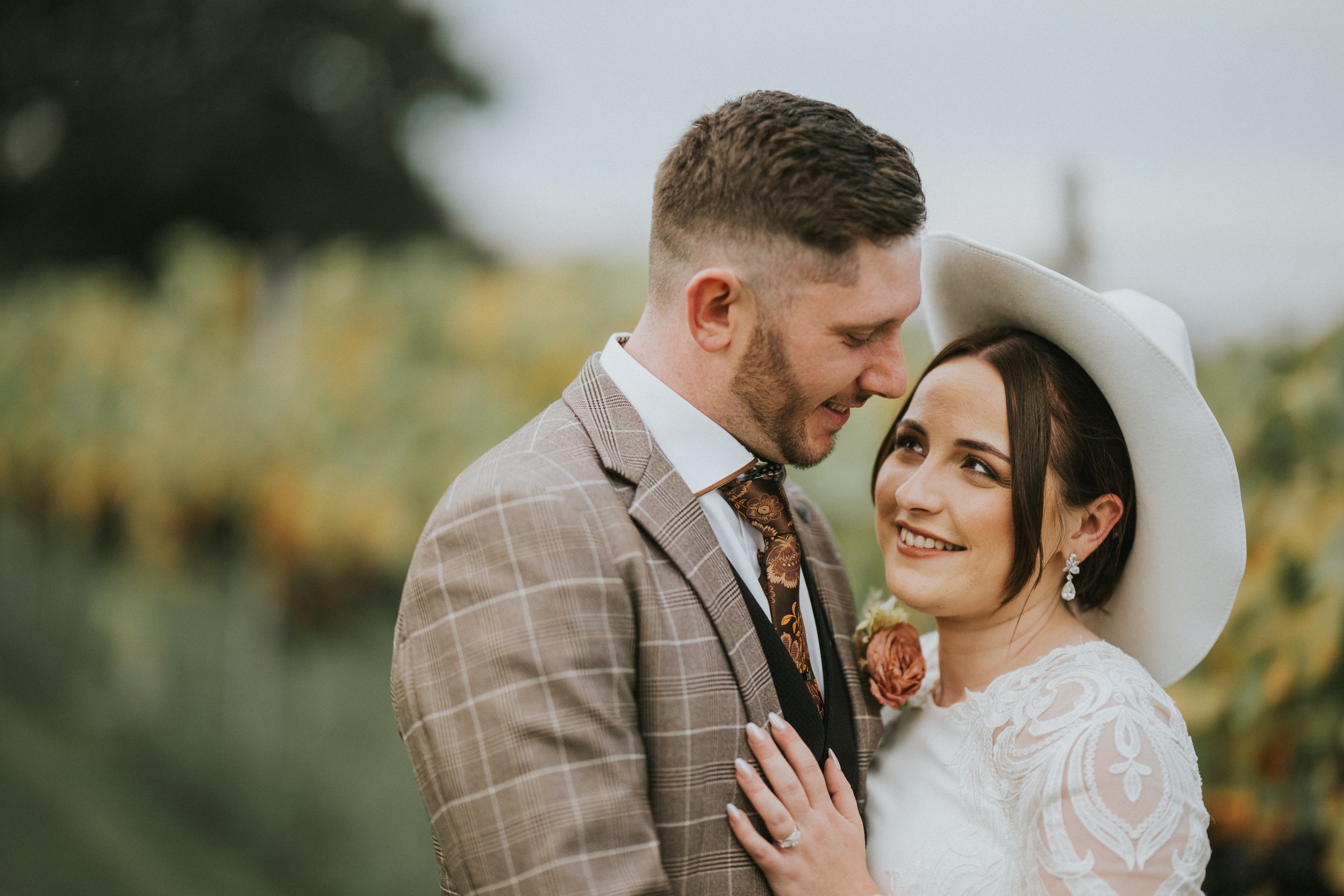
The most profound wedding photographs aren't created through expensive gear or rigid choreography; they're born from the quiet discipline of psychological observation. It's a common frustration to feel like a mere tourist at a celebration, or to realise you've missed a fleeting glance because you were preoccupied with your camera dials. Mastering the art of capturing emotion in wedding photos requires a fundamental shift in perspective, moving away from the role of a traditional director and towards the status of a silent, empathetic witness.
You likely recognise that while technical proficiency is the foundation of our craft, it's the raw, unscripted moments that truly resonate with couples and define a professional legacy. This guide provides the structured guidance needed to move beyond standard posing, allowing you to document the day with a sense of calm authority and creative purpose. We will examine the transition from intrusive direction to documentary storytelling, ensuring your work attains the high standards expected for professional validation and award-worthy recognition.
Key Takeaways
Understand the psychological distinction between an image that merely looks aesthetic and one that feels profound by identifying the spectrum of human vulnerability.
Master the technical discipline of invisibility through the use of silent shutters and fast primes, which are essential for capturing emotion in wedding photos without disrupting the narrative flow.
Learn to predict peak emotional moments by shifting your focus from the primary action to the subtle, unscripted reactions of the guests and the couple.
Establish a foundation of trust during pre-wedding consultations to ensure you can move through the event as a silent observer rather than an intrusive director.
Recognise the value of external critique and structured wedding photography courses to identify creative blind spots and refine your unique storytelling vision.
Table of Contents
The Psychology of Emotion in Wedding Photography
To create an image that resonates, we must first understand that a wedding is not a series of poses but a sequence of psychological states. Many photographers fall into the trap of prioritising technical perfection over emotional truth, resulting in a portfolio that looks professional but feels hollow. True mastery in capturing emotion in wedding photos begins when you recognise that your camera is a tool for empathy as much as it is for light. This connection between visual stimuli and internal feeling is a core tenet of the psychology of art and emotion, which suggests that our brains process aesthetic experiences through the same pathways as real-world empathy.
The spectrum of wedding emotions is far broader than the standard marketing of "joy" suggests. While joy is present, it's often accompanied by vulnerability, nostalgia, and a profound sense of relief. A photograph of a bride sitting in quietude before the ceremony carries a different narrative weight than a photo of her laughing during the speeches. These "in-between" moments, where the subject isn't performing for the lens, are where the most authentic stories are found. As a photographer, you act as a psychological mirror; if you are frantic and stressed, the couple will reflect that. If you are calm and observant, you create a safe space for their genuine feelings to surface.
Understanding Micro-Expressions and Body Language
Identifying the precise moment to press the shutter requires a heightened state of awareness. You aren't just looking for a face; you're looking for the "pre-cry" tension in a brow or the "post-ceremony" exhale where the shoulders finally drop. Often, a hand resting on a shoulder or the way a couple's fingers interlace communicates more than a facial expression ever could. Maintaining peripheral vision is vital in a crowded environment, as the most moving reaction often happens away from the main action, such as a grandparent's quiet tear during the vows.
The "Witness" vs. "Director" Mindset
The transition from director to witness is perhaps the most difficult professional shift for a developing photographer. Over-directing forces the couple into a performance, which immediately severs the emotional connection and makes the image feel staged. You must balance your professional authority with a sense of creative invisibility. This involves transitioning your mental state from a technical checklist of "aperture and focus" to that of an emotional observer. By stepping back and allowing the day to unfold naturally, you gain the competitive advantage of delivering images that the couple will cherish for their honesty rather than their artifice. For those seeking to formalise these skills, the wedding photography courses provided by the Institute offer structured guidance on mastering this delicate balance of capturing emotion in wedding photos.
The Technical Foundation for Fleeting Moments
Technical mastery is the silent partner of emotional storytelling. To succeed in capturing emotion in wedding photos, your equipment must function as a seamless extension of your vision rather than a barrier to it. Fast prime lenses, typically with apertures of f/1.4 or f/1.8, are the preferred choice for the intimate, low-light environments often found in historic churches and evening receptions. These lenses allow you to isolate a subject's vulnerability through a shallow depth of field, drawing the viewer’s eye directly to a tear or a subtle smile while softening distracting backgrounds.
Modern mirrorless systems have revolutionised the "invisibility factor" through silent electronic shutters. This allows you to work in near-silence during the most sensitive parts of the ceremony, ensuring that the click of a shutter never breaks a profound moment of quietude. Precision is further enhanced by leveraging AI eye-tracking and back-button focus. These tools allow you to maintain a sharp lock on the couple’s expressions even as they move, while prioritising a high shutter speed of at least 1/500s ensures that micro-expressions and fleeting gestures are frozen with absolute clarity. For those looking to bridge the gap between technical theory and practical application, the 2 Day Complete Wedding Photography Workshop provides intensive training on these essential workflows.
Optimising Your Camera for Candid Success
Efficiency in the field is born from meticulous preparation. Configuring custom modes and shortcut buttons allows for instantaneous transitions between different lighting environments, such as moving from a dark chapel to a sunlit garden. Utilising "Auto ISO" with a pre-defined maximum ceiling is a professional necessity; it manages exposure shifts automatically, allowing your cognitive focus to remain entirely on the emotional narrative. Selecting a 35mm or 50mm focal length is often ideal, as these ranges mimic human vision and allow you to capture the scene without physically intruding upon the couple's personal space.
Lighting for Mood Without Breaking the Moment
Preserving the natural atmosphere of a venue is paramount to maintaining emotional authenticity. While ambient light is always the first choice, a subtle bounce flash or a minimally positioned off-camera light can provide the necessary fill without creating a "produced" look. The direction of light plays a vital role in storytelling; soft, directional side-lighting can enhance the perceived warmth and intimacy of a shared glance, whereas harsh frontal light often flattens the emotional depth of the scene. By mastering these subtle enhancements, you ensure that the technical aspects of the image serve the story, rather than distracting from it.
The Architecture of Anticipation: Predicting the Peak
Professional success in capturing emotion in wedding photos is rarely the result of mere fortune. While some photographers attribute their best work to luck, a disciplined observer understands that emotional peaks are predictable events within a structured timeline. It is about preparation. By identifying the architectural triggers of a wedding day, you can position yourself to capture the raw, fleeting moments that others might miss while checking their settings. This approach requires you to prioritise the "Reaction" over the "Action"; for instance, the true story of the "first look" is often found in the trembling hands of the groom or the tearful smile of a bridesmaid rather than the physical walk down the aisle.
To add depth to these scenes, employ the "Rule of Three". This involves framing your primary subject, a secondary subject such as a reacting guest, and the surrounding environment to provide context. Layering your composition by shooting through foreground elements, like floral arrangements or the soft blur of a guest's shoulder, creates a sense of intimacy. It makes the viewer feel like they are sharing a private moment rather than looking at a flat document of an event. This technique transforms a standard shot into a narrative piece, drawing the audience into the emotional heart of the celebration.
Mapping the Emotional High-Points
During morning preparations, focus on the quiet nerves and the subtle familial bonds that surface before the day accelerates. At the ceremony, your attention should shift to the parental reactions during the exchange of vows, which are essential for capturing emotion in wedding photos during high-pressure transitions. Later, the reception offers a different energy where you must find the humour and spontaneous joy buried within the formal speeches and the chaos of the dance floor.
The Art of Staying One Step Ahead
Observe the guest list early to identify the "movers and shakers", those individuals who are most likely to wear their hearts on their sleeves. Use your ears as much as your eyes. Listen for the catch in a father's voice or a sudden burst of laughter from a nearby table to cue your next shot. "Camping out" in a high-probability spot allows you to wait for the moment to enter your frame, ensuring you remain an unobtrusive witness to the unfolding story. For those who wish to practise these techniques in a professional setting, the Wedding Photography Portfolio Builder Workshop offers a controlled environment to refine your anticipatory skills and build a collection of work that resonates with high-tier clients.
Building Trust and Creating a Safe Creative Space
The ability to remain an empathetic witness depends entirely on the level of trust established before the first shutter click. If a couple feels observed or judged, their natural vulnerability disappears, replaced by a self-conscious performance. Authentic storytelling begins during the pre-wedding consultation, where you must set clear expectations for a documentary-led approach. By explaining that your priority is capturing emotion in wedding photos through unscripted moments, you give the couple permission to ignore the lens. This psychological "buy-in" transforms a standard service into a collaborative artistic journey. Trust is the foundation.
A professional must also master the art of being the "Invisible Professional." This involves more than just wearing neutral attire to blend into the guest list; it requires a deliberate way of moving through the venue. Navigate the room with a sense of calm purpose. Avoid frantic movements that draw unnecessary attention. When portraits are required, shift from rigid posing to "action-based" prompting. Instead of asking for a smile, encourage the couple to share a specific memory or focus on a physical connection. These cues elicit genuine physiological reactions, ensuring the final images feel lived-in rather than manufactured.
Communication Strategies for Authentic Results
Lowering a couple’s "camera guard" requires language that is both reassuring and directive without being overbearing. For camera-shy subjects, the key is to provide a task or a focal point away from the camera, allowing their natural personality to surface. Refinement of these interpersonal skills is a core component of the Wedding Photography Mentorship Program, where students receive personalised feedback on their client interaction techniques. It's often the subtle shift in how you speak that determines whether a subject remains guarded or chooses to open up. Precision matters.
The Ethics of Candid Photography
Maintaining a high standard of professional validation also means knowing when to put the camera down. Discretion is a powerful tool. There are moments of intense grief or private struggle during a wedding day where the most professional choice is to respect the boundary of privacy. Your goal is to ensure the couple feels protected by your lens, never hunted by it. This ethical approach builds long-term institutional reliability and ensures your reputation as a guardian of the craft remains intact. To further develop your professional standing, consider applying for IOWP Awards and Membership to have your commitment to excellence recognised by industry peers.
Refining Your Vision through Professional Education
While the previous sections have outlined the internal and technical requirements of the craft, the final stage of professional development involves external validation. It is often difficult to identify your own creative blind spots without the intervention of a high-standard mentor. You might believe you are capturing emotion in wedding photos effectively, yet a structured critique often reveals missed opportunities in narrative depth or compositional layering. Refining your vision requires a commitment to the formalisation of your talent, moving beyond the casual experimentation of a self-taught path towards a disciplined, recognised career. This process ensures that your work meets the gravitas expected of a professional certifying body.
Integrating emotional storytelling into your commercial brand identity is the bridge between artistic passion and commercial success. When your portfolio consistently demonstrates a witness-style approach, as exemplified by the work of Ruby Loves Jack, you attract a specific type of client who values authenticity over artifice. These clients aren't looking for a checklist of standard poses; they're looking for a photographer who can document the quietude and the chaos with equal sophistication. By aligning your education with these high standards, you position yourself as a guardian of the industry's traditions while remaining at the forefront of modern documentary trends.
The Path to Mastery: Workshops and Mentorship
Participating in wedding photography training dates in the UK allows you to transition your skills from theoretical knowledge to practical application. These sessions, such as the Wedding Photography Portfolio Builder Workshop, provide a controlled environment where you can experiment with unscripted shooting without the pressure of a live event. Structured feedback from the Institute of Photographers ensures that your portfolio begins to speak to the "emotional" client, those who value raw storytelling over generic aesthetics. This transition is vital for building a competitive advantage in a crowded digital landscape where quality education takes time and reflection.
Validation through Professional Recognition
Submitting your work to the Wedding Photography Awards serves as a critical benchmark for your professional progress. It isn't merely about the accolade; it's about measuring your ability to elicit a response from a panel of experts who understand the nuances of capturing emotion in wedding photos. Formal professional accreditation serves as the definitive marker that separates a mere picture taker from a sophisticated storyteller. Furthermore, IOWP membership fosters a community of like-minded professionals who value excellence and discipline. By integrating these high standards into your brand, you transform your passion into a viable, respected, and successful professional practice that offers a sense of permanence and validated achievement.
Mastering the Art of the Unscripted Narrative
Mastering the unscripted narrative requires a fundamental shift from merely documenting an event to witnessing a story. You've explored how psychological empathy and technical invisibility allow for the capture of raw moments without intrusion. By predicting emotional peaks and establishing a foundation of trust, you ensure that your work transcends standard posing to become a collection of genuine human experiences. This disciplined approach to capturing emotion in wedding photos is what distinguishes a validated professional career from a casual creative hobby.
The path to mastery is best travelled with structured guidance and expert critique. With over 10 years of professional training excellence, the Institute of Photographers provides a steady hand for your creative journey. Whether you engage with our IOWP Accredited Mentors or participate in our National Portfolio-Building Events, the focus remains on the formalisation of your talent. Elevate your craft and join our next Wedding Photography Workshop to master the art of emotional storytelling. We look forward to supporting your growth as you reach new professional heights.
Frequently Asked Questions
How can I capture emotion if the couple is naturally very stiff or shy?
Employ action-based prompts and tasks that divert their attention from the lens. By encouraging a couple to move together or share a private memory, you elicit genuine physiological responses that bypass their natural self-consciousness. This shift from directing to prompting allows for organic results even with the most camera-shy subjects, ensuring the final images feel lived-in rather than manufactured.
What are the best camera settings for candid wedding photography?
Prioritise a high shutter speed of at least 1/500s to freeze fleeting micro-expressions and sudden movements. Combine this with a wide aperture to isolate the subject and use "Auto ISO" with a pre-set maximum to manage shifting light levels automatically. This configuration ensures you're always prepared for the rapid transitions inherent in capturing emotion in wedding photos without fumbling with dials.
Is it better to use a zoom or a prime lens for capturing emotional moments?
Prime lenses are generally superior for emotional intimacy due to their wider apertures and superior low-light performance. A 35mm or 50mm prime lens allows you to work closely without being intrusive, creating a profound sense of presence in the final image. While zooms offer versatility, the shallow depth of field provided by primes is more effective at drawing focus to raw, human moments.
How do I anticipate a "moment" before it actually happens?
Anticipation is a result of studying the wedding timeline and identifying emotional triggers such as the "first look" or parental reactions during vows. Listen for auditory cues, like a catch in a speaker's voice, and identify the most expressive guests early in the day. By positioning yourself in high-probability spots, you increase the likelihood of being ready when a fleeting moment unfolds.
Should I use flash when trying to capture a quiet, emotional scene?
Preserving ambient light is the preferred way to maintain the authentic "feeling" of a quiet, emotional scene. If artificial light is required, use subtle bounce flash or off-camera lighting to provide fill without destroying the natural atmosphere. The goal is to enhance the existing mood rather than creating a "produced" look that might disrupt the solemnity and quietude of the moment.
How do I balance taking "safe" standard shots with risky emotional shots?
Adopt a disciplined workflow that secures the "safe" standard shots first before dedicating time to riskier, creative compositions. This balance ensures you meet the couple's foundational expectations while allowing yourself the freedom to hunt for award-worthy emotional captures. As your confidence grows, you'll find that these risky, unscripted moments often become the most valued images in your professional portfolio.
Does black and white photography help convey more emotion in wedding photos?
Stripping away colour removes visual distractions and places the emphasis entirely on light, shadow, and human expression. This often enhances the perceived emotional weight of an image, making it feel timeless and poignant. Many professionals find that capturing emotion in wedding photos is more effective in monochrome because the viewer isn't distracted by the venue's colour palette or clashing tones.
Can I learn emotional storytelling through a photography course?
Structured education is highly effective for mastering the psychological and technical nuances of storytelling. A professional wedding photography training course in the UK provides the external critique and peer review necessary to identify your creative blind spots. These programs offer a controlled environment to refine your skills and build a narrative-driven portfolio before applying them to high-stakes, live wedding environments.