
The Definitive Guide to Choosing a 2 Day Photography Course in 2026
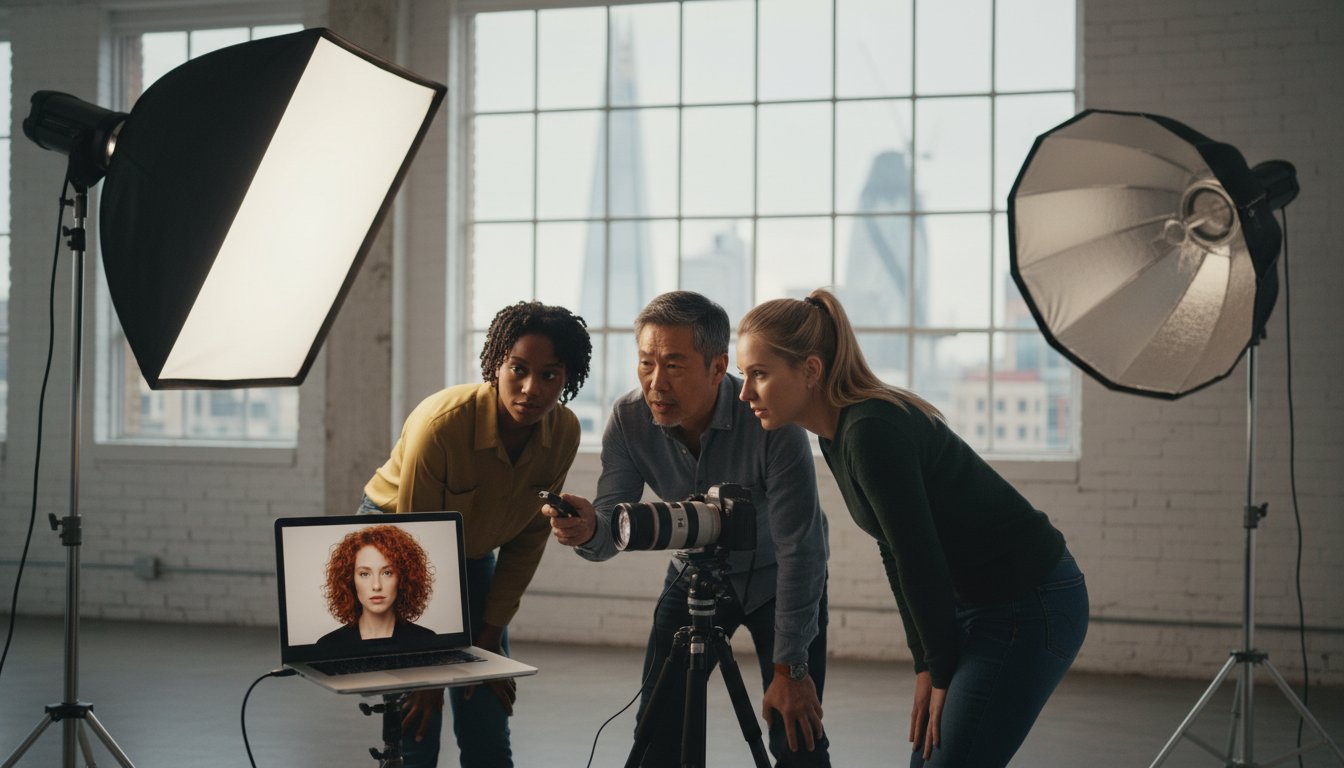
A single weekend often achieves more for a photographer's technical proficiency than six months of self-directed trial and error. It's common to feel hindered by complex manual settings or the absence of a cohesive professional portfolio that reflects your creative vision. At the Institute, we recognise that the transition to a commercially viable career requires more than just a camera; it demands structured guidance and a refined eye. By enrolling in a 2 day photography course in 2026, you'll bridge the gap between creative intent and technical execution through intensive, tutor-led instruction.
We promise that this focused approach will help you master the nuances of lighting and composition while providing a clear roadmap for your career progression. This guide outlines how to select a programme that offers the accreditation and mentorship necessary to elevate your craft. You'll discover the essential criteria for choosing a course that transforms your technical skills and connects you with a prestigious professional community of mentors.
Key Takeaways
- Understand the strategic advantages of immersive learning and how a condensed programme provides a high-impact alternative to traditional academic degrees.
- Discover the essential technical pillars, including advanced lighting and portfolio-building, necessary to refine your craft and achieve a professional distinction.
- Evaluate the practical and financial benefits of a 2 day photography course compared to multi-year university study, focusing on real-world industry expertise.
- Access a comprehensive preparation checklist to ensure you arrive at your workshop equipped to maximise every moment of tutor-led instruction.
- Explore the structured path to formal accreditation and full IOWP membership, positioning yourself as a recognised expert in the British photography landscape.
The Strategic Value of an Intensive 2 Day Photography Course
Selecting a 2 day photography course represents a calculated shift in how an individual approaches their creative development. While traditional three year degrees provide a broad academic foundation, they often lack the concentrated focus required for rapid technical advancement in 2026. This intensive format provides a high impact alternative; it distils years of theory into 48 hours of practical, hands on application. By removing the distractions of a long term academic schedule, students can focus entirely on the nuances of light, composition, and camera mastery within a professional framework.
The 48 hour window is widely regarded by educators as the "sweet spot" for adult learning. It's a duration that allows for the deep exploration of complex technical concepts, such as manual exposure and advanced lighting, yet it concludes before the onset of cognitive burnout. This immersive environment encourages a vital transition from merely taking pictures to purposefully crafting images. Historically, organisations like the Society for Photographic Education have highlighted the importance of structured pedagogy in developing visual literacy, a principle that remains central to the curriculum offered by the Institute.
Why Time-Compressed Learning Works for Creatives
Creatives thrive when they can engage in deep work, a state of peak concentration that allows for the absorption of difficult skills without the interference of daily life. During an intensive workshop, this focus is supported by immediate, tutor led feedback loops. Instead of waiting weeks for a formal assessment, you receive real time corrections that prevent bad habits from taking root in your workflow. The intensive workshop format acts as a definitive catalyst for professional transformation, turning abstract theory into instinctive creative practice.
Bridging the Gap Between Hobbyist and Professional
Many enthusiasts reach a plateau after mastering basic camera settings. They find themselves stuck in a cycle of repetitive results, unable to achieve the artistic consistency required for a professional portfolio or distinction. A structured 2 day photography course introduces the commercial discipline needed to break this cycle. Learning alongside a peer group of like minded individuals fosters a sense of accountability and shared growth that is often missing from self led study.
This environment doesn't just teach you how to use a camera; it teaches you how to think with the precision of a professional. By the end of the programme, students often find their creative confidence has been elevated, allowing them to produce work that meets the rigorous standards expected in the modern industry. Whether you're aiming for personal mastery or a career change, the structured guidance of the Institute ensures your path to excellence is both clear and attainable.
Core Curriculum: What a Professional Programme Should Cover
A high-calibre 2 day photography course must offer more than just a sequence of lectures. It should provide a structured environment where students move beyond "Auto" mode to achieve total manual control. This transition allows for intentionality in every frame. By understanding the interplay of aperture, shutter speed, and ISO, you gain the ability to execute a specific creative vision rather than relying on the camera's algorithms. The Institute's approach ensures that every adjustment is a deliberate choice made by the artist.
Professional education thrives on application. We prioritise "live" portfolio-building sessions within the two-day window, ensuring students leave with tangible evidence of their progress. This practical focus mirrors the hands-on workshops found at institutions like the Houston Center for Photography, where experiential learning is central to the curriculum. You can explore our specific modules and learning outcomes on the Academy page to see how these practical hours are structured for maximum impact.
Mastering Light and Posing
Mastery involves distinguishing between finding natural light and creating it. A professional programme teaches the use of modifiers to shape light, ensuring consistency regardless of the environment. In wedding photography, this skill is vital. Posing isn't just about positioning; it's about narrative. You'll learn to guide subjects to reflect emotion and elegance. For foundational insights, our Mastering the Craft guide provides essential tips for elevating your vision before attending a live session.
The Business of Photography
Technical skill alone won't sustain a career. A comprehensive 2 day photography course introduces workflow management, moving from the initial capture to the final delivery with efficiency. Identifying a unique style is what attracts high-end clients in a competitive market. Professional equipment also plays a role, as the right tools ensure consistent results under pressure. The goal is to bridge the gap between artistic passion and commercial viability, ensuring your craft is as sustainable as it is creative. If you're ready to refine your professional edge, consider reviewing our full range of professional certification programmes.
Intensive Workshops vs. Long-term Degrees: A Comparison
Choosing between a multi-year university degree and an intensive workshop is a pivotal decision for any aspiring creative. The financial disparity is stark. Data from the Higher Education Statistics Agency indicates that the average UK student now graduates with over £45,000 in debt. In contrast, a 2 day photography course represents a precise, manageable investment that often costs a fraction of a single university term. This fiscal efficiency allows you to allocate your remaining budget toward professional-grade glass or marketing efforts that actually build a business.
The speed of market entry is perhaps the most compelling advantage of the intensive format. While a three-year programme offers a broad education, it can sometimes delay the start of your professional life. Intensive workshops focus on "curated mastery," a process where unnecessary filler is stripped away to reveal the core technical and commercial skills required for success. This isn't a lack of depth; it's a concentration of it. You aren't just learning to take photos; you're learning to meet the rigorous standards of a professional certifying body in a condensed timeframe.
Practical Skills vs. Academic Theory
Theoretical knowledge has its place, but it cannot replace the tactile experience of handling a camera under expert supervision. Students often find that a weekend of focused shooting provides more clarity than a term of lectures. It's vital to learn from tutors who are active in the high-end wedding or commercial sectors. These professionals understand the current demands of clients and the nuances of modern lighting. To explore these hands-on opportunities, you can view our range of Photography Courses and Workshops designed for immediate application.
The Value of Professional Networking
Education shouldn't end when the workshop concludes. Short courses facilitate immediate connections with mentors and peers who share your professional ambitions. Industry bodies such as the Professional Photographers of America demonstrate the global value of such communities. Locally, the Institute provides a gateway to high standards through the IOWP Awards, which serve as a benchmark for excellence. These networks offer a safety net of support and a platform for recognition that university settings often struggle to replicate for their graduates. By choosing a 2 day photography course, you're entering a professional guild that values results and practical distinction over mere attendance.
Preparing for Your Intensive: Maximising Your Learning
Success in an intensive environment depends on your readiness. A 2 day photography course moves at a brisk pace; there's little room for troubleshooting basic equipment issues once the tutor begins the session. Your preparation should start at least a week before the workshop to ensure your focus remains entirely on the creative and technical instruction. Familiarity with your camera’s ergonomics is essential, as the goal is for the device to become an extension of your artistic vision rather than a technical hurdle.
Reviewing your current portfolio is a vital first step in this process. Look through your last 100 images to identify recurring weaknesses. Are you struggling with consistent exposure, or does your composition feel static? Identifying these patterns allows you to present specific challenges to your tutor, transforming a general lesson into a bespoke mentorship experience. Use this checklist to ensure you hit the ground running on day one:
- Format all high-speed memory cards and clear your storage.
- Charge at least two camera batteries to full capacity.
- Review the manufacturer's manual for your specific model to locate custom function buttons.
- Pack a lightweight tripod and any relevant filters or accessories.
Essential Gear and Mindset
High-standard mentorship requires reliable tools. While the Institute welcomes a variety of equipment, professionals often rely on versatile f/2.8 zoom lenses or fast primes to achieve technical distinction. If you're still selecting your kit, read our guide on Choosing Your First Digital SLR for the 2026 season. Beyond the hardware, bring a growth mindset. Professional critique is a structured path toward mastery; it provides the honest feedback necessary to elevate your work from an amateur to an accredited standard.
Setting Measurable Objectives
Vague desires to "take better photos" rarely lead to rapid progression. You'll find significantly more value by setting technical targets, such as mastering off-camera flash or understanding advanced metering modes. Researching these concepts before the weekend ensures you spend your time refining the application rather than learning the basic definitions. We define a successful workshop outcome as the creation of three "hero" images that demonstrate a clear command of the craft and are ready for professional portfolio inclusion. This focused approach ensures that your 2 day photography course serves as a genuine catalyst for your career.
Elevating Your Career with the Institute of Photographers
The Institute of Photographers operates with a clear philosophy: technical mastery should always serve a refined creative vision. Choosing a 2 day photography course with us isn't merely about learning camera settings; it's the first step into a structured professional ecosystem. We provide a vital bridge between raw talent and commercial viability, ensuring every student understands the gravity and the discipline of the craft. As the primary guardian of professional standards in the UK, the Institute ensures that our curriculum reflects the sophisticated demands of the 2026 market. Our approach blends rigorous technical instruction with personal mentorship, treating photography as a serious career path rather than a casual pursuit.
From Student to Accredited Professional
Achieving professional recognition requires more than just a good eye; it demands a commitment to a proven programme of development. When you attend a Wedding Photography Training session, you aren't just a face in a crowd. You're beginning a journey toward formal accreditation and distinctions that carry immense weight with discerning clients. In a market where high-end wedding commissions in the UK often exceed £3,000, the Institute's brand acts as a seal of quality. This professional recognition helps you justify premium fees by providing clients with the security of a recognised, institutional standard. It's about moving beyond the amateur tier and establishing yourself as a trusted expert.
The Power of the IOWP Community
Membership in the International Organization of Wedding Photographers (IOWP) connects you with an elite network of practitioners across the globe. Whether you're refining your skills or starting fresh, our 2 day photography course provides the foundational rigour required for IOWP accreditation. Our destination workshops, held in locations such as the Italian Lakes or the Scottish Highlands, are specifically designed to help you build a high-end, international portfolio that attracts luxury clients. Beyond the sessions, the IOWP community offers ongoing mentorship and peer support, providing a steady hand as you scale your business. We invite you to Explore our upcoming 2-day photography courses and workshops to begin your transition from student to master.
Refining Your Creative Edge in 2026
Investing in your craft requires more than high-end equipment; it demands a structured environment where theory meets practical application. By choosing a 2 day photography course, you're opting for a condensed, high-impact learning experience that provides immediate skill acquisition. Our curriculum ensures you receive tutor-led feedback from industry-leading professionals who've contributed to major UK publications. You'll participate in intensive portfolio-building sessions featuring professional models, providing you with high-quality assets that meet current industry standards. Every programme at the Institute is designed with official IOWP recognition in mind, offering clear accreditation paths for those seeking a formal distinction in their field.
These forty-eight hours serve as a definitive catalyst for your growth, bridging the gap between artistic passion and commercial success. We're dedicated to helping you achieve a professional standard that commands respect in an evolving digital landscape. Elevate your professional vision and book your 2 day photography course today. Your journey toward technical mastery and creative confidence starts with the right guidance.
Frequently Asked Questions
Is a 2 day photography course suitable for absolute beginners?
A 2 day photography course is perfectly suited for absolute beginners as it provides a structured introduction to manual settings. These intensive sessions bridge the gap between automated snapshots and deliberate compositions. You'll spend approximately 12 hours over a weekend receiving tutor-led feedback that simplifies complex technical concepts. This guided approach ensures you develop a solid foundation without the frustration of trial and error.
Do I need to own a professional camera to attend an intensive workshop?
You don't need a high-end professional camera to attend an intensive workshop. Most students use entry-level DSLR or mirrorless systems that allow for manual control. If you don't own equipment yet, the Institute often provides hire options for a nominal fee of £30 per day. The focus remains on mastering the principles of light and exposure, which are universal across all digital devices with manual settings.
Will I receive a certificate or accreditation after completing the course?
Upon successful completion of the programme, you'll receive a formal certificate of attendance from the Institute. While a short workshop doesn't grant a full degree, it often carries 14 hours of Continuing Professional Development (CPD) credits. This documentation serves as a recognised milestone in your creative journey. It validates your commitment to refining your craft to a professional standard and adds weight to your CV.
What is the average cost of a professional 2 day photography course in the UK?
The average cost of a professional 2 day photography course in the UK typically ranges between £295 and £495. This investment covers expert tuition, studio hire, and specific learning materials. According to 2024 market data from independent education providers, premium workshops in London or those featuring specialised equipment may reach £650. These fees reflect the high standard of mentorship and the quality of the facilities provided.
Can a two-day workshop really help me start a photography business?
A two-day workshop provides the technical catalyst required to start a photography business, though it represents the beginning of your professional development. You'll acquire the "professional edge" needed to produce consistent results for clients. However, long-term success requires building a portfolio over several months. This course equips you with the fundamental skills to charge for your services with newfound confidence and technical accuracy.
What happens if the weather is poor during an outdoor photography workshop?
Poor weather rarely disrupts a scheduled workshop as we maintain access to indoor studio spaces or sheltered locations. Instructors often use rain or overcast conditions to teach advanced lighting techniques and atmospheric composition. If conditions are severe, such as an amber weather warning from the Met Office, sessions are typically rescheduled. This ensures student safety and the protection of your expensive equipment.
Is there ongoing support available after the 2 day course finishes?
Ongoing support is a cornerstone of the Institute's educational philosophy. After your 2 day photography course, you'll gain access to an exclusive alumni forum where you can submit images for monthly tutor-led critiques. This community ensures that your learning continues long after the physical workshop ends. We believe that sustained feedback is essential for transforming a weekend of study into a lifelong mastery of the medium.
How do intensive workshops differ from free online photography tutorials?
Intensive workshops differ from free online tutorials by offering immediate, personalised feedback and a structured curriculum. While digital videos provide snippets of information, they lack the interactive critique necessary to correct subtle technical errors. In a live environment, a mentor can observe your handling of the camera and provide real-time corrections. This human element accelerates your progress by approximately 6 months compared to self-led study.