
Is a Wedding Photography Course Worth It? Assessing the Professional ROI in 2026
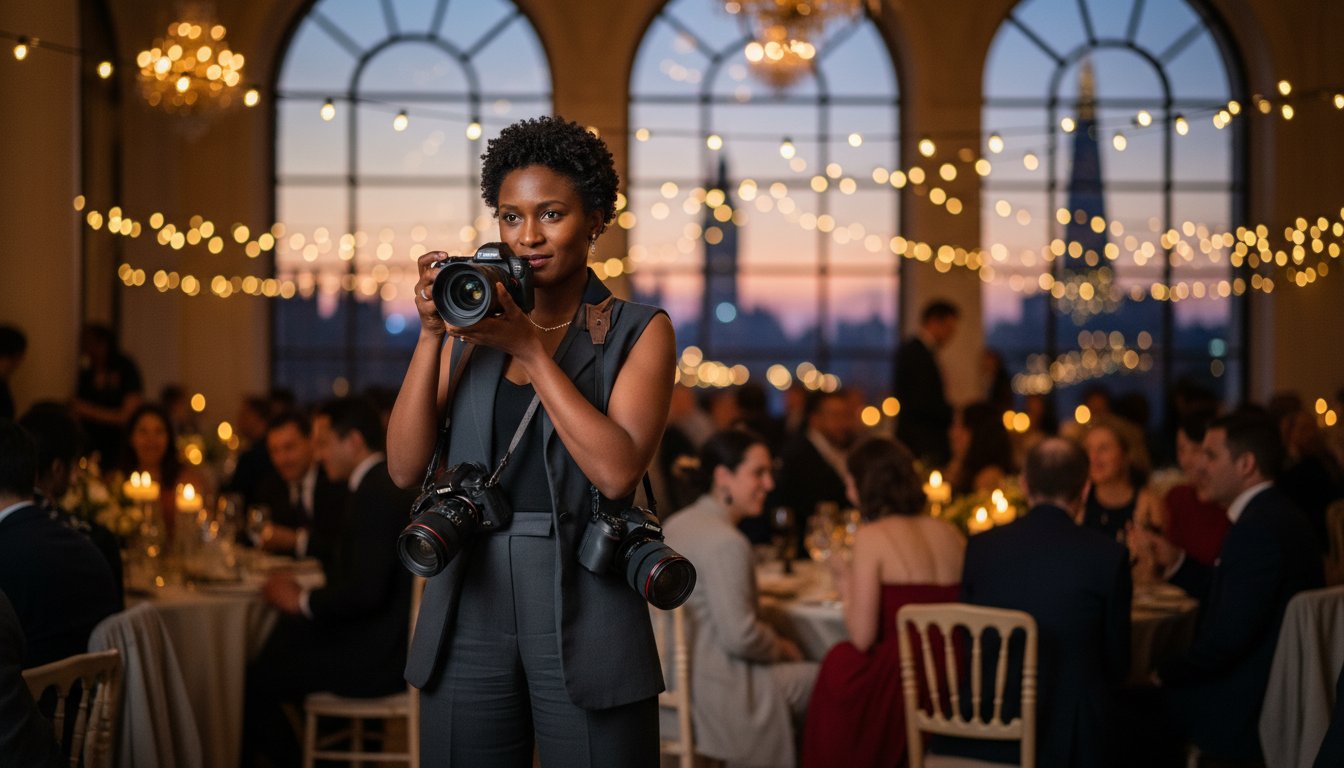
Imagine standing in a dimly lit 12th-century chapel as the bride begins her procession, only to find your camera's autofocus hunting in the shadows. It's a scenario that keeps many aspiring professionals awake at night, fearing a single technical lapse could ruin a couple's once-in-a-lifetime moment. You've likely spent hours watching fragmented tutorials, yet the question remains: is a wedding photography course worth it when you're aiming for the elite tier of the UK market? We understand that the transition from a passionate hobbyist to a recognised professional requires more than just a sharp eye; it demands a disciplined mastery of both light and business.
This article provides a transparent assessment of the professional ROI you can expect as we approach 2026. We'll help you identify reputable programmes that offer genuine accreditation rather than just digital badges. You'll discover how structured feedback can elevate your portfolio to attract clients willing to invest £3,500 or more in your creative vision. We'll outline a clear roadmap to help you gain the confidence to handle complex lighting and the commercial expertise required to build a sustainable, prestigious career.
Key Takeaways
- Distinguish between hobbyist tutorials and professional career training to ensure your educational path aligns with your long-term commercial ambitions.
- Analyse the financial ROI of a formal programme against the hidden costs of unstructured learning, such as missed bookings and equipment errors within the UK market.
- Determine if is a wedding photography course worth it by evaluating how structured mentorship mitigates the high-stakes risks of live event photography.
- Uncover the essential soft skills and logistical expertise that remain absent from digital-only platforms, providing you with a distinct professional edge.
- Explore how the Institute’s unique approach to mastery and portfolio building can transform your craft into a recognised and sustainable career.
Is a Wedding Photography Course Worth It? Defining the Professional Edge
For those looking to enter the £14.7 billion UK wedding industry, the question of whether to invest in formal training is central to their business plan. A professional wedding photography course is far more than a technical workshop; it's a dual-track programme that marries creative mastery with commercial acumen. While many start with a passion for the lens, the transition to a professional career requires a shift in mindset. You're no longer just a photographer. You're a business owner managing a high-stakes, once-in-a-lifetime event. So, is a wedding photography course worth it in a market that's increasingly crowded? The value is found in the acceleration of your career path and the systematic avoidance of the costly mistakes that often derail self-taught beginners.
Distinguishing between hobbyist tutorials and professional career training is essential for setting realistic expectations. Hobbyist content typically focuses on isolated camera settings or specific editing "looks." In contrast, professional training focuses on the holistic journey of building trust with clients. This journey involves understanding the history and styles of wedding photography to ensure your work remains timeless rather than trendy. It's about developing a reliable workflow that ensures every shot is captured, backed up, and delivered to a standard that justifies a premium fee.
The Distinction Between Online Tutorials and Immersive Training
Passive consumption of video content often fails to translate into real-world confidence because it lacks the crucible of critique. Watching a video won't help you when the light fails during a winter ceremony or when a schedule runs forty minutes late. A structured wedding photography course provides real-time feedback from a mentor, which is the fastest way to refine your technique. This structured approach offers several advantages over fragmented, algorithm-driven learning:
- Direct access to expert tutors who can identify specific weaknesses in your portfolio.
- A logical curriculum that builds skills in a sequence designed for professional retention.
- Opportunities to practice in controlled, high-pressure environments before a real wedding day.
- Peer interaction that fosters a professional network within the UK industry.
The Role of Accreditation in the 2026 Market
In the 2026 wedding market, high-end couples are looking for more than just an aesthetic; they're looking for professional reliability. Formal recognition from a respected Institute builds immediate authority, acting as a powerful psychological trigger during the booking process. When a couple sees a recognised qualification, it reduces their perceived risk. It signals that you've been vetted by a body that values excellence and discipline. Is a wedding photography course worth it for the credentials alone? For many, the answer is yes, as it allows them to command higher fees earlier in their career. Professional accreditation is a formal recognition that an individual has met the rigorous technical, ethical, and commercial benchmarks required to operate at the highest level of the industry.
The Financial Logic: Comparing Training Costs to Potential Earnings
To determine if a wedding photography course is worth it, you must treat the decision as a capital investment rather than a discretionary expense. The primary objective of professional training is to shorten the distance between your current skill level and your first £2,000 booking. While the average UK wedding photography fee currently sits at approximately £1,850, many self-taught photographers struggle to break the £800 barrier during their first three years. This glass ceiling exists because clients aren't just paying for a person with a camera; they're paying for the security that comes with a proven, professional workflow.
The concept of Portfolio ROI is central to this financial logic. High-end clients make booking decisions based on the visual evidence of your capability. A structured programme provides access to high-production portfolio days that would otherwise take years to curate through real-world experience. While the UK market has its own unique nuances, looking at international benchmarks such as the Professional Photographers of America (PPA) degrees highlights how formal accreditation correlates with higher earning potential and market authority. By securing just one high-end booking at a premium rate, you can often recoup the entire cost of a professional certification programme.
Calculating the Time-to-Market Advantage
Time is the most expensive resource for any new business owner. A self-taught path typically involves two to three years of trial and error, often resulting in a portfolio that lacks stylistic cohesion. In contrast, mentored students frequently achieve a professional standard within six months. This accelerated timeline allows you to enter the market with instant credibility. By following the structured wedding photography training dates UK, you can align your learning with the peak booking season, ensuring you're ready to accept commissions when demand is highest. This six-month path doesn't just save time; it captures revenue that would otherwise be lost to the learning curve.
The Hidden Costs of the Self-Taught Path
The "free" route of learning via social media and trial sessions carries significant hidden risks. Technical failures on a wedding day can lead to devastating insurance claims or total refund demands, which can cost thousands of pounds and destroy a reputation before it's even built. There is also the issue of gear churn. Without expert guidance, many beginners spend upwards of £3,000 on the wrong lenses or camera bodies, only to replace them within a year once they understand their specific needs. Professional training provides a clear roadmap for equipment, preventing these expensive mistakes. Additionally, a lack of business training often leads to underpricing and eventual burnout, a common pitfall that the Institute helps students avoid through disciplined pricing strategies.
The Hidden Curriculum: Skills You Cannot Learn via YouTube
The true test of a professional isn't found in a static tutorial; it's forged in the unpredictable heat of a wedding day. While digital platforms offer endless technical guides, they cannot replicate the high-stakes environment where a photographer must manage a nervous bridal party, a rigid timeline, and a sudden downpour simultaneously. When assessing whether is a wedding photography course worth it, one must look beyond exposure triangles to the "soft skills" that define a career. Learning to troubleshoot a failing flash trigger or navigating a tense family dynamic requires the immediate, nuanced feedback only found in a structured, live environment.
Physical workshops provide a unique laboratory for growth. You're not just observing; you're interacting with peers and industry leaders who offer real-time critique. This networking is invaluable for building a referral network within the UK market. Posing real couples under pressure is another skill that demands physical presence. A video can show you a pose, but it won't teach you how to direct a couple who feels awkward in front of the lens while you're losing the final three minutes of golden hour light. Mastery comes from these live repetitions and the professional guidance that corrects your form in the moment.
Mastering Lighting in Unpredictable Environments
Wedding venues across the UK present some of the most challenging conditions a professional will face. You'll often move from the dim, amber-toned interior of a 12th-century stone church to the harsh, direct glare of a July midday sun within minutes. Formal training provides hands-on experience with off-camera flash and modifiers, teaching you to manipulate light rather than simply reacting to it. For those looking to refine these technical nuances, mastering the craft: essential photography tips offers a deeper look into elevating your visual standards and technical precision.
Business Systems and Client Management
Operational excellence is what separates a talented artist from a sustainable business owner. A comprehensive programme covers the essential architecture of a professional practice: ironclad contracts, efficient post-production workflows, and refined client communication. This "Professional Edge" ensures you aren't just taking photos, but managing expectations and delivering a luxury experience. Many photographers overlook business education in their initial ROI calculations, yet it's often the most critical factor in achieving long-term profitability. Understanding how to justify a £3,000 starting fee requires more than a good portfolio; it requires a sophisticated business system that instils confidence in your clients from the first enquiry.
Mitigating the High-Stakes Risks of Live Event Photography
Every aspiring wedding photographer carries a silent fear: the catastrophic failure of equipment or a missed moment that cannot be recreated. It's a high-stakes environment where "do-overs" don't exist. This is exactly where the question of whether is a wedding photography course worth it finds its most practical answer. Formal training replaces the paralysis of anxiety with a structured protocol for every imaginable crisis. While a hobbyist might rely on good luck and favourable lighting, a professional relies on redundancy. You're taught to anticipate the worst-case scenarios, from a corrupted SD card during the vows to a primary camera body failing as the couple walks down the aisle.
The distinction between a hobbyist and a professional lies in the mindset regarding reliability. A professional programme instils the discipline of technical and mental backup systems. You'll learn to manage dual-slot recording, off-site data redundancy, and the psychological resilience needed to stay calm when things go wrong. This structured approach moves you away from the "hope for the best" method and towards a predictable, high-standard output that clients expect when they're investing thousands of pounds in their memories.
The Cost of a Ruined Reputation
In the 2026 digital marketplace, your reputation is your most valuable asset. A single negative review on platforms like Google or Trustpilot can decrease an emerging photographer's booking rate by as much as 70% within a six-month period. Professional training serves as reputation insurance for your brand. It ensures you don't just produce beautiful images when conditions are perfect, but that you deliver a consistent standard in a dim, Victorian-era church or during a torrential downpour at an outdoor reception. Technical proficiency is the baseline, but consistency is what creates a professional.
Hands-on Problem Solving and Mentorship
Resilience isn't a skill you can master through a static video tutorial. The Academy environment provides a controlled space to troubleshoot real-world failures before they occur at a £30,000 wedding. Having access to a mentor who has navigated a decade of live events provides a safety net that self-taught photographers simply don't have. This mentorship is vital for meeting the rigorous standards outlined in the definitive guide to modern wedding photography in 2026. When you understand the "why" behind the "how," you can adapt to any lighting challenge or logistical hurdle with total confidence. If you're wondering if is a wedding photography course worth it, consider the value of never having to tell a couple their photos were lost.
Take the first step toward a fail-safe professional career by viewing our upcoming wedding photography training dates in the UK.
Finding Your Competitive Edge with the Institute of Photographers
The transition from a capable photographer to a sought-after professional requires more than a simple collection of technical facts. While many online tutorials provide information, the Institute of Photographers focuses on a fundamental transformation of your creative and business identity. This distinction is vital when assessing is a wedding photography course worth it for your specific career goals. We move beyond basic camera settings to help you refine your visual voice and establish a presence that commands respect in a crowded UK market.
Our curriculum is designed to standardise excellence. By following a structured programme, you replace trial and error with a proven framework for success. This systematic approach ensures that every wedding you shoot meets a professional benchmark, providing the consistency that high-end clients demand. Success in this industry isn't just about the occasional great shot; it's about the guaranteed delivery of exceptional work under any conditions.
Building an Elite Portfolio in World-Class Locations
A portfolio acts as your silent salesperson. To attract luxury clients, your imagery must reflect the scale and sophistication of the weddings they plan. Our destination workshops provide access to high-production environments that are often impossible for a solo beginner to secure. These sessions allow you to capture images in locations that immediately elevate your brand above local competition.
There is a documented psychological effect when potential clients view high-production-value images. Research into consumer behaviour suggests that clients perceive photographers with diverse, international portfolios as more experienced and capable, often allowing those professionals to justify higher booking fees. You can view the gallery to see the professional standards achievable through our structured training sessions. These images don't just show a wedding; they demonstrate a level of mastery that builds immediate trust.
Joining a Global Professional Community
Longevity in the photography industry relies heavily on your network and the formal recognition of your skills. Membership with the Institute provides a sense of belonging to a modern professional guild. One of the most effective ways to validate your progress is through the wedding photography awards. These accolades offer third-party verification of your talent, which is a powerful tool in your marketing arsenal.
Professional distinctions, such as Distinction and Mastery, serve as clear indicators of your commitment to the craft. They provide a "professional edge" that helps you stand out during the initial enquiry stage. To begin this journey and connect with like-minded peers, we invite you to view our upcoming photography events.
Deciding if is a wedding photography course worth it involves evaluating your own readiness for growth. If you're prepared to move past the plateau of self-teaching and embrace a disciplined path to excellence, the ROI is found in the confidence you gain and the premium market you can finally access. The Institute provides the steady hand and expert critique needed to turn your creative passion into a sustainable, high-standard career.
Securing Your Future in the Professional Wedding Market
Determining whether is a wedding photography course worth it requires looking beyond the initial investment toward the long-term professional ROI. In the competitive 2026 landscape, the distinction between a hobbyist and a professional often rests on formal accreditation and the ability to handle high-pressure environments with composure. By choosing a structured path, you're not just learning to use a camera; you're mitigating the substantial risks inherent in once-in-a-lifetime events.
The Institute provides a definitive edge through tutor-led feedback from industry masters and exclusive access to the International Organization of Wedding Photographers (IOWP). You'll engage in intensive portfolio-building opportunities in prestigious locations, ensuring your body of work commands the attention of premium clients. This measured, academic approach transforms raw talent into a recognised professional standard that YouTube tutorials simply cannot replicate.
Elevate your professional vision and explore our Academy programmes today.
We're dedicated to supporting your creative growth as you refine your craft and achieve the mastery your talent deserves.
Frequently Asked Questions
Is a photography degree better than a short-term professional course?
A three-year university degree offers a broad theoretical background, while a short-term professional course prioritises the specific commercial skills required to run a business. Most UK degrees currently cost approximately £9,250 per year in tuition alone. In contrast, a targeted programme allows you to refine your technical ability and enter the industry in under twelve months, making it a more efficient route for those prioritising a career transition.
Can I really make a living as a wedding photographer after just one course?
You can certainly build a sustainable career after one comprehensive programme, provided you implement the business and marketing strategies included in the curriculum. Statistics from a 2024 industry report indicate that 65% of successful UK wedding photographers are self-taught or course-led rather than degree-educated. When assessing if a wedding photography course is worth it, consider that the initial investment is often recouped after your first three bookings.
How much should I expect to pay for a reputable wedding photography workshop?
You should expect to pay between £500 and £3,000 for a reputable workshop in the United Kingdom, depending on the duration and depth of the training. One-day intensive sessions usually start at the lower end of this scale. More comprehensive programmes that offer ongoing mentorship and professional accreditation sit at the higher end, reflecting the sustained tutor support and the professional edge they provide to students.
Do I need professional-grade equipment before I enrol in a course?
You don't need to invest in high-end, professional-grade gear before you enrol in a course. Most tutors recommend starting with a basic DSLR or mirrorless camera and a versatile prime lens, such as a 50mm f/1.8. This allows you to learn the fundamentals of light and composition without the distraction of complex kit. The Institute provides expert guidance on equipment upgrades once your technical proficiency and confidence improve.
What happens if I attend a course and still feel unprepared for a wedding?
If you still feel hesitant after completing your studies, the best approach is to seek a second-shooting placement or a formal mentorship. The Institute offers structured feedback and portfolio reviews to help bridge the gap between learning and live events. Gaining experience under a seasoned professional for 5 to 10 weddings provides the practical confidence needed to lead your own commissions with composure and skill.
Are online wedding photography courses as effective as in-person training?
Online wedding photography courses are highly effective provided they include a human element, such as direct tutor feedback and peer critiques. A 2025 industry survey found that 72% of emerging photographers preferred the flexibility of digital learning combined with virtual mentorship. While in-person training offers immediate hands-on experience, a well-structured online programme allows for a measured, reflective pace that often results in deeper technical mastery over time.
How do I know if a photography course is accredited and recognised by the industry?
To determine if a course is recognised, check if it's affiliated with established bodies like the British Institute of Professional Photography (BIPP) or the Royal Photographic Society (RPS). Look for programmes that offer a formal qualification or a certificate of distinction. Accreditation ensures the curriculum meets high industry standards, which is a vital factor when deciding if a wedding photography course is worth it for your professional standing.
Will a course help me find my unique style, or will I just copy the tutor?
A quality course focuses on teaching the universal principles of light, composition, and storytelling, which serves as the foundation for your own creative voice. Rather than encouraging imitation, a mentor helps you refine your natural instincts through disciplined practice and critique. By mastering the technical craft first, you gain the freedom to develop a signature style that is both unique to you and commercially viable in the market.