
Choosing Your First Digital SLR for Beginners: A 2026 Masterclass
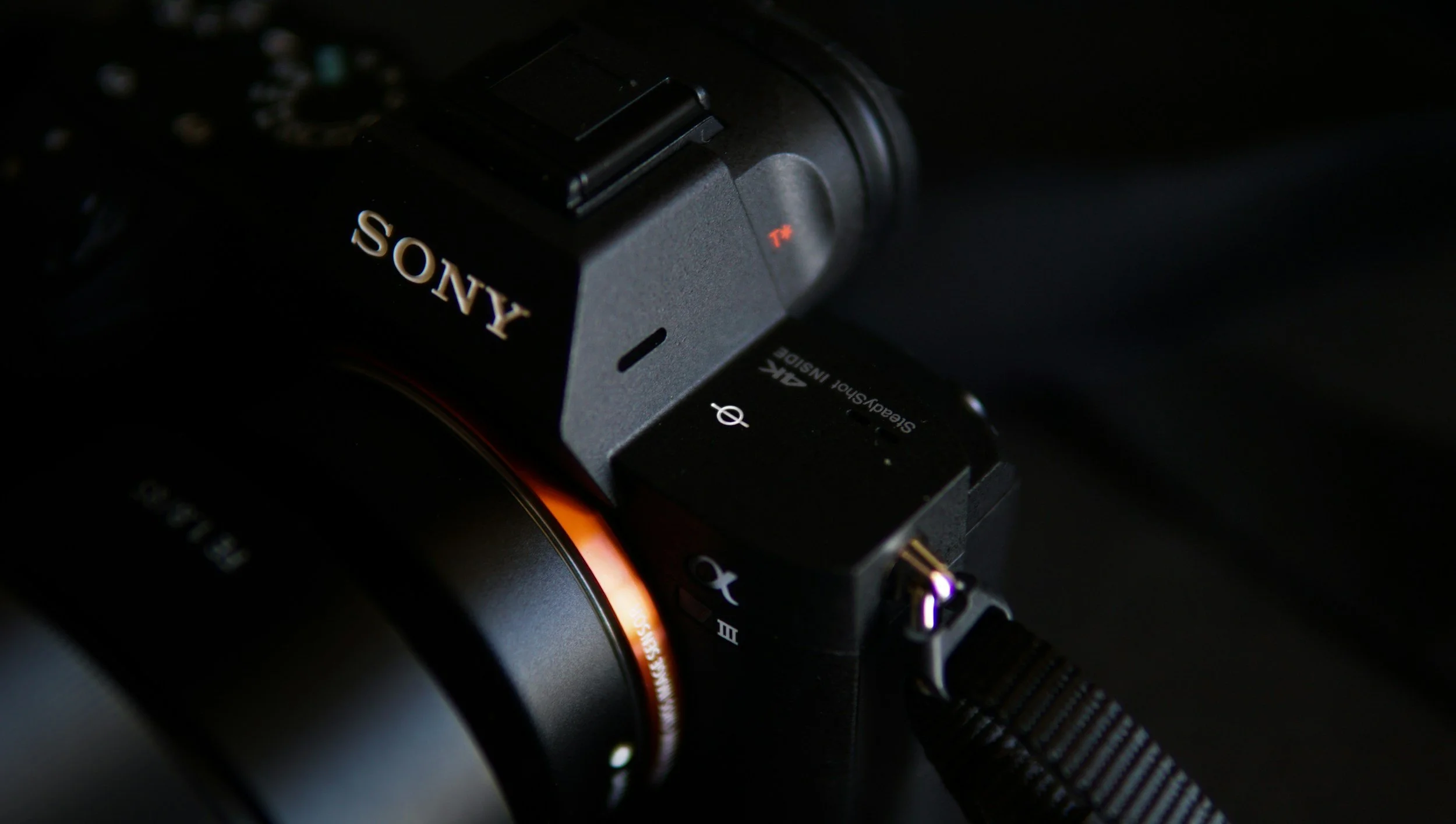
Embarking on your photographic journey can feel overwhelming, with a landscape cluttered by technical jargon and the persistent debate between mirrorless and DSLR technologies. The prospect of investing in what some label 'outdated' equipment can create significant hesitation. Yet, selecting the right digital slr for beginners remains one of the most structured and rewarding pathways to mastering the core principles of photography. It provides a tangible connection to the craft that is essential for foundational learning and long-term development.
This 2026 masterclass is designed to cut through that noise. Here at the Institute, we will provide a definitive framework for your decision, moving beyond mere specifications to focus on the features that genuinely foster creative growth. We will explore why the DSLR remains an unparalleled tool for learning, help you build a shortlist of suitable cameras, and set you on a clear path from acquiring your first piece of equipment to developing a professional-standard portfolio. Consider this your first, most crucial step towards achieving photographic distinction.
Key Takeaways
Learn which core features are non-negotiable for mastering the exposure triangle and building a strong technical foundation.
Understand the key distinctions between DSLR and mirrorless systems to determine why a traditional camera might still be the superior choice for your career development.
Utilise our Institute’s decision framework to select the right digital slr for beginners, aligning your choice with your primary photographic subjects and a realistic total system budget.
Discover why your camera is only part of the equation and how structured training is the true catalyst for transforming your work from amateur to portfolio-ready.
Defining the Digital SLR for Beginners in 2026
Even in an era dominated by mirrorless technology and computational photography, the Digital Single-Lens Reflex (DSLR) camera remains a cornerstone of photographic education. For the student dedicated to mastering the craft, understanding the principles of a DSLR provides an unparalleled foundation in the physics of light and the art of exposure. Its enduring appeal lies in a direct, tactile connection between the photographer and the scene, offering a pure, unmediated creative process. For the aspiring professional, a well-chosen digital slr for beginners is not merely a camera; it is the first step towards building a portfolio worthy of formal accreditation.
The Anatomy of a DSLR: Why the Mirror Matters
The defining characteristic of a DSLR is its internal mirror and pentaprism system. When you look through the optical viewfinder, you are not seeing a digital screen but the actual light passing through the lens. This light is reflected by a mirror up into a pentaprism, which corrects the image orientation before delivering it to your eye. Understanding what is a Digital SLR? means appreciating this analogue mechanism. This direct view, free from digital lag or interpretation, is instrumental for mastering composition and timing, allowing you to react to moments as they truly happen. The dedicated viewfinder also creates a focused environment, shielding your eye from distraction and encouraging a deeper connection with your subject.
DSLR vs. Smartphone: Crossing the Creative Threshold
While smartphones offer convenience, a DSLR represents the transition from casual snapping to intentional photography. The primary distinction lies in the sensor size; a DSLR's large sensor captures significantly more light and data, enabling superior image quality, richer colours, and the shallow depth of field essential for professional-looking portraits. Furthermore, the ergonomics of a digital slr for beginners are designed for learning. With dedicated dials for aperture, shutter speed, and ISO at your fingertips, you develop the muscle memory required to adjust settings instinctively-a skill that is fundamental to creative control and a core component of our practical training programmes. This is the threshold where you move beyond automated results and begin to truly craft an image.
Essential Features Every Entry-Level DSLR Must Have
Selecting your first camera is a foundational step in your photographic journey. Beyond brand names and marketing, a prospective student of the craft must focus on features that directly facilitate learning and growth. The ideal digital slr for beginners is not merely a device for capturing images, but a tool designed to teach you the principles of light and composition. It must provide immediate, tactile access to the exposure triangle-aperture, shutter speed, and ISO-and possess a versatile foundation that will support your development from enthusiast to accredited professional.
Sensor Size and Resolution: Beyond the Megapixel Myth
For the aspiring photographer, an APS-C (or 'crop') sensor represents the ideal starting point. This format provides an exceptional balance of image quality, manageable file sizes, and access to a broad range of affordable lenses. We recommend a resolution of approximately 24 megapixels as the sweet spot; this offers ample detail for significant enlargements and cropping flexibility without demanding excessive storage. Modern sensor technology in 2026 ensures that even entry-level bodies deliver outstanding low-light performance, producing clean, detailed images at higher ISO settings.
Manual Control Layout: The Interface of Mastery
To truly master exposure, your camera’s controls must become an extension of your creative intent. Physical buttons and dedicated dials are superior to touchscreen menus for developing muscle memory, allowing you to adjust settings without taking your eye from the viewfinder. A top-plate LCD provides at-a-glance confirmation of your settings, a feature often found on more professional bodies. When evaluating a digital slr for beginners, consider the one-dial versus two-dial debate; a two-dial system, allowing independent control over shutter speed and aperture, significantly accelerates the path to confident manual shooting. A deeper analysis of how to choose your first DSLR can further illuminate these critical ergonomic decisions.
Battery Life and Durability: The Hidden DSLR Advantages
One of the most practical, though often overlooked, advantages of a DSLR is its remarkable battery endurance. By relying on an optical viewfinder, DSLRs consume significantly less power than their power-hungry mirrorless counterparts, often lasting for over a thousand shots on a single charge. Furthermore, even entry-level professional bodies now feature a degree of weather-sealing, providing confidence when shooting in less-than-ideal conditions. This robust construction is essential for practical, on-location learning, such as that experienced during our intensive outdoor workshops at Ceconi Castle.
DSLR vs Mirrorless: Making an Informed Choice for Your Career
As the photography industry moves decisively toward mirrorless systems, with major manufacturers concluding development on new DSLRs, the aspiring professional faces a critical choice. However, this decision should not be framed as a simple matter of old versus new technology. Instead, it is an opportunity to select a tool that aligns with your learning style, your budget, and your long-term creative ambitions.
The Case for the DSLR: Tactile Learning and Value
For those embarking on their professional journey, the DSLR presents a compelling case rooted in value and foundational skill development. The mature secondary market offers an accessible entry point; professional-grade lenses for DSLR mounts can often be acquired for a fraction of the cost of their new mirrorless counterparts, allowing you to build a high-quality kit for under £1000. Furthermore, the unfiltered, lag-free view through an optical viewfinder provides an immediate connection to your subject, an advantage when capturing fast-moving action in sports or wildlife photography. This system encourages a mastery of fundamentals, as it requires you to understand exposure principles without the aid of a real-time digital preview-a discipline that builds a stronger photographic foundation.
The Transition Path: Is Your Gear Future-Proof?
A common concern is whether investing in a digital slr for beginners is a sound long-term strategy. Your most significant investment will be in high-quality lenses, not the camera body itself. Fortunately, this investment is highly transferable. With the use of a simple adapter, your entire collection of DSLR glass can be seamlessly mounted onto a future mirrorless body, ensuring your equipment evolves with you. The skills you acquire are even more transferable; mastering the core controls of a DSLR provides a robust understanding that applies to any camera system. Structured programmes offering professional training for DSLR beginners are designed to formalise this knowledge, preparing you for a successful career. Ultimately, the choice of camera is personal, and at the Institute of Wedding Photographers, our tutor-led feedback is tailored to help you achieve excellence, regardless of the equipment you choose.
How to Select Your First DSLR: The Institute’s Decision Framework
Selecting the right digital slr for beginners involves more than comparing technical specifications; it is about aligning technology with your creative vision. The Institute has developed a structured framework to guide your decision, ensuring your first camera becomes a true partner in your photographic journey rather than a technical hurdle. This methodical approach helps you invest wisely and with confidence.
Follow these four essential steps to make an informed choice:
Step 1: Define Your Primary Subject. Are you drawn to portraits, landscapes, or the fast pace of event photography? Your subject dictates the features that matter most.
Step 2: Set a Total System Budget. Your initial investment must account for the camera body, at least one quality lens, and essential training. A realistic budget might start from £600-£900 for a complete entry-level system.
Step 3: Test the Ergonomics. A camera must feel like an extension of your hand. Visit a retailer to hold different models. Consider the weight, grip, and placement of controls.
Step 4: Evaluate the Lens Ecosystem. The camera body is temporary, but your lenses are a long-term investment. Ensure the brand you choose offers a wide range of quality, accessible lenses for your future growth.
Matching Gear to Your Photographic Ambitions
An aspiring wedding photographer should prioritise a camera with excellent low-light performance and fast, accurate autofocus. Conversely, a landscape enthusiast will find greater value in high resolution and superior dynamic range to capture intricate details. The standard "kit lens" is a functional starting point, but upgrading it is often the first step a serious student takes to unlock their camera's true potential.
The Role of the Lens: Investing in Glass
We frequently advise students to acquire a 50mm f/1.8 prime lens-often called the "Nifty Fifty"-as their first upgrade. This lens offers superb sharpness and a wide aperture for beautiful background blur at an accessible price. Lenses hold their value far better than camera bodies, making them a wiser long-term investment. As you can see in our professional gallery, the choice of lens profoundly shapes the final image, influencing everything from perspective to mood.
Ultimately, the best equipment is that which empowers your creativity. At the Institute, our tutor-led programmes are designed to help you master the craft, transforming your passion into a recognised skill. Explore our courses to build the professional edge that truly elevates your photography.
From Gear to Gallery: Elevating Your Craft with Professional Training
Selecting your first camera is a significant and commendable step, but it is important to recognise that the equipment itself is only a small fraction of the professional equation. It is often said that the camera accounts for just 10% of a great photograph; the remaining 90% resides in the skill, vision, and technical mastery of the photographer. While a quality digital slr for beginners provides the potential, it is structured training that transforms that potential into tangible, professional results. True progression is achieved not merely by taking photos, but by learning to see, compose, and create with intention.
The Importance of a Structured Curriculum
While online tutorials offer a wealth of information, they often lead to fragmented knowledge, teaching isolated techniques without the foundational context. This approach can leave you with significant gaps in your understanding. A formal photography course, by contrast, provides a comprehensive programme designed for logical progression. The greatest benefit, however, lies in tutor-led feedback. This direct, expert critique is essential for refining your unique style and overcoming technical hurdles-an element entirely absent from self-guided learning. This structured mentorship accelerates your path towards earning recognised industry distinctions and achieving genuine competence.
Building a Professional Portfolio
The distinction between an amateur's collection of snapshots and a professional's portfolio is profound. A professional portfolio is not simply a gallery of your best images; it is a carefully curated body of work that demonstrates a consistent style, technical excellence, and a clear artistic voice. It is your visual curriculum vitae. Our workshops provide the controlled environments-complete with professional models, advanced lighting, and curated locations-necessary to create these high-end shots. These sessions are designed to help you get the very best from your equipment and build a portfolio that commands attention. For those with a defined career path in mind, exploring our wedding photography training dates in the UK is an excellent next step.
Your journey with a new digital slr for beginners has just started. The Institute of Photographers serves as the bridge between enthusiast and professional, providing the formal training and mentorship required to elevate your passion into a recognised and rewarding craft. We invite you to explore our programmes and begin the transformation from simply owning a camera to becoming a photographer.
Transforming Your Vision into a Vocation
Selecting your first camera is a significant milestone. As we have explored, understanding the essential features and the nuances between camera systems provides the framework for an informed choice. Yet, the most capable digital slr for beginners is merely the starting point; it is the artist behind the lens who truly creates compelling imagery. Your journey from enthusiast to accomplished photographer is defined not by your equipment, but by the mastery of your craft.
When you are ready to move beyond the technical and refine your creative voice, the Institute provides the structured guidance to achieve distinction. Our tutor-led mentorship programmes, accredited by the International Organization of Wedding Photographers (IOWP), offer the real-world professional feedback necessary to build a standout portfolio. With exclusive opportunities like destination workshops at Ceconi Castle, we provide the platform for your talent to flourish. Elevate your craft with the Institute of Photographers Academy.
The path to professional photography is a rewarding one. Embrace the learning process, and let your passion guide your lens towards a future of creative and commercial success.
Frequently Asked Questions
Is a DSLR still worth buying for a beginner in 2026?
Indeed, a DSLR remains an exceptional choice for those embarking on their photographic education. While mirrorless systems have advanced, the DSLR offers an unparalleled tactile learning experience through its optical viewfinder. The extensive range of affordable, high-quality lenses and the robust build of these cameras provide a solid, reliable foundation for mastering the core principles of photography. It represents excellent value and a direct, unfiltered connection to your subject, which is invaluable for developing your creative eye.
What is the best budget DSLR for a student starting this year?
For a student, the "best" DSLR is one that provides full manual control and reliability without an excessive financial outlay. Models such as the Canon EOS 250D or the Nikon D3500 are highly regarded for this purpose. They offer excellent image quality and access to a vast ecosystem of lenses. The priority should be a camera that facilitates learning the exposure triangle-aperture, shutter speed, and ISO-as this technical mastery is the true cornerstone of a photographic education.
Do I need a full-frame DSLR to be a professional photographer?
It is a common misconception that professional status is contingent on owning a full-frame camera. While full-frame sensors offer distinct advantages in low-light performance and depth of field control, they are not a prerequisite for a successful career. Many acclaimed professionals utilise APS-C cameras. The quality of your portfolio is determined by your skill in composition, lighting, and post-processing, not merely the size of your camera's sensor. Mastery of craft always outweighs equipment specifications.
Can I use a beginner DSLR for professional wedding photography?
While technically possible, using an entry-level DSLR for professional wedding commissions is not advisable. This specialism demands exceptional reliability, particularly features like dual memory card slots for immediate image backup, which beginner models lack. Furthermore, the superior low-light focusing and image quality of professional-grade bodies are essential for challenging reception venues. A beginner DSLR is a tool for learning, not for bearing the responsibility of a client's once-in-a-lifetime event.
How much should a beginner spend on their first DSLR setup?
A sensible initial investment for a complete beginner's setup in the United Kingdom typically falls between £450 and £700. This budget should comfortably secure a capable new DSLR body with a versatile 18-55mm kit lens. It is also prudent to allocate a portion of this for essential accessories, including a reliable memory card, a spare battery, and a protective camera bag. This measured expenditure provides a comprehensive starting point without being prohibitive.
Is it better to buy a new entry-level DSLR or a used professional one?
This decision rests on your priorities. A new entry-level digital SLR for beginners offers the assurance of a manufacturer's warranty and the latest user-friendly features, creating a straightforward path to learning. Conversely, a well-maintained, used professional model can provide superior build quality, faster performance, and more advanced controls for a similar price. For those willing to research and purchase from a reputable source, a used professional body can be a remarkable long-term investment.
What is the most important lens for a beginner DSLR user to buy first?
The 18-55mm kit lens included with many DSLRs is an excellent and versatile starting point, covering wide-angle to portrait perspectives. However, the first lens to purchase thereafter should be a 50mm f/1.8 prime lens. This affordable optic is transformative for a beginner; its wide aperture allows for shooting in low light and creating beautiful background blur (bokeh), teaching a student to work creatively with depth of field and to refine their compositional skills.
How long does it take to learn how to use a DSLR in manual mode?
The time required to gain confidence in manual mode is dependent on the student's dedication. With consistent practice and structured guidance, the fundamental relationship between aperture, shutter speed, and ISO can be understood within several weeks. Achieving true mastery, where adjustments become intuitive and second nature, is a longer journey of continuous refinement. This process is central to elevating your work from a simple snapshot to a considered, professional photograph.