
What Is an Institute of Photography? A Guide for Aspiring Professionals
or the dedicated photographer, the journey from passionate enthusiast to recognised professional can feel both inspiring and uncertain. The digital world presents a bewildering array of tutorials and workshops, yet a clear, structured path to genuine mastery often remains obscured. This is precisely where a formal institute of photography provides essential direction, offering a depth of learning that transcends fleeting online trends. It delivers a meticulously designed curriculum, expert mentorship, and the formal accreditation necessary to build a credible career.
This guide is designed to provide you with the clarity needed to make an informed decision about your future. We will explore the distinct advantages of an institute-led education, from developing a professional-grade portfolio to receiving personalised, tutor-led feedback. You will learn how to differentiate between quality programmes and marketing gimmicks, ensuring your investment of time and resources is a confident step towards transforming your artistic vision into a sustainable and respected profession.
Key Takeaways
Understand how a specialised institution provides the practical training needed to bridge the gap between amateur passion and professional practice.
Learn to evaluate a photography programme by assessing the professional standing and active industry experience of its tutors.
Compare distinct educational models to determine whether an institute of photography, a university degree, or an online platform best aligns with your career goals.
Utilise a structured checklist to define your personal photography ambitions and select an institution that will help you achieve them.
Defining an 'Institute of Photography' in 2026
In an era saturated with digital content, the term ‘photography course’ can mean anything from a brief online tutorial to a multi-year academic pursuit. An institute of photography, however, occupies a distinct and vital space. It is a specialised institution dedicated to advanced, practical training, designed with a singular purpose: to bridge the critical gap between amateur passion and professional practice. It moves beyond the unstructured learning of online videos to provide a formal, guided pathway toward technical mastery and commercial viability, equipping aspiring photographers with the craft, confidence, and industry awareness required to build a sustainable career.
Beyond Online Courses: The Hallmarks of a True Institute
Unlike a fragmented collection of online tutorials, a true institute offers a cohesive learning journey. Its value is defined by three core pillars: a structured curriculum designed for tangible career outcomes, direct access to experienced professional photographers as tutors and mentors, and an unwavering commitment to helping you build a professional-grade portfolio. This tutor-led feedback and structured progression are what transform technical skill into a refined, marketable craft, an outcome that self-guided learning rarely achieves with such efficiency and distinction.
Institute vs. University: Understanding the Key Differences
The distinction between an institute and a university is equally important. While a university degree in photography often emphasises academic theory, critical analysis, and historical research over a multi-year structure, an institute focuses on intensive, practical application. The model, exemplified by world-renowned organisations like the International Center of Photography, prioritises hands-on learning and industry-specific skills. Programmes are typically shorter, more specialised, and designed for adults seeking to accelerate their careers or transition into the profession, rather than for school leavers embarking on their first degree. The objective is not just to understand photography, but to practise it at a professional standard.
Ultimately, a modern institute of photography serves as a professional crucible. It is where raw talent is refined, creative vision is focused, and a passion is formalised into a recognised, credible profession. It provides the essential framework for photographers to not only create compelling images but also to navigate the commercial landscape with authority and skill.
The Core Pillars of a World-Class Photography Institute
Selecting the right educational path is a critical decision for any aspiring photographer. Beyond the prospectus, a truly world-class institute of photography is built upon several foundational pillars. These criteria separate a standard course from a transformative professional programme, ensuring your investment of time and resources yields tangible career results. When evaluating your options, consider these four essential components.
Expert-Led Mentorship vs. Automated Feedback
The most profound learning occurs under the guidance of a seasoned professional. An accomplished mentor provides personalised, constructive critique that automated systems cannot replicate. This direct feedback accelerates your development, helps you navigate common creative and technical pitfalls, and refines your unique artistic voice. Prioritise institutions that guarantee one-to-one or small-group interaction with tutors who are active and recognised in the industry.
A Curriculum Built for Professional Realities
Artistic vision must be paired with commercial acumen. An exceptional curriculum prepares you for the realities of the profession by integrating modules on marketing, pricing strategies, and client communication. Globally renowned programmes, such as the School of the Art Institute of Chicago's photography department, exemplify this balance. The learning should be practical and hands-on, culminating in a professional portfolio designed to attract your ideal clients.
The Power of a Professional Network
Your education should provide more than just technical skills; it should be your entry into the professional photographic community. Learning alongside ambitious peers creates a valuable network of future collaborators and contacts. A distinguished institute of photography will also facilitate access to industry bodies, competitions, and exclusive events, providing a crucial support system that extends far beyond the duration of your course.
Finally, the ultimate measure of an institution is the success of its graduates. Look for verifiable testimonials and a consistent gallery of high-quality student work. This evidence demonstrates not only the effectiveness of the teaching but also the calibre of the creative environment you will be joining. These core pillars-expert mentorship, a career-focused curriculum, a strong network, and proven results-are the hallmarks of an education that will truly elevate your craft.

Choosing Your Path: Comparing Photography Education Models
Selecting the right educational path is a critical first step toward a professional photography career. The landscape offers diverse models, each with distinct advantages and considerations. Understanding these differences is key to making an informed decision that aligns with your personal aspirations, financial circumstances, and desired career trajectory. Below, we compare three primary routes: a specialised institute, a traditional university degree, and self-led online learning platforms.
FactorSpecialised InstituteUniversity DegreeOnline-Only PlatformTime CommitmentIntensive, 6-18 months3-4 years (full-time)Flexible, self-pacedCost & ROIMid-range (£5k - £15k); focused investment for rapid career entry.High (£27k+ tuition); long-term debt, broader academic focus.Low (£20 - £200 per course); slower, less certain ROI.Learning StyleStructured, practical, tutor-led feedback, portfolio-focused.Theoretical, academic, research-based, less industry contact.Isolated, video-led, minimal personalised critique.Career FocusSpecialised commercial work (e.g., portrait, wedding, fashion).Fine art, academia, curatorship, generalist foundation.Hobbyist skills, supplemental learning, undefined career path.
The Investment: Analysing Cost vs. Career Acceleration
While the initial outlay for a dedicated programme at an institute of photography may seem significant, it is best viewed as a direct investment in your earning potential. The structured curriculum and industry focus are designed to accelerate your transition from student to professional, enabling a much faster return on investment. This contrasts sharply with the fragmented, self-led nature of online courses, which, despite their lower cost, often fail to provide the cohesive portfolio and professional network required to secure paid commissions.
Specialist Niche vs. Generalist Foundation
In today’s competitive market, specialisation is paramount. Clients seek photographers with demonstrable expertise in a specific genre. A specialised institute provides this deep, marketable knowledge, equipping you with a portfolio that speaks directly to a target client base. While a university degree offers a broad artistic foundation, it can leave graduates without a clear professional direction. Industry bodies like the American Society of Media Photographers (ASMP)emphasise that a defined niche is fundamental to building a sustainable photography business, a principle central to our focused training approach.
Your Checklist: How to Select the Right Institute For You
Selecting an educational home for your photography is a decision that shapes not just your portfolio, but your entire professional trajectory. To navigate this choice with confidence, a structured approach is essential. This checklist is designed to help you evaluate your options with the clarity and rigour that your creative ambitions deserve, ensuring you find the right institute of photography to elevate your craft.
Consider these four critical steps in your assessment process:
Step 1: Define Your Personal and Professional Goals. Before assessing any programme, you must first assess yourself. Are you pursuing photography as a dedicated hobbyist seeking mastery, or are you aiming to build a sustainable career? Your answer forms the foundation of your search.
Step 2: Scrutinise the Tutors' Experience. Look beyond impressive portfolios. A distinguished photographer is not always a distinguished educator. Investigate their teaching experience, their approach to feedback, and their active involvement in the contemporary industry.
Step 3: Review the Curriculum Balance. A superior programme cultivates both artistic vision and commercial acumen. The curriculum should demonstrate a clear pathway from foundational techniques to advanced creative concepts, while also providing essential training in business, marketing, and client relations.
Step 4: Look for Evidence of Graduate Success. The most reliable measure of an institute’s value is the work and career progression of its alumni. Seek out graduate portfolios, testimonials, and information on their professional achievements post-graduation.
Aligning the Programme with Your Career Ambitions
Your specific career path dictates the type of training you require. Whether you aspire to become a wedding photographer, a commercial specialist, an editorial storyteller, or a fine art practitioner, ensure the institute's specialisations align with your focus. Do not hesitate to ask admissions staff about the typical career destinations of their graduates; a transparent institution will provide this information willingly.
Seeking Proof: Testimonials and Graduate Portfolios
Move beyond brief marketing copy and look for detailed case studies or in-depth reviews that speak to the student experience. When you analyse graduate portfolios, assess them for technical excellence, creative consistency, and a distinct professional quality. A reputable institute will be proud to showcase the work of its alumni, offering a clear benchmark for the standards you can expect to achieve through structured professional training.
Our Philosophy: The Institute of Photographers' Approach
Effective photography training moves beyond theoretical knowledge and into the realm of applied artistry. It requires structured guidance, practical experience, and dedicated mentorship to transform passion into a profession. At our institute of photography, we have built our entire philosophy around this principle. We provide a clear, supportive, and intensive pathway designed to elevate your craft, refine your business acumen, and establish your name within the competitive world of professional photography.
A Focus on Mastery in Wedding Photography
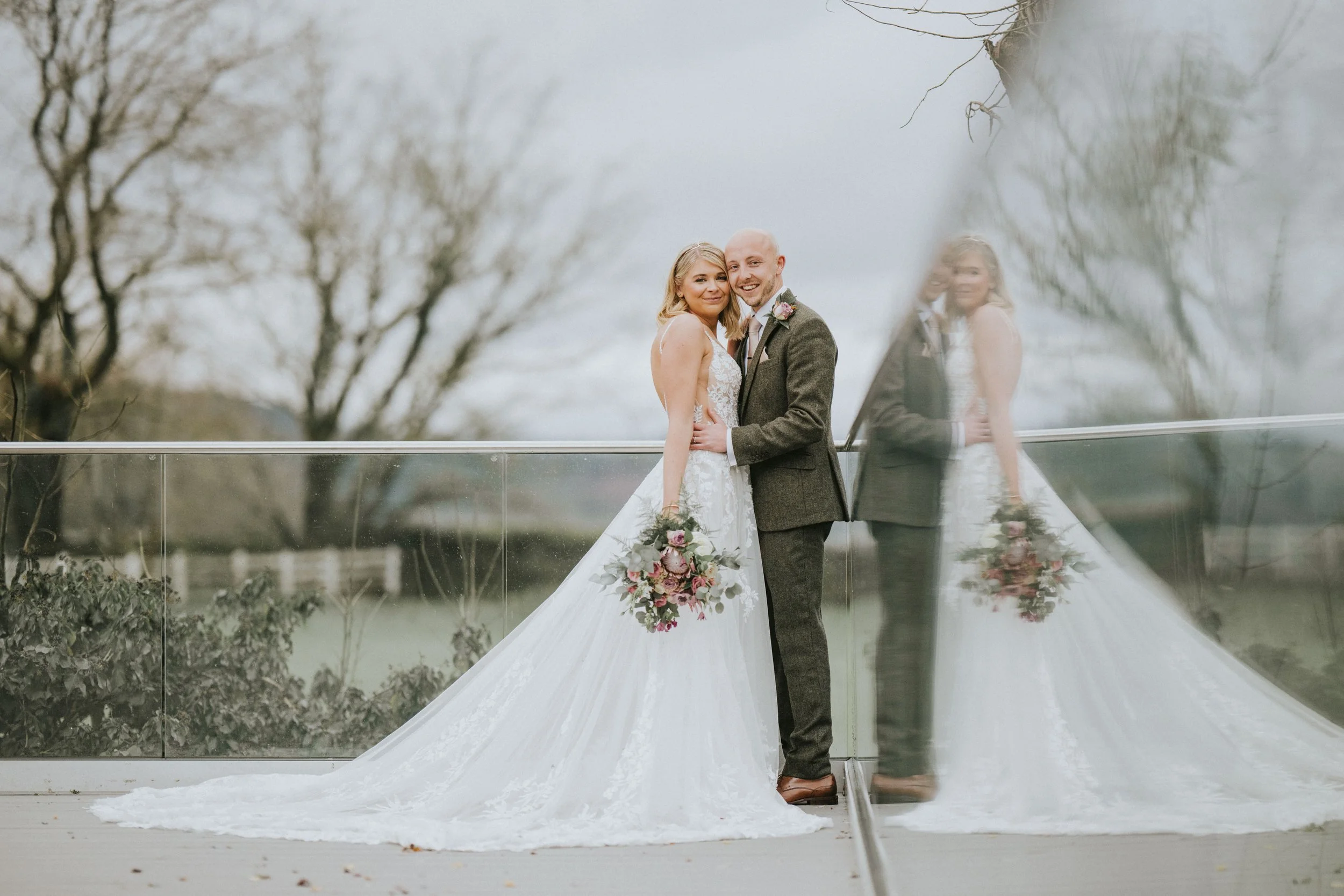
We believe that true creative and commercial success is born from specialisation. Rather than offering a generalist curriculum, our programmes are meticulously designed to cultivate elite wedding photographers. We guide you through the intricate art of directing couples, mastering dynamic lighting in challenging venues, and weaving compelling visual narratives that define high-end wedding albums. Our focus is singular: to provide you with the comprehensive skills needed to excel in one of photography’s most demanding and rewarding fields.
Immersive Learning: From London to Italian Castles
True learning happens when you are fully immersed in your craft. We take education beyond the confines of a traditional classroom with our hands-on portfolio builder days and exclusive destination workshops. Imagine refining your skills not in a studio, but within the historic walls of an Italian castle or against the iconic backdrop of London. These experiences are designed for unparalleled creative immersion, allowing you to build a world-class portfolio in breathtaking, real-world locations that will captivate discerning clients.
Join a Community of Excellence with the IOWP
Your education with the Institute is the beginning of your professional journey. Through our deep-rooted connection with the International Organization of Wedding Photographers (IOWP), our students gain an immediate professional advantage. This affiliation provides a direct route to industry recognition, access to professional awards, and entry into a global network of esteemed colleagues. We provide the tools and community support to ensure a seamless transition from dedicated student to respected, accredited professional.
Our approach is a commitment to your entire career trajectory. We provide the structure, the inspiration, and the professional validation necessary to achieve distinction. Explore our intensive photography workshops and mentorship programmes to begin your journey toward mastery.
Defining Your Future in Professional Photography
Choosing your educational path is the foundational step towards a successful career. As we have explored, a true photographic institution provides not just technical training, but a structured framework for creative mastery and professional recognition. It is about finding a place that aligns with your specific ambitions and provides a clear pathway to achieving them.
At The Institute of Photographers, we embody these principles. As an institute of photography managed by the International Organization of Wedding Photographers (IOWP), our focus is on providing a professional edge through a specialised curriculum. Our intensive, tutor-led workshops in iconic locations like London, Paris, and Italy are designed to refine your craft under expert guidance, transforming your vision into a viable, respected profession. Your journey from aspiring artist to accredited professional is a significant one. If you are ready to take that definitive step, we invite you to Discover the programmes designed to elevate your photography career.

Frequently Asked Questions
Is an institute of photography worth the investment?
An investment in a formal photography programme offers far more than technical skills. It provides a structured curriculum, personalised tutor feedback, and access to a professional network. This guided environment helps you to refine your creative vision and build a distinguished portfolio, which is essential for a viable career. While self-teaching is possible, the accreditation and disciplined approach of an institute of photography can significantly accelerate your progression from enthusiast to recognised professional, providing a clear return on your commitment.
What's the difference between a photography certificate and a diploma?
A certificate programme typically offers focused training in a specific area of photography, such as studio lighting or digital post-production, and is completed in a shorter timeframe. A diploma, conversely, represents a more comprehensive and in-depth course of study. It covers a broader range of technical and theoretical subjects, designed to provide the foundational knowledge and practical mastery required to launch a professional career. A diploma often culminates in the creation of a substantial, career-ready portfolio.
Can I become a professional photographer without a formal degree or diploma?
It is certainly possible to build a career as a self-taught photographer, as talent and a strong portfolio are paramount in this industry. However, pursuing this path requires immense self-discipline and the ability to build a professional network independently. A formal qualification from a respected institution provides a structured pathway to mastery, offers valuable industry connections, and lends a significant degree of credibility to your practice, which can be instrumental in securing commissions and clients early in your career.
How long does a programme at an institute of photography typically take?
The duration of a photography programme varies depending on the qualification's depth and intensity. A focused certificate course may be completed in a matter of months, offering specialised skills in a condensed format. A comprehensive diploma programme, designed to prepare you for a professional career, typically requires between one to two years of dedicated study. Many institutions also offer flexible part-time options to accommodate students with existing commitments, allowing the programme to be completed over a longer period.
What qualifications do I need to apply to an institute of photography?
Entry requirements vary between institutions, but most value creative potential and dedication above formal academic qualifications. While some programmes may require GCSEs or A-Levels, a compelling portfolio of your existing work is often the most critical component of an application. Institutes are primarily looking for evidence of a keen visual eye, a passion for the craft, and a clear commitment to developing your skills. A well-considered personal statement outlining your creative ambitions is also highly regarded.
Do institutes of photography help with job placement after graduation?
Reputable institutes are deeply invested in their students' professional success and provide robust career support. While they do not typically offer direct job placement, they equip you with the tools for a successful career. This includes professional practice modules, portfolio reviews with industry experts, networking events, and access to exclusive job boards and alumni networks. The focus is on empowering you to confidently navigate the industry and secure opportunities that align with your refined creative and commercial skills.
What is the most respected photography institute in the UK?
The "most respected" institute often depends on an individual's career aspirations, whether they seek an academic university experience or a more vocationally focused programme. Universities such as Falmouth and the University of the Arts London are highly regarded for their degree programmes. Simultaneously, dedicated bodies like The Royal Photographic Society offer prestigious distinctions, while specialist institutes provide accredited diploma courses renowned for their practical, industry-focused training and strong tutor-led guidance. It is wise to research which institution's ethos best matches your goals.
How much do courses at an institute of photography cost?
The cost of a photography course in the UK can vary significantly based on the programme's length and prestige. Short workshops or online certificate courses may range from a few hundred to over £2,000. A comprehensive, tutor-led professional diploma from a recognised institute of photography can represent a more substantial investment, typically ranging from £8,000 to £15,000 or more for a full-time programme. These fees generally cover tuition, access to studios and equipment, and expert mentorship.