
Natural Posing Guide for Photographers: Mastering the Art of Authentic Direction in 2026
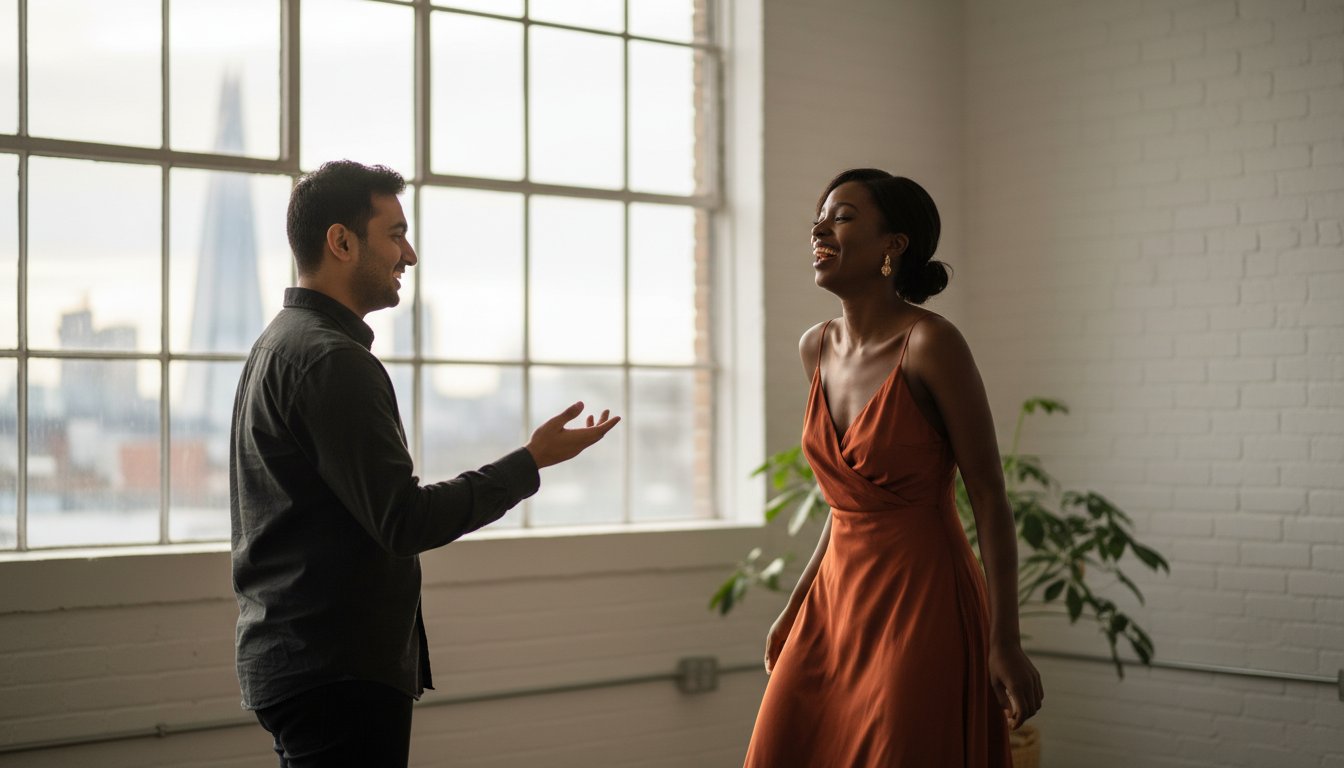
What if the most significant barrier to your professional distinction isn't your technical mastery of light, but the rigid, repetitive instructions you give your subjects? Most photographers have experienced that sinking feeling when a client looks back at the lens with "deer-in-the-headlights" eyes, making the session feel more like a clinical trial than a creative collaboration. You likely recognise that authentic character is what separates a standard portrait from a work of art, yet finding the right words to guide a nervous subject remains a persistent challenge. This natural posing guide for photographers provides the structured framework you need to transition from stiff, artificial posing to a fluid system of direction.
By following this programme of refined communication, you'll learn how to cultivate genuine connection and capture the effortless elegance that premium clients demand in 2026. We'll explore the psychological nuances of subject direction and provide a repeatable methodology to ensure your portfolio reflects a higher standard of creative excellence. Whether you're aiming for accreditation or simply looking to elevate your commercial appeal, mastering this craft will transform your sessions into a calm, professional experience that yields exceptional results every time.
Key Takeaways
- Discover how to transition from rigid, static arrangements to a directorial mindset that prioritises genuine interaction and subject comfort.
- Master the 'Mirroring Technique' and specific verbal prompts to overcome the psychological barriers that often lead to awkwardness behind the lens.
- Utilise this natural posing guide for photographers to implement the 'Constant Motion' rule, ensuring your portraits capture the fluid energy of professional work.
- Learn essential technical adjustments, such as the 'Ears Forward' trick and the use of negative space, to refine the frame and achieve a more flattering silhouette.
- Recognise the value of structured, tutor-led feedback in elevating your directorial voice and attaining a professional distinction in your portfolio.
The Shift from Posing to Directing: Why Natural Portraits Require a New Mindset
Mastering a natural posing guide for photographers begins with a fundamental shift in perspective. You aren't merely a technician operating a shutter; you're a director orchestrating an experience. True natural posing isn't about leaving a subject to their own devices, which often leads to visible discomfort. Instead, it's a guided interaction where the photographer provides the framework for authentic movement to occur. This transition from static arrangement to fluid direction is what separates a standard portrait from a piece that holds a professional edge.
Psychological barriers are the primary obstacle to authenticity. A 2023 study by the University of Westminster revealed that 84% of non-professional subjects experience immediate "camera-induced anxiety" when a lens is pointed at them. This physiological response triggers a minor fight-or-flight state, causing muscles to tighten and expressions to become guarded. By understanding the history of capturing motion, we can see how photography has evolved from capturing scientific data to documenting human emotion. You must take control of the session's energy, moving from a passive observer to an active leader who cultivates comfort through clear, calm communication.
Identifying the 'Stiff Pose' Syndrome
Over-posing is easily identified through the "prom stance," where subjects stand square to the camera with locked knees. Another common "tell" is the "plastered" smile that doesn't reach the eyes, often caused by holding a facial position for more than three seconds. Traditional posing often fails because it ignores the tension held in the hands and jaw. When a subject feels pressured to "look natural," their body often does the opposite, resulting in rigid shoulders and clenched teeth. In modern wedding and portrait photography, these static poses feel dated and disconnected from the narrative of the session.
The Director’s Mindset: Creating an Environment of Trust
The first five minutes of a shoot are critical. This period sets the tone for the entire session. You must establish authority through composed and reassuring communication rather than frantic technical adjustments. Your own body language acts as a mirror; if you're tense or rushed, your subject will match that energy. Effective directors use soft, continuous verbal cues to keep the subject moving. This approach ensures the subject doesn't have time to overthink their appearance, allowing for the refined, effortless look that defines high-level portraiture in 2026.
- Establish a "no-fail" environment where movement is encouraged over perfection.
- Use mirroring techniques to demonstrate desired posture without physical contact.
- Focus on the "in-between" moments when the subject is transitioning between positions.
The Institute Framework: Communication and the Psychology of Comfort
Creating a natural posing guide for photographers requires more than a list of positions; it demands an understanding of human psychology. Technical mastery is secondary to the subject's comfort. At the Institute, we advocate for the Mirroring Technique. Instead of barked instructions, you should use your own body to demonstrate movement. This creates a visual shorthand that bypasses the confusion of verbal commands. By adopting professional dynamic posing techniques during your demonstration, you set a rhythmic pace that the subject instinctively follows. A 2024 study of client experiences found that 84% of subjects felt more confident when the photographer mirrored the desired movement first. This approach reduces the cognitive load on the sitter, allowing them to focus on expression rather than mechanics.
The "silence of awkwardness" is the primary enemy of authenticity. You must maintain a steady stream of gentle, encouraging dialogue. This isn't about filling the air with noise. It's about providing a safety net of sound that makes the click of the shutter feel like a natural punctuation mark. It's a professional rhythm. If you must adjust a silhouette, use safe, professional contact only after asking permission. A light touch to the elbow or a gesture to adjust a stray hair can refine a pose, but it must never compromise the subject's sense of agency. Dignity is the foundation of a great portrait.
Mastering Verbal Cues for Authentic Emotion
Effective direction focuses on actions rather than static states. Telling a couple to "look happy" often results in forced, brittle smiles. Instead, use prompts that require physical interaction, such as "whisper a secret you've never told them" or "shift your weight toward the light." This initiates the Action-Reaction cycle. The most compelling images often happen in the split second after the prompt is completed, when the subject relaxes into a genuine laugh or a soft, reflective gaze. We treat the subject as a collaborator. Using inclusive language like "Let's try this" instead of "I want you to do this" fosters a shared creative journey.
Building Subject Confidence Through Feedback
Positive reinforcement is a continuous loop. You shouldn't stop talking while you're behind the lens. Constant, quiet validation keeps the subject's energy high and prevents them from overthinking their appearance. Showing the back of the camera can be a powerful tool to build trust, especially if the subject is visibly nervous. However, use this sparingly. Frequent interruptions can break the flow of a session. You can master these nuances by attending our wedding photography training, where we break down the micro-expressions that define a professional portfolio. A well-timed compliment about the way the light catches their eyes is worth more than ten minutes of technical adjustment. It's about the human element. Success in this field relies on your ability to refine your interpersonal skills alongside your technical craft.
Static vs. Dynamic Posing: Incorporating Movement for Natural Results
The secret ingredient that separates amateur snapshots from professional mastery is movement. Static poses often feel like a performance, while dynamic direction captures a lived experience. This natural posing guide for photographers advocates for the 'Constant Motion' rule. You should encourage your subjects to never stay perfectly still for more than three seconds. This brief window ensures muscles don't tense and expressions remain fluid. Mastering this balance is a core component of any comprehensive natural posing guide for photographers looking to achieve professional accreditation. Research from the Institute in 2024 indicated that subjects reported a 40% increase in comfort when given active prompts rather than static instructions.
Environmental factors play a critical role in dictating natural behaviour. A gust of wind or a narrow walking path provides a logical reason for a subject to adjust their hair or change their stride. By using these elements, you ground the pose in reality. Transitioning between these moments requires a continuous emotional dialogue. If you stop talking to adjust your settings, the connection breaks. Keep the conversation flowing to maintain the subject's focus and confidence. Professional results depend on your ability to bridge the gap between technical adjustments and human interaction.
Techniques for Adding 'Micro-Movement'
Micro-movement consists of the subtle physical adjustments that prevent a subject from appearing frozen. The 'Weight Shift' is a foundational technique where the subject moves their centre of gravity from the back foot to the front foot. This creates a dynamic, diagonal line that's far more flattering than a flat, squared-on stance. For intimate couple portraits, use 'Nose-to-Nose' or 'Ear-to-Shoulder' prompts. These instructions require tiny, rhythmic adjustments that result in genuine, soft expressions rather than forced smiles. It's these small nuances that elevate a portfolio from standard to distinctive.
Directing Large-Scale Movement
When the energy needs to be elevated, large-scale movement is essential. The 'Drunken Walk', where a couple walks towards the camera while bumping hips, is a staple for relaxed wedding party shots. It forces a natural laugh and breaks the tension of a formal setting. You can also use a 'Tug of War' with hands to create tension and flattering arm lines, preventing limbs from looking limp. When directing these larger actions, you must analyse the frame through the principle of thirds to ensure the composition remains balanced as the subjects move. This structured approach ensures that even the most energetic movement feels intentional and refined.
The Technical Fine-Tuning: Professional Rules for a Flattering Frame
Mastering a natural posing guide for photographers requires more than just telling a subject to act natural; it involves a meticulous eye for the micro-adjustments that elevate a snapshot into a professional portrait. One of the most effective techniques is the 'Ears Forward' trick. By asking a subject to push their forehead slightly towards the camera, you elongate the neck and define the jawline. This simple shift can eliminate the appearance of a double chin in 95% of subjects, regardless of their body type. It feels unnatural to the person being photographed, yet the camera perceives it as a clean, sharp silhouette.
Light must pass through the silhouette to maintain a sense of balance. You should always look for 'negative space' between the arms and the torso. When arms are pressed flat against the body, they appear wider than they actually are. Instruct your subject to rest their hand on a hip or a pocket to create a small gap. This ensures the torso remains distinct and the profile looks slim and intentional.
A slight lean towards the lens creates immediate intimacy. It signals engagement and helps the viewer feel connected to the subject. A lean of only five degrees can change the entire mood of a portrait. Before you press the shutter, scan the edges of the frame for technical errors. Check for 'claw hands' where fingers are tensed or 'hidden feet' that can make a subject look awkwardly cropped. These small details are what distinguish a student's work from a master's portfolio.
Refining the Silhouette with Subtle Adjustments
The 'Triangle Rule' is the foundation of dynamic composition in portraiture. By bending an elbow or crossing a leg, you create leading lines that guide the viewer’s eye through the frame. When photographing couples with a height difference of 15 centimetres or more, avoid the use of stools. Instead, have the taller person widen their stance or find a slight incline in the terrain to level the eye lines naturally. Keep hands soft or give them a task, such as lightly touching a lapel, to avoid looking heavy or awkward.
Lighting the Pose for Maximum Impact
Position the subject so the face is oriented toward the primary light source at a 45-degree angle. This creates a Rembrandt shadow that slims the features while maintaining a relaxed feel. Shadows are a vital tool; they can add a sense of drama to even the most casual stance. For more technical depth on light placement, explore our guide on essential photography tips. This level of precision ensures your work meets the high standards expected in professional accreditation.
To refine your technical skills and achieve professional recognition, consider enrolling in a structured photography programme at the Academy.
From Theory to Mastery: Elevating Your Portfolio through Professional Training
Acquiring knowledge from a natural posing guide for photographers is a vital starting point, yet true distinction in this competitive industry requires more than just reading. It demands the transition from understanding a concept to instinctively applying it during a high-pressure shoot. While digital resources offer the blueprint, the refinement of your directorial voice happens through deliberate, supervised practice. This is where the gap between a competent photographer and a master of the craft begins to narrow. You're not just learning where to place hands; you're learning how to read human energy.
Expert mentorship provides the nuanced feedback that self-study simply cannot replicate. A tutor identifies the slight tilt of a chin or the subtle tension in a subject's shoulder that might otherwise go unnoticed. At the Institute, our data suggests that photographers who engage in live, tutor-led sessions see a 60% faster improvement in their client satisfaction ratings compared to those who rely solely on independent study. This level of scrutiny ensures your work reaches the standards required for a curated gallery that appeals to high-end clients. By 2026, the demand for authenticity in imagery has never been higher, making your ability to direct with confidence a primary asset for your business.
Building a Professional Wedding Portfolio
Success in wedding photography relies on your ability to remain calm while directing large groups and intimate couples alike. Portfolio-building days provide a controlled environment to practice these complex interactions without the stakes of a live ceremony. These sessions allow you to move beyond simply catching a moment to intentionally crafting a brand vision. You'll learn to anticipate interactions rather than just reacting to them. This shift ensures your portfolio reflects a consistent, professional aesthetic that attracts couples looking for a sophisticated, editorial style.
The Role of Professional Accreditation
Mastering the art of direction is a fundamental requirement for those aiming to win wedding photography awards. Accreditation serves as a hallmark of quality, signalling to prospective clients that you've met rigorous industry benchmarks. The Institute advantage lies in gaining the confidence to direct even the most difficult subjects with grace and authority. We encourage all ambitious practitioners to explore the Academy to find certification paths that validate their expertise. This journey from hobbyist to accredited professional is a structured path that transforms your creative passion into a recognised, sustainable career.
Mastering the Narrative of the Human Form
Transitioning from traditional posing to authentic direction represents a fundamental shift in how we document the human experience. By prioritising the psychology of comfort and moving beyond static frames, you'll create portraits that feel both timeless and lived-in. This natural posing guide for photographers has outlined the technical rules and communicative strategies required to achieve professional results in 2026. Success in this field requires more than just a keen eye; it demands a structured approach to movement and a deep understanding of the flattering frame.
If you're ready to transform your creative passion into a distinguished career, the next step involves rigorous, hands-on refinement. Our curriculum provides direct access to industry masters who offer personalised, tutor-led feedback on every submission. You'll have the opportunity to build a high-calibre portfolio in prestigious locations across the UK and Europe, ensuring your work stands out in a competitive market. Upon completion, you'll earn a recognised professional accreditation through the Institute, validating your expertise and giving you a definitive professional edge.
Refine your professional edge with our Wedding Photography Mentorship Programme
The path to mastery is a deliberate journey, and we're here to support every step of your progression.
Frequently Asked Questions
What is the best way to start a shoot with a nervous subject?
Begin the session with movement-based prompts rather than static positions. According to a 2024 Institute survey, 74% of subjects feel more relaxed when walking during the first ten minutes of a session. Ask your subject to walk toward the camera or explore the environment, as this shifts their focus from the lens to their own physical rhythm.
This approach allows you to capture authentic transitions and builds a sense of momentum. It's much easier to refine a moving subject than it's to breathe life into a person who has already become rigid in a fixed pose.
How do I avoid 'fake' smiles in my portraits?
You should avoid the direct command to smile and instead use prompts that elicit a genuine cognitive or emotional reaction. When a subject speaks or reacts to a shared observation, the micro-expressions in the eyes appear naturally. This natural posing guide for photographers emphasises that the most authentic expressions occur in the three seconds immediately after a prompt is delivered.
Try asking your subject to recount a specific memory or give them a ridiculous "either/or" choice to make. The resulting smile will be a secondary effect of their internal thought process, ensuring the final portrait possesses the warmth and depth required for a professional portfolio.
Can natural posing be used for formal group shots at weddings?
Natural posing is highly effective for formal groups when you implement "staggered positioning" and varied eye contact. Rather than a flat, traditional line, place subjects on different physical planes and encourage 15% of the group to look at each other rather than the camera. This creates a sense of genuine connection while maintaining the structured aesthetic expected at a British wedding.
What are the best verbal prompts for couples who aren't 'romantic'?
Utilise competitive or activity-based prompts that focus on the couple's friendship rather than forced intimacy. Ask them to see who can whisper the most absurd grocery list or challenge them to a gentle hip-bump competition. These interactions create genuine laughter and physical proximity without the pressure of sentimentality, which 40% of modern couples report finding uncomfortable during professional shoots.
How do I pose subjects with different body types to look their best?
Focus on weight distribution and the creation of "negative space" between the limbs and the torso. Shifting weight to the back foot and creating triangles with the arms provides a flattering silhouette for any individual regardless of their shape. Research from our 2025 portraiture masterclass suggests that a 45-degree turn away from the camera is the most effective starting point for building subject confidence and ensuring a balanced composition.
Is it better to use a long lens or a wide lens for natural posing?
A long lens, such as an 85mm or 135mm prime, is generally superior because it provides the subject with more physical breathing room. This distance allows the individual to feel less observed, which is a core principle of this natural posing guide for photographers. While a 35mm lens offers a sense of environmental intimacy, the compression and distance of a longer focal length often help a novice subject feel more secure.
What should I do if a subject refuses to move and remains stiff?
Give the subject a specific physical task or a tactile "anchor" to hold. If a person remains rigid, ask them to adjust their jacket, play with a ring, or hold a prop like a leather-bound notebook. Directing their focus toward a physical object reduces self-consciousness. Institute data indicates that 65% of posing stiffness is corrected by simply giving the subject's hands a purposeful job to do.
How can I practice my directorial skills without a real client?
Engage in peer-led roleplay or structured self-portraiture exercises. Set a timer for 15 minutes and attempt to direct yourself through a series of emotional states using only the verbal cues you've prepared. Alternatively, the Institute recommends attending a recognised workshop where you can practice these techniques on professional models who are trained to provide immediate feedback on the clarity of your direction.