
Mastering Difficult Wedding Lighting: A Professional Guide to Excellence
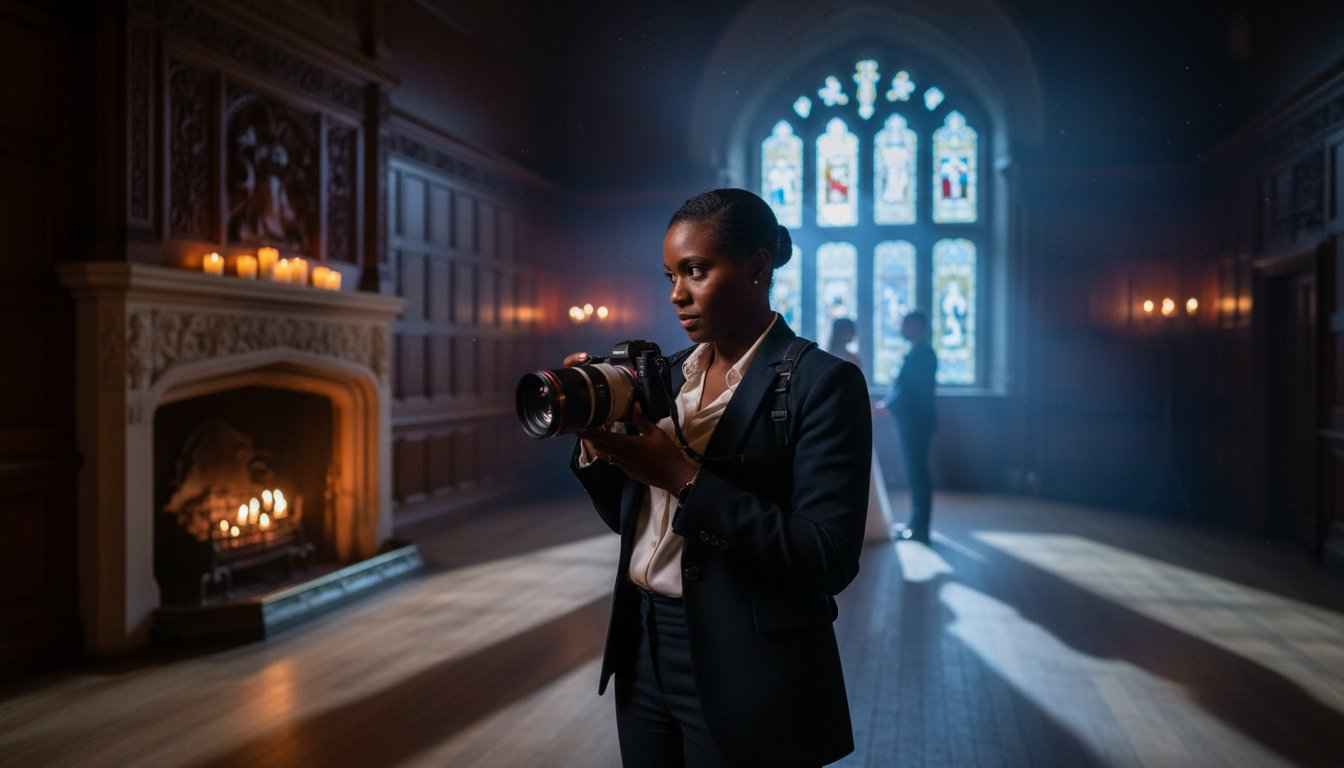
Imagine standing in a Grade II listed manor house during a December ceremony in 2023, where the only illumination comes from flickering candles and a single, weak tungsten bulb. This scenario is the ultimate test of your technical skill, yet mastering difficult wedding lighting remains the defining factor between a standard service and a truly prestigious portfolio. You likely understand the frustration of seeing grainy textures in shadows or losing the delicate lace of a bridal gown to the harsh midday sun. These inconsistencies can hinder your progress and prevent you from achieving the professional distinction you aspire to.
We recognise that the transition from hobbyist to accredited professional requires more than just high-end equipment; it demands a disciplined approach to light management. Within this guide, you'll learn to navigate the most challenging environments with technical precision and composed, professional poise. We'll explore the refined methods used to balance mixed lighting and preserve highlights, ensuring your work stands out in a competitive market. By the end of this programme, you'll have the confidence to deliver exceptional results in any venue and the authority to command higher fees for your expertise.
Key Takeaways
- Learn to navigate the "Hierarchy of Light" to maintain technical control when environmental conditions challenge your camera's natural dynamic range.
- Develop the professional poise necessary for mastering difficult wedding lighting, from managing low-light ceremonies where flash is prohibited to taming harsh midday shadows.
- Master the skill of "reading" a room to manipulate light directionality, creating the depth and dimension required for a distinction-level portfolio.
- Identify the essential equipment for the modern UK wedding photographer while ensuring your creative eye remains the primary driver of your artistic vision.
- Explore how refined lighting techniques can elevate your professional standing, allowing you to attract high-end clientele through a more sophisticated body of work.
Understanding the Hierarchy of Wedding Lighting
For a professional photographer, difficult lighting isn't merely a dark room or a midday sun. It's defined as any scenario where the scene's dynamic range exceeds the camera sensor's natural capability, often surpassing the typical 12 to 14 stops of latitude found in modern mirrorless systems. When you're mastering difficult wedding lighting, you must look beyond the immediate constraints of a venue. The Institute teaches a structured approach known as the Hierarchy of Light, which consists of three distinct levels:
- Ambient: The existing light within a space, whether it's the warm glow of tungsten bulbs or the soft spill from a window.
- Modified: Taking that ambient source and altering its quality using tools like reflectors, scrims, or flags to soften shadows.
- Artificial: Introducing entirely new light sources, such as off-camera flash or continuous LED panels, to build a scene from scratch.
Many beginners identify as "natural light photographers," yet this label often masks a limitation in technical growth. Relying solely on available light makes you a reactive observer, essentially surviving the conditions rather than directing them. To achieve a professional standard, you must transition into proactive photography. This involves moving from a state of managing what's there to intentionally creating what's needed. By understanding fundamental lighting principles, you gain the ability to manipulate any environment to suit your creative vision. It's the difference between hoping for a good shot and knowing you've captured one.
The Anatomy of a Challenging Environment
Challenging environments often stem from unmanaged light in grand venues or harsh outdoor settings. Without intervention, these spaces lead to three common technical failures. First, motion blur occurs when shutter speeds drop too low to compensate for dim interiors. Second, digital noise appears when ISO is pushed beyond a sensor's clean threshold, often resulting in muddy shadows. Finally, flat contrast happens when light lacks direction, stripping the image of depth and dimension. Mastery is the ability to produce consistent results regardless of the venue.
Why Technical Mastery Precedes Creative Freedom
Technical skill is the bedrock of artistic expression. The relationship between the exposure triangle and the emotional weight of a wedding image is absolute. If you're struggling with your settings, you can't focus on the fleeting smiles or the quiet tears of the day. A deep understanding of light allows for a more relaxed presence during the wedding. This confidence ensures you're a calm guide for your clients, not a flustered technician. For those seeking to build this essential foundation, our Academy provides the structured curriculum needed to excel. You'll learn to treat light as a physical tool, ensuring every frame carries the distinction of a master craftsman.
Core Principles of Light Manipulation in High-Pressure Scenarios
The ability to read an environment before the couple arrives distinguishes a seasoned professional from a novice. When you enter a venue, your first task is to identify the primary light source and its specific quality. Mastering difficult wedding lighting begins with understanding how light falls across a space, whether it's the harsh midday sun streaming through a stained-glass window or the dim, amber glow of a historic manor. You must look for directionality; light that comes from a 45-degree angle creates the shadows necessary for depth and dimension, preventing the flat, uninspired look of direct flash.
Mixed lighting remains one of the most significant hurdles in a UK wedding setting. You will often find yourself balancing 3200K tungsten bulbs with 5600K natural daylight. This requires a disciplined approach to white balance and a keen eye for how these temperatures interact on skin tones. By finding light where others see only shadow, you demonstrate the professional edge that the Institute values, turning a poorly lit corridor into a dramatic portrait studio.
Navigating the Exposure Triangle Under Stress
Managing the exposure triangle requires composure when the pace of the ceremony quickens. Modern sensors allow for higher ISO settings, yet you should aim to keep levels below ISO 3200 where possible to maintain the fine detail required for large-scale prints. A safe shutter speed is paramount; staying above 1/200th of a second ensures sharp documentary moments, even if the light is fading. In dim cathedrals, you might prioritise a wider aperture like f/1.8 to gather every available photon, even if it means a shallower depth of field that demands precise focus. To achieve professional results in these environments, many photographers rely on off-camera flash for reception details to ensure the decor looks as vibrant as the couple.
The Art of Seeing: Identifying Secondary Light Sources
Refining your vision involves looking beyond the obvious. Secondary light sources, such as light bouncing off a limestone wall or a guest's white waistcoat, can act as natural fill for harsh shadows. In cramped, dark bridal suites, window light is your most versatile modifier. It provides a soft, directional quality that flatters the subject while maintaining a sense of place. For those seeking to refine these techniques, our Essential Photography Tips offer a structured path toward technical excellence. Mastering difficult wedding lighting is a journey of constant adaptation; if you are ready to take the next step in your career, consider exploring our wedding photography training dates UK to gain hands-on experience under expert guidance.
Solving Common Difficult Lighting Scenarios
Every wedding presents a unique set of technical hurdles that test your composure and equipment. Whether it's a Grade I listed church with strict "no flash" rules or a rustic barn with high, dark ceilings, success depends on your ability to adapt. Mastering difficult wedding lighting requires a blend of technical precision and creative adaptability. In cavernous reception barns where natural light is non-existent, you must create depth. By mastering off-camera flash, you can transform a flat, dark space into a cinematic setting. During the first dance, try balancing ambient disco lights with a single off-camera speedlight. Setting your shutter speed to 1/60th or 1/100th of a second allows you to capture the vibrant atmosphere of the party while keeping the couple sharp and well-defined.
Taming the Midday Sun for Portraits
The 1:00 PM sun is often a photographer's greatest adversary. To avoid the dreaded "raccoon eyes" caused by overhead light, seek out "open shade" under trees or in the shadow of stone architecture. If open shade is unavailable, position the couple so the sun is behind them, acting as a rim light. You can then use a reflector to bounce soft light back into their faces. While dramatic shadows have their place, "boring" light, which is flat and even, is often superior for preserving delicate skin tones. For those working with flash, employing high-speed sync allows you to maintain a wide f/1.8 aperture while taming the harsh highlights of a clear summer day.
Low Light Survival in Ceremonies
Many historic UK churches prohibit flash, forcing you to rely entirely on ambient light and high-end glass. This is where the "Prime Lens Advantage" becomes clear. Lenses with apertures of f/1.2 or f/1.4 are essential for the professional, as they allow you to keep shutter speeds high enough to freeze movement without pushing ISO to extreme levels. In these settings, you must manage the trade-off between grain and emotion. A sharp, emotive moment captured at ISO 6400 is always preferable to a clean but blurry frame. For those looking to refine these techniques, our Photography Courses and Workshops provide hands-on scenario training in real-world environments. Mastering difficult wedding lighting in these high-pressure moments separates the hobbyist from the seasoned professional.
Equipment and Planning: Tools for the Professional Vision
Success in the field isn't merely about owning the latest mirrorless body or the widest aperture lens. The Institute believes that gear remains a secondary consideration to the photographer's eye, yet it functions as the essential bridge between vision and reality. A robust kit is your insurance policy against the unpredictable nature of British venues. For those dedicated to mastering difficult wedding lighting, a standard kit should include at least three high-output speedlights, reliable radio triggers, and versatile light stands. These tools empower you to transform a drab, windowless function room into a space with depth and character.
Off-Camera Flash vs. On-Camera Bounce
Efficiency often dictates your choice of technique. On-camera bounce flash is a superb solution for the rapid pace of a reception; it allows you to move freely while softening harsh shadows against neutral ceilings. However, complex environments demand a more structured approach. A multi-light array provides the control needed to sculpt a scene. By employing rim lighting, you place a flash behind the subjects to create a thin outline of light. This technique is vital for separating a groom in a dark suit from a similarly dark background. The ultimate goal is subtlety; the best flash work looks like it was never there.
The Value of a Site Visit
Refining your craft involves meticulous preparation. A pre-wedding site visit allows you to identify potential danger zones, such as rooms with mixed colour temperatures or reflective surfaces that cause unwanted flare. Professional photographers use digital tools to track the sun's trajectory for the specific wedding date. This data is crucial for winter weddings in the UK, where the golden hour might occur as early as 15:00. Understanding these variables ahead of time ensures you aren't guessing during the ceremony. You can explore these practical techniques further by viewing our Wedding Photography Training Dates for upcoming sessions.
Communication with your clients is the final piece of the puzzle. Managing expectations regarding lighting-heavy segments of the day prevents frustration. If you plan to create a dramatic night portrait, explain the time required for the setup. Couples appreciate this transparency; it demonstrates your commitment to achieving a high standard of work. By aligning your technical needs with their schedule, you ensure the creative process remains seamless. To elevate your professional standing and gain formal recognition for your skills, consider enrolling in one of our specialised photography courses.
Elevating Your Craft: From Competence to Distinction
Transitioning from a proficient photographer to a distinguished professional requires more than just technical knowledge. It demands a refined eye that can anticipate and command any environment. Mastering difficult wedding lighting serves as the ultimate litmus test for this professional progression. When you demonstrate that a dimly lit Tudor manor or a high-contrast summer noon doesn't compromise your output, you move beyond the crowded mid-market. High-end clientele in the UK, who often invest upwards of £5,000 on their wedding coverage, prioritise reliability above all else. They seek a professional who guarantees a consistent aesthetic regardless of the venue's architectural challenges.
Professional feedback is the most efficient way to identify the lighting blind spots that hinder your growth. While self-critique is valuable, the objective gaze of a mentor can pinpoint why certain shadows feel muddy or why a flash feels intrusive rather than integrated. The Institute prioritises this human element, ensuring your development isn't left to chance or repetitive trial and error. This structured guidance transforms your approach from reactive to proactive, allowing you to walk into any venue with absolute confidence in your technical command.
Building a Portfolio That Commands Premium Fees
Consistency remains the hallmark of a luxury brand. A portfolio shouldn't just show your best work; it should demonstrate your technical range across diverse and challenging scenarios. If your gallery only features golden hour portraits, sophisticated clients will question your ability to handle a winter reception or a windowless banquet hall. A 2023 industry survey indicated that 84% of premium couples cite technical consistency as a top three requirement when hiring their lead photographer. By curating a selection that showcases your skill in mastering difficult wedding lighting, you build immediate trust. This technical maturity allows you to justify higher fees, as you're selling the peace of mind that comes with institutional-grade expertise.
Recognition and Accreditation
True distinction is often validated through external peer review and formal accreditation. Professional bodies like the IOWP provide the framework needed to measure your work against the highest industry standards. Preparing your best work for the Wedding Photography Awards is a rigorous process that forces a critical evaluation of your lighting choices and composition. It marks your transition from being a service provider to being a recognised artist in your field.
To reach this level of distinction, the human element of mentorship is vital. Our tutors provide the bespoke feedback required to polish your craft until it's ready for international recognition. Whether you aim to secure more high-value bookings or win industry accolades, formal accreditation provides the professional edge needed in the competitive UK landscape. We invite you to explore our Academy to begin your journey toward true distinction.
Refining Your Creative Edge
Transitioning from a competent photographer to an industry leader requires more than just high-end gear; it demands a deep understanding of light manipulation under pressure. By prioritising the hierarchy of light and preparing for the unpredictability of historic UK venues, you move beyond simply capturing a scene to intentionally crafting an atmosphere. Mastering difficult wedding lighting isn't merely a technical requirement; it's the definitive mark of a professional who delivers consistent excellence regardless of the environment's constraints.
The Institute of Wedding Photographers provides the structured guidance needed to bridge the gap between passion and professional distinction. Our programmes are accredited by the International Organization of Wedding Photographers, ensuring your skills meet recognised global standards. You'll benefit from direct, tutor-led feedback from industry masters during our intensive portfolio-building days held at prestigious UK locations. These sessions offer a unique opportunity to refine your technique in a controlled yet challenging setting.
Refine your vision with our Professional Wedding Photography Workshops. We're here to support your journey as you transform your creative potential into a distinguished professional career.
Frequently Asked Questions
How do I handle a dark church where flash is not allowed?
When flash is prohibited in a dark church, you must rely on fast prime lenses with apertures of f/1.8 or wider. Modern professional bodies allow for clean images at ISO 6400 or higher. Use a shutter speed of at least 1/125th of a second to prevent motion blur from the couple. This technical approach is essential for mastering difficult wedding lighting in historic UK venues where lighting is often minimal.
What is the best lens for low-light wedding photography?
The best lens for low-light wedding photography is a fast prime lens, such as a 35mm or 50mm with an f/1.4 aperture. These lenses allow four times more light to reach the sensor than a standard f/2.8 zoom. Using a prime lens provides the professional edge needed for crisp portraits in dim reception halls. It ensures your portfolio maintains a high standard of clarity regardless of the venue's ambient light levels.
How can I fix mixed lighting (blue daylight and orange tungsten) in my photos?
You can fix mixed lighting by placing a CTO gel over your flash to match the orange tungsten bulbs found in many traditional British venues. This synchronises your light sources to a consistent 3200K temperature. Once the light is unified, you can easily adjust the white balance in post-production. This method prevents the distracting colour shifts that occur when daylight-balanced flash hits a warm indoor environment.
Is it better to underexpose or overexpose in difficult lighting?
It's technically superior to underexpose by 0.5 to 1 stop in difficult lighting to protect the delicate highlights of a white wedding dress. Modern sensors allow you to recover shadow detail with minimal noise, but clipped highlights are often lost forever. This discipline ensures that the intricate lace and fabric textures remain visible. It’s a recognised technique for maintaining the high standards expected in professional wedding albums.
How do I photograph a wedding in harsh, direct midday sunlight?
Photographing a wedding in harsh midday sun requires finding open shade, such as the shadow of a stone wall or large tree. If shade isn't available, position the sun behind the couple to create a rim light effect. This prevents harsh shadows under the eyes and squinting. Using a 5-in-1 reflector to diffuse the light can also soften the 10,000-lux intensity of direct summer sunlight.
Do I really need off-camera flash for a wedding?
Off-camera flash is a vital tool for mastering difficult wedding lighting, as it adds depth that on-camera flash cannot achieve. Placing a speedlight on a stand at a 45-degree angle creates flattering shadows and professional dimension. While a single light is a start, a three-point lighting setup is the industry standard for reception speeches. This approach elevates your work from basic documentation to a refined artistic statement.
What ISO is considered "too high" for professional wedding photos?
For most professional full-frame cameras, an ISO above 6400 is often considered the limit before grain compromises the print quality. However, 85% of modern wedding photographers now use AI-driven noise reduction software to clean up files shot at ISO 12800. The Institute recommends testing your specific camera body to find its native breaking point. Maintaining a clean image ensures your work meets the accreditation standards of professional bodies.
How can I make my flash photos look natural and not "blown out"?
To make flash photos look natural, you should bounce the light off a white ceiling or wall to create a larger, softer light source. You can also reduce your flash exposure compensation by 1 or 2 stops to blend the artificial light with the ambient environment. This creates a subtle fill rather than a harsh spotlight effect. It’s a technique that distinguishes a master of the craft from a novice.