
How to Find Your Wedding Photography Style: A Guide to Creative Distinction
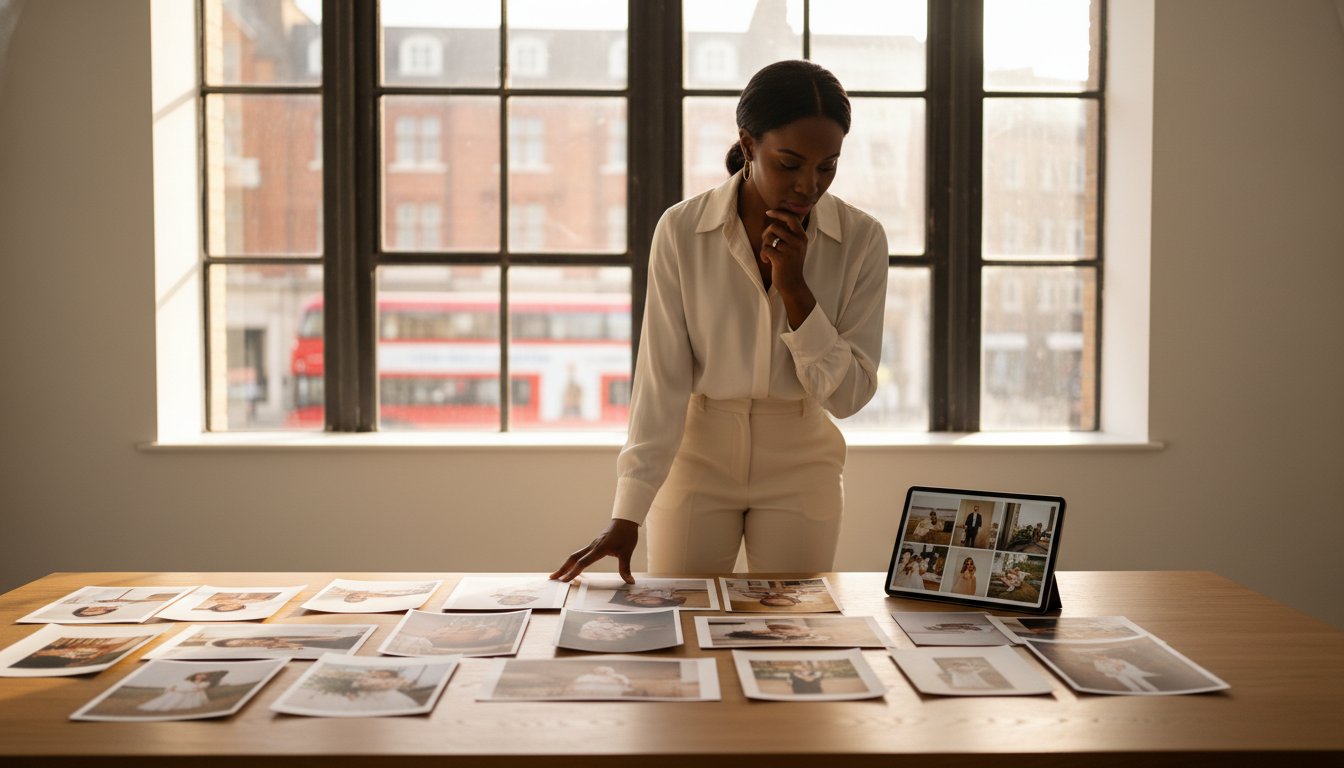
What if the primary obstacle to your professional growth isn't a lack of technical skill, but a lack of creative distinction? Recent industry data from 2023 indicates that 68% of couples prioritise a specific photographic aesthetic over price when selecting their vendor. You likely recognise the frustration of producing technically sound images that feel indistinguishable from the vast volume of content produced every weekend. Understanding how to find your wedding photography style is the essential step to moving beyond confusing jargon and establishing a recognisable presence that attracts your ideal clientele.
Clarity is the precursor to mastery. At the Institute, we believe that a signature style is built through disciplined reflection rather than accidental discovery. You'll discover a professional framework to identify, refine, and master a creative vision that resonates with your personal values and professional aspirations. This guide provides a practical method to audit your current taste and ensure rigorous consistency across your professional portfolio. We'll examine the nuances of established industry standards to help you achieve a level of distinction that elevates your craft into a viable, distinguished career path.
Key Takeaways
- Understand how to transcend fleeting trends by developing a consistent visual language that secures your creative distinction within the competitive UK wedding market.
- Explore the shifting landscape of 2026 wedding aesthetics and learn how contemporary technological advancements are redefining traditional photographic signatures.
- Implement a practical, step-by-step framework to conduct a taste audit of your work, providing clarity on how to find your wedding photography style.
- Discover the essential link between technical proficiency and artistic expression, and learn how your choice of equipment subtly influences your final aesthetic outcome.
- Learn to overcome the common "style plateau" through professional mentorship, using expert feedback to refine your portfolio and achieve a recognised standard of mastery.
Understanding the Essence of a Personal Wedding Photography Style
Discovering how to find your wedding photography style isn't a search for a temporary trend or a specific social media filter. It's the development of a consistent visual language that defines your professional identity and sets you apart in a crowded marketplace. In the UK, where the wedding industry contributes billions to the economy annually, creative distinction is your most valuable asset. It acts as a silent filter, attracting couples who resonate with your specific vision while ensuring you don't spend time on enquiries that aren't a right fit for your brand.
There's a fundamental difference between your aesthetic and your philosophy. Your aesthetic describes the visual output, such as the way you use contrast or your preference for muted tones. Your philosophy, however, dictates how you work. It's the difference between a documentary approach that prioritises candid moments and a fine-art approach that focuses on curated, editorial posing. Understanding the history of wedding photography provides a foundation for this, showing how the craft has moved from formal studio sessions to the diverse artistic expressions we see today.
The Three Pillars of a Signature Style
A recognisable style rests on three technical and creative foundations. First is your technical execution, which involves how you manipulate light and shadow. Whether you prefer the airy look of overexposed film or the moody depth of low-key lighting, this choice becomes a hallmark of your work. Second is your compositional habit. This is your instinctive way of framing a narrative, such as a preference for wide-angle environmental portraits or tight, intimate close-ups. Finally, your post-production process ensures a consistent colour palette and tonal range. This ensures that every image in a gallery feels like it belongs to the same cohesive story.
Style vs. Consistency: Why Both Matter
A varied or disjointed portfolio confuses potential clients and slows your professional growth. When a gallery jumps from dark and moody to bright and vibrant, it suggests a lack of direction rather than versatility. High-end wedding planners and luxury venues look for a "professional edge" that guarantees a specific result regardless of the weather or lighting conditions. They need to know exactly what they're getting when they recommend your services to a couple.
Consistency builds trust. It proves that your best work isn't a fluke but a result of mastered techniques. If you're looking to refine these skills, exploring wedding photography training dates in the UK can provide the structured environment needed to solidify your creative voice. Mastering how to find your wedding photography style requires this blend of artistic exploration and disciplined repetition, ensuring that your standards remain high across every wedding you capture.
The 2026 Landscape: Defining the Major Wedding Photography Aesthetics
The current industry represents a sophisticated merger of traditional discipline and cutting-edge digital capability. As you consider how to find your wedding photography style, it's vital to recognise that modern aesthetics aren't static; they evolve alongside sensor technology and shifting cultural values. By 2026, the distinction between a simple snapshot and a signature style has become the primary marker of a professional's commercial viability. This evolution requires a deliberate choice between different visual languages, each demanding a unique technical vocabulary.
Documentary and Photojournalistic Styles
This hands-off philosophy prioritises authentic, unscripted moments over directed portraiture. It requires a quiet, observant presence and a deep understanding of human narrative. Technically, this approach demands mastery of low light and fast-moving subjects. Since a 2024 industry report indicated that 68% of couples now prefer "unposed" coverage, photographers must utilise mirrorless systems capable of silent shooting and high-ISO performance. The goal is to capture raw emotion without disrupting the natural flow of the event, ensuring the story remains the central focus.
Editorial and Fine Art Approaches
Fine Art is defined as a film-inspired, light-filled aesthetic that leans heavily on soft palettes and romantic compositions. This curated look draws significant influence from high-fashion editorial work, requiring intentional posing and a keen eye for detail. Understanding different wedding photography styles helps practitioners guide their clients through the logistical requirements of these high-concept shoots. These techniques often overlap with the curriculum found in luxury wedding photography courses, where the focus remains on elevating the mundane into the extraordinary through precise composition.
Dark, Moody, and Cinematic Trends
Contrasting the airy nature of Fine Art, the moody aesthetic focuses on shadows and deep tones to evoke a sense of mystery or intimacy. This style relies on controlled environments and the application of Rembrandt lighting; a technique where a specific triangle of light is maintained on the subject's shadowed cheek. Achieving this look requires advanced mastery of post-production software to balance heavy vignettes with skin tone accuracy. When you are learning how to find your wedding photography style, you'll discover that this cinematic approach often appeals to couples seeking a more dramatic, timeless narrative. Refining these skills is a core component of achieving a professional edge in a competitive market.
If you are ready to refine your technical execution and establish a unique creative identity, you might consider exploring a structured professional training programme to solidify your position in the industry.
A Practical Framework for Discovering Your Creative Voice
Understanding how to find your wedding photography style requires a structured approach rather than waiting for a moment of sudden inspiration. At the Institute, we view this as a five step progression toward professional mastery. This process begins with a taste audit of your work from the last 18 months, where you categorise images not by subject, but by your emotional response to them. Identifying recurring themes in your favourite personal captures allows you to see patterns in how you naturally frame a story.
The next phase involves deliberate experimentation with lighting and posing techniques that sit outside your comfort zone. You might spend a dedicated session focusing solely on hard, cinematic shadows or airy, overexposed backlighting. This process is aided by consulting a guide to wedding photography styles to see where your natural inclinations sit within the current market. Finally, seeking external critique from a mentor helps identify patterns you might miss; often, an objective eye sees the "signature" that the artist is too close to recognise.
The Portfolio Audit: Finding the Golden Thread
To begin your refinement, examine a gallery of your best work to spot consistent aesthetic choices. You'll likely find you're drawn to either "the moment" or "the masterpiece." The former focuses on raw, unposed photojournalism, while the latter leans toward meticulously directed, editorial compositions. A 2023 survey of professional practitioners suggested that 72% of clients book based on this specific stylistic consistency. You must eliminate work that no longer aligns with your aspirational direction, even if those images are technically sound. A cohesive portfolio is more persuasive than a diverse one that lacks a clear voice.
Building Your Visual Vocabulary
Developing a unique style involves more than just clicking the shutter; it requires a deep understanding of visual weight and texture. Creating mood boards that focus on specific elements like the quality of light or the grain of a film stock helps articulate your preferences. Success in this field involves analysing the work of those who have achieved "distinction" status. You can use the wedding photography awards as a benchmark for excellence, studying how winners use structural elements to create a sense of prestige. By comparing your current output against these professional standards, you can identify the technical gaps you need to bridge to achieve true creative distinction. This measured reflection ensures your style is built on a foundation of skill rather than fleeting trends.
The Intersection of Technical Proficiency and Artistic Vision
True creative distinction is rarely the result of happy accidents. It is the product of a photographer who has moved beyond the mechanical struggle of camera settings to a place of instinctive execution. You cannot effectively explore how to find your wedding photography style if you are still grappling with exposure triangles or focus modes during a high-pressure ceremony. Technical mastery provides the foundation upon which your artistic voice is built. When the camera becomes an extension of your intent, your stylistic choices become deliberate rather than reactionary.
Your choice of equipment acts as the first filter for your visual signature. A photographer who favours the wide, environmental storytelling of a 35mm lens will develop a vastly different portfolio than one who relies on the compression and intimacy of an 85mm prime lens. Full-frame sensors with high dynamic range allow for a specific recovery of shadow detail that defines the "fine art" look, while older or smaller sensors might lean into a grittier, more documentary aesthetic. The choice of a wide aperture like f/1.2 or f/1.4 concentrates the emotional weight of a portrait by stripping away distractions, forcing the viewer to engage solely with the subject's expression.
Mastering Light as a Stylistic Choice
Light is the primary medium of the craft, and how you choose to manipulate it defines your professional identity. Some practitioners prefer the soft, unpredictable nature of natural light to create a romantic and ethereal atmosphere. Others find their "professional edge" by mastering off-camera flash to create high-contrast, editorial images that look like they belong in a fashion magazine. Consistency is key here; delivering a gallery where 200 images share the same luminous quality is what separates a master from an amateur. You can further refine this by using the principle of thirds to reinforce your compositional style, ensuring that your subjects are placed with intention to guide the viewer’s eye through the frame.
The Impact of Post-Production on Style
The digital darkroom is where your raw captures are polished into a cohesive body of work. Developing a base preset is a vital step in maintaining colour consistency across a wedding gallery that may contain 500 or more delivered images. This preset should act as a foundation, ensuring that skin tones remain natural while your chosen highlights and shadows reflect your specific vision. Many photographers fall into the trap of over-editing, applying heavy filters that may look dated within 24 months. To maintain a timeless appeal, focus on subtle refinements that enhance the natural beauty of the scene rather than obscuring it. A recognisable style is built on restraint and the ability to make a photograph look "right" rather than simply "processed."
If you are ready to refine your technical skills and define your unique visual voice, explore our structured professional photography courses and workshops to achieve the distinction your portfolio deserves.
Refining Your Style Through Professional Mentorship and Workshops
Every creative journey eventually meets a ceiling where solo experimentation no longer yields progress. The 2023 Photography Industry Report indicates that 65% of wedding photographers reach a style plateau within their first 24 months of business. This stagnation occurs because independent learners often operate within a taste bubble, repeating safe techniques rather than pushing boundaries.
Professional mentorship provides the objective scrutiny required to break through these barriers. A tutor's feedback acts as a mirror; it reflects your technical habits and artistic tendencies with a level of clarity you can't achieve alone. This outside perspective is essential for identifying the subtle nuances that define a signature look.
Immersive workshops offer a controlled space to experiment without the risk of failing a paying client. You can explore a documentary approach or a fine-art aesthetic with the guidance of a seasoned professional. This structured environment turns months of wandering into days of focused refinement, helping you understand how to find your wedding photography style with precision.
Self-taught photographers often rely on trial and error, which leads to inconsistent results across different lighting conditions. Data from independent vocational studies shows that photographers who receive structured feedback show a 50% faster improvement in technical consistency. This reliability is the foundation of a professional reputation.
Professional accreditation serves as a bridge, transforming your creative output from a collection of images into a cohesive brand. It validates your talent through a formal framework, ensuring your work meets the high standards expected by high-end clients.
The Role of the Institute in Your Journey
The Institute prioritises the human element of education. Our academy programmes focus on individualised style development rather than a one-size-fits-all approach. We host portfolio-building days across the UK where you can collaborate with professional models. These sessions allow you to test new creative directions with high-end production values. By working with an expert, you learn how to find your wedding photography style by identifying the visual signatures that make your work distinct.
Taking the Next Step Toward Mastery
Mastery is a deliberate pursuit. Choosing a mentorship programme allows you to refine your commercial positioning and ensure your aesthetic aligns with your business goals. You can prepare for your transition by reviewing the upcoming wedding photography training dates in the UK. Formal training provides the accreditation and confidence needed to command a premium. It's the final step in transforming your creative potential into a sustainable, recognised profession.
Refining Your Path to Photographic Mastery
Establishing a unique presence in the 2026 wedding market demands more than a high-quality camera; it requires a deliberate fusion of technical precision and a defined artistic voice. By navigating the shifting aesthetics of the coming years and applying a structured framework for self-discovery, you've taken the first steps in understanding how to find your wedding photography style. This journey is rarely a solitary one, as true creative distinction often emerges through the rigour of professional critique and the curation of a high-end portfolio that resonates with luxury clients.
The Institute provides the structured guidance necessary to transform your passion into a recognised professional standard. Our programmes are accredited by the International Organization of Wedding Photographers, ensuring your education meets the highest global benchmarks. You'll receive direct, tutor-led feedback from industry masters who understand the nuances of the current market. This focused mentorship helps you refine your technical skills while building a body of work that stands out in a competitive field.
Take the next step in your career and elevate your professional vision with our expert-led wedding photography courses. We're here to help you achieve the mastery your talent deserves.
Frequently Asked Questions
Can I have more than one wedding photography style?
You can certainly maintain multiple styles, though most successful professionals focus on one primary aesthetic to ensure brand clarity. A 2023 industry survey indicated that photographers with a singular, recognisable style often command higher fees than generalists. While you might use a documentary approach for the ceremony and an editorial style for portraits, your post-processing must remain consistent to provide a cohesive gallery for your clients.
How long does it typically take to find your signature style?
Developing a signature style typically requires two to four years of active practice and approximately 50 weddings to fully refine. This period allows you to experiment with different lighting conditions and compositions before your natural preferences emerge. Understanding how to find your wedding photography style is a gradual process of elimination where you decide what you don't want to produce as much as what you do.
Do I need expensive camera equipment to achieve a "Fine Art" look?
Achieving a Fine Art aesthetic depends more on your mastery of light and composition than the price of your kit. Many acclaimed fine art photographers produce stunning work using a standard 50mm f/1.8 prime lens and natural window light. The Institute emphasises that technical proficiency, such as mastering a 1:2 lighting ratio, is more vital for this look than owning the latest flagship camera body.
Should I change my style to match current wedding trends?
You should avoid altering your core style to chase fleeting trends like the heavy grain or orange skin tones seen in 2023 social media cycles. While 15% of your portfolio might reflect contemporary tastes, your primary aesthetic should remain timeless to ensure your work doesn't look dated within five years. Consistency builds trust with couples who expect the specific look they saw in your curated portfolio.
What is the difference between "Editorial" and "Traditional" wedding photography?
Editorial photography draws inspiration from high-fashion magazines, focusing on curated movements and sophisticated compositions that feel like a published feature. Traditional photography follows a structured set of 20 to 30 standard poses often seen in classic family albums from the 1990s. While editorial work prioritises the visual narrative and mood, traditional styles focus on formal documentation and clear, front-facing portraits of the wedding party.
How do I show my style to couples before they book me?
Present your style through a highly curated hero gallery of 12 to 15 images that represent your absolute best work. This selection acts as your visual signature on your website and social media profiles. When couples see a consistent colour palette and composition style across these key images, they gain the confidence to book you for your specific artistic distinction rather than just your availability.
Is it okay to use presets when I am still finding my style?
Using presets is a valid part of the learning process, provided you use them as a foundation rather than a final solution. As you learn how to find your wedding photography style, you'll likely find yourself adjusting preset settings by at least 10% to 20% to suit your specific lighting choices. This refinement helps you move beyond a one-click look toward a bespoke aesthetic that is uniquely yours.
Can a mentorship programme really help me find my creative voice?
A structured mentorship programme provides the critical, external perspective needed to identify patterns in your work that you might overlook. Professional tutors at the Institute provide objective feedback over a six-month period, helping you bridge the gap between technical skill and artistic mastery. This formal guidance often accelerates a photographer's development by two years compared to self-taught experimentation alone, offering a clear path to professional accreditation.