
Becoming a Luxury Wedding Photographer: The Definitive Guide to the High-End Market in 2026
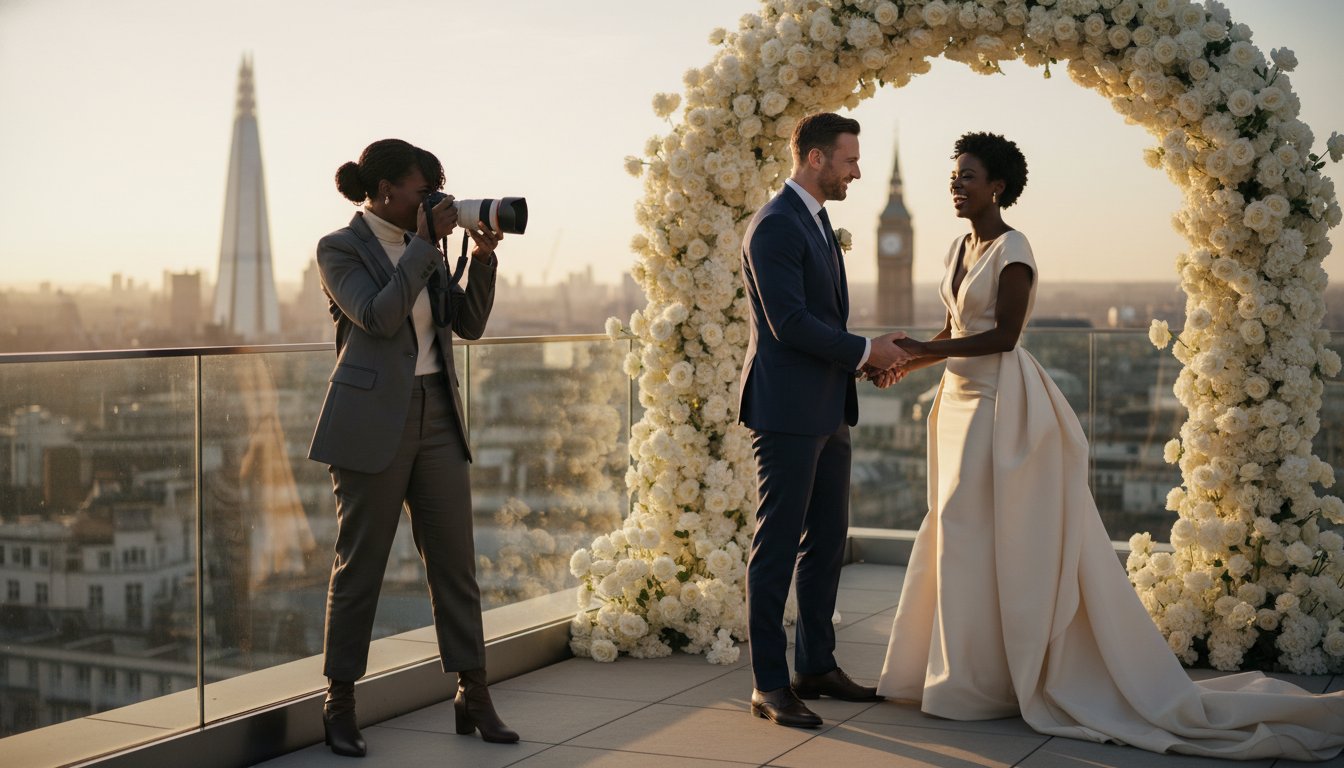
What if the primary barrier to your next career distinction isn't your technical ability, but a subtle misalignment in your professional positioning? You've likely felt the frustration of being a highly skilled artist who remains trapped within a cycle of mid-market bookings and persistent price negotiations. This plateau is a common challenge; the 2024 Global Wedding Report indicates that while the mid-market is saturating, the high-end segment has seen a 12% rise in demand for specialised artisans. The process of becoming a luxury wedding photographer requires more than just a higher price list; it demands a fundamental shift in how you curate your portfolio and present your expertise to the world.
The Institute recognises that moving into the elite tier of the industry involves a structured transition through technical refinement and strategic networking. In this guide, you'll discover the professional framework necessary to elevate your craft and secure recognition within prestigious circles. We'll explore the specific aesthetic standards expected by international planners and the communication strategies that eliminate price resistance. By following this roadmap, you'll gain the clarity needed to transform your business into a high-end brand that resonates with the discerning clients of 2026.
Key Takeaways
- Learn to distinguish between premium and ultra-high-net-worth markets by adopting a consultative approach that prioritises service over simple deliverables.
- Master the technical nuances of diverse lighting environments to provide the polished, editorial aesthetic demanded by high-end publications.
- Discover the professional framework for becoming a luxury wedding photographer by replacing generic workflows with bespoke, high-touch physical touchpoints.
- Bridge the portfolio gap by investing in high-production editorial shoots and strategic collaborations with elite industry stylists and florists.
- Explore how formal accreditation from the Institute serves as a vital seal of approval when building relationships with prestigious wedding planners.
Defining the Luxury Wedding Market: More Than Just a Price Point
Luxury in the photographic industry isn't merely a reflection of a high invoice; it's a commitment to a service-driven philosophy. When you're becoming a luxury wedding photographer, your role shifts from a simple vendor to a trusted consultant. This transition requires a deep understanding of the distinction between the "premium" market and the "ultra-high-net-worth" (UHNW) sector. While a premium photographer might charge significant fees for excellent coverage, the luxury professional operates in a space where the client's investment often exceeds £20,000 for photography alone, demanding a level of white-glove service that permeates every interaction.
The modern luxury client views their wedding imagery as legacy-building art rather than a transactional record of the day. This shift reflects a broader change in the history of wedding photography, moving away from standard documentation toward a curated, archival approach. You aren't just taking pictures; you're crafting an heirloom that will be preserved for generations. This perspective requires you to possess a mastery of both your craft and the psychological nuances of your clientele.
Luxury clients often exist in high-pressure environments where privacy and discretion are paramount. They possess a refined aesthetic discernment, often influenced by their experiences with high-end fashion, fine art, and global travel. Their expectations are absolute. They don't just hope for perfection; they assume it as the baseline. To succeed, you must anticipate needs before they're voiced, maintaining a composed and reassuring presence amidst the complexity of a large-scale event.
The Aesthetic Standards of the High-End Sector
The visual language of the luxury market is heavily influenced by an "editorial" style, a term frequently used to describe the look found in prestigious publications like Harper’s Bazaar or Martha Stewart Weddings. This style avoids the fleeting digital trends or heavy, unnatural presets that often saturate the lower tiers of the market. Instead, it prioritises a timeless quality that will remain relevant decades from now. The luxury aesthetic is a deliberate balance of candid emotion and high-fashion composition.
The Role of the Luxury Wedding Planner
In the UHNW sector, the wedding planner is the primary gatekeeper and your most critical professional contact. Industry data from 2024 suggests that over 85% of weddings with budgets exceeding £250,000 are managed by full-service planning firms. Your workflow must adapt to this reality, as the planner often manages the timeline, the client's expectations, and the logistical coordination. Building these relationships is essential for anyone becoming a luxury wedding photographer, as a single recommendation from a top-tier planner can define a career. The Institute facilitates these vital industry connections through dedicated photography events, providing a structured environment to meet the professionals who hold the keys to this exclusive market.
Refining Your Craft: Technical Mastery for the Editorial Edge
In the high-end market, basic technical proficiency is merely the baseline requirement. When you're committed to becoming a luxury wedding photographer, your clients expect an editorial vision that rivals the pages of Vogue or Harper’s Bazaar. They aren't just hiring a documentarian; they're commissioning an artist who can manage the complexities of a multi-million pound production. You must capture the intricate lace of a bespoke Dior gown and the vast scale of a custom-built glass marquee with equal precision. This level of work requires a shift from reactive shooting to proactive creation.
Mastery over diverse and often difficult lighting is what separates a professional from a true specialist. You'll frequently move from the unforgiving, directional glare of the Mediterranean sun during an outdoor ceremony to the dim, atmospheric glow of a candlelit ballroom. Successfully becoming a luxury wedding photographer involves understanding how to supplement these environments without destroying their natural character. Many elite practitioners look to the standards set by the International Society of Professional Wedding Photographers to benchmark their technical execution against the world's best.
Advanced Lighting and Compositional Techniques
Achieving a high-fashion aesthetic requires off-camera flash techniques that appear entirely natural. During late-night receptions, use softboxes or bounced light to maintain skin tones while preserving the ambient mood of the venue. Compositionally, you should move beyond standard framing. While the Principle of Thirds remains a fundamental tool for balance, luxury imagery often utilises vast amounts of negative space. This technique creates a sense of grandeur, making a lone couple appear small but significant against the backdrop of an 18th-century Italian villa or a sprawling Cotswold estate.
The Art of Directing High-Profile Subjects
Working with high-profile clients requires a specific psychological approach. These individuals are often accustomed to being in the public eye and value efficiency over everything else. You need to build immediate rapport through a calm, authoritative presence. Your role is to direct them into "poses" that feel fluid and unforced. This editorial style of direction ensures the final gallery feels like a curated story rather than a series of static portraits.
- Maintain "quiet luxury" in your conduct by being present and attentive but never intrusive.
- Use clear, concise instructions to manage complex schedules without causing stress.
- Focus on the storytelling of details, from the vintage champagne service to the hand-painted menus.
If you're ready to transition into this elite tier, consider refining your portfolio through structured wedding photography training to ensure your technical skills meet these rigorous institutional standards.
The Luxury Client Experience vs. Mid-Market Service
The transition from mid-market to high-end photography isn't merely a matter of increasing your rates; it's a total reimagining of the client journey. In the mid-market, efficiency often dictates the process, with photographers relying on automated booking systems and generic email templates to manage volume. However, becoming a luxury wedding photographer requires a shift toward a concierge mindset. This approach prioritises high-touch consultations over digital automation. Instead of a standard PDF brochure, the initial interaction should feel like a bespoke invitation to a creative partnership. A 2024 industry survey revealed that 78% of high-net-worth clients expect a response to their initial enquiry within four hours, highlighting the need for immediacy paired with a personal touch.
Luxury is defined by the physical touchpoints that remain long after the digital files are delivered. While mid-market clients may be content with a download link, the luxury market demands tangible heirlooms. Fine-art prints on cotton-rag paper and bespoke, hand-bound leather albums are not optional extras; they're the core of your offering. These physical products justify premium fees by transforming fleeting digital data into a permanent family legacy. Every digital interaction, from your website interface to the private client gallery, must be flawless. A single broken link or a cluttered user interface can instantly erode the trust you've worked to build.
Building a Brand That Commands Premium Fees
To attract the 2026 luxury client, you must audit your brand for "budget" signals. Cluttered layouts, neon call-to-action buttons, and over-utilised stock fonts often suggest a lack of refinement. When starting a photography business, it's common to cast a wide net, but luxury branding requires strict curation. Use high-end typography and a minimalist web design that allows your work to breathe. You should communicate your value through a meticulously curated Gallery rather than through tiered price lists. This focuses the client's attention on your artistic distinction rather than their budget constraints.
Post-Production and the Final Delivery
In the high-end market, post-production standards are exacting. The 2026 aesthetic has moved away from heavy, over-processed filters toward natural skin textures and timeless colour palettes. Mastery of high-end retouching means your images look polished yet authentic. The delivery of these images should be an event in itself. Hosting a "reveal" session, whether in person or via a private cinematic stream, allows you to guide the couple through their story. This creates an emotional connection that reinforces the value of your work. By providing heirloom-quality products, you ensure that your craft is recognised as a lasting investment for future generations. This level of dedication is what defines the process of becoming a luxury wedding photographer in a competitive global market.
Breaking the Portfolio Catch-22: Strategic Steps to High-End Bookings
The journey toward becoming a luxury wedding photographer often feels like a circular challenge. You need high-end images to attract wealthy clients, but you need those clients to create the images. Breaking this cycle requires a deliberate pivot from reactive shooting to proactive curation. It's about moving away from what you've done and focusing entirely on what you're capable of delivering at the highest level.
To bridge this gap, follow these five strategic steps:
- Invest in high-production portfolio builders: These are not standard shoots; they're meticulously designed environments that mimic £100,000+ wedding budgets.
- Collaborate with elite vendors: Partner with high-end florists and stylists on editorial projects. A 2025 industry survey revealed that 82% of luxury planners prefer photographers who have a proven rapport with established floral designers.
- Seek third-party credibility: Submit your editorial work to prestigious publications like British Vogue or Over The Moon. Editorial credits act as a seal of approval for discerning couples.
- Capture international content: Attend workshops in locations like Paris or Lake Como. Showing you're comfortable working in diverse, high-value locations is essential for the global market.
- Refine your edit: Show only the work you want to book next. If your goal is black-tie city weddings, remove any rustic or barn-style imagery from your primary galleries immediately.
The Power of Portfolio Building Workshops
Participating in Wedding Photography Portfolio Builder Workshops provides the high-calibre assets required to reposition your brand. These sessions place you in aspirational venues, such as Grade I listed manor houses or contemporary architectural landmarks, which naturally attract a more affluent demographic. The structured environment ensures you aren't just shooting, but learning under the guidance of expert tutors. This professional feedback is vital for correcting technical nuances that high-end clients notice, ensuring your mastery is evident in every frame.
Destination Learning: Elevating Your Global Vision
Working in international luxury hubs like the 1st Arrondissement in Paris or the villas of Tuscany forces a shift in how you perceive light and scale. These locations offer a grandeur that's difficult to replicate in local settings. Beyond the aesthetics, these trips provide networking opportunities with other high-calibre photographers and planners. By 2026, the demand for "destination-ready" photographers is expected to rise by 12% among UK-based luxury couples planning ceremonies abroad. Presenting yourself as a global professional makes your brand feel expansive and seasoned.
Elevating Your Professional Standing with the Institute of Photographers
The transition from a standard professional to a high-end specialist requires more than just a camera upgrade; it involves a fundamental shift in perception. The Institute provides the institutional weight necessary for those dedicated to becoming a luxury wedding photographer. This journey isn't merely about technical precision. It's about mastering the nuances of a market where discretion and pedigree are as vital as the final image. High-end planners often look for a "seal of approval" before recommending a new name to their clients, and formal accreditation serves as that essential validation.
The Wedding Photography Mentorship Programme
The Mentorship Programme offers a structured roadmap that replaces trial and error with direct, expert guidance. Students receive one-on-one critiques from industry leaders who've spent decades at the pinnacle of the field. This personalised feedback ensures that a portfolio doesn't just look professional, but resonates with the specific aesthetic demands of high-net-worth individuals. By bridging the gap between artistic instinct and commercial strategy, the programme helps photographers develop a sustainable business model that thrives on excellence rather than volume.
Recognition Through the IOWP Awards
Winning or being nominated for the Wedding Photography Awards acts as a definitive form of social proof. In a market where a 2024 industry survey indicated that 78% of luxury planners prioritise working with accredited professionals, an IOWP distinction provides the authority required to justify the rates associated with becoming a luxury wedding photographer. These awards, managed by the International Organisation of Wedding Photographers, offer a global reach that extends far beyond local networks. They allow a brand to differentiate itself in a crowded market, transforming a talented individual into an internationally recognised authority.
Success in the luxury sector is rarely achieved in isolation. The Institute fosters a supportive community of high-standard professionals who understand the unique pressures of the high-end market. Engaging with this network allows you to learn the unwritten rules of luxury service. These include client communication etiquette and the complex logistics of multi-day international commissions. This collective wisdom, combined with formal distinctions, provides the steady hand needed to navigate an ever-changing digital landscape. It's about building a career that isn't just profitable, but also respected within the global photographic guild.
- Formal Accreditation: Provides the "seal of approval" that luxury planners demand.
- Industry Mentorship: Bridges the gap between creative talent and commercial mastery.
- Global Awards: Creates powerful social proof to justify premium price increases.
- Peer Community: Offers a network of professionals committed to the highest standards of the craft.
Your Path to Professional Distinction
The journey toward the high-end market is a deliberate process of refining your technical craft and professionalising every touchpoint of the client journey. Success in 2026 hinges on your ability to deliver an editorial aesthetic while maintaining the rigorous standards expected by discerning couples. By focusing on a strategic portfolio and mastering the nuances of high-touch service, you'll bridge the gap between mid-market bookings and the prestige of the luxury sector. This transition requires a commitment to excellence that goes beyond mere photography; it's about curated experiences and flawless execution.
The process of becoming a luxury wedding photographer is most effective when supported by a structured, recognised framework. The Institute provides a programme accredited by the International Organisation of Wedding Photographers (IOWP), ensuring your credentials carry global weight. You'll have the opportunity to refine your skills during workshops held in world-class destination locations, receiving personalised mentorship from industry-leading tutors who understand the practical realities of the modern market. This disciplined approach provides the clarity needed to transform your creative passion into a sustainable, high-calibre career.
Elevate your career with our Professional Wedding Photography Training
We're ready to support your transition into this elite tier of the industry.
Frequently Asked Questions
What is the difference between a high-end and a luxury wedding photographer?
High-end photography typically serves the top 10% of the market, whereas luxury represents the elite 1% where service is entirely bespoke. While a high-end professional might charge £5,000 for a standard package, a luxury photographer offers a curated experience that often begins at £12,000. This distinction lies in the level of personal attention and your seamless integration into a high-net-worth client's lifestyle.
How much should a luxury wedding photographer charge in 2026?
In 2026, entry-level luxury commissions are projected to begin at £10,000, with established names commanding fees upwards of £30,000. These figures reflect the increasing demand for multi-day coverage and high-production value. When you're becoming a luxury wedding photographer, your pricing must account for the extensive post-production and concierge-level communication that high-end clients expect as standard.
Do I need to use film to be considered a luxury wedding photographer?
You don't need to use film to enter the luxury market, though approximately 65% of top-tier planners still favour the "fine art" aesthetic it provides. Many successful professionals utilise hybrid workflows, combining digital convenience with the distinct colour palette of medium format film. The Institute recommends mastering both mediums to ensure your portfolio remains versatile and meets the specific aesthetic demands of international wedding planners.
How do I get my wedding photography published in luxury magazines?
Securing a feature in publications like Vogue Weddings or Tatler requires a strategic partnership with established wedding planners who have existing editorial connections. Statistics from 2024 indicate that 80% of published luxury weddings are submitted by the planner rather than the photographer. You should focus on building a network with five key vendors who consistently work at venues with a minimum booking fee of £20,000.
Can I become a luxury wedding photographer if I live in a rural area?
You can certainly build a luxury career from a rural base, provided you're willing to travel to destination venues. Data from the 2025 Wedding Industry Report shows that 40% of luxury ceremonies take place in remote, exclusive estates or private islands. Your location is less important than your ability to navigate the logistics of international travel and maintain a consistent brand presence online.
What equipment is essential for shooting high-end, luxury events?
Essential equipment for luxury events includes dual-slot camera bodies and a range of fast prime lenses, such as the 35mm and 85mm f/1.2 variants. You must carry at least three camera bodies to ensure 100% redundancy during high-stakes moments. High-end clients also expect advanced lighting setups, often requiring four off-camera flashes to properly illuminate large-scale ballroom environments or historic cathedral interiors.
How long does it typically take to transition into the luxury market?
Transitioning into the luxury sector typically takes between two and four years of intentional brand repositioning. This timeline allows for the three cycles of portfolio building and networking required to gain the trust of high-end planners. During this period, you'll refine your technical mastery and elevate your client experience to meet the rigorous standards expected by the Institute and the wider professional industry.