
Developing a Unique Editing Style: A Professional Guide for Photographers
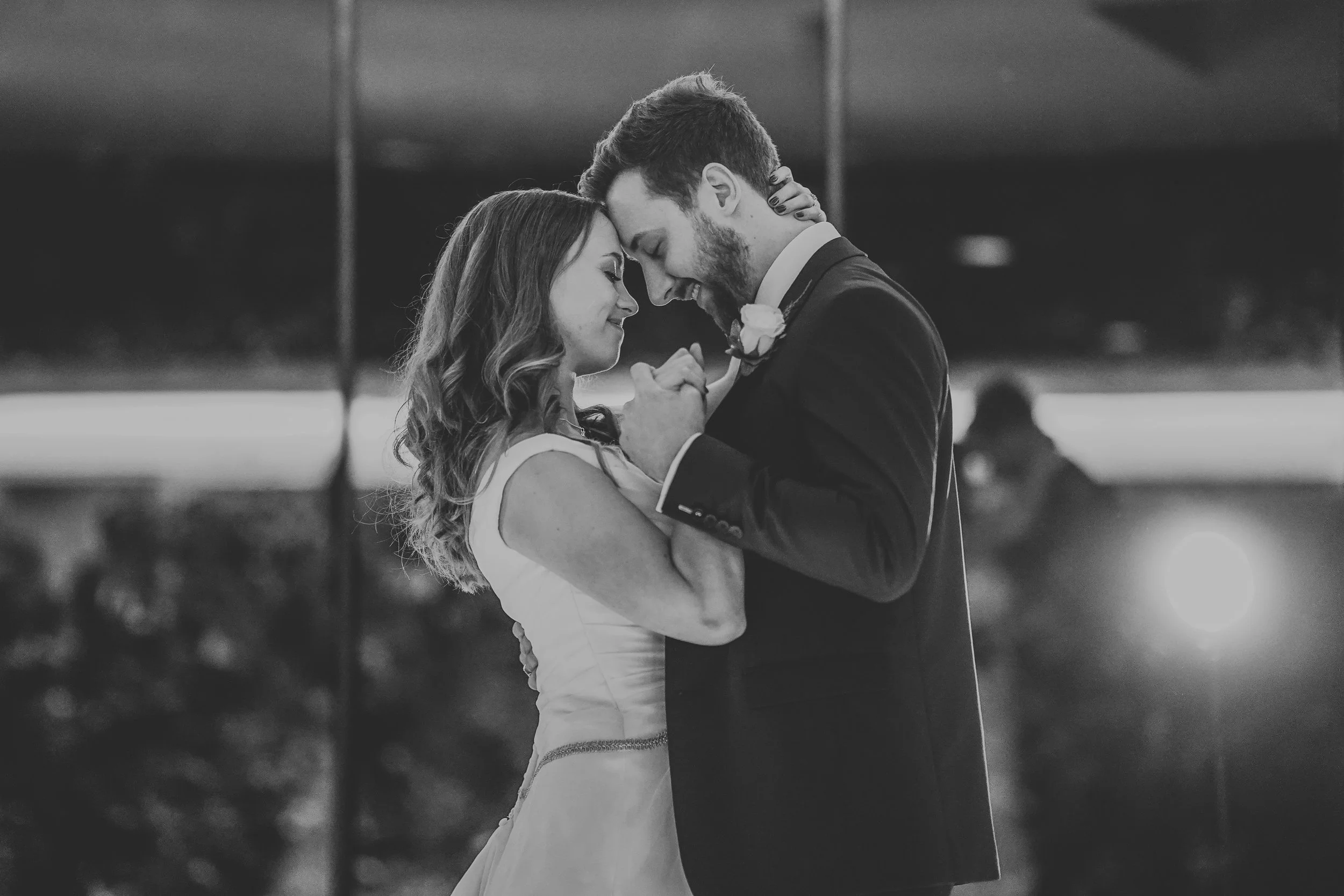
What if the very presets you bought to save your business are actually the things holding your brand back from reaching its full potential? It's a common frustration to feel lost in a sea of visual sameness, especially when an over-reliance on purchased tools leads to inconsistency across your professional galleries. If you find that your final images rarely match your original creative vision, you aren't alone. Most photographers eventually realise that developing a unique editing style is less about finding the right filter and more about mastering the final act of professional storytelling.
We understand the desire to move beyond generic looks to create a portfolio that feels both intentional and authoritative. This guide will show you how to cultivate a signature aesthetic that defines your professional brand and attracts high-end clients who value your specific artistic voice. We will explore the transition from technical proficiency to creative mastery, providing a structured path toward a faster workflow and a more cohesive, recognisable body of work. By refining your approach to post-production, you can increase your perceived value and find the professional validation that comes with a truly distinct portfolio.
Key Takeaways
Understand that developing a unique editing style involves mastering the three pillars of tonal range, colour theory, and texture to create a signature visual language.
Learn how to bridge the gap between capture and post-production by making intentional lighting choices that support your desired final aesthetic.
Move beyond industry trends by drawing inspiration from non-photographic mediums like cinema and classical paintings to inform your creative vision.
Discover how the process of reverse engineering your favourite images can reveal the technical steps needed to achieve professional consistency.
Recognise the value of professional critique in refining your portfolio and elevating your work to a standard that attracts high-end clientele.
Table of Contents
Beyond the Preset: Why a Signature Editing Style Defines Your Professional Career
The Anatomy of Aesthetic: Breaking Down the Technical Components of Visual Style
Shooting for the Edit: How Professional Vision Begins in the Camera
The Journey to Consistency: A Practical Framework for Style Discovery
Validating Your Vision: From Personal Style to Award-Winning Portfolio
Beyond the Preset: Why a Signature Editing Style Defines Your Professional Career
A unique editing style is much more than a collection of saved settings or a specific colour grade. It's a cohesive visual language that marries colour, light, and texture into a singular, recognisable voice. While many beginners rely on popular presets to achieve a quick look, doing so often leads to a "sea of sameness" where your work becomes indistinguishable from that of your competitors. This lack of distinction inevitably limits your market value. High-end clients aren't just looking for someone to document an event; they're looking for a specific perspective that only you can provide. Developing a unique editing style is a deliberate journey that transforms a standard photograph into a piece of professional art.
When you achieve true visual authority, your images become identifiable without the need for a logo or watermark. This level of recognition is the ultimate goal of any serious creative professional. It signals to the industry that you've moved beyond technical proficiency and into the realm of intentional artistry. By mastering the nuances of post-production, you ensure that every image in a gallery feels like part of a larger, deliberate narrative.
The Commercial Value of Visual Uniqueness
In the competitive wedding industry, a distinct style is a powerful commercial asset. It allows you to move away from being a photographer for hire and toward becoming an artist with a sought-after vision. This shift justifies premium pricing because you're no longer competing on price alone; you're offering a product that cannot be replicated by others. Consistency is vital here. When a portfolio is uniform, it builds immediate trust with potential clients. Those investing significantly in their wedding day need the reassurance that their final gallery will match the quality they saw on your website. Developing a unique editing style eliminates the friction caused by inconsistent work and positions you as a reliable, high-tier professional.
Presets vs. Personal Style: The Professional Distinction
Professional editors understand the fundamentals of image editing as a technical discipline rather than a series of shortcuts. Presets should be viewed as tools for efficiency, helping you maintain a baseline across a large volume of work, but they shouldn't be the source of your creativity. Chasing current trends, such as heavy grain or extreme desaturation, might garner attention on social media today, but it often fails the test of time. At the Institute of Wedding Photographers, we encourage students to look inward and study classical art to find a voice that remains relevant for decades. This structured approach ensures that your work isn't just a product of software, but a reflection of your professional mastery and long-term career vision.
The Anatomy of Aesthetic: Breaking Down the Technical Components of Visual Style
To move beyond the limitations of standard presets, one must deconstruct the technical elements that form a professional image. Developing a unique editing style requires a deep understanding of how specific adjustments interact to create a cohesive look. This process involves balancing three core pillars:
Tonal Range: The distribution of light and dark, which dictates the depth and atmosphere of the frame.
Colour Theory: The relationship between hues that creates either visual harmony or intentional tension.
Texture: The fine details, micro-contrast, and grain that define the tactile feel of a digital file.
The placement of your black and white points significantly dictates the perceived luxury of a photograph. Lifting the blacks can create a nostalgic, airy feel, while maintaining deep, rich shadows often aligns with a high-end editorial aesthetic. Mastery of the HSL (Hue, Saturation, Luminance) panel allows you to cultivate a signature colour palette that becomes your brand's calling card. This technical precision is what ensures a Signature Editing Style Defines Your Career as a specialist rather than a generalist. Whether you prefer a film-like softness or a digital-crisp finish, these choices must be deliberate and consistent.
Mastering Colour Theory in Post-Production
Professional post-production relies on the strategic use of complementary and analogous colours to guide the viewer’s eye. A well-crafted colour story ensures that even images shot in vastly different lighting conditions feel like part of the same collection. The challenge lies in manipulating environmental colours, like shifting greens toward teal or oranges toward gold, while meticulously preserving natural skin tones. This balance is essential for wedding photographers who must maintain realism while applying a stylistic veneer. For those looking to refine these delicate adjustments, exploring a professional wedding photography training course in the UK can provide the necessary technical foundation.
Light and Shadow: Defining the Tonal Signature
Your tonal signature is defined by how you manage the relationship between light and shadow. Choosing between a high-key, luminous look and a low-key, dramatic mood should be a reflection of your professional brand. Developing a unique editing style is often a result of how you handle "highlight roll-off" and shadow depth. Modern dynamic range management allows for incredible detail, but the way you choose to compress or expand these ranges influences the emotional weight of the image. Deep shadows can add a sense of mystery and importance, whereas soft, bright tones often suggest romance and approachability. Understanding these nuances is the key to creating work that resonates on a deeper level with your target audience.
Shooting for the Edit: How Professional Vision Begins in the Camera
Professional editing begins on location. While many believe the look of a photograph is determined solely in Lightroom or Photoshop, true mastery requires an understanding that every technical decision made in-camera dictates the possibilities available in post-production. Developing a unique editing style is effectively the final stage of a vision that starts before you press the shutter. If your exposure, lighting, and composition don't align with your intended aesthetic, you'll find yourself fighting against the data in your RAW files rather than refining it. Relying on these fundamental photography tips ensures that your post-production workflow is an act of enhancement rather than a rescue mission.
The technical approach to exposure is a primary driver of your visual voice. For instance, "exposing for the highlights" is a critical technique for those pursuing either a bright, airy look or a moody, dramatic aesthetic. By protecting the highlight detail, you retain the digital information necessary to pull detail from the shadows or create a smooth, luminous sky. Similarly, your choice of lens significantly influences the "feel" of the edit. A long lens provides compression that naturally complements soft, romantic colour palettes, whereas a wider lens offers an environmental perspective that often suits high-contrast, documentary-style processing. The dangerous myth of "fixing it in post" not only destroys professional consistency but also slows your workflow, preventing you from achieving a truly polished body of work.
Intentional Lighting and Style Alignment
Choosing your light source and location based on your brand identity is essential for maintaining a recognisable portfolio. If your style leans toward the ethereal, you must seek out soft, diffused light that allows for the gentle tonal transitions discussed in previous sections. Even your composition plays a role; understanding how the principle of thirds creates balance can give you the negative space needed for specific stylistic crops or overlays. Furthermore, setting a consistent White Balance in-camera is a simple yet powerful discipline. It ensures that your base colours are uniform across a gallery, allowing you to apply your signature look to hundreds of images with minimal manual adjustment.
The Role of Portfolio Builders in Style Development
Developing a unique editing style often requires a space where you can experiment without the pressure of a paid client commission. Attending portfolio builder workshops allows you to test specific lighting setups and directing techniques in a controlled environment. These sessions provide the opportunity to shoot with a specific end-goal in mind, helping you understand how subject direction and wardrobe choices interact with your intended colour grade. By curating these controlled shoots, you can build a cohesive body of work that demonstrates your visual authority, proving to high-end clients that your specific aesthetic is a deliberate and repeatable professional standard.
The Journey to Consistency: A Practical Framework for Style Discovery
Finding your visual voice is rarely a moment of sudden inspiration. It's a deliberate, iterative process that requires both technical rigour and creative curiosity. Developing a unique editing style is a journey that moves through specific stages of discovery, testing, and refinement. To move away from the generic, you must first understand the components of the work you admire and then test those elements against the realities of a professional workload. This structured approach ensures that your aesthetic is built on a foundation of mastery rather than a series of accidental successes.
Step 1: Curate a Vision Board. Look beyond the world of photography. Study the colour palettes of classic cinema or the light within Dutch Master paintings to find textures and tones that resonate with your personal taste.
Step 2: The Reverse Engineering Exercise. Take an image you admire and attempt to recreate its technical makeup. Analyse the histogram, identify the HSL shifts in the shadows, and determine the specific contrast curve used to achieve the look.
Step 3: The Deep Dive Edit. Select a diverse set of RAW files and apply three distinct styles to them. This exercise reveals which aesthetic feels most authentic to your brand and which allows for the most consistent results.
Step 4: Create Your Base Profile. Every camera sensor renders data differently. Develop a custom starting point tailored to your specific gear to ensure your colours remain stable before you even begin the creative grade.
Step 5: The Gallery Stress Test. A style is only successful if it holds up across an entire wedding day. Test your look against harsh midday sun, dim church interiors, and artificial reception lighting to ensure total cohesion.
Curating Your Influences without Copying
True originality comes from synthesising multiple influences rather than mimicking a single source. You can find exceptional examples of diverse aesthetics in the IOWP Gallery, which showcases how different professionals apply their unique voices to similar subjects. The goal is to identify recurring patterns you enjoy, such as warm highlights or crushed blacks, and weave them into a new context. Looking outside the industry for inspiration ensures your work doesn't simply become a derivative of current photography trends.
Developing Your Custom Professional Workflow
Efficiency is the hallmark of a professional. When managing galleries of 500 or more images, your workflow must be both fast and technically accurate. While AI-assisted tools can handle the heavy lifting of initial colour correction, the final signature layer requires manual fine-tuning to maintain high-end results. Batch editing serves as the ultimate test of your style. If your look requires significant individual adjustments for every frame, it isn't yet a sustainable professional style. Refining this process is a core component of our wedding photography training course in the UK, where we help you balance artistic vision with commercial viability.
Validating Your Vision: From Personal Style to Award-Winning Portfolio
Professional excellence is rarely achieved in isolation. While the initial stages of developing a unique editing style are deeply personal, the transition from a private aesthetic to a recognisable professional brand requires external calibration. Validation isn't merely about seeking approval; it's about ensuring your visual language communicates the intended level of luxury and expertise to your target market. By subjecting your work to the scrutiny of industry standards, you refine your creative instincts and transform a consistent "look" into a robust, commercially viable brand.
This final stage of growth involves moving beyond self-critique. It's easy to become blind to your own technical inconsistencies or to mistake a passing trend for a timeless signature. Seeking formal recognition and expert feedback provides the necessary discipline to polish your visual voice until it commands a national presence.
The Power of Professional Mentorship and Critique
Self-teaching is a valuable part of any creative's journey, but it often leads to persistent creative blind spots. You might not notice a subtle colour cast or a recurring issue with shadow clipping that undermines the professional quality of your galleries. Engaging with the Wedding Photography Mentorship Program provides a structured environment where you receive personalised feedback from established masters. These mentors help you navigate the delicate balance between artistic expression and technical perfection. By receiving direct critique on your tonal choices and colour consistency, you can accelerate your career and avoid the years of trial and error that often hinder solo practitioners.
Building a Cohesive Award-Winning Portfolio
Creating a portfolio for formal IOWP Membership evaluation requires a discerning eye. There is a fundamental difference between a "good photo" that captures a fleeting moment and a "portfolio-worthy" image that demonstrates your signature style with absolute precision. Every frame in your professional collection must serve as a testament to your visual authority. Entering the Wedding Photography Awards serves as an essential benchmark for this process. It forces you to curate your work with a level of intentionality that standard client galleries rarely demand.
Selection: Choose images that represent the full spectrum of your technical ability across various lighting conditions.
Consistency: Ensure that your signature colour palette and tonal signature are present in every submission.
Evolution: Maintain your core style while subtly adapting to the evolving standards of the high-end photography industry.
By aligning your unique vision with professional certification and industry accolades, you move beyond being a photographer for hire. You become a validated artist whose work is sought after for its distinct and reliable excellence. This formal recognition is the ultimate competitive advantage, bridging the gap between your artistic passion and long-term commercial success.
Elevating Your Visual Voice for a Professional Future
Mastering the art of post-production is a transformative step that separates the hobbyist from the seasoned professional. As we have explored, developing a unique editing style requires more than just applying a filter; it demands a deep understanding of tonal range and an intentional approach to lighting during the capture phase. By moving beyond generic presets and embracing a structured framework for discovery, you ensure that your portfolio remains consistent and commercially valuable in a competitive market.
The path to true visual authority is often found through the guidance of those who have already attained industry recognition. You can refine your signature style with our Wedding Photography Mentorship Program, where you will gain access to IOWP Award-winning mentors and intensive portfolio-building workshops across the UK. This programme provides the personalised feedback necessary to polish your unique visual voice and prepare your work for formal validation. Every step you take toward refining your aesthetic is an investment in your career's longevity and prestige. We look forward to supporting your journey as you define the next chapter of your professional story.
Frequently Asked Questions
How do I develop a unique photo editing style if I am a beginner?
Begin by mastering the technical fundamentals of colour and light rather than searching for a quick-fix filter. Developing a unique editing style is a natural byproduct of understanding how tonal adjustments influence the viewer's emotional response. Practice by editing the same RAW file in multiple ways to discover which aesthetic feels most authentic to your creative vision and professional goals.
Is it better to create my own presets or buy professional ones?
Professional presets are excellent tools for efficiency and learning the technical structure of a look, but creating your own is the only way to achieve true distinction. Think of purchased presets as a foundation. By deconstructing their settings and applying your own adjustments to contrast, HSL, and grain, you transform a generic tool into a signature asset that defines your professional brand.
How can I ensure my editing style remains consistent across different lighting?
Consistency across varied lighting begins with accurate in-camera settings and a neutral base correction in post-production. You must ensure that white balance and exposure are uniform before applying your stylistic grade. Testing your style on a "stress test" gallery, including harsh midday sun and dim indoor receptions, is the best way to verify that your look remains stable across an entire professional body of work.
Will having a unique editing style limit the types of clients I can book?
A distinct style acts as a filter that attracts high-end clients while discouraging those who don't align with your vision. While it may feel like you're narrowing your market, you are actually increasing your perceived value. Clients seeking a specific aesthetic are often willing to pay a premium for a photographer who possesses clear visual authority and a recognisable, consistent portfolio.
How often should I update or change my editing style to stay relevant?
Refine your style as your technical skills grow, but avoid changing it simply to follow fleeting industry trends. A truly signature look is built on timeless principles of art and colour theory rather than current social media filters. If you find your taste evolving, implement changes gradually across your portfolio to maintain the trust and recognition you've built with your audience.
What is the best software for developing a professional photography style?
Adobe Lightroom Classic and Capture One Pro remain the primary tools for establishing a professional aesthetic. As of June 2026, the latest versions, such as Lightroom 15.3.1 and Capture One 16.8, offer advanced colour grading and AI-assisted masking that provide the precision needed for bespoke results. Photoshop v26.6.1 is also essential for high-end retouching and fine-tuning the textures of your final images.
Can I have more than one editing style for different types of photography?
It's possible to maintain different styles for distinct genres, such as commercial work and wedding photography, provided each remains cohesive within its own context. However, most successful professionals find that a subtle "creative thread" connects all their work. This underlying consistency helps in establishing a stable professional identity that clients can trust regardless of the specific subject matter.
How do I know if my editing style is good enough for professional work?
Professional validation is the most reliable way to determine if your work meets industry standards. Entering the IOWP Awards or seeking a formal mentorship provides a benchmark that self-critique cannot offer. If your style can withstand the scrutiny of a professional certifying body and remains consistent across a full gallery, it is ready for the high-ticket commercial market.