
Common Wedding Photography Mistakes to Avoid: A Professional Guide for 2026
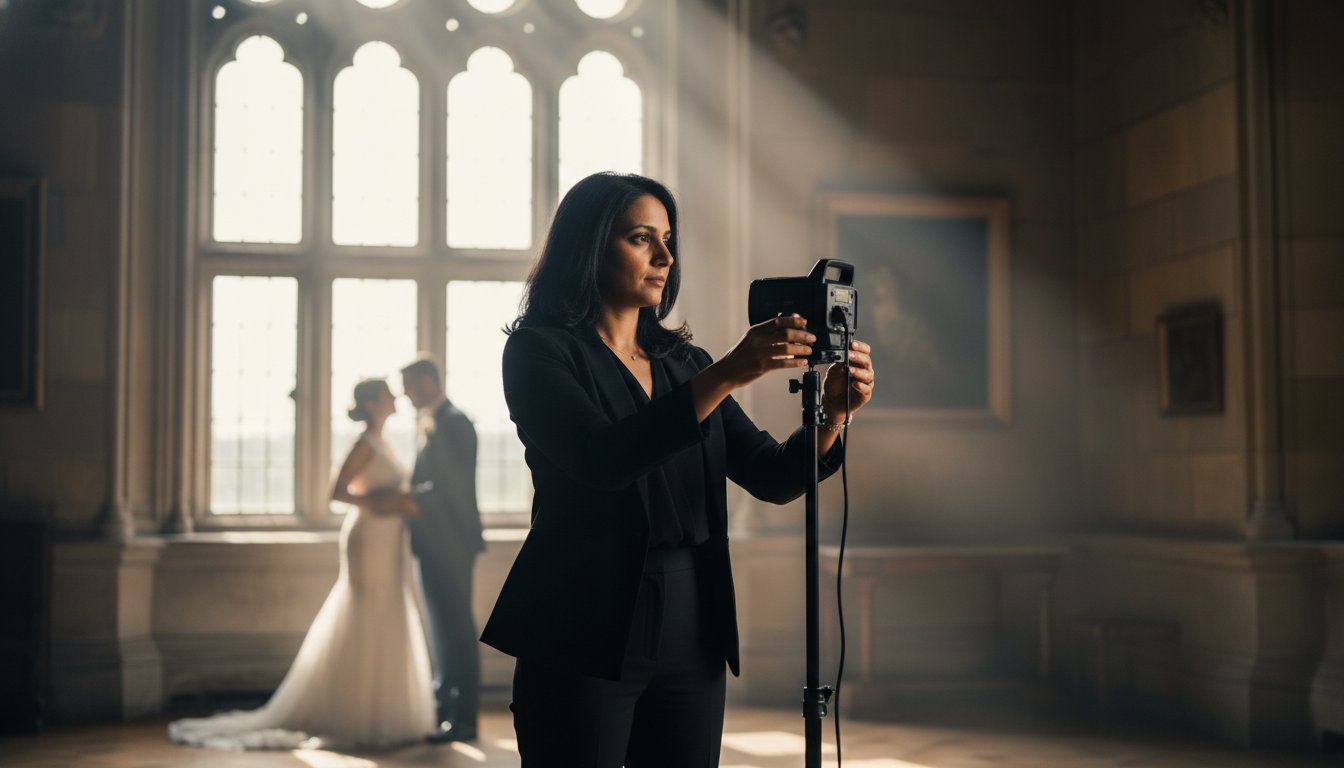
What if the most critical errors in your gallery have nothing to do with your exposure or focus? While technical proficiency is the baseline for any accredited professional, the most common wedding photography mistakes to avoid in 2026 often involve the invisible logistics and social nuances of the day. You likely understand the immense pressure of capturing a milestone event in an industry projected to reach £21.2 billion globally this year. The fear of missing a "first look" or the anxiety of navigating the Civil Aviation Authority’s January 2026 drone regulations can weigh heavily on even the most talented creatives.
We recognise that struggling with challenging lighting or unmanageable timelines is a common hurdle on the path to mastery. This guide provides a clear framework to refine your professional conduct and gain technical confidence in any venue. By following this roadmap, you will learn to manage vendor dynamics and technical pitfalls with the gravitas expected of a professional. We will explore the specific nuances that separate industry leaders from amateurs, ensuring your journey toward a recognised distinction is both structured and successful.
Key Takeaways
- Establish a professional standard by implementing equipment redundancy and conducting thorough pre-wedding consultations to eliminate potential points of failure.
- Gain the technical confidence to shoot in dark UK heritage venues by mastering artificial lighting techniques rather than over-relying on unpredictable natural light.
- Identify common wedding photography mistakes to avoid regarding professional etiquette, including the risks of being too visible during the ceremony or failing to collaborate with fellow vendors.
- Refine your narrative storytelling by building essential buffer time into the schedule, ensuring you capture spontaneous moments that a rigid shot list might overlook.
- Break through the self-taught plateau by seeking expert critique and structured mentorship to elevate your portfolio to an industry-recognised distinction.
Fundamental Preparation: Why Most Mistakes Happen Before the Ceremony
Excellence in the field is rarely a product of chance; it's the result of meticulous, invisible labour performed long before the wedding car arrives. While many aspiring professionals focus on their creative eye, the most common wedding photography mistakes to avoid often take root in the foundational stages of preparation. A failure to treat the pre-ceremony phase with the same gravitas as the shoot itself can lead to catastrophic oversights that no amount of post-production can rectify. It's the difference between a stressed amateur and a composed professional who commands the room.
Technical preparation starts with the mundane. Neglecting a physical site visit for an unfamiliar venue is a risk that often results in poor positioning or missed opportunities. Relying on online galleries is insufficient, as they don't reveal the specific shadows cast by a heritage building's architecture at 4:00 PM in late autumn. Similarly, failing to synchronise internal camera clocks or format cards properly creates a disorganised workflow. If you're using two bodies, even a minor time drift makes chronological storytelling nearly impossible without significant manual correction. These small, technical lapses are what separate a hobbyist from someone seeking a professional distinction.
The Redundancy Rule: Gear Failures and Backups
In a professional environment, a single point of failure is unacceptable. Carrying a second camera body isn't a luxury; it's a mandatory requirement for any accredited practitioner. Mechanical failures happen without warning, and having a backup ensures the day continues without interruption. You should also utilise dual-card slots to write data simultaneously to two separate sources. This simple setting prevents the heartbreak of a corrupted SD card ruining a couple's memories. Always carry a surplus of batteries and a range of focal lengths to adapt to changing light and space constraints.
Client Alignment and Expectation Management
Misunderstandings regarding the "style" versus the "reality" of a wedding day can damage your reputation more than a blurry photo. It's essential to establish a clear communication programme through a pre-wedding consultation. Use this time to review a detailed questionnaire that identifies VIP guests and must-have moments. Without this structured guidance, you risk missing the bride's favourite aunt or the groom's specific sentimental details. Building this trust early ensures the couple feels supported, allowing you to capture authentic moments rather than managing anxieties on the day itself. Mastering these social dynamics is a core component of our wedding photography courses.
Technical Execution and Lighting: Navigating Challenging Environments
Technical mastery defines the professional edge during a high-pressure event. One of the most common wedding photography mistakes to avoid is the over-reliance on natural light, particularly when working within the atmospheric but dim interiors of UK heritage venues. While a stone chapel or a wood-panelled manor house offers undeniable charm, these environments often lack the lux levels required for clean exposures. Relying solely on ambient light in such settings frequently results in muddy shadows and a lack of definition. Professionals must instead possess the confidence to introduce artificial light that complements, rather than overpowers, the existing atmosphere.
Mismanaging the "Golden Hour" is another frequent pitfall. In the UK, this window of soft, directional light can be fleeting and unpredictable. Failing to track the precise sunset time or neglecting to coordinate with the catering team often leads to portraits being rushed or missed entirely. Similarly, many practitioners struggle with off-camera flash during the wedding breakfast and first dance. Without a firm grasp of light placement and modifiers, reception images can appear flat or harshly lit. It's also vital to resist the habit of "chimping", the act of constantly checking your LCD screen. Every second spent looking at your camera is a second you aren't looking at the couple, which often leads to missing the most poignant candid moments of the day.
Mastering Low-Light Ceremonies
Maintaining the dignity of a religious or civil service requires a discreet approach. Modern sensors in cameras like the Sony A7R IV allow for higher ISO settings, but you must understand the threshold where noise begins to compromise professional quality. Utilising "silent shutter" mode is now a standard expectation to ensure your presence isn't disruptive. You should avoid direct flash during a solemn ceremony at all costs; it's jarring for the guests and often prohibited by many UK officiants who value the sanctity of the proceedings.
Compositional Pitfalls and the Professional Edge
A cluttered background can instantly devalue a high-end portfolio. You must train your eye to see beyond the subject, identifying distracting fire exit signs or stray glassware before pressing the shutter. Applying the principle of thirds helps to create a sense of balance and narrative flow that feels intentional rather than accidental. While 65% of couples in 2026 now opt for "first look" photos, there's a rising trend toward documentary-style coverage. Over-posing your subjects can stifle authentic emotion, so aim to guide rather than dictate their movements. To further refine these skills, consider joining a wedding photography training course in the UK to receive expert, tutor-led feedback on your compositional choices.
The Social Dynamic: Behavioural Mistakes That Damage Your Reputation
Technical mastery is a prerequisite for any practitioner, but your conduct on the day often dictates your longevity in this competitive industry. One of the most common wedding photography mistakes to avoid is treating the event as a solo performance rather than a collaborative effort. Industry leaders understand that a wedding is a complex ecosystem of professionals. Disregarding the needs of the videographer or failing to coordinate with the venue manager doesn't just hinder the couple's experience; it actively damages your reputation within the professional network that drives high-value referrals. In a global market projected to reach £21.2 billion in 2026, these refined "soft skills" are the hallmark of a true professional.
Appearing disinterested or frequently checking your phone during the wedding breakfast is a significant lapse in professional standards. It signals a lack of respect for the gravity of the occasion and the investment the couple has made. Similarly, being "too visible" during the ceremony can distract from the solemnity of the vows. Your goal is to be a composed, reassuring presence, moving through the space with intention and grace without becoming the centre of attention.
Vendor Etiquette and Professional Networking
Coordination with the videographer is paramount, especially as the demand for cinematic coverage continues to rise in 2026. Failing to communicate about positioning leads to obstructed shots and unnecessary friction that can be felt by the clients. You should also treat catering staff and coordinators with the same respect shown to the couple. These individuals are the gatekeepers of the local industry; their recommendation carries significant weight for your future bookings. Avoid the error of "directing" every moment. With the current shift toward documentary and candid styles, your role is to document the narrative, ensuring the day flows naturally without being dictated by the lens.
Professional Presence and Attire
Your attire should reflect the prestige of the event while allowing for the physical demands of a twelve-hour shift. Wearing overly casual clothing in a formal setting undermines your authority and the professional brand you represent. Aim for a polished look that blends seamlessly into the guest list. Beyond appearance, maintaining composure when timelines shift or equipment falters is essential. This steady hand is what clients value most during high-pressure moments. To refine your professional conduct and join an elite network of practitioners, consider pursuing formal recognition through our IOWP Membership programme.
Narrative and Timeline Management: Capturing the Full Story
A wedding day is a living entity. It often resists the constraints of a spreadsheet, moving with its own rhythm and unpredictable energy. One of the most common wedding photography mistakes to avoid is the failure to account for the organic drift of a live event. When you neglect to build buffer time into your schedule, you aren't just risking your own stress levels; you're jeopardising the creative quality of the final gallery. A rushed photographer rarely produces a masterpiece. Instead of capturing the quiet, emotional resonance of the day, you find yourself perpetually chasing the next item on a rigid shot list, missing the very atmosphere you were hired to document.
While a checklist provides a necessary safety net, over-dependence on it is a significant professional pitfall. It blinds you to the spontaneous, "in-between" moments that define the day, such as the shared glance between parents during the vows or the laughter of guests in the periphery. Group shots are another area where practitioners often falter. Spending ninety minutes on formal portraits exhausts the couple and creates a stagnant lull in the day's energy. A seasoned professional manages these with quiet efficiency, ensuring the couple returns to their celebration as quickly as possible without feeling like they've spent their wedding at a photoshoot.
Crafting a Sustainable Wedding Timeline
Effective time management begins during the consultation phase. You must advise your couples on realistic durations for bridal preparations and portraits, acknowledging that hair and makeup frequently overruns. Don't overlook travel time between the ceremony and the reception, especially when navigating the unpredictable nature of UK traffic or remote country lanes. We define the "golden buffer" as a mandatory 15-minute window added to every major transition to absorb unexpected delays without compromising the creative output. This structured approach ensures you remain a calm, authoritative presence throughout the day.
Storytelling Beyond the Checklist
A comprehensive wedding photographer portfolio requires more than just portraits of the protagonists. Capturing the "sense of place" through wide-angle environmental portraits and meticulous detail shots of stationery, flowers, and decor provides the narrative glue for a high-end album. Focus on the guests and the setting as much as the bride and groom to tell a complete story. To master the art of narrative flow and learn how to build a world-class portfolio, we invite you to explore our Wedding Photography Portfolio Builder Workshop.
Refining Your Craft: How Professional Training Eliminates Errors
Talent provides the foundation for a career, but it is structured discipline that ensures longevity. Many practitioners reach what we define as the "self-taught plateau," a stage where technical skills are competent but the professional edge remains elusive. The danger of this plateau is that it often masks the very blind spots that hinder progression. By identifying the common wedding photography mistakes to avoid through the lens of an expert, you transform your approach from one of reactive capture to one of intentional creation. Peer review and expert critique are not merely suggestions; they are vital components of a process that identifies technical inconsistencies and social lapses before they impact your reputation.
Transitioning from a hobbyist mindset to a professional vision requires a fundamental shift in perspective. It involves seeing the wedding day as both a sacred narrative and a commercial responsibility. Accreditation serves as a hallmark of quality, providing a sense of permanence and validated achievement that resonates with high-end clients. In a market where the global wedding photography sector is projected to reach £21.2 billion in 2026, formal recognition from a certifying body distinguishes you as a guardian of industry standards.
The Value of Structured Mentorship
The Institute’s mentorship programme provides a steady hand in an ever-changing digital landscape. Rather than navigating the complexities of the industry alone, you receive guided consultation and tutor-led feedback that is tailored to your specific creative journey. Our portfolio-building days are particularly effective, allowing you to refine your technical execution and lighting skills in a controlled, low-pressure environment. For those seeking a formal distinction that bridges the gap between passion and commercial success, the Academy offers a structured path to mastery.
Continuous Professional Development
Staying current with 2026 trends is essential for any serious practitioner. Whether it's the 50% increase in demand for drone photography or the shift toward cinematic, moody edits, attending photography workshops ensures your work remains relevant and aspirational. Validating your progress through wedding photography awards further reinforces your standing as a professional who values excellence and discipline. Elevate your craft and ensure you possess the technical confidence to handle any venue by joining our next training course.
Elevating Your Practice Through Professional Distinction
Mastering the craft requires more than just a creative eye; it demands a commitment to technical precision and professional etiquette. By identifying the common wedding photography mistakes to avoid, from mismanaging low-light heritage venues to neglecting vendor relationships, you position yourself within an elite tier of practitioners. It's about replacing reactive habits with a structured, professional vision that prioritises both the couple's experience and your own creative growth. True excellence is found in the details of your preparation and the composure of your conduct.
The path to a recognised industry standing is most effectively navigated with the support of a modern professional guild. Our programmes provide tutor-led feedback from industry experts and Institute of Wedding Photographers (IOWP) accredited distinction pathways that validate your progress. Whether you attend our intensive portfolio-building workshops in the UK or join us for a masterclass in Europe, you gain the tools to transform your passion into a viable, high-standard career. Your journey toward mastery is a deliberate process, and we are here to provide the steady hand you need.
Refine your skills and achieve professional mastery at the Institute of Wedding Photographers. We look forward to supporting your journey toward creative and commercial excellence.
Frequently Asked Questions
What is the most common technical mistake in wedding photography?
Failing to preserve highlight detail in the bride's dress is a frequent technical error that separates amateurs from professionals. In high-contrast environments, such as a bright outdoor ceremony, cameras often struggle to balance the white of a gown with the dark tones of a groom's suit. You should expose for the highlights and utilise the dynamic range of modern sensors to recover shadow detail in post-production without introducing digital noise.
How do I avoid gear failure during a wedding?
Adopting a "no single point of failure" policy is the only way to ensure professional reliability. This involves carrying at least two professional camera bodies and using dual-card slot recording to provide an instant backup of every image captured. You must also implement a rigorous equipment checklist 24 hours before the event to verify battery health and sensor cleanliness, ensuring you are prepared for the physical demands of the day.
Is it a mistake to follow a strict shot list provided by the couple?
Relying exclusively on a rigid shot list is one of the common wedding photography mistakes to avoid. While a list ensures you capture essential family groups, it can prevent you from documenting the spontaneous, emotional moments that define a modern narrative. Use the list as a foundational guide, but allow yourself the creative freedom to observe and document the day as it naturally unfolds to capture authentic emotion.
How can I handle poor lighting in traditional church ceremonies?
Handling the dim light of a traditional UK church requires a combination of fast prime lenses and high ISO proficiency. You should utilise lenses with an aperture of f/1.8 or wider to gather maximum light while maintaining a shutter speed fast enough to avoid motion blur. It is essential to respect the officiant's rules regarding flash; if it is prohibited, rely on your camera’s low-light capabilities to achieve sharp results.
What should a professional wedding photographer wear?
A professional should aim for attire that is "smart-professional," balancing formal aesthetics with the mobility required for active shooting. For men, this typically means a well-fitted suit or smart trousers and a waistcoat; for women, a professional dress or jumpsuit is often preferred. Your appearance should reflect the prestige of the event and the high standards expected of an accredited practitioner, ensuring you blend seamlessly with the guests.
How do I manage a wedding timeline that is running late?
When a timeline slips, you must prioritise the most critical shots while maintaining a composed demeanour. Communicate clearly with the couple and the venue coordinator to identify which portraits are non-negotiable and which can be moved to a later window, such as during the evening reception. This proactive management prevents the couple from feeling rushed and ensures you still capture a cohesive narrative despite the reduced time available.
Can I learn wedding photography entirely through online tutorials?
While online tutorials provide a useful introduction, true mastery usually requires structured, tutor-led feedback from an industry expert. Photography is a craft that benefits immensely from expert critique and the human element of mentorship, which automated platforms cannot replicate. Transitioning to a professional level involves identifying blind spots in your work that only an experienced eye can detect through a formal, recognised programme of study.
How do I handle difficult guests or family members while shooting?
Diplomacy and a calm, authoritative presence are your best tools when managing difficult guests. If a guest is obstructing your view or attempting to direct the shoot, address them with a polite but firm explanation of your professional role. Maintaining your composure ensures that you remain in control of the environment without creating friction, allowing the couple to enjoy their celebration while you secure the necessary shots.