
Mastering Wedding Aperture: Professional 2026 Guide
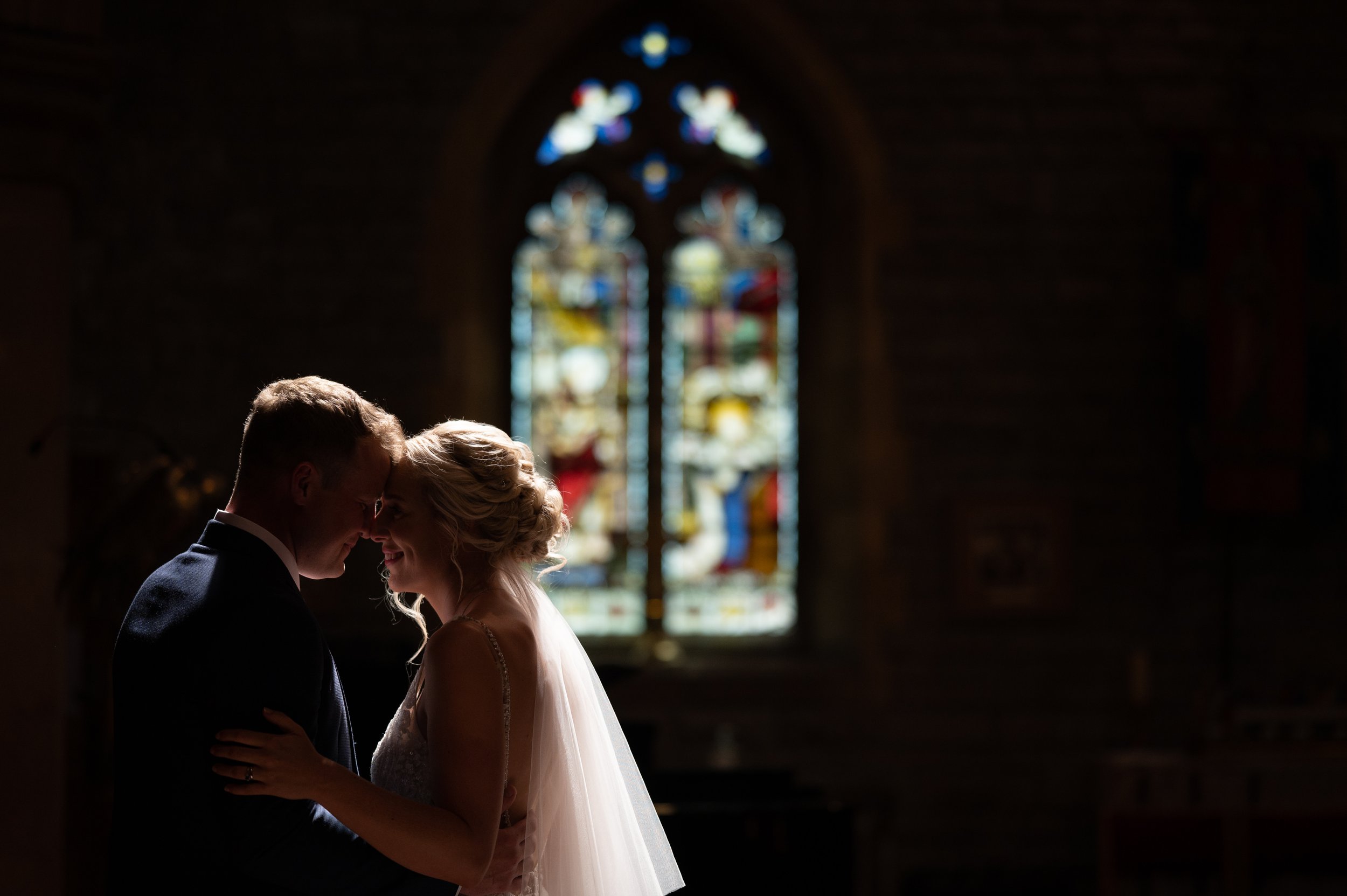
The most expensive lens in your kit bag is only as effective as the professional judgement behind the shutter. In the fast-paced environment of a 2026 wedding, the difference between a career-defining portrait and a discarded blur often rests on a single millimetre of focus. If you've ever felt the sting of a missed kiss or a soft aisle walk, you understand that mastering aperture settings for wedding photography isn't merely a technical requirement; it's the foundation of your professional reputation.
We recognise that balancing the ethereal beauty of a shallow depth of field with the rigorous demands of sharp, multi-subject compositions is a sophisticated challenge. This guide serves as your definitive roadmap to achieving technical excellence in any environment, from the dim light of a traditional ceremony to the unpredictable flare of an outdoor reception. You'll discover how to transition from reactive shooting to intentional artistry, allowing you to develop a signature look that commands higher fees and secures your place in a competitive market. We shall examine the precise f-stops required for every pivotal moment, ensuring your portfolio reflects the high standards expected of a modern professional.
Key Takeaways
Understand how to use aperture as a deliberate narrative tool, directing the viewer’s attention toward the emotional core of every frame.
Learn the specific aperture settings for wedding photography required for each phase of the day, ensuring technical precision from the morning preparations to the ceremony.
Discover the professional 'sweet spot' that balances artistic background blur with the necessary sharpness required for high-stakes, multi-subject moments.
Gain the confidence to troubleshoot focus issues in real-time, preventing soft images during critical sequences like the first kiss or the aisle walk.
Transition from basic technical execution to a refined creative vision by using consistent aperture control to build a cohesive, signature portfolio.
Table of Contents
Aperture in Wedding Photography: Directing the Narrative Focus
Troubleshooting Focus and Depth of Field in High-Pressure Environments
Aperture in Wedding Photography: Directing the Narrative Focus
Aperture serves as the primary tool for establishing visual hierarchy within a photograph. While the exposure triangle balances light, aperture specifically dictates what is important. In the professional wedding market of 2026, clients often seek a signature look that distinguishes professional work from high-end smartphone captures. This aesthetic is frequently defined by a sophisticated use of depth of field, where the subject is isolated with precision. Selecting appropriate aperture settings for wedding photography allows you to guide the viewer’s eye, ensuring the emotional core of the image remains the undisputed focus.
The Science of Depth of Field
A foundational step in mastering this craft is understanding aperture and its physical relationship with your equipment. Three factors determine your depth of field: the f-stop, the focal length of your lens, and your physical distance from the subject. For instance, a 35mm lens at f/1.4 creates a different sense of space than an 85mm lens at the same setting. The plane of focus is a flat slice of space where everything is sharp; if you tilt your camera or your subjects aren't on the same plane, you risk one person being soft. This is especially critical on full-frame sensors, which are the industry standard for their ability to produce a shallower perceived depth of field compared to crop-sensor bodies.
Directing Attention in Chaotic Environments
UK wedding venues present unique challenges, from cramped preparation rooms to expansive country estates. Wide apertures are your most effective tool for cleaning a scene. If a hotel room is cluttered with bags and coffee cups, shooting at f/1.8 or f/2.2 allows you to render those distractions into a soft, pleasing blur. This technique ensures the bride or groom remains the focal point despite the surrounding chaos.
Conversely, capturing the scale of a grand ballroom or a historic church requires a narrower aperture. You'll often need to stop down to f/5.6 or f/8 to ensure the architecture remains legible and the sense of place is preserved. Balancing these aperture settings for wedding photography in low-light environments is a hallmark of the professional. It requires a disciplined approach to ensure you don't sacrifice necessary depth just to gain more light, maintaining the high standards expected by the Institute of Wedding Photographers.
Balancing Artistry and Accuracy: Choosing the Right F-Stop
The allure of shooting "wide open" at f/1.2 or f/1.4 is significant. It creates that dreamy, ethereal look that many couples love. However, it's also a high-stakes gamble. At these ultra-wide apertures, the depth of field is paper-thin. A slight movement from the photographer or the subject can result in an out-of-focus eye or a soft face. For critical moments like the exchange of rings, the risk often outweighs the reward.
Most professionals rely on the "sweet spot" between f/2.8 and f/4. This range provides a beautiful separation between the subject and the background while offering enough of a focus buffer to ensure sharpness. It's the workhorse of the wedding day. When you move to group portraits, the rules change. You'll need to stop down to f/5.6 or f/8 to ensure everyone across multiple rows stays sharp. Professional wedding photography tips often emphasise this safety margin to avoid the heartbreak of a soft family photo.
Conversely, avoid the temptation to stop down too far, such as f/16 or f/22. While you might want maximum depth of field for a wide landscape shot of the venue, these narrow apertures introduce diffraction. This physical phenomenon actually reduces overall image sharpness. Stick to the mid-range for the best optical performance and clarity.
The 'Safe' vs. 'Artistic' Aperture Framework
Effective aperture settings for wedding photography require a mental shift between "must-have" and "creative" shots. For the walk down the aisle, focus is non-negotiable; f/2.8 or f/4 is your friend. For a quiet moment of the bride looking out a window, f/1.4 adds immense artistic value. Many modern cameras allow you to save these configurations into custom modes, letting you toggle between an "action" aperture and a "portrait" aperture in a split second.
Lens Choice and Aperture Limitations
Your choice of glass dictates your creative boundaries. Prime lenses offer the widest apertures but lack versatility. Zoom lenses, specifically those with a constant f/2.8 aperture, are essential for professional work in 2026. If you're just starting out, understanding the basics of a digital slr for beginners will help you choose the right tools for the job. Constant aperture zooms ensure your exposure stays consistent as you zoom in and out, which is vital during a fast-moving ceremony. To refine these skills further, you might consider enrolling in our wedding photography courses to see these principles in action.
The Wedding Day Roadmap: Aperture Settings by Phase
Navigating a wedding day requires more than just artistic flair; it demands a tactical approach to your camera's dial. As the day progresses, your technical requirements shift from the quiet intimacy of the morning to the high-stakes precision of the ceremony and the energetic chaos of the dance floor. Establishing a reliable set of aperture settings for wedding photography ensures you remain focused on the narrative rather than fumbling with settings during fleeting moments.
Morning preparations typically call for wider apertures like f/1.8 to f/2.8. This allows you to isolate the bride or groom from the inevitable clutter of a busy dressing room, creating a sense of calm and focus. During the ceremony, stability becomes paramount. While f/1.4 is tempting, f/2.8 offers a safer margin for the processional walk. Once the couple reaches the altar, stopping down to f/4 ensures that both faces remain sharp, even if they aren't standing on the exact same plane of focus.
Capturing the Details: Rings, Shoes, and Flowers
Detail shots require a specific discipline. While f/2.8 is often the default for "bokeh", it can be deceptively shallow for macro work. If you're photographing the rings, f/2.8 might leave the prongs sharp but the hallmark soft. For stationery flat-lays, f/5.6 is often necessary to ensure every word of the invitation is legible from corner to corner. If you want to master these nuances, our photography courses and workshops provide the hands-on styling experience needed to elevate these shots into portfolio highlights.
The High-Pressure Ceremony Workflow
The ceremony is a test of reaction speed. When shooting wide open, modern eye-autofocus systems are indispensable for maintaining sharpness on moving subjects. However, you must be prepared to adjust your aperture settings for wedding photography instantly as the couple moves between pools of light and shadow. A quick shift to f/2.8 provides the reliability needed for the first kiss, where there's no second chance for a retake.
Family formals and the reception bring their own rules. For group portraits, use the "f-stop per row" rule: f/5.6 for two rows and f/8 for three or more. This ensures the grandparents in the back are just as clear as the couple in the front. As the evening concludes, f/2.8 works well for speeches, but the dance floor usually requires f/4 or f/5.6. This narrower range, combined with flash, provides the depth needed to capture the movement and energy of the party without losing focus in the crowd.
Troubleshooting Focus and Depth of Field in High-Pressure Environments
Even with a firm grasp of aperture settings for wedding photography, technical failures can occur under the intense pressure of a live event. You might find that your images appear "soft" even when shooting at a supposedly safe f/2.8. Often, this isn't a failure of the lens, but a mismatch between the focus plane and your shutter speed. If your subject is moving and your shutter is too slow, motion blur can easily be mistaken for a missed f-stop. Maintaining a shutter speed that is at least double your focal length is a reliable baseline to ensure that your chosen aperture performs as intended.
The "first kiss" is perhaps the most high-stakes moment for focus. To prevent disaster, many professionals stop down slightly more than usual, perhaps to f/3.2 or f/3.5, to provide a larger margin for error. If you do miss the focus, your only recovery is often a wider shot from a second shooter or a creative crop in post-production. Prevention through disciplined technique is always the superior path, as it preserves the integrity of the high-resolution files your clients expect.
Mastering the Focus Plane
Visualising your depth of field is a skill that separates hobbyists from masters. When you're photographing a couple, they must be on the same horizontal plane if you're shooting at a wide aperture. If one partner leans in, their eyes will fall out of that narrow slice of sharpness. Group portraits present a similar challenge. If the back row of a family group is soft, it's likely because you haven't stepped back far enough or your aperture is too wide for the depth of the group. Increasing your distance from the subjects naturally deepens the focus plane. You can find more detailed guidance on maintaining technical precision in our photography tips.
Navigating Dark Venues
In dim UK churches or historic manor houses, you'll face a dilemma: keep the aperture wide to let in light, or stop down for safety. We recommend prioritising a sharp shutter speed over a low ISO. A grainy image is often usable; a blurry one is not. Using a subtle fill flash allows you to use safer aperture settings for wedding photography, such as f/4, while maintaining a clean image. If you find these split-second decisions daunting, our wedding photography training course in the UK offers the structured guidance needed to handle these environments with absolute confidence.
Beyond the Settings: Developing Your Professional Intuition
Once you've memorised the standard aperture settings for wedding photography, the next stage involves internalising these choices until they become instinctive. Professional intuition isn't about guessing; it's the ability to read a scene and select an f-stop that doesn't just work, but actively enhances the story. High-paying clients in 2026 aren't merely looking for technical accuracy. They're seeking a cohesive visual narrative that reflects a photographer's unique perspective and creative discipline. This level of mastery allows you to stop thinking about the gear and start thinking about the legacy you're creating for the couple.
Consistency is the hallmark of a seasoned professional. If your portfolio jumps erratically between ultra-shallow depth of field and deep, distracting backgrounds, it suggests a lack of intentionality. Consistency builds trust. By mastering your aperture, you create a thread of visual continuity that establishes confidence with prospective couples. The Institute of Wedding Photographers provides the structured environment needed to refine these instincts, moving you beyond the "safety" of mid-range settings to achieve a truly sophisticated artistic vision. Achieving this level of control is what separates those who take photographs from those who craft imagery.
Portfolio Building and Professional Validation
Our Wedding Photography Portfolio Builder Workshop is designed specifically to hone these instincts in a high-pressure, controlled setting. During these sessions, you'll receive immediate, expert critique on your choices, helping you identify subtle depth-of-field errors that might otherwise go unnoticed until post-production. This rigorous process is essential for anyone looking to prepare their work for the IOWP Wedding Photography Awards, where technical precision and creative use of light are evaluated by industry leaders. Validation from such a body serves as a powerful signal to the market that your skills meet the highest professional standards. It's this level of recognition that helps you justify premium pricing to your clients.
The Path to Mastery through Mentorship
While online tutorials provide a foundation, the wedding industry moves too quickly for self-teaching to be your only strategy. True mastery often requires a steady hand to guide your growth and challenge your assumptions. The Wedding Photography Mentorship Program offers personalised feedback that targets your specific weaknesses, whether you struggle with low-light transitions or maintaining consistent aperture settings for wedding photography. Joining a community of like-minded professionals through the Institute of Wedding Photographers ensures your standards remain high and your career path remains viable. It's about moving from a hobbyist mindset to a validated, professional standing that commands respect and higher fees. This transition ensures you aren't just reacting to the wedding day, but actively directing it.
Securing Your Professional Legacy
Mastering the technical roadmap of a wedding day is a significant milestone in any photographer's career. It requires a transition from simply "getting it right" to executing a deliberate artistic vision. By internalising the specific aperture settings for wedding photography discussed in this guide, you ensure that every frame serves the narrative; from the soft intimacy of the bridal suite to the sharp, authoritative group portraits. This level of control doesn't just produce better images; it builds a cohesive portfolio that commands higher-paying commissions.
True mastery flourishes best through structured feedback and real-world application. You can elevate your craft at our next Wedding Photography Workshop, where you'll learn from industry leaders in professional destination settings. These workshops offer the chance to build a high-end portfolio with professional models and styling while gaining IOWP accreditation for vital industry recognition. It's the most effective way to validate your skills and join a community of high-standard professionals. Your path to excellence is a journey of constant refinement, and we're here to provide the steady hand you need to reach your full creative potential.
Frequently Asked Questions
What is the best aperture for wedding portraits?
The ideal aperture for wedding portraits generally falls between f/1.4 and f/2.2. This range provides the sophisticated subject separation and creamy background blur that high-paying clients expect in 2026. While prime lenses allow for these wider settings, you must ensure your focus plane is perfectly aligned with the subject's eyes. Achieving this look consistently is a core component of building a professional portfolio that stands out in a competitive national market.
Should I always shoot at the widest aperture my lens allows?
You shouldn't always shoot at your lens's widest setting. While f/1.2 offers beautiful bokeh, the paper-thin depth of field increases the risk of soft images during critical moments. Selecting the correct aperture settings for wedding photography involves balancing artistic vision with technical safety. Most professionals find their sweet spot around f/2.8, which provides enough sharpness and focus buffer to handle moving subjects without sacrificing the professional aesthetic.
How do I keep everyone in focus for large family group photos?
To keep everyone sharp in large family groups, you should use an aperture of f/5.6 or f/8. A common professional rule is to use one f-stop per row of people; for example, f/5.6 for two rows or f/8 for three. This ensures the depth of field is deep enough to cover everyone from the front to the back. Stepping back also naturally increases your focus plane depth, helping maintain clarity across the entire group.
What aperture should I use for the wedding ceremony?
During the wedding ceremony, f/2.8 is the professional standard for the processional walk. Once the couple is stationary at the altar, stopping down to f/4 is often safer to ensure both partners remain sharp in the frame. These aperture settings for wedding photography allow you to manage varying light levels in traditional UK venues while maintaining the high standards required for professional validation and industry awards.
Is f/2.8 wide enough for low-light wedding receptions?
An aperture of f/2.8 is certainly wide enough for low-light receptions, especially when paired with a subtle fill flash. While f/1.4 lets in more light, it often leads to focus hunting in dark environments. It's usually better to increase your ISO or use artificial lighting than to risk a blurry image at an ultra-wide aperture. Prioritising a sharp shutter speed over a low f-stop is a hallmark of professional discipline and stable results.
How does aperture affect the 'bokeh' in my wedding photos?
Aperture directly controls the quality and quantity of bokeh by determining the depth of field. A lower f-number creates a shallower focus plane, which renders background highlights into soft, circular orbs. This effect helps direct the viewer's eye toward the emotional centre of the image. Mastering this relationship is essential for creating the aspirational, high-end look that distinguishes professional work from hobbyist snapshots in the modern industry.
Can I use a kit lens for wedding photography aperture settings?
While you can use a kit lens, it often lacks the constant wide aperture needed for professional results. Most kit lenses have variable apertures, such as f/3.5 to f/5.6, which can make shooting in dim churches or reception venues extremely difficult. For those serious about a career path in this discipline, investing in a constant f/2.8 zoom lens is a vital step toward achieving the consistency expected by the Institute of Wedding Photographers.
Why are my wedding photos blurry even though I used a low f-stop?
Blurry photos at a low f-stop are often the result of motion blur rather than a focus error. If your shutter speed is too slow, even a perfectly focused f/1.8 shot will look soft due to camera shake or subject movement. Ensure your shutter speed is at least double your focal length. Alternatively, you may have missed the focus plane entirely, which is a common challenge when shooting wide open in high-pressure environments.