
Mastering the Rule of Thirds in Wedding Photography: A 2026 Professional Guide
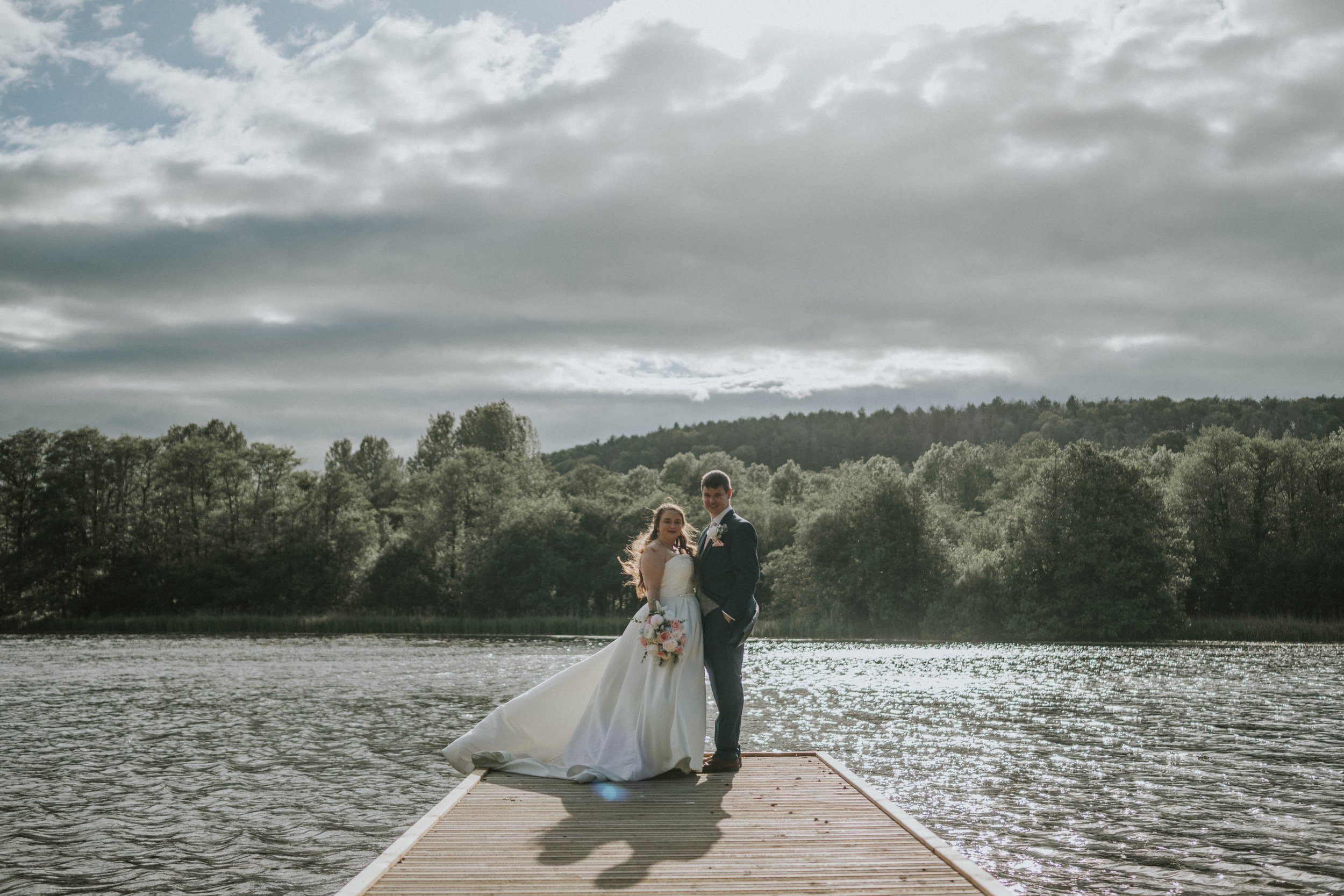
A single frame can be the definitive bridge between a fleeting snapshot and a timeless heirloom, yet even the most experienced professionals occasionally struggle to find order within the vibrant chaos of a wedding day. You likely recognise the frustration of a perfectly timed kiss or a tearful exchange that feels diminished by a static or cluttered composition. Mastering the rule of thirds in wedding photography is not about adhering to a rigid constraint, but rather adopting a flexible framework that ensures your subjects remain the undeniable focal point of every narrative.
This guide provides a structured path to refining your compositional eye, allowing you to create more dynamic and visually harmonious imagery that meets the high standards of the IOWP. We will examine how to balance visual weight during live events and provide the clarity needed to decide when to follow these principles and when to intentionally break them. By the end of this professional guide, you will possess the discipline to organise chaotic environments into polished, gallery-ready work that distinguishes your career in a competitive market.
Key Takeaways
Understand how to utilise the 3x3 grid as a visual power grid to organise chaotic wedding environments into balanced, professional compositions.
Learn to apply the rule of thirds in wedding photography to frame high-emotion moments, such as the ceremony entrance, with greater narrative intent.
Identify the specific artistic scenarios, such as formal portraits, where breaking the rule in favour of centred symmetry creates a more prestigious aesthetic.
Discover practical techniques for refining your frame, including the use of in-camera overlays and post-processing tools to ensure a high-standard finish.
Gain insight into how professional mentorship and structured feedback can help you formalise your talent and build a portfolio worthy of industry recognition.
Table of Contents
Understanding the Rule of Thirds for Wedding Imagery
The rule of thirds is often described as a compositional "power grid" that exists within your viewfinder. By mentally dividing your frame into nine equal segments using two horizontal and two vertical lines, you create a map for your subject's placement. This Understanding the Rule of Thirds framework relies on four specific intersections, often called "power points," where the eye naturally looks first. While beginners may instinctively place a couple in the dead centre of the frame, mastering the rule of thirds in wedding photography allows you to move beyond static, predictable shots. It serves as a vital foundation for modern wedding photography, providing a reliable structure that works even when the environment is unpredictable.
The Psychology of Visual Balance
Human vision doesn't naturally rest in the centre of a canvas; it seeks a journey across the image. Placing your subjects at the intersections of the grid creates a sense of energy and narrative tension that a centred composition often lacks. By positioning the couple off-centre, you give the subject "room to breathe" within the environment, which allows the viewer to appreciate the context of the venue without losing sight of the emotional core. These power points act as anchors, directing the viewer’s gaze exactly where you want it to land, whether that's on a groom's expression or the intricate detail of a bridal veil.
Rule of Thirds vs. the Golden Ratio
In the study of classical art, the Golden Ratio and its associated Fibonacci spiral are often cited as the pinnacle of aesthetic perfection. While this mathematical spiral offers a sophisticated flow, it's frequently too complex to calculate during the split-second moments of a live ceremony. Using the rule of thirds in wedding photography provides a reliable shortcut to visual harmony that more complex ratios cannot always offer in the heat of the moment. Aligning your vision with the principle of thirds ensures you maintain high professional standards without missing the candid interactions that define a wedding day. It’s a disciplined approach that balances technical precision with the need for creative agility.
Applying the Principle to Key Wedding Moments
Translating compositional theory into the high-pressure environment of a live event requires a disciplined eye. When you're applying the principle to key wedding moments, the grid becomes a tool for storytelling rather than just a technical guide. By utilising the rule of thirds in wedding photography, you can quickly organise the visual field during a 'first look' or ceremony entrance. Aligning the bride or groom along a vertical line allows you to capture their emotional expression while leaving ample space to showcase the grandeur of the venue.
For intimate close-up portraits, placing the subjects' eyes on the upper horizontal third creates a more engaging and natural connection with the viewer. When managing larger groups, you can balance the wedding party across the vertical grid lines to prevent the frame from feeling lopsided or crowded. This approach ensures every element, from the couple to the floral arrangements, has a dedicated place within the composition. Mastering the rule of thirds in wedding photography ensures that even the busiest frames remain legible and professionally balanced.
Framing the Ceremony and Vows
During the exchange of vows, try positioning the couple on one vertical third while placing the officiant on the opposite third. This creates a balanced dialogue within the frame. As the couple walks down the aisle, track them along one of the vertical lines to maintain a sense of direction and momentum. You can also use the bottom horizontal third to anchor foreground elements, such as pew ends or floral displays, which adds depth to the shot without distracting from the main subjects.
Candid Reception Moments
Receptions are notoriously chaotic, but the grid helps maintain order. When capturing the cake cutting, place the couple on a vertical intersection to avoid a cluttered background. For the first dance, frame the couple on one third to allow the background guests' reactions to fill the remaining space, capturing the atmosphere of the room. When speeches begin, you can balance the speaker against the listening audience by using the two vertical thirds, creating a dynamic relationship between the action and the reaction.
If you're looking to refine these techniques in a live setting, our wedding photography courses provide the hands-on experience needed to master composition under pressure.
Beyond the Basics: When to Break the Rule
While the grid provides a reliable safety net, the true hallmark of a master is knowing when to discard it. In the context of professional development, we must view these principles as guidelines for best practice rather than immutable laws. Breaking the rule of thirds in wedding photography allows you to introduce artistic flair that distinguishes your work from standard commercial offerings. You might choose to use "extreme thirds," where the subject is placed right at the edge of the frame, to create a sense of movement or anticipation. Alternatively, ignoring the grid can help you highlight a specific architectural feature of a prestigious venue, such as a modern glass facade or an ancient stone archway. For more Practical Composition Tips, it's helpful to see how industry leaders push these boundaries to create a unique visual signature.
Centred Symmetry for Impact
There are specific moments where a centred composition feels more stable and authoritative than a third-based one. When you're working with the strong leading lines of a church aisle or the sweeping curves of a grand staircase, placing the couple perfectly in the centre creates a powerful sense of scale and tradition. This symmetrical approach is a staple of "fine art" wedding photography. It communicates a formal elegance that off-centre placements sometimes lack. By aligning the couple with the central axis of a grand venue, you create a timeless, iconic image that feels grounded and prestigious. It is a deliberate choice that signals confidence in your compositional intent.
Mastering Negative Space
Mastery also involves the strategic use of negative space. By placing a small subject on a third line and surrounding them with a vast area of "empty" space, you can convey a profound sense of peace, solitude, or even the sheer grandeur of a landscape venue. This technique transforms a simple portrait into a cinematic narrative that feels both modern and evocative. You can explore various examples of this high-standard work in the Institute of Wedding Photographers gallery. Using negative space effectively requires a disciplined eye. It relies on the relationship between the subject and the environment to tell a story that feels intimate yet expansive. It’s an excellent way to add variety to a portfolio, proving that you understand how to use the entire frame to evoke emotion.
Elevating Your Portfolio: Practical Composition Tips
Transitioning from theoretical knowledge to practical execution requires a shift in how you interact with your equipment. Most modern mirrorless and DSLR cameras allow you to enable a 3x3 grid overlay in the viewfinder or on the LCD screen, which provides a constant reference point for the rule of thirds in wedding photography. Beyond subject placement, you should pay close attention to the horizon line. Placing the horizon in the exact centre of the frame often results in a bifurcated, uninteresting image that lacks a clear focal point. Instead, align the horizon with the upper or lower horizontal line to give prominence to either the venue's architecture or the foreground details. To create a sense of narrative flow, always align the subject's gaze toward the "open" side of the grid, allowing the viewer to follow their line of sight into the rest of the frame.
In-Camera Techniques for Faster Workflow
Training your eye to recognise the grid without relying on an electronic overlay is a hallmark of professional progression. A common technique is focus-and-recompose; you lock focus on the subject's eyes using a central point and then shift the camera to place them on a third before releasing the shutter. This allows for sharp focus while maintaining a dynamic composition. When capturing movement, such as the couple walking through a shower of confetti, you must anticipate their path. Frame the shot so they are "walking into" the empty two-thirds of the grid, which creates a feeling of momentum rather than an abrupt exit from the frame.
Cropping for Professional Polish
Even with a disciplined approach, the speed of a live wedding can lead to imperfect framing. Using post-processing crop tools in Lightroom or Photoshop allows you to "fix" these moments, transforming a safe, centred shot into a dynamic composition. It's essential to maintain standard aspect ratios while repositioning your subject on the power points to ensure the final image looks intentional and polished. This level of precision is often what separates a standard gallery from work that meets IOWP award standards. Refining your work in post-production ensures every deliverable reflects the high standards expected of a professional certification.
To refine your technical execution and receive expert critique on your framing, we encourage you to join our Wedding Photography Portfolio Builder Workshop and take the next step in your professional journey.
Advancing Your Career with the Institute of Wedding Photographers
Transitioning from a proficient shooter to an industry-recognised professional requires more than just technical skill; it demands the formalisation of your creative process. The Institute of Wedding Photographers Academy serves as the definitive environment for this progression, offering a structured curriculum that bridges the gap between artistic passion and commercial success. While earlier sections explored the mechanical application of the rule of thirds in wedding photography, the Academy focuses on the nuance of these decisions through personalised feedback. Engaging with expert mentors allows you to understand the deeper intent behind your framing. This ensures your work possesses the gravitas and professional validation expected of a certified professional.
Hands-on Workshops and Mentorship
Practical experience remains the most effective way to refine your artistic voice and attain your professional goals. The 4 Day Photography Workshop at Ceconi Castle provides a prestigious, focused setting to build a world-class portfolio, allowing you to experiment with complex framing away from the immediate pressures of a live commission. For those seeking sustained growth, the Wedding Photography Mentorship Program offers long-term guidance tailored to your specific career path. Receiving professional critique from established masters is essential for identifying the subtle habits that may be holding your work back. This human element of the learning process is what distinguishes our curriculum from automated platforms, ensuring your path to mastery feels both attainable and supported.
Achieving Industry Excellence
Mastery of the rule of thirds in wedding photography is a key criterion for success when submitting work to the International Organisation of Wedding Photographers (IOWP) awards. These accolades provide a level of professional validation that builds immediate trust with couples who prioritise quality and emotion. Transitioning from a self-led enthusiast to a member of the Institute of Wedding Photographers signals a commitment to high industry standards and lifelong learning. By joining this modern guild, you gain a significant competitive advantage in a crowded market. The path to mastery is a deliberate journey, and our certification offers a sense of permanence and validated achievement that positions you as a steady hand in an ever-changing digital landscape.
Elevating Your Professional Narrative
Mastering the rule of thirds in wedding photography represents a fundamental shift from reactive shooting to intentional storytelling. We have explored how this grid serves as a reliable framework for organising the vibrant chaos of a live ceremony and how, conversely, the courage to subvert these guidelines can result in powerful, symmetrical art. Ultimately, your ability to balance technical precision with creative intuition is what will define your unique visual signature and professional standing in a competitive global market.
To further your journey toward industry leadership, you can refine your craft at the Institute of Wedding Photographers Academy. Through our dedicated mentorship programmes and hands-on workshops at Ceconi Castle, you will receive the personalised feedback necessary to polish your portfolio for IOWP recognition. By committing to this structured path of mastery, you move beyond the basics and into the realm of certified excellence. We encourage you to take this step and formalise your talent within a community dedicated to the highest standards of the craft.
Frequently Asked Questions
What is the rule of thirds in wedding photography?
The rule of thirds in wedding photography is a compositional guideline that divides the frame into nine equal parts using two horizontal and two vertical lines. By placing subjects on these lines or their intersections, you create a more balanced and engaging image. In a wedding context, this helps you manage the visual weight of the couple against the background elements or the grand architecture of a venue.
Can I use the rule of thirds for vertical wedding portraits?
Yes, the rule of thirds is equally effective in vertical orientation. When shooting a full-length bridal portrait, you might align the bride along one of the vertical thirds while leaving the remaining space for the dress train or venue details. This prevents the subject from looking stuck in the middle and adds a sense of elegance and intentional space to the final, professional portrait.
How do I turn on the rule of thirds grid on a mirrorless camera?
You can typically find this option in the camera's display or shooting menu under grid display or framing guideline. Most modern mirrorless systems from brands like Sony or Canon offer a 3x3 grid specifically for this purpose. Enabling this overlay in your electronic viewfinder allows you to compose shots with high precision during fast-paced wedding moments without having to guess your subject placement or alignment.
Is it ever okay to break the rule of thirds in wedding photos?
It's definitely acceptable to break the rule of thirds when you want to achieve a specific artistic effect, such as centred symmetry. Formal portraits in grand church aisles often benefit from central placement to emphasise scale and tradition. These guidelines are frameworks for best practice, but your creative intuition should dictate when a different composition serves the emotional narrative of the wedding day better.
Does the rule of thirds affect the cost of a wedding photographer?
While the rule itself doesn't have a price tag, the mastery of such compositional techniques is a marker of a high-standard professional. Photographers who consistently deliver balanced, narrative-driven imagery often command higher fees because their work reflects a level of discipline that hobbyists lack. It is one of many technical proficiencies that define the commercial value of a professional certification and an award-winning portfolio.
How can I practice the rule of thirds without a real wedding?
You can practice by photographing everyday scenes to train your eye to see the grid instinctively. Try placing a friend or a specific object on the intersections while walking through a park. This helps you build the muscle memory needed to apply the rule of thirds in wedding photography during the high-pressure moments of a live event. It's an excellent way to prepare for professional certification.
What are the four power points in the rule of thirds?
The four power points are the specific locations where the horizontal and vertical grid lines intersect. These spots are where the human eye naturally gravitates when first viewing an image. Placing the most important elements of your shot, such as the couple's eyes or the exchange of rings, on these points ensures that your main subjects command immediate attention and maintain a sophisticated visual balance.
How does the rule of thirds help with storytelling in weddings?
This technique helps with storytelling by providing context and direction within a single frame. By placing the couple on a vertical third and leaving the rest of the frame open, you allow the viewer to see the environment or the reactions of the guests. It creates a visual journey that explains not just who is in the photo, but the atmosphere and setting surrounding the moment.