
Best Aperture Settings for Wedding Photography: A Professional Masterclass
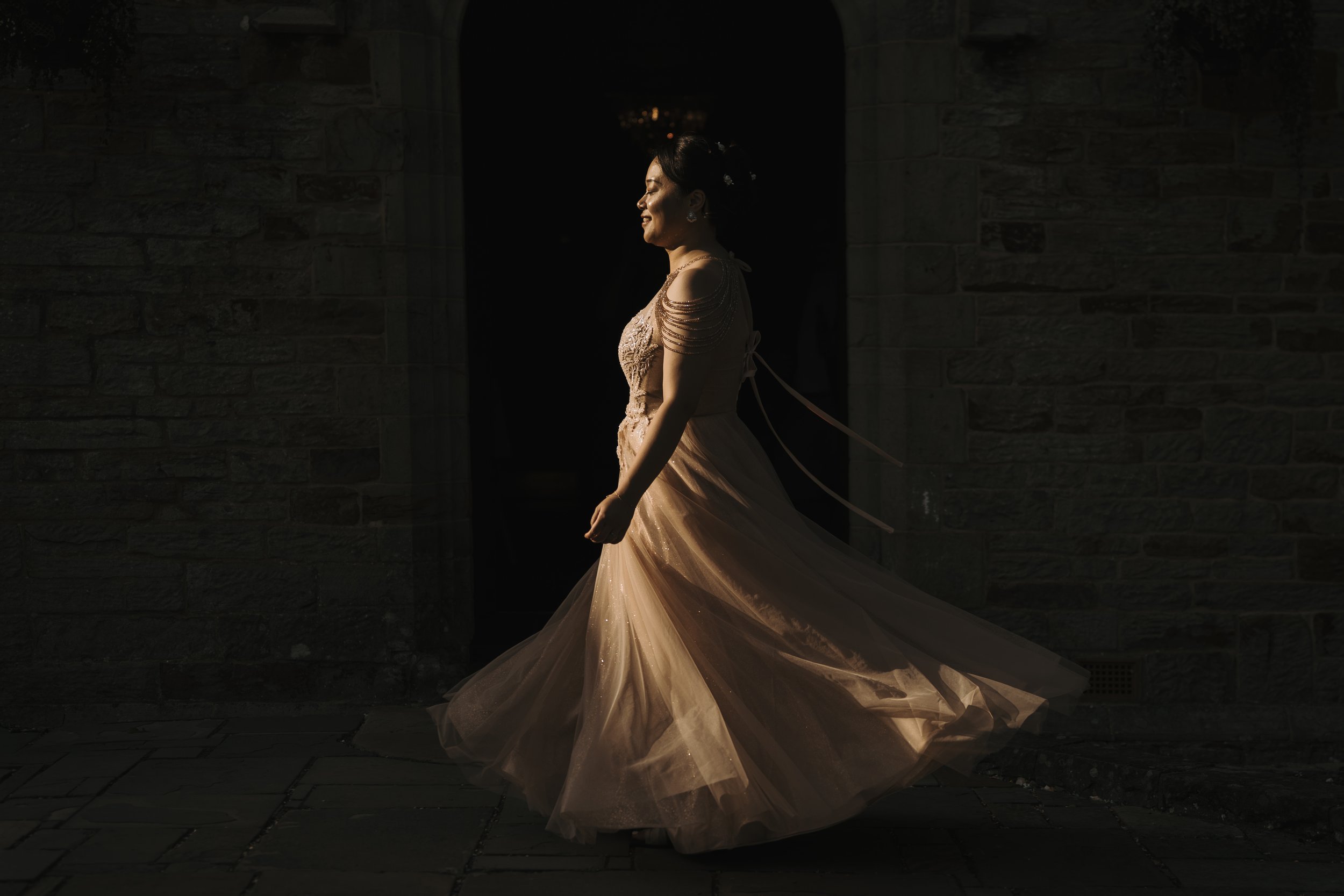
Aperture in wedding photography is far more than a mere adjustment for exposure; it's the narrative gatekeeper that dictates exactly what your viewer is permitted to feel. Finding the best aperture settings for wedding photography is often the difference between a generic snapshot and a professional masterpiece that captures the soul of the occasion. It's a delicate balance where a fraction of a stop can either isolate a bride in a sea of creamy bokeh or leave a groom's features frustratingly soft.
We understand the quiet panic of shooting wide open during a ceremony only to realise the focus has drifted, or the struggle of keeping images from looking flat in a dimly lit reception hall. This professional masterclass will guide you through the art of selective focus and precise light management, ensuring you can produce world-class imagery in any environment. You'll learn how to achieve crisp, sharp group shots and maintain consistent exposure across the entire wedding day. From the hallowed halls of a cathedral to the energetic dance floor, we'll explore the technical discipline required to transform your creative vision into a validated professional portfolio.
Key Takeaways
Understand how to use aperture as a narrative tool to establish visual hierarchy, ensuring the couple remains the undisputed focal point of every frame.
Master the technical relationship within the exposure triangle to achieve sharp, noise-free images in challenging low-light environments like historic churches.
Identify the best aperture settings for wedding photography across different segments of the day, from expansive group shots to intimate, shallow-focus portraits.
Implement a variable aperture strategy and "safety stops" to maintain technical consistency and avoid missed focus during fast-moving ceremony transitions.
Refine your creative vision by moving beyond safe settings to develop a signature style that provides a distinct competitive advantage in the professional industry.
Table of Contents
The Narrative Power of Aperture in Wedding Storytelling
Think of aperture as the eye of your camera. It functions as a physical opening that regulates the volume of light reaching the sensor while simultaneously defining the depth of your focus. Gaining a technical understanding aperture is the first step toward moving beyond basic documentation and into the territory of intentional artistry. By adjusting this setting, you aren't just managing exposure; you're deciding which parts of a wedding day’s story are essential and which are merely context.
Selecting the best aperture settings for wedding photography is rarely about finding a single "correct" f-stop; it's about determining which elements of the scene deserve clarity and which should recede. This process establishes a visual hierarchy. In a crowded church or a busy reception room, your choice of aperture allows you to isolate the couple from the guests, ensuring the viewer's eye goes exactly where you intend. Aperture serves as the primary tool for managing visual clutter in uncontrolled environments.
This choice often forces a balance between two distinct professional styles. A "fine art" approach frequently utilises wide apertures like f/1.2 or f/1.8 to create a soft, ethereal look that prioritises emotion and light. Conversely, a "documentary" style might require you to stop down to f/5.6 or f/8. This ensures that the environment, the reactions of the guests, and the intricate details of the ceremony are all preserved with equal sharpness, providing a comprehensive record of the event.
Beyond Bokeh: Aperture as a Creative Choice
While many beginners gravitate toward shooting wide open to achieve a blurry background, this isn't always the most professional choice for storytelling. Using f/4 or f/5.6 allows you to include the venue's architecture as a meaningful part of the couple's narrative. A sharp background can anchor a portrait in a specific location, such as a grand manor or a historic garden, whereas a completely soft background loses that sense of place. There is a profound emotional difference between a dreamlike blur and a crisp, detailed scene that feels like a grounded memory.
The Institute of Wedding Photographers Standard for Technical Excellence
Within the framework of professional certification, mastering these settings under intense pressure is a non-negotiable skill. Every frame in a wedding gallery must demonstrate intentionality, showing that the photographer chose their settings with purpose rather than relying on luck. If you're looking to bridge the gap between hobbyist and professional, the Institute of Wedding Photographers Academy provides the structured guidance needed for foundational mastery. True excellence comes from knowing exactly how your equipment will react before you even press the shutter.
Technical Foundations: Balancing Depth of Field and Light
Aperture doesn't function in isolation. It's a critical component of the exposure triangle, working alongside shutter speed and ISO to balance light. In the context of a dimly lit UK church or a historic stone manor, your choice of f-stop dictates how hard the other two settings must work. If you choose a narrow aperture to ensure everything is sharp, you'll likely need to push your ISO higher, which can introduce unwanted grain. Mastery involves knowing when to prioritise aperture to maintain a specific aesthetic, even if it means pushing your camera's sensor to its limits.
Depth of field is perhaps the most misunderstood element of these technical foundations. It's the zone of "acceptable sharpness" within a frame. Many photographers don't realise that sensor size significantly alters this perception. A full-frame camera at f/2.8 produces a much shallower depth of field than an APS-C sensor at the same setting. When you're searching for the best aperture settings for wedding photography, you must account for your specific gear to avoid accidentally blurring the groom's features while focusing on the bride's eyes.
Focal Length and the "Effective" Aperture
Focal length plays a massive role in how "safe" your aperture setting actually is. Shooting at f/1.8 on an 85mm lens is far riskier than using f/1.8 on a 35mm lens. This is because longer focal lengths physically narrow the depth of field, making the slice of focus incredibly thin. For close-up portraits, the safe zone for keeping both eyes sharp is minuscule at 85mm; even a slight movement can ruin the shot. However, telephoto lenses offer a compression effect that enhances bokeh, allowing you to use scenario-based aperture settings like f/3.2 or f/4 while still achieving a beautifully soft background.
Lens Quality and the "Sweet Spot"
Not all glass is created equal. While a lens might be rated at f/1.4, shooting "wide open" on budget optics often results in soft edges or chromatic aberration. Most professional lenses have a "sweet spot" for sharpness, typically one or two stops up from the maximum aperture. While f/2.8 zoom lenses are the versatile workhorses of the wedding industry, high-quality primes offer the extra light-gathering capability needed for the darkest venues. If you find maintaining technical consistency across different lenses a challenge, our wedding photography mentorship program provides the structured critique necessary to refine your technical execution.
Scenario-Based Settings: A Wedding Day Cheat Sheet
A wedding day is a fluid, high-pressure environment that demands a variable aperture strategy. Relying on a static setting is a professional liability; instead, you must adapt your f-stop to match the pace and lighting of each specific segment. This is where "safety stops" become essential. When action is unpredictable, such as the couple walking back up the aisle, stopping down slightly gives you a necessary margin for error. Mastering the best aperture settings for wedding photography involves knowing exactly when to prioritise artistic blur and when to favour technical precision.
Wedding Segment Recommended Aperture Primary Objective Bridal Preparations f/1.4 - f/2.2 Isolating delicate details and intimate emotions. Couple Portraits f/1.8 - f/2.8 Creating a soft, romantic separation from the background. Ceremony (Couple) f/2.8 - f/4.0 Ensuring both faces remain sharp during the vows. Large Group Shots f/5.6 - f/8.0 Maintaining a deep plane of focus for all guests. Speeches & Reception f/2.8 Managing low light while keeping the speaker in focus.
From Bridal Prep to the First Dance
During the morning preparations, wider apertures like f/1.4 to f/2.2 are ideal for capturing the intricate textures of the dress or the quiet moments of anticipation. These settings allow you to work in tight, often cluttered hotel rooms by blurring out distractions. As the day transitions to the ceremony, your wedding photography camera settings must shift to accommodate movement. While f/2.8 is a versatile workhorse for the couple, you'll need to stop down to f/5.6 to capture the full scale of the venue. By the time the first dance arrives, returning to f/2.8 provides the light-gathering capability needed for dark dance floors without sacrificing focus on the couple's movement.
Group Portraits: The f/5.6 Rule
The most common cause of rejected wedding images is shooting large groups at ultra-wide apertures. It's a technical trap; because the plane of focus is so thin at f/2.8, anyone standing even slightly behind the front row will appear soft. To ensure every face is tack-sharp for the family legacy, you must use f/5.6 or f/8. This deeper depth of field is non-negotiable for professional standards. If you're looking to practice these high-pressure transitions in a controlled, world-class environment, our 4 Day Photography Workshop at Ceconi Castle offers the perfect opportunity to refine your technical instincts.
Overcoming Common Aperture Challenges and Objections
The debate between Manual mode and Aperture Priority often intensifies during high-speed segments of a wedding day. While Manual offers absolute control, Aperture Priority can be a vital tool when moving rapidly between a dark chapel and a bright, sun-drenched courtyard. However, relying on automation requires a deep understanding of how your camera's metering system reacts to high-contrast environments. Achieving the best aperture settings for wedding photography isn't just about the f-stop; it's about managing physical lens limitations like chromatic aberration and vignetting, which often appear when shooting wide open in harsh UK sunlight.
One of the most persistent technical traps is the "focus and recompose" method. While this technique served photographers well for decades, it frequently fails at ultra-wide apertures like f/1.2 or f/1.4. Because the depth of field is so thin, even the slight tilt of the camera required to recompose the frame can move the plane of focus off the subject's eye. This results in "missed focus" shots that look acceptable on a small camera screen but lack professional sharpness when viewed at full resolution. Moving toward modern Eye-AF systems is essential for maintaining a competitive advantage in today's industry.
The Professional Focus Workflow
To ensure technical consistency, you should adopt a structured approach to every shot. This discipline prevents the common errors that lead to rejected frames. Follow these steps to verify your focus in real-time:
Evaluate the scene: Assess the number of subjects and their physical distance from one another to determine the necessary depth of field.
Select for depth: Choose an aperture that covers the deepest part of your primary subject, ensuring features like the nose and ears aren't lost to blur.
Verify with technology: Use Eye-AF to lock onto the subject's iris, confirming sharpness before the moment passes.
Review and adapt: Check your results on the LCD; if the background is distracting or the focus is "hunting," stop down by one or two clicks.
Low Light Survival Tactics
In dark reception rooms, many photographers feel pressured to shoot at f/1.2 to keep their ISO low. This is often a mistake. A sharp, grainy photo taken at f/4 is significantly more valuable than a blurry, clean photo at f/1.2. Don't be afraid to sacrifice a low ISO to maintain a manageable depth of field. Using off-camera flash is another professional solution, as it provides enough light to allow for smaller apertures, ensuring your images remain crisp even on a dark dance floor. If you're struggling with technical consistency in these high-pressure moments, our Wedding Photography Mentorship Program offers the personalised feedback needed to master these complex scenarios.
Elevating Your Professional Vision in 2026
Mastery of technical settings isn't the final destination; it's the foundation upon which your professional vision is built. While understanding the best aperture settings for wedding photography ensures your images are technically sound, the transition to a world-class standard requires moving beyond the "safe" middle ground. A true professional doesn't just avoid mistakes; they make deliberate choices that define a signature style. This level of technical intentionality is exactly what the IOWP Awards seek to validate, rewarding those who treat every f-stop adjustment as a creative statement rather than a mechanical necessity. Technical knowledge is only half the battle; mentorship provides the critical eye needed to bridge the gap between where you are and where you aspire to be.
Join the Institute of Wedding Photographers Community
Consistency is the hallmark of a professional, yet it's often the hardest trait to master in isolation. Our Wedding Photography Mentorship Program is designed to foster this growth, providing a structured environment where your work is critiqued by industry leaders who understand the commercial realities of the UK market. To build a portfolio that truly stands out, you can join our UK-wide Photography Workshops. These sessions offer hands-on experience in diverse environments, from urban settings to rural estates, allowing you to practice under pressure. You can find our upcoming schedule and secure your place by visiting the Wedding Photography Training Dates UK page.
The Ceconi Castle Experience
For those seeking the ultimate environment to refine their craft, our 4-Day Photography Workshop at Ceconi Castle represents the pinnacle of immersive learning. Set against a fairy-tale backdrop, this experience allows you to master light and the best aperture settings for wedding photography under the tutelage of world-renowned mentors. You won't just learn settings; you'll receive personalised feedback that challenges your technical choices and refines your artistic instincts. This immersive approach accelerates your career far more effectively than self-study ever could. It transforms your technical discipline into a formidable competitive advantage, ensuring you return to your business with the confidence to command premium fees and deliver exceptional results.
Mastering the Intentional Frame
Aperture is far more than a technical requirement; it's the narrative tool that allows you to direct emotion and establish a clear visual hierarchy. By moving beyond safe settings and embracing a variable strategy, you ensure that every moment, from the intimate bridal preparations to the expansive family portraits, is captured with professional precision. Understanding the best aperture settings for wedding photography is the foundation of a signature style that distinguishes your work in a crowded marketplace. It's the difference between merely documenting an event and creating a lasting visual legacy.
True mastery, however, requires the transition from theory to guided practice. To build a world-class portfolio and gain a distinct competitive advantage, you can refine your craft at our next Wedding Photography Workshop. Led by IOWP Award-winning mentors, our national UK portfolio building days and exclusive destination workshops in Italy and Paris provide the immersive environment needed to perfect your technical choices. We invite you to take this next step in your professional journey, turning your creative passion into a validated career path with confidence, discipline, and skill.
Frequently Asked Questions
What is the best aperture for a bride and groom portrait?
The best aperture for a bride and groom portrait typically falls between f/2.0 and f/2.8. This range provides a sophisticated separation from the background while ensuring that both subjects remain within the plane of focus. If you're using a longer lens like an 85mm, f/2.8 is often the safer choice to prevent one person's features from softening as they move or tilt their head during intimate moments.
Should I use f/1.8 or f/2.8 for wedding ceremonies?
Choosing f/2.8 over f/1.8 is usually the professional standard for wedding ceremonies. While f/1.8 offers more light, the depth of field is often too narrow to keep both the bride and groom sharp when they aren't perfectly parallel to the camera sensor. Opting for f/2.8 provides a necessary margin for error during unpredictable moments like the exchange of rings or the first kiss.
How do I keep everyone sharp in a large wedding group photo?
To ensure every face is sharp in a large group photo, you should stop down to at least f/5.6 or f/8. Wedding guests often stand in multiple rows, and a wide aperture will only focus on the front line. Using a narrower aperture deepens the plane of focus, which is essential for creating a high-quality family legacy image that stands up to professional scrutiny and large scale printing.
Is Aperture Priority mode better than Manual for weddings?
Manual mode is preferred for absolute consistency, but identifying the best aperture settings for wedding photography often involves using Aperture Priority during high-speed transitions. If you're moving rapidly from a dark interior to a bright outdoor setting, Aperture Priority allows you to maintain your creative depth of field while the camera handles the exposure shift. It's about balancing technical control with the practical realities of a fast-moving day.
What happens if I shoot a wedding at f/1.2 all day?
Shooting at f/1.2 all day is a high-risk strategy that often leads to a significant number of out-of-focus images. While the bokeh is visually stunning, the slice of focus is so thin that even a subject's breathing can cause a missed shot. Professional consistency usually requires a more varied approach, using wider apertures for still details and safer, more stopped-down settings for movement and groups.
How does aperture affect my choice of shutter speed in dark churches?
In dark churches, a wider aperture is your primary tool for maintaining a fast enough shutter speed to avoid motion blur. By opening the lens to f/2.8, you allow more light to reach the sensor, which prevents your shutter speed from dropping into dangerous territory. This balance is vital for capturing sharp images of the couple without relying on excessively high ISO settings that introduce distracting digital noise.
Can I achieve a blurry background with an f/4 lens?
You can certainly achieve a beautifully blurry background with an f/4 lens by manipulating your focal length and subject distance. Using a telephoto lens at 200mm and placing significant distance between your couple and the background creates natural compression. This technique allows you to find the best aperture settings for wedding photography even when you aren't using ultra-fast prime lenses, maintaining a professional aesthetic with versatile zoom glass.
Why are my wedding photos soft even at a high shutter speed?
If your photos are soft despite a high shutter speed, you may be shooting at the lens's widest, weakest point. Most lenses aren't at their sharpest when wide open; stopping down by one or two clicks often resolves this. Additionally, check that your depth of field isn't simply too thin for the subject's movement, causing the focus to land slightly in front of or behind the eyes rather than on the iris.