
Mastering Cinematic Style: A Professional Guide to Using Video Light for Wedding Photos in 2026
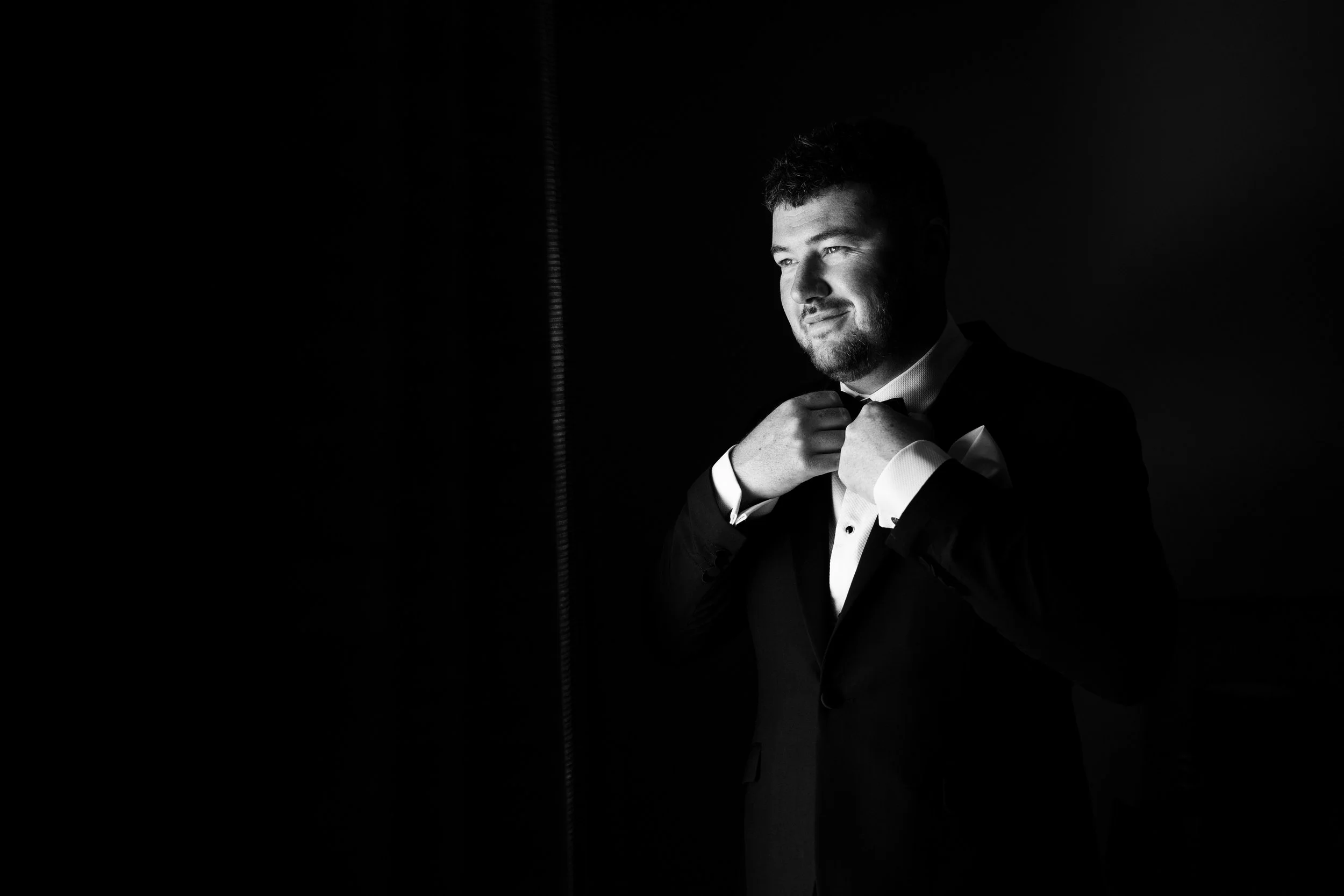
The era of the intrusive, blinding flash is receding, replaced by the deliberate, painterly control of continuous illumination. You likely understand the frustration of chasing the light in a dimly lit ballroom or battling the harsh, unpredictable shadows that arise before you've mastered using video light for wedding photos. It's difficult to feel confident when you can't see the final result until after the shutter clicks, especially when working within the constraints of a rainy indoor venue.
By refining your approach, you'll transition from reacting to the environment to actively sculpting it. This guide promises to show you how to harness continuous sources to create high-end, cinematic imagery that distinguishes your professional portfolio. We'll examine how to utilise high-CRI lighting to visualise your composition in real-time, allowing for a more predictable and sophisticated aesthetic. This path to mastery ensures your creative vision remains uncompromised by technical limitations, providing a steady hand in an ever-changing digital landscape.
Key Takeaways
Understand the "what you see is what you get" advantage of continuous lighting to achieve a refined, cinematic aesthetic that surpasses traditional flash.
Discover how to select equipment with high colour accuracy and sufficient battery life for the demands of using video light for wedding photos during long event days.
Master specific techniques for bridal preparations and portraits to create high-fashion, dramatic looks in any lighting environment or venue.
Learn the art of Kelvin matching to blend your light sources seamlessly with ambient surroundings without distracting guests or disrupting the atmosphere.
Explore how sophisticated lighting control serves as a powerful differentiator to help you establish a high-end, luxury photography brand.
Table of Contents
Defining the Role of Continuous Video Light in Modern Wedding Photography
Essential Technical Specifications: Selecting the Professional Video Light for Your Kit
Practical Application: 4 Key Scenarios for Using Video Light During a Wedding
Strategic Problem Solving: Managing Ambient Light and Guest Experience
Advancing Your Career: Incorporating Professional Lighting into Your Wedding Portfolio
Defining the Role of Continuous Video Light in Modern Wedding Photography
The transition toward continuous lighting represents a fundamental evolution in how we approach photographic lighting principles within the wedding industry. Unlike the traditional strobe, which requires a degree of mental pre-visualisation, continuous LED panels offer a "what you see is what you get" experience. This immediacy allows you to observe exactly how the light wraps around a subject or where a shadow falls before the shutter is even pressed. In the fast-paced environment of a 2026 wedding, this predictability isn't just a convenience; it's a professional necessity that ensures consistent, high-end results.
Using video light for wedding photos has moved from being a niche emergency tool for dark venues to a primary light source for the discerning professional. Modern technology has bridged the gap that once made LEDs feel underpowered compared to flash. We now see compact units capable of outputting immense power with a Colour Rendering Index (CRI) of 95 or higher, ensuring that skin tones remain authentic and vibrant. This shift introduces the concept of narrative lighting, where the light acts as a silent storyteller, guiding the viewer's eye through the emotional beats of the day with cinematic intentionality.
The Shift from Flash to Continuous Light
The move away from traditional off-camera flash is largely driven by the rise of the hybrid professional. When you're responsible for both stills and motion, maintaining a consistent look across both mediums is vital. High-output, battery-powered LED technology now lasts through the rigours of a twelve-hour day, removing the clutter of cables and the wait time of flash recycling. You can monitor highlights in real-time through your electronic viewfinder, making adjustments on the fly without interrupting the natural flow of the ceremony. This streamlined workflow is a core focus of our wedding photography training course in the UK, where we emphasise efficiency alongside artistry.
Artistic Advantages: The Cinematic Wedding Look
Artistically, continuous light offers a softer, more natural fall-off that mirrors the look of high-end cinema. While flash can sometimes feel clinical or detached, using video light for wedding photos allows for meticulous precision in creating rim and hair lighting. It excels in low-key scenarios, where deep shadows and intentional highlights create a moody, intimate atmosphere. This level of control helps you sculpt a distinct aesthetic that feels grounded and timeless, rather than relying on the artificial burst of a strobe. By mastering these continuous sources, you create a signature style that prioritises the emotional weight of the moment.
Essential Technical Specifications: Selecting the Professional Video Light for Your Kit
Selecting the right equipment for using video light for wedding photos requires a shift in focus from raw power to refined accuracy. In the professional sphere, the primary differentiator isn't merely how bright a light can shine, but how faithfully it reproduces the spectrum of visible light. High-end wedding work demands a commitment to technical precision that budget-grade equipment often fails to provide. When you're responsible for documenting a couple's most significant memories, your tools must offer total reliability across a ten to twelve-hour day.
Modern wedding environments are increasingly complex, often blending natural daylight with warm tungsten or decorative LED installations. For this reason, bi-colour or RGBWW capabilities have become essential. These features allow you to match the colour temperature of the room in seconds, preventing the jarring "mixed lighting" look that can ruin a professional gallery. This level of control is a cornerstone of any comprehensive guide to continuous lighting, as it ensures your added light feels like a natural extension of the venue's atmosphere. If you wish to refine these technical skills further, our wedding photography courses provide hands-on experience with industry-standard kit.
Discretion is equally vital. Professional units in 2026 almost universally feature silent cooling systems. During a quiet ceremony or an intimate speech, the whirring of a cooling fan can be incredibly disruptive. You need a light that remains silent while maintaining a steady output, ensuring you never have to choose between a well-lit shot and a respectful presence.
Understanding CRI and TLCI for Perfect Skin Tones
Colour Rendering Index (CRI) is the measure of how accurately a light source reveals the true colours of a subject. For professional wedding work, a CRI rating of 95 or higher is non-negotiable. It ensures that skin tones look healthy and vibrant rather than ashen or green. While CRI is a standard metric, the Television Lighting Consistency Index (TLCI) is increasingly relevant for 2026 camera sensors. A high TLCI score indicates that the light will require minimal colour correction in post-production, saving you hours of editing time.
Power Output vs. Portability
The choice between high-wattage Chip-on-Board (COB) lights and portable LED panels often comes down to the specific demands of the venue. COB lights offer immense power for large groups or "faking" sunlight through a window, but they often require bulky stands. LED panels are more agile, fitting into tight bridal preparation rooms with ease. Regardless of the form factor, V-mount or NP-F battery compatibility is a must for location work. You should also look for "wedding-speed" modifiers, such as magnetic grids or pop-up softboxes, which allow you to alter the quality of light in seconds without losing the moment.
Practical Application: 4 Key Scenarios for Using Video Light During a Wedding
Applying technical knowledge in the field requires a structured framework that adapts to the fluid nature of a wedding day. Transitioning between environments means your lighting strategy must be as agile as your composition. Whether you're working in a cramped dressing room or a cavernous ballroom, using video light for wedding photos provides the consistency needed for a cohesive gallery. This approach allows you to maintain the high standards expected of a professional, ensuring that every frame contributes to a premium narrative.
Consistency is often the hardest element to master when relying on ambient conditions alone. A thorough continuous lighting vs. flash comparison reveals that while flash offers power, continuous light offers the nuance required for high-fashion portraits and intimate candid moments. By integrating these sources, you can create dramatic looks even in the most uninspiring hotel corridors or rainy indoor venues. During speeches, this steady illumination captures candid reactions without the distraction of repetitive flash bursts, preventing "flash fatigue" for guests while you maintain professional exposure.
Enhancing Bridal Preparations with Soft Light
During bridal preparations, the goal is often to enhance emotion while maintaining a flattering, natural appearance. Position your light approximately 45 degrees from the subject to create soft, directional shadows that define the facial features without feeling harsh. This setup is equally effective for illuminating intricate details such as the lace of a dress, the sparkle of a ring, or the texture of bespoke stationery. For those seeking a broader context on how these techniques fit into a complete workflow, The Definitive Guide to Modern Wedding Photography offers an extensive look at how lighting integrates with overall storytelling.
Cinematic First Dance and Reception Techniques
The first dance provides a unique opportunity to employ "cross-lighting" techniques for dynamic coverage. By placing two video lights on opposite sides of the dance floor, you ensure the couple is illuminated from multiple angles, creating a three-dimensional feel. Using a single light as a "kick" or "rim" light behind the couple is particularly effective for creating a cinematic "halo" effect that separates them from a dark background. This method requires a delicate balance with the venue’s existing DJ lighting or fairy lights. You don't want to overpower the ambient glow; instead, aim to complement it by matching the colour temperature and intensity to preserve the romantic atmosphere. Mastering this balance is a key part of using video light for wedding photos, as it allows the environment's natural charm to shine through while your subjects remain perfectly defined.
Strategic Problem Solving: Managing Ambient Light and Guest Experience
Mastering the technical side of using video light for wedding photos is only half the battle. The true test of a professional lies in their ability to solve environmental challenges without compromising the guest experience. While a strobe provides a momentary burst, continuous light remains visible, leading some to worry about its intrusive nature. However, when managed with precision, these tools enhance the atmosphere rather than detract from it. It's about finding that sophisticated balance between artistic necessity and the sanctity of the event.
Midday outdoor portraits often present a significant hurdle. When the sun is at its zenith, harsh shadows can ruin even the most carefully posed shot, requiring a more powerful intervention than simple reflectors can offer. A high-output 600W COB light allows you to effectively overpower the sun, filling in deep shadows under the eyes and chin. This technique creates a polished, editorial look that ambient light alone cannot achieve. It's a strategic choice that separates a standard snapshot from a high-end portfolio piece, ensuring your work remains consistent regardless of the weather or time of day.
Kelvin Matching and Colour Temperature Control
Successful integration depends on Kelvin matching. If you're indoors under warm chandeliers, your light should be set to approximately 3200K to avoid a jarring clash of colours. Conversely, 5600K is the standard for matching natural daylight. If your equipment is a single-colour source, using CTO or CTB gels is a practical necessity to maintain a natural look. You should always white balance your camera to the video light itself to ensure consistent and flattering skin tones across the entire gallery.
Minimising Distraction While Maximising Impact
To keep your presence unobtrusive, consider using lower power settings in conjunction with wider apertures like f/1.4 or f/1.8. This allows the light to feel like a subtle, romantic glow rather than a clinical searchlight. Utilising snoots or barn doors helps you direct the beam exactly where it's needed, preventing light spill into the eyes of seated guests. Professional etiquette also dictates clear communication. Discuss your lighting plans with the couple and the videographer beforehand to ensure a harmonious workflow that respects the guest experience. If you're ready to formalise your skills and gain a competitive advantage in the industry, consider exploring our wedding photography training course in the UKfor structured, expert guidance.
There are moments when the best lighting decision is to turn the equipment off entirely. Preserving the natural, candlelit atmosphere of a late-night dinner often outweighs the need for technical perfection. Recognising these boundaries is part of the professional journey toward excellence. By using video light for wedding photos with discretion, you demonstrate a level of maturity and respect for the craft that clients value as much as the images themselves.
Advancing Your Career: Incorporating Professional Lighting into Your Wedding Portfolio
Mastering the art of using video light for wedding photos is more than a technical achievement; it's a strategic move toward market differentiation. In a crowded UK landscape, the ability to deliver a consistent, cinematic aesthetic provides a significant competitive advantage. High-value clients are increasingly seeking an editorial quality that transcends the standard looks of previous years. By moving beyond safe, ambient-only compositions and embracing the drama of controlled shadows, you signal a level of maturity and discipline that resonates with the luxury market.
The transition from a competent photographer to a sought-after artist requires a shift in how you view your portfolio. It's no longer just a collection of moments, but a curated exhibition of your ability to command any environment. Excellence in this field isn't accidental. It demands a commitment to the formalisation of talent through structured guidance and rigorous practice. The Institute of Wedding Photographers serves as a guardian of these industry standards, offering the path to mastery for those ready to treat their craft as a serious professional discipline.
Building a Portfolio that Commands Higher Fees
Cinematic lighting is a hallmark of high-end, luxury wedding photography. When you demonstrate precise control over your illumination, you appeal to clients who value sophisticated, high-fashion imagery. This consistency across a full wedding gallery builds immense trust with prospective couples, as it proves you can deliver exceptional results regardless of venue limitations. We encourage our members to submit their lighting-focused work to the IOWP Wedding Photography Awards. Gaining recognition from such a prestigious body provides the professional validation necessary to justify premium fees and attract an elite tier of clientele.
Structured Learning and Mentorship
While self-study has its place, the fastest route to professional transformation is through expert critique and hands-on experience. Our 4 Day Photography Workshop at Ceconi Castle offers an immersive environment where you can refine your skills using video light for wedding photos under the guidance of seasoned mentors. This physical setting allows for real-time adjustments and the immediate application of complex lighting principles. For those seeking long-term growth, the Wedding Photography Mentorship Program provides the personalised feedback required to polish your signature style. You don't have to navigate the complexities of the digital landscape alone. We invite you to Join the Institute of Wedding Photographers and take the definitive step toward a more prestigious and commercially successful career.
Sculpting Your Professional Future with Light
The mastery of continuous lighting represents a definitive turning point for the modern wedding professional. By embracing technical accuracy and real-time visualisation, you move beyond the unpredictability of flash toward a more deliberate, cinematic style. We've explored how high-CRI sources and strategic Kelvin matching allow you to maintain artistic control in any environment. Successfully using video light for wedding photos is no longer just a trend; it's a foundational skill that distinguishes a high-end brand from the competition.
If you're ready to refine these techniques under expert guidance, you can elevate your craft at our next Wedding Photography Workshop. Our curriculum is accredited by the International Organization of Wedding Photographers (IOWP) and features mentorship programs led by industry-leading professionals. You'll also have exclusive access to destination training at the historic Ceconi Castle. This structured path ensures your personal growth and creative journey are supported by a modern professional guild. We look forward to helping you attain your goals and secure your place at the forefront of the industry.
Frequently Asked Questions
Is video light better than flash for wedding photography?
Continuous light offers a "what you see is what you get" advantage that flash cannot replicate. While flash provides more raw power for freezing motion in very dark rooms, using video light for wedding photos allows you to sculpt the scene with cinematic precision. This real-time feedback simplifies the workflow for hybrid shooters and ensures that the final image matches your creative vision before you even press the shutter.
Will using a video light distract the wedding guests during the ceremony?
Continuous light is generally less intrusive than the repetitive, blinding bursts of a strobe. To ensure a respectful presence, keep your power settings low and rely on wider apertures to achieve the desired exposure. Communicating with the couple and the venue coordinator beforehand helps integrate the lighting into the environment, making it feel like a natural part of the event's atmosphere rather than a technical interruption.
How much power do I need for a wedding video light?
For most indoor scenarios, a 60W to 150W bi-colour COB light provides ample illumination for portraits and detail shots. If you intend to overpower the midday sun during outdoor portraits, you'll likely require a high-output 600W model. Balancing power with portability is key, as heavier units require sturdier stands that may be difficult to manoeuvre quickly during the more frantic moments of a wedding day.
Can I use a video light for outdoor wedding photos in bright sunlight?
You can use continuous light outdoors, but it requires a high-wattage unit to compete with the sun's intensity. A 600W light is often necessary to fill in harsh shadows or create a polished, editorial look in open shade. For many professionals, using video light for wedding photos in these conditions is a powerful tool for maintaining consistency across their portfolio, ensuring bright outdoor scenes retain a cinematic quality.
What is the best way to carry video lights during a fast-paced wedding?
Portability is essential when navigating a changing schedule. Utilising compact, battery-powered LED panels or COB lights with V-mount compatibility allows you to move between locations without hunting for power outlets. Many photographers prefer using lightweight, carbon-fibre stands or having an assistant hold the light on a monopod for maximum agility during bridal preparations or the couple's portrait session.
Do I need a videographer-specific light or can I use any LED panel?
The distinction between photography and videography lights has largely vanished. What matters most is the quality of the light itself, specifically a CRI and TLCI rating of 95 or higher. While any LED panel can technically work, professional-grade units offer better colour accuracy and silent cooling systems. These features are vital for maintaining high standards and avoiding disruption during quiet ceremony moments.
How do I avoid mixed lighting issues when using a video light indoors?
Avoiding mixed lighting requires matching your light's colour temperature to the ambient environment. If you're working in a room with warm tungsten bulbs, set your bi-colour light to approximately 3200K. For rooms with natural window light, 5600K is the standard. This approach prevents jarring colour shifts in skin tones and ensures that your added light blends seamlessly with the venue's existing character.
Should I use a softbox with my video light for wedding portraits?
Using a softbox is highly recommended for bridal portraits to create a flattering, diffused glow on the skin. You should prioritise "wedding-speed" modifiers, such as magnetic grids or quick-collapse softboxes, that don't hinder your mobility. These tools allow you to soften the output and control light spill in seconds, ensuring you can capture high-end results without missing the natural flow of the day.