
Advanced Composition for Wedding Photographers: Elevating Your Narrative in 2026
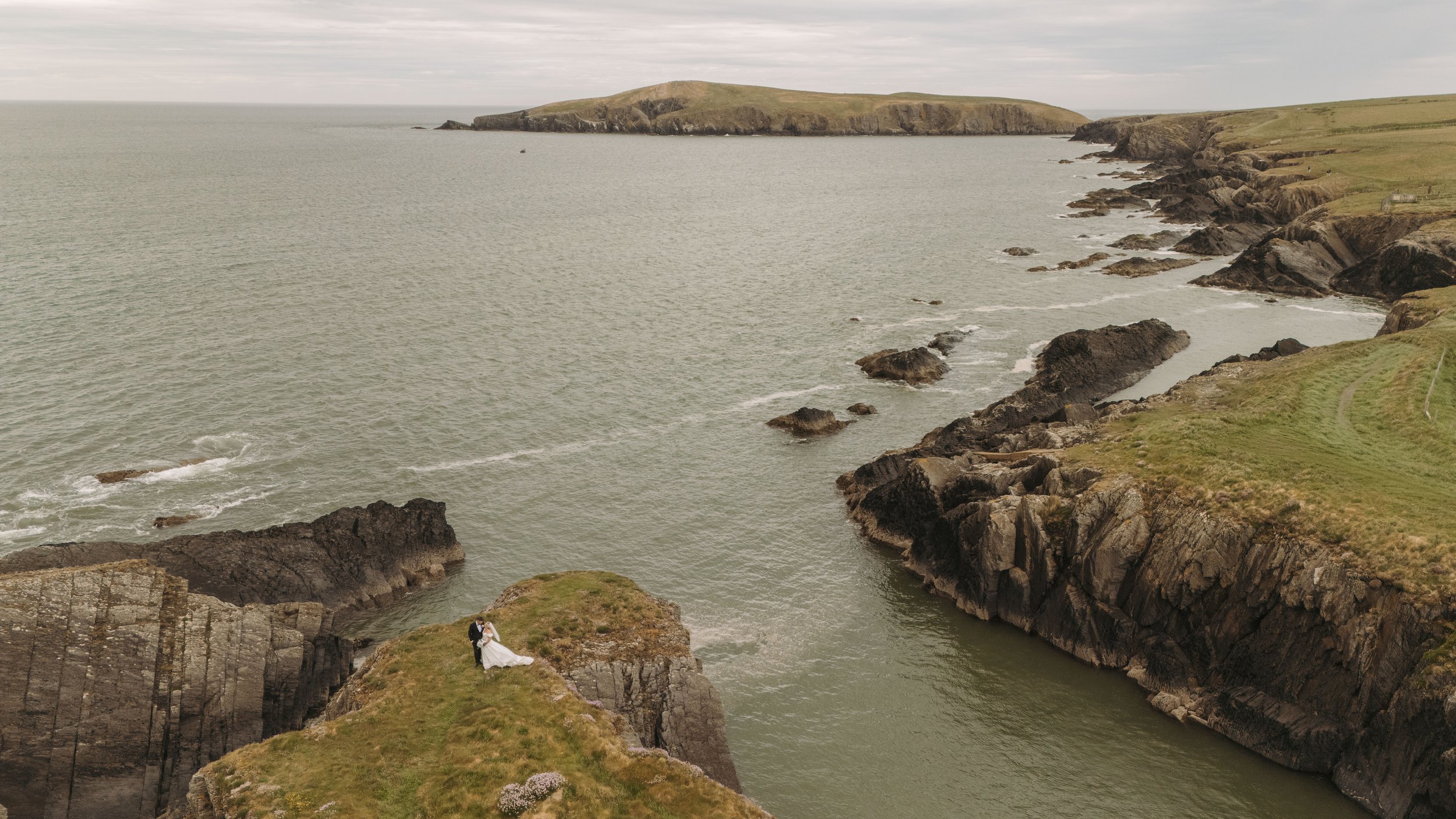
What if the secret to an award-winning portfolio isn't found in a newer lens, but in the invisible geometric frameworks hidden within a crowded reception room? Many professionals find their work beginning to feel repetitive, struggling to find genuine 'art' when the schedule is tight or the environment is chaotic. If you feel your images lack the psychological depth of the industry's elite, you aren't alone. This exploration of advanced composition for wedding photographersaddresses the gap between simply documenting an event and authoring a visual legacy.
By mastering sophisticated layering techniques and intentional framing, you can transform standard shots into complex stories that resonate on a deeper level. It's about seeing what others miss. With 67% of couples in 2026 now preferring a natural, documentary style, the ability to find order in the unplanned is your greatest competitive advantage. We will examine how to develop a subconscious eye for these frameworks, helping you to win industry awards and command the higher fees your artistic evolution deserves. From understanding contemporary editorial aesthetics to utilising negative space, this guide provides the structured path the International Organisation of Wedding Photographers recommends to elevate your narrative.
Key Takeaways
Move beyond predictable templates by transitioning from simple capture to intentional frame organisation and sophisticated visual structures.
Discover how geometric frameworks like the Golden Ratio and Fibonacci Spiral can bring a natural, rhythmic flow to candid moments and bridal preparations.
Learn to use the 'Foreground-Middleground-Background' framework to master advanced composition for wedding photographers, even in chaotic or cluttered reception settings.
Develop the habit of previsualisation to anticipate peak emotional beats, ensuring your technical execution matches the narrative weight of the scene.
Understand how refined framing techniques serve as the foundation for winning industry awards and transitioning from a service provider to a recognised artist.
Table of Contents
Beyond the Rule of Thirds: The Evolution of the Wedding Eye
Many photographers begin their journey using the Rule of Thirds as a rigid blueprint. While it provides a reliable foundation for balance, it can quickly lead to a predictable, template-driven portfolio that lacks a unique voice. In a 2026 market where 67% of couples prefer a natural, documentary style, simply placing a subject on a grid line is rarely enough to win industry awards or command premium fees. To truly master advanced composition for wedding photographers, you must transition from "capturing what is there" to "organising the frame."
This evolution involves seeing the entire rectangle of your viewfinder as a controlled environment. Every element within that space, from the light falling on a veil to the blurred movement of a guest in the background, contributes to the visual weight of the image. By intentionally arranging these elements, you influence the viewer's emotional journey through an album, creating a cohesive narrative rather than a collection of disconnected shots. It's about finding order in the chaos of a live event and using that order to tell a deeper story.
Identifying the Limits of Basic Composition
Safe shots often fail to tell the full story because they prioritise technical safety over emotional truth. Centre-focus habits are particularly dangerous during high-pressure moments like the exchange of rings; while these shots are technically sharp, they often lack the environmental context that gives the moment its weight. Basic rules can stifle the natural movement of a wedding narrative, forcing a vibrant, breathing celebration into a series of static, uninspired boxes that don't reflect the couple's personality.
The Psychology of the Frame
Understanding how the human eye moves through an image allows you to control the narrative flow. By applying established compositional principles, you can guide the viewer's gaze with precision. Leading lines, such as the architectural curves of a venue or the rhythmic placement of seating, direct attention toward the couple's raw emotions. This creates a powerful interplay of tension and resolution. A well-composed frame doesn't just show a scene; it builds a sense of anticipation that mirrors the atmosphere of the day itself. When you learn to balance visual weight in a complex environment, you ensure that the primary emotional beat is never lost in the background clutter. Mastering advanced composition for wedding photographers means your work will feel intentional, sophisticated, and ultimately, more valuable.
Geometric Frameworks for Sophisticated Wedding Imagery
Geometric precision is what separates a snapshot from a masterpiece. While the Rule of Thirds is a helpful starting point, truly advanced composition for wedding photographers requires a deeper understanding of the mathematical beauty found in classical art. The Golden Ratio, or Phi, is a mathematical proportion of 1:1.618 that dictates a balance found throughout the natural world and serves as a timeless guide for aesthetic harmony. By moving beyond simple grids, you can begin to see the wedding day through a lens of sophisticated structure.
In the quiet, often cramped environments of bridal preparations, the Fibonacci Spiral is an invaluable tool. It allows you to create a natural flow that leads the viewer's eye through secondary details, such as the lace of a dress or the curve of a chair, before resting on the primary emotional subject. Similarly, triangular compositions offer a versatile way to manage energy. A broad base in a triangle creates a sense of stability for formal portraits, whereas inverted or overlapping triangles can inject a sense of dynamic movement into the dance floor. Instead of traditional grids, many professionals now look toward Advanced Compositional Techniques like the Golden Triangle to anchor the couple while allowing the surrounding motion to feel intentional rather than messy.
The Golden Ratio in Wedding Portraits
Applying the Phi grid to your portraits involves more than just off-centre placement. It requires aligning the subject's eyes or the point of highest emotional contact at the specific intersections of the ratio. This creates a composition that feels instinctively "right" to the human eye. You can reinforce this by using the natural architecture of the venue, such as the curve of a grand staircase or the arched frames of a window, to mimic the Fibonacci spiral. This balance of negative space ensures the couple remains the undisputed focal point, even in the most ornate settings.
Dynamic Symmetry and Group Dynamics
Breaking the "line-up" habit is essential for modern storytelling. Dynamic symmetry uses complex grids to organise multiple subjects, which is particularly effective during the drinks reception or for large wedding parties. By using diagonal lines to connect different groups, you add a layer of energy that a straight line lacks. These geometric anchors help you organise the "chaos" of a live event into a structured, editorial narrative. To refine these skills in a practical environment, our wedding photography courses offer hands-on guidance in implementing these complex frameworks during live shoots.
Mastering Layering and Depth in Chaotic Environments
Unlike the controlled environment of a portrait session, a wedding reception is a masterclass in managing chaos. To achieve advanced composition for wedding photographers, you must learn to look past the immediate subject and embrace the entire depth of the room. The "Foreground-Middleground-Background" framework is essential here. By placing an out-of-focus element in the immediate foreground, you create a sense of immersion that pulls the viewer into the scene. This technique, often called "dirtying the frame," uses physical objects like floral arrangements, glassware, or even the shoulder of a guest to add a voyeuristic, intimate quality to the narrative. It transforms a flat image into a three-dimensional experience.
Managing this depth requires precise control over your aperture and a keen eye for venue architecture. Doorways, arches, and mirrors are not just background elements; they are functional tools for a frame-within-a-frame approach. These structures help isolate specific narratives within a crowded room, allowing you to highlight the couple's interaction while still acknowledging the energy of the wider celebration. If you find yourself struggling to find "art" in a cluttered hotel suite or a dark barn, our wedding photography courses provide practical strategies for identifying these layers in real-time. The ability to layer these elements under pressure is what distinguishes a professional from an enthusiast.
Creating Three-Dimensional Stories
Weddings are fast. You don't always have time to move furniture, so you must move yourself. Using wide-angle lenses can be tricky; they often distort the composition if you aren't careful. The key is to find "pockets of light" that separate the couple from a busy background. By positioning your subjects where the light is strongest and using darker foreground elements to lead the eye, you create a natural spotlight effect. This separation ensures the couple remains the focus, even when the frame is filled with activity.
Framing for Emotion
Advanced composition isn't just about geometry; it's about psychology. Using guest reactions as secondary frames for the couple's interaction adds an emotional layer that a standard portrait lacks. It tells the story of the community surrounding the couple. Negative space also plays a vital role here. In a loud, high-energy environment, a composition that utilises large areas of shadow or neutral background can emphasise a quiet, emotional moment. Reflections in windows or silhouettes against a sunset are additional tools that add visual layers, rewarding the viewer for looking closer at the story you've authored.
The Art of Previsualisation: Anticipating the Narrative
Previsualisation is the intellectual bridge between seeing a scene and authoring a legacy. It's the ability to see the finished, edited image in your mind's eye before you even raise the camera. While many novices spend the day "chasing the moment" and reacting to events as they unfold, advanced composition for wedding photographers relies on a proactive approach. It involves studying the rhythm of the day and understanding the predictable choreography of a ceremony. When you know where the light will fall and where the couple will stand, you can stop reacting and start composing.
This mental workflow integrates lighting and geometry into a single, fluid process. Rather than treating them as separate tasks, you learn to see them as a unified whole. You don't just find a nice background; you find the background, wait for the light to hit the right angle, and then anticipate the exact second the subject will enter that space. It's a deliberate, patient method that yields far more impactful results than a "spray and pray" strategy ever could. It is the difference between a lucky snapshot and an intentional piece of art.
Predicting the Peak Moment
Identifying peak emotional beats requires a deep understanding of human behaviour. Look for micro-expressions: the slight intake of breath before a vow, the crinkle of eyes before a laugh, or the way a father's hand tightens on his daughter's arm. By recognising these signals, you can position yourself based on the likely movement of your subjects. The "fishing" technique is particularly effective here. You set your composition, lock your focus, and wait. You've created the stage; now you simply wait for the actors to perform their part in your pre-designed frame.
Developing the Subconscious Eye
Training your brain to see geometry without a viewfinder is a hallmark of mastery. This involves constant mental rehearsals. Before the wedding begins, walk through the venue and "shoot" the day in your head. Where are the leading lines? Where is the tension? When the pressure of the live event hits, your subconscious will take over, allowing you to find sophisticated frames instinctively. Critiquing your own work is equally vital. Look at your past galleries and identify missed compositional opportunities. Ask yourself why a shot didn't quite land and how a different angle could have elevated the story. To refine this internal process and sharpen your artistic instincts, consider joining our Wedding Photography Mentorship Program to receive expert feedback on your narrative development.
Elevating Your Portfolio through Professional Recognition
Mastering advanced composition for wedding photographers is the single most effective way to shift your brand from a standard service provider to a recognised artist. In a market where 87% of couples make planning decisions based on visual content, your ability to stand out depends on a distinct artistic voice. This isn't achieved through gear alone. It's built through the consistent application of the geometric and psychological principles we've explored. When your portfolio demonstrates a sophisticated command of the frame, you stop competing with every local photographer and start attracting clients who value photography as a legacy art form.
Professional recognition acts as the ultimate validator of your progress. Industry awards aren't merely trophies for the mantelpiece; they're a signal to the luxury market that your work meets a rigorous international standard. Transitioning to this level requires a disciplined approach to curation. You must learn to identify which images in your gallery represent true compositional mastery and which are simply safe captures. By focusing your public body of work on these high-level frames, you build a brand identity that justifies higher fees and commands respect from peers and vendors alike.
The Path to Industry Excellence
The IOWP Awards evaluate entries based on technical precision and compositional merit rather than just the "prettiness" of the subject. To succeed, you need a body of work that feels intentional in every corner of the rectangle. This level of consistency is what separates the hobbyist from the professional. If you're ready to move beyond basic grids, you can explore our photography courses and workshops to refine your technique and learn how to see the world through a more sophisticated lens.
Mentorship and the Professional Journey
Breaking through a creative plateau often requires an outside perspective. The Institute of Wedding Photographers provides the structured feedback necessary to move beyond self-taught habits that might be holding your work back. Personalised critique helps you identify recurring compositional blind spots, such as a reliance on centre-focus or a failure to utilise negative space effectively. This professional training doesn't just improve your art; it directly impacts your commercial viability. As your technical standards rise, your pricing strategy should follow. A portfolio grounded in advanced composition for wedding photographers allows you to position yourself as a premium specialist, ensuring your career remains sustainable and prestigious in an ever-changing digital landscape.
Authoring Your Artistic Legacy
Transforming your portfolio from a collection of standard captures into a body of award-winning work requires more than a reactive approach. By moving beyond basic templates and embracing geometric frameworks like the Golden Ratio, you begin to organise the frame with intention. This structural mastery, combined with the habit of previsualisation, allows you to anticipate emotional peaks before they happen, ensuring you're always in the right position to tell a deeper story.
Mastering advanced composition for wedding photographers is a journey that benefits from structured guidance and critical feedback. Managed by the International Organisation of Wedding Photographers (IOWP), our curriculum provides the expert mentorship needed for career-defining growth. Whether you're seeking specialist destination learning in world-class locations or a structured path to industry excellence, we're here to support your creative evolution. Refine your artistic vision with our professional photography workshops and define your unique voice. The path to mastery is attainable through discipline and refined sight.
Frequently Asked Questions
What is the difference between basic and advanced composition in wedding photography?
Basic composition focuses on clarity and safe subject placement using foundational grids like the Rule of Thirds. Advanced composition for wedding photographers involves a shift toward the deliberate organisation of every element within the frame, utilising geometric frameworks and psychological layering to create a deeper narrative. It's the difference between simply documenting a scene and authoring an intentional visual story that rewards the viewer for looking closer.
How can I practice advanced composition during a fast-moving wedding?
The most effective method is to employ previsualisation and the "fishing" technique rather than reacting to events. By identifying a strong compositional frame in advance and waiting for the emotional peak to enter that space, you maintain control over the aesthetic even when the schedule is tight. This proactive approach allows you to remain calm and structured, ensuring your artistic standards don't slip during high-pressure moments.
Is the Golden Ratio better than the Rule of Thirds for wedding portraits?
The Golden Ratio is often preferred for high-end portraiture because it creates a sense of instinctive harmony based on universal mathematical proportions. While the Rule of Thirds is a useful starting point, the Golden Ratio offers a more sophisticated balance that feels less "templated." It allows for a more fluid arrangement of secondary details, which is essential for capturing the unposed, documentary style that many contemporary couples now demand.
How does composition impact my chances of winning wedding photography awards?
Composition is a primary metric used by professional bodies like the IOWP to evaluate the technical and artistic merit of an entry. Judges look for intentionality in every corner of the rectangle, rewarding those who can find order in the chaos of a live event. Mastering sophisticated framing techniques is the most direct path to transitioning from a standard service provider to a recognised, award-winning artist.
Can advanced composition help me shoot better in small or ugly venues?
Advanced composition is your most powerful tool when working in visually challenging environments. By using layering techniques and "dirtying the frame" with foreground elements, you can obscure distracting clutter and focus the viewer's eye on the emotional core of the image. Techniques like using reflections or architectural frames allow you to create an intimate, high-end feel regardless of the physical venue's limitations.
What gear do I need to master layering and depth in my photos?
You don't necessarily need a specific camera, but fast prime lenses make mastering depth and layering significantly easier. Lenses with wide apertures allow for precise separation between the foreground, middleground, and background, which is essential for immersive storytelling. Additionally, using a wide-angle lens thoughtfully can help you incorporate more of the environment without distorting the compositional balance of the scene.
How do I explain my 'artistic' compositional style to wedding clients?
Focus on the value of the final product rather than technical jargon when discussing your style with couples. Explain that your command of advanced composition for wedding photographers ensures their gallery isn't just a set of snapshots, but a curated legacy. Use terms like "editorial narrative" or "cinematic depth" to describe how your framing choices will capture the genuine atmosphere of their day in a way that feels both timeless and prestigious.
Does the Institute of Wedding Photographers offer specific training on composition?
The Institute of Wedding Photographers provides several structured pathways to master these techniques, including our Wedding Photography Mentorship Program and the Wedding Photography Portfolio Builder Workshop. These programmes offer the personalised feedback and expert critique required to move beyond self-taught habits. Whether you join us for a 4 Day Photography Workshop at Ceconi Castle or a local UK training course, the focus remains on formalising your talent and achieving professional certification.