
How to Win Wedding Photography Awards: The Professional’s Guide for 2026
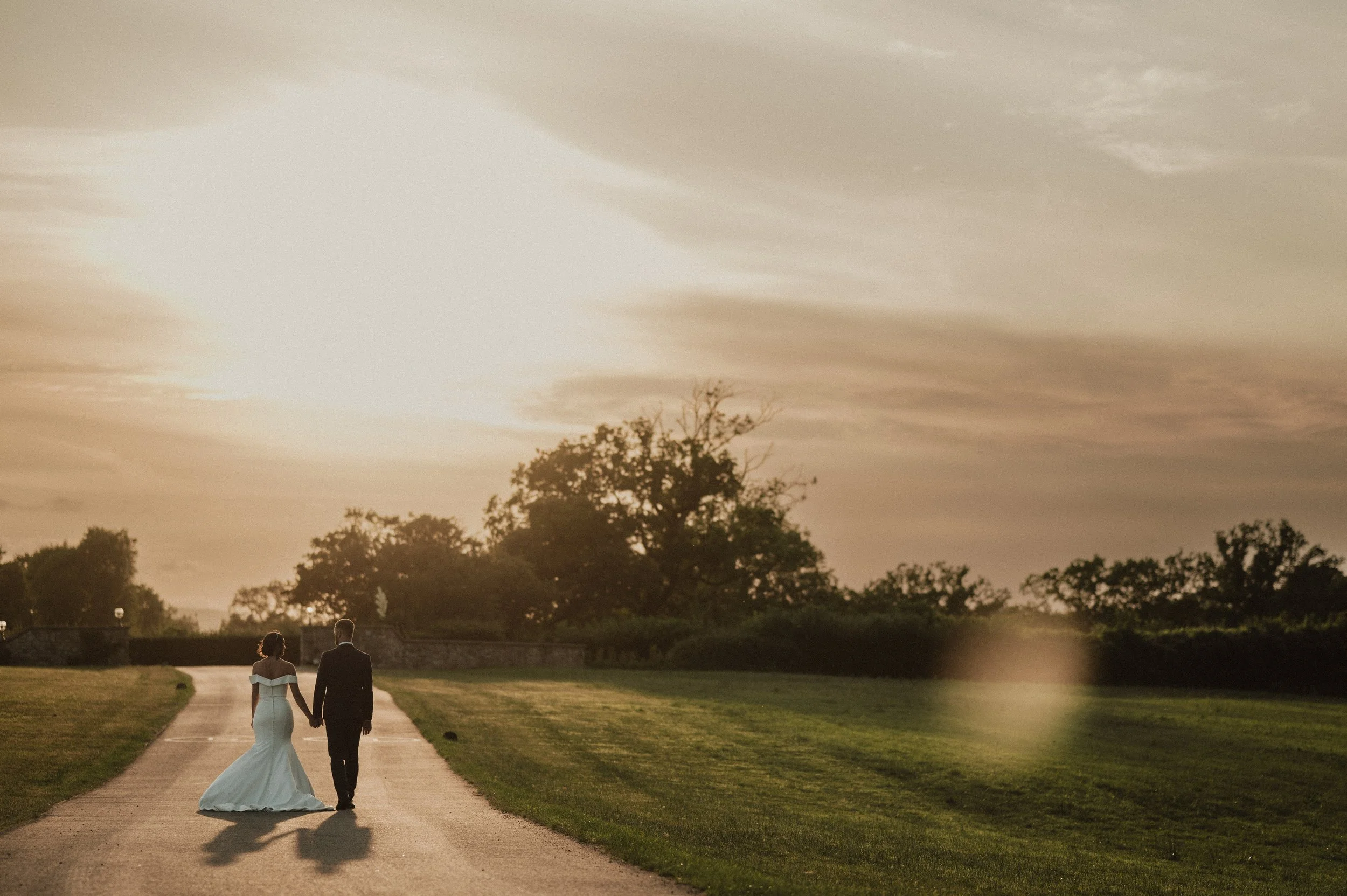
What if the missing link between your current portfolio and industry-wide recognition isn't a lack of talent, but a misunderstanding of the unspoken rules that judges follow? In a saturated market where couples prioritise photography above almost every other expense, it's easy to feel invisible despite your technical dedication. You've likely felt the frustration of rejection from a contest without receiving constructive feedback, leaving you uncertain about how your work compares to global standards. Learning how to win wedding photography awards requires more than just a sharp lens; it demands a disciplined approach to curation and an intimate knowledge of what modern panels seek.
We agree that the path to prestige can feel opaque, yet the transition to a celebrated professional is a structured journey. This guide promises to reveal the technical mastery and curation strategies required to secure prestigious recognition and win the battle for industry standing in 2026. We will explore the shift toward authentic photojournalism, examine the importance of expert critique, and outline how these accolades can justify an increase in your professional fees.
Key Takeaways
Understand why professional validation serves as a vital differentiator in the 2026 market, allowing you to command higher booking prices through established prestige.
Discover the specific technical and narrative standards required for how to win wedding photography awards by moving beyond the baseline expectations of your clients.
Master the discipline of objective curation and learn why the "kill your darlings" rule is essential for selecting images that resonate with elite judging panels.
Identify the most prestigious global award bodies and explore how structured mentorship can help you formalise your talent into a recognised professional standard.
Table of Contents
The Strategic Value of Entering the Wedding Photography Battle
The wedding market in 2026 demands more than technical proficiency; it requires a distinct professional identity that resonates with a discerning clientele. Entering what we call the "photography battle" isn't merely about vanity. It's a strategic move to secure external validation from those who understand the craft at its highest level. For many, the transition from being a reliable service provider to being recognised as an artist begins with the decision to learn how to win wedding photography awards. This shift in persona is fundamental. It changes how you view your own work and, crucially, how the market perceives your value.
Subjecting your portfolio to expert critique offers psychological benefits that self-reflection cannot replicate. We often become blind to our own habits and stylistic preferences. A judge's objective feedback acts as a mirror, reflecting both your untapped potential and the technical flaws that may be holding you back. This process of professionalisation is exactly what our wedding photography awards and training programmes aim to facilitate, bridging the gap between consistent work and award-winning artistry.
Market Differentiation and Brand Authority
In a digital environment where couples are inundated with imagery, an award serves as a powerful trust signal. It functions as an immediate shorthand for quality. When a high-end client visits your website, the presence of a recognised accolade influences their first impression before they've even scrolled through your gallery. This prestige is often the deciding factor for couples planning luxury destination weddings, where the stakes are high and the budget for photography is a priority. By positioning yourself within the elite tier of the industry, you can justify premium pricing structures that reflect your proven expertise and lower the perceived risk for the client.
Continuous Professional Development (CPD)
Viewing your work through the lens of a competition serves as a catalyst for technical improvement. It forces a level of rigour that client work alone rarely demands. When you study a prestigious photography awards list, you begin to understand the global benchmark of excellence. The competition identifies recurring weaknesses in your portfolio that might otherwise go unnoticed:
Narrative Gaps: Identifying where your storytelling loses momentum.
Technical Inconsistency: Spotting subtle errors in lighting or post-production that judges will penalise.
Creative Stagnation: Encouraging you to move beyond "safe" shots to explore unconventional perspectives.
Understanding how to win wedding photography awards is, at its heart, a commitment to never resting on your laurels. It ensures that your skills evolve alongside industry trends, keeping your work relevant, technically flawless, and commercially competitive.
The Anatomy of a Winning Image: What Judges Demand
A winning image is far more than a sharp photograph. It represents a precise synthesis of flawless technical execution and a unique creative narrative that evokes an immediate emotional response. When exploring how to win wedding photography awards, you must first accept that the standards of a paying client and a professional judging panel are fundamentally different. A client might treasure a photograph for the memory it captures, even if the composition is slightly flawed. A judge, however, views the frame as a standalone piece of art where every pixel must justify its presence.
Technical merit is the entry fee for any competition. If your highlights are unintentionally blown or your focus is marginally soft, the most compelling narrative in the world will not save the entry. In the rapid-fire review environments typical of the International Society of Professional Wedding Photographers, your work has mere seconds to distinguish itself. This is why understanding the "Impact Factor" is vital. Impact is the visceral reaction a judge feels within the first two seconds of viewing. Without it, your image is likely to be culled before its deeper storytelling can be appreciated.
Mastering Light and Composition
Light is the tool that transforms a flat scene into a three-dimensional experience. While many practitioners rely on safe, natural light, mastering techniques such as Rembrandt lighting creates the depth and drama that command a judge's attention. Compositionally, you must move beyond the foundational principle of thirds. Elite entries often utilise advanced compositional geometry, such as the Golden Ratio or complex leading lines, to guide the viewer. Using negative space is equally important. It allows the subject to breathe and ensures the focal point remains the undisputed centre of the narrative.
Emotional Resonance and Timing
Technical perfection provides the structure, but emotional resonance provides the soul. Capturing the "decisive moment" requires an acute anticipation of human behaviour within the chaotic wedding environment. This marks the difference between simple documentation and true storytelling. Documentation records that an event occurred; storytelling interprets the weight of that occurrence. Authenticity often carries more weight than rigid posing, yet the ability to subtly direct a couple without losing that raw connection is a hallmark of a master. If you find your work lacks this competitive edge, our wedding photography courses are designed to help you refine these advanced instincts and learn how to win wedding photography awards through consistent, high-level practice.
A Roundup of Prestigious Wedding Photography Award Bodies
Identifying the appropriate platform for your work is just as critical as the technical quality of the images themselves. Each judging panel possesses a distinct "personality" and a specific set of values that dictate what they consider award-worthy. Learning how to win wedding photography awards involves understanding these nuances so you can submit your work where it's most likely to be celebrated. For many professionals, the journey begins with the IOWP Awards, which serve as a global benchmark for excellence. These awards prioritise a sophisticated balance of artistic vision and technical discipline, fostering a community of elite practitioners who value the formalisation of their talent.
If your portfolio leans toward the unconventional, Fearless Photographers may be your ideal arena. This body famously favours the bold, the quirky, and the visually daring, often rewarding images that break traditional rules in favour of raw impact. In contrast, the Wedding Photojournalist Association (WPJA) maintains a strict focus on documentary-style captures. Their criteria forbid any photographer intervention, meaning your success depends entirely on your ability to observe and capture "found" moments without direction. Meanwhile, the International Society of Professional Wedding Photographers (ISPWP) represents the "Masters" level of the craft, where technical photojournalism must be executed with flawless precision.
International vs. National Competitions
Deciding between regional and global stages requires a clear understanding of your current brand goals. Winning on home soil provides immediate local authority and can be a powerful tool for building trust within your immediate market. However, global recognition establishes you as a peer among the world's finest artists. Editorial accolades, such as Rangefinder's 30 Rising Stars of Wedding Photography, represent the pinnacle of industry prestige for emerging talent and can fundamentally alter your career trajectory. We recommend entering multiple bodies to find your creative niche; seeing which panels respond to your aesthetic will help you refine your long-term submission strategy.
Understanding Award Categories
Strategic entry requires you to look beyond general "Best Image" categories. Your strongest work might shine in specialised segments like "Bridal Portraits," "The Reception," or "Emotional Impact." The "Open" category is particularly valuable for those who enjoy creative experimentation that doesn't fit traditional moulds. When you are analysing how to win wedding photography awards, scrutinise your portfolio for recurring technical strengths. If you excel at managing complex low-light environments, focus your entries on reception or evening categories where that specific skill is most evident. Aligning your best pieces with the categories that highlight their unique merits is a hallmark of the disciplined professional.
Strategic Curation: How to Prepare Your Winning Entry
Curation is a separate discipline from photography itself. It requires a level of emotional detachment that many find difficult to master. When you consider how to win wedding photography awards, you must learn to view your work as a judge would: with cold, analytical objectivity. This is where the 'Kill Your Darlings' rule becomes essential. A photograph might represent a significant technical challenge you overcame or a deeply moving personal moment, but if it doesn't meet the competitive standards of composition and impact, it must be discarded. Emotional attachment is often the primary reason talented photographers fail to progress in the professional arena.
Post-processing for competition also requires a restrained hand. While a client might enjoy a heavily stylised preset, judges look for subtle enhancements that respect the integrity of the original capture. Over-editing often masks technical deficiencies rather than solving them, and professional panels can easily spot when a photographer has pushed a file beyond its natural limits. Meticulous attention to the competition's technical rules is equally non-negotiable. Submitting the wrong file size or an incorrect colour profile leads to instant disqualification, as these errors suggest a lack of professional rigour.
The Selection Workflow
An effective workflow begins with a 'Long List' of approximately 50 images. From there, you should narrow the selection down to your top three pieces through several rounds of elimination. This process shouldn't be solitary. Seeking external critique from peers or mentors allows you to spot blind spots in your own curation that you might otherwise miss. Additionally, ensure your entries maintain a consistent 'voice' or aesthetic. A cohesive submission suggests a photographer who has formalised their style and understands their own creative identity, which builds confidence in the judging panel.
Technical Refinement for Judges
Judges scrutinise images at a level of detail that clients rarely do. Before submission, check every frame for sensor spots or distracting elements at the very edges of the composition that could pull the eye away from the subject. You must balance your highlights and shadows carefully to ensure detail remains visible in both extremes. Colour accuracy is far more critical in awards than in client delivery because judges evaluate your ability to represent light and skin tones with technical fidelity, whereas clients may be satisfied with a stylised, inaccurate preset. If you're unsure how to refine your selection process, our wedding photography courses provide the structured guidance needed to master this critical phase of professional validation. Understanding how to win wedding photography awards is as much about the preparation of the file as it is about the moment the shutter was pressed.
Mastering Excellence with the Institute of Photographers
Mastering the intricate balance between technical rigour and creative storytelling is a pursuit that rarely happens in isolation. While the principles of how to win wedding photography awards are clear, the application of those standards requires a steady hand and expert guidance. Our wedding photography courses are meticulously designed to bridge the gap between consistent client work and the prestigious podium. By formalising your talent within a structured curriculum, you move beyond the trial-and-error phase of your career into a space of validated achievement.
The transition to an award-winning artist requires a commitment to continuous professional development. Accessing the IOWP Membership grants you entry into a community of elite professionals, providing a stable foundation for your growth. This collective environment encourages the discipline needed to excel, moving you from the outskirts of the industry to a position of recognised authority. It is a path that transforms individual passion into a viable, high-prestige career.
The Wedding Photography Mentorship Programme
Progress often stalls when a photographer lacks objective, professional critique. Our Wedding Photography Mentorship Programme provides the one-on-one guidance necessary to refine your unique creative vision. These sessions aren't merely casual chats; they're intensive portfolio reviews specifically designed for award preparation. You'll receive the direct feedback needed to identify the "Impact Factor" in your frames, ensuring you build a body of work that commands respect from even the most discerning global panels.
Practical Training and Events
Theory must be grounded in practice. At our UK training dates, students engage in hands-on sessions that cover everything from advanced lighting to sophisticated posing. These workshops offer the perfect environment to capture award-worthy images under the supervision of industry masters. Whether you're attending a Wedding Photography Portfolio Builder Workshop or a multi-day retreat, the focus remains on the attainment of professional standards. Join the IOWP today and start your journey toward professional recognition by learning how to win wedding photography awards through structured, expert-led mentorship.
Advancing Your Professional Legacy
Transitioning from a proficient photographer to a celebrated artist requires more than a sharp eye; it demands a commitment to the formalisation of your talent. We've explored the necessity of technical perfection, the psychological rigour of objective curation, and the importance of finding the right platform for your specific aesthetic. Understanding the nuances of how to win wedding photography awards is a continuous process of refinement that ultimately distinguishes your brand in a crowded global market.
As an official partner of the International Organization of Wedding Photographers, the Institute of Photographers provides a structured curriculum designed for professional career advancement. Through mentorship led by multi-award-winning industry veterans, you'll receive the direct feedback needed to transform your creative passion into validated success. Elevate your career and enter the IOWP Wedding Photography Awards to begin this new chapter. The path to mastery is attainable through disciplined practice, and we look forward to seeing your unique vision recognised on the global stage.
Frequently Asked Questions
Is it worth entering wedding photography awards as a beginner?
Yes, entering competitions early in your career is a highly effective way to establish a professional benchmark. It forces you to scrutinise your work against industry standards and encourages the discipline of curation. While winning is a long-term goal, the process of preparing an entry serves as an invaluable educational exercise. This early exposure to expert critique helps beginners identify technical gaps before they become ingrained habits.
How much does it typically cost to enter professional photography competitions?
Entry fees vary significantly depending on the organisation's model. Some prestigious bodies, such as the Sony World Photography Awards, offer free entry for their open competitions. Others utilise a single-image fee ranging from $10 to $40, while subscription-based models like Fearless Photographers or the WPJA require an annual or multi-month commitment. It's essential to research each body's specific fee structure to ensure your submission strategy aligns with your professional development budget.
Can I enter the same photo into multiple award contests?
You can generally enter the same photograph into multiple competitions, provided the specific rules of each body do not explicitly forbid it. This strategy is often beneficial for understanding how to win wedding photography awards across different judging panels. Since each organisation possesses a unique personality, a single image may resonate differently with various experts. Always verify that a previous win doesn't disqualify the image from future entries elsewhere.
What is the difference between 'Gold' and 'Silver' awards in the IOWP?
Within the IOWP framework, these distinctions reflect the consensus of the judging panel regarding an image's technical and creative merit. A Gold Award signifies a piece of work that has achieved near-unanimous high scores for its narrative impact and flawless execution. A Silver Award indicates a high professional standard with significant artistic value, though it may have received minor technical notes that prevented it from reaching the top tier of recognition.
Do I need expensive camera gear to win a wedding photography award?
Expensive equipment is not a prerequisite for securing industry recognition. Judges prioritise vision, the mastery of light, and the capture of the decisive moment over the specific model of your camera body. While professional-grade lenses provide better clarity, the winning factor is almost always the photographer's ability to execute a complex narrative. Technical proficiency is about how you utilise your tools to create depth and emotional resonance within the frame.
How do I deal with the rejection of not winning an award?
Rejection should be viewed as a valuable data point rather than a professional failure. Even the most celebrated photographers have faced periods without accolades. Use the results to objectively analyse which aspects of your work didn't resonate with that specific panel. When you're learning how to win wedding photography awards, persistence is key. Use the experience to refine your curation and technical skills for the next round of submissions.
What are the best categories for a documentary-style wedding photographer?
Documentary-style photographers typically find the most success in categories that reward observation and timing. Look for segments titled "The Reception," "Getting Ready," or "Emotional Impact," where the narrative is driven by candid human interaction rather than photographer direction. Many bodies also offer a dedicated Documentary or Photojournalism category. These spaces value your ability to find order within chaos and capture authentic moments that tell a deeper story without intervention.