
How to Get Wedding Photography Experience Without Second Shooting
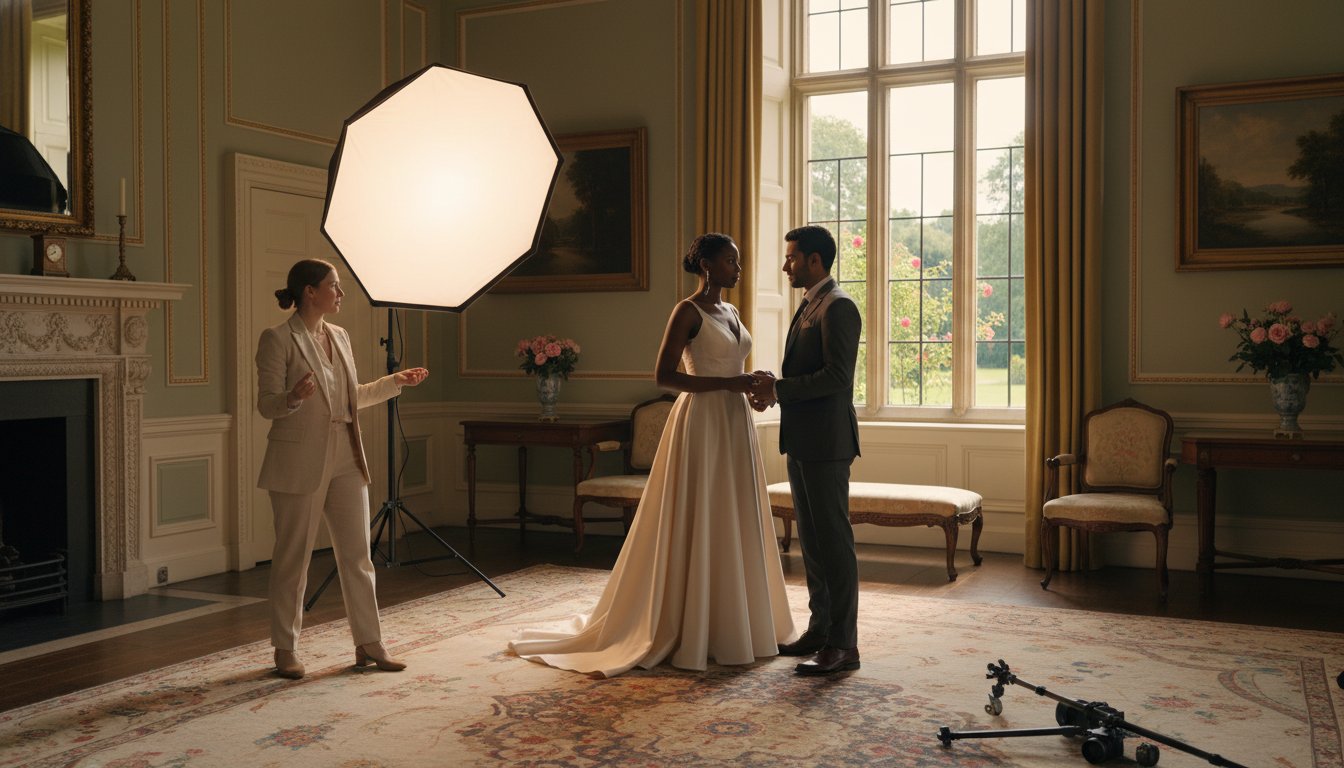
The traditional advice to "just find a second shooting gig" has become a modern gatekeeping myth that stalls more careers than it starts. For many aspiring photographers, the path to the industry is blocked by a frustrating paradox: you cannot secure a role without a high-end portfolio, yet you cannot build that portfolio without being hired. This paradox often leaves talented individuals feeling stagnant while the global wedding photography market, projected to reach $26.92 billion in 2026, continues to expand. If you've found the doors to traditional apprenticeships firmly bolted, you aren't alone in your frustration. However, getting experience without second shooting is not only possible but can actually provide a more structured and accelerated route to professional competency.
We recognise the anxiety of facing your first solo wedding without a body of work that reflects your true potential. This article outlines professional strategies to bypass the gatekeepers and curate a diverse, high-end wedding portfolio that attracts discerning, high-paying clients. You'll learn how to transition from an aspiring creative to a validated professional through intentional practice and expert mentorship. We'll explore how structured environments, such as a Wedding Photography Portfolio Builder Workshop, offer a clear roadmap to mastery, ensuring you step onto the wedding floor with the confidence expected of an industry leader.
Key Takeaways
- Understand the modern barriers of the "Second Shooting Catch-22" and why traditional assisting roles are no longer the only viable entry point into the industry.
- Discover proactive strategies for getting experience without second shooting, including the coordination of high-end editorial shoots and participation in a Wedding Photography Portfolio Builder Workshop.
- Learn the value of a structured learning environment where expert critique and "safe failure" allow you to master complex lighting and posing before facing a real client.
- Identify how to form strategic alliances with adjacent vendors to create a diverse, high-quality portfolio that resonates with a sophisticated target audience.
- Explore how formal recognition through the IOWP Awards and Membership serves as a credible "seal of approval" to build client trust in the absence of a long-term portfolio.
The Second Shooting Catch-22: Why the Traditional Path is Stalling
The "Second Shooting Catch-22" represents a structural barrier that has long hindered new talent within the industry. It's a frustrating cycle where established lead photographers demand a refined portfolio before they'll consider you for an assistant role, yet the only traditional way to acquire that portfolio is by assisting. While the history of wedding photography was built on long-term apprenticeships, the modern climate is far more risk-averse. Lead photographers today face immense pressure. With the average wedding costing $36,000 in 2025-2026, clients expect flawless execution from every person behind a lens. This financial weight makes professionals hesitant to hire novices who might lack the technical discipline to handle high-stakes moments. Consequently, getting experience without second shooting has become a strategic necessity rather than a secondary choice.
Beyond the difficulty of getting hired, the limitations of assisting are often overlooked. Even if you secure a role, you rarely possess the creative direction. You are there to serve another person's brand. This often means your work must be candid and unobtrusive, which clashes with the shift in the 2026 wedding market towards highly polished, stylised aesthetics. These editorial looks require intentional lighting and posing, skills that "candid" second shooting rarely allows you to practice or capture for your own use.
The Reality of Modern Wedding Industry Gatekeeping
Many established studios now reject the "work for free" model to protect their brand’s exclusivity and mitigate legal liabilities. Insurance requirements often specify that all shooters must have a proven track record, making it difficult for beginners to even step onto the venue floor. Even when you do secure a spot, the legal hurdles are significant. Most second-shooting contracts strictly prohibit you from using the images for your own marketing. This effectively strips the role of its primary value for a beginner. Additionally, passive observation rarely prepares you for the intense pressure of a live event. You might see the lead photographer work, but you won't experience the split-second decision-making required for the direct flash and pop-art trends currently in demand.
Why Waiting for 'Permission' is Slowing Your Progress
Waiting for a lead photographer to grant you an opportunity is a passive approach that can stall your career for years. True professional growth requires an active, business-owner mindset from the very beginning. Instead of seeking a chance, you should be creating one. Professional photography courses and workshops provide a legitimate bypass to the traditional five-year apprenticeship. These structured environments allow you to master the craft without the creative restrictions or copyright limitations found in assisting roles. By treating your education as a serious discipline, you transform from a hopeful assistant into a competent professional ready to lead your own commissions. It's about taking control of your trajectory rather than hoping someone else will do it for you.
Practical Alternatives for Building a Professional Wedding Portfolio
Building a high-end portfolio requires a shift from passive observation to active curation. While some online forums suggest shooting low-budget events for friends, this often results in a gallery that fails to attract premium clients. Instead, getting experience without second shooting allows you to maintain total creative control from the outset. By focusing on high-end styled shoots and strategic collaborations, you ensure every image on your website aligns with the luxury market. This method replaces the "sink or swim" nature of assisting with a deliberate, high-standard approach to image creation.
You can also sharpen your technical skills by covering non-wedding events. Corporate galas or private parties offer excellent opportunities to master off-camera flash and navigate complex, fast-moving environments. Similarly, collaborating with bridal boutiques or florists for product-focused editorial content builds industry relationships while providing you with exquisite details to photograph. Offering "pre-wedding" or engagement sessions is another effective way to build rapport with couples and refine your posing techniques in a low-pressure setting before ever stepping foot in a ceremony.
The Power of the Styled Shoot
A well-executed styled shoot is a cornerstone of a modern portfolio. When pitching to vendors like venues or cake makers, present a clear mood board that highlights a shared aesthetic. It's vital to hire professional models rather than relying on friends. Professionals understand how to move and hold poses, ensuring you capture the "hero" shots necessary for a commercial-grade website. This intentionality allows you to target the specific demographic you wish to serve, rather than simply accepting whatever work comes your way.
Leveraging Portfolio Builder Days
For many, the most efficient route to a professional gallery is through a dedicated Wedding Photography Portfolio Builder Workshop. These events offer a significantly higher return on investment than months of second shooting. You aren't just an observer; you're the lead photographer in a controlled, high-end environment. Having expert guidance on hand to critique your lighting and composition ensures you don't just take photos, but actually improve your craft. If you're looking for a structured path to success, exploring our range of academy courses can provide the formal foundation your career needs.
Structured Learning vs. On-the-Job Trial and Error
The prevailing sentiment in many online communities suggests that true proficiency is only forged in the heat of a live event, where mistakes serve as harsh but effective teachers. However, this "sink or swim" philosophy is inherently flawed for a professional aiming to build a sustainable, high-end brand. Trial and error at a real wedding represents a high-risk strategy that can lead to irreversible reputational damage before a career has even begun. By prioritising getting experience without second shooting through a formal curriculum, you enter a "safe failure" environment. Here, technical errors are met with instruction rather than client dissatisfaction. This methodical approach ensures that your first solo commission is defined by composure and precision rather than frantic guesswork.
Unlike the chaotic nature of assisting, where the lead photographer is understandably preoccupied with the couple’s needs, structured learning provides the luxury of immediate, expert critique. When you are second shooting, you are a tool for another professional’s vision; you rarely receive an analysis of your composition, lighting choices, or interpersonal handling of the bridal party. In a professional workshop or course, the focus shifts entirely to your development. This feedback loop is essential for moving beyond "getting lucky" with a few frames and instead achieving a standard of consistent, high-quality delivery that justifies a premium price tag.
The Benefits of a Professional Mentorship Programme
One of the most significant advantages of a Wedding Photography Mentorship Program is the ability to identify "blind spots" that you simply cannot see on your own. A mentor provides a bird’s-eye view of your progress, offering a curriculum that balances technical settings with essential business growth strategies. While an apprenticeship might take years to yield a single breakthrough, structured mentorship can accelerate your technical proficiency in a matter of months. This guidance transforms your portfolio from a collection of disparate images into a cohesive, professional body of work that communicates authority to prospective clients.
Mastering Technical Fundamentals Off-Site
Mastering "posing under pressure" is perhaps the most difficult skill to acquire while second shooting, as you are rarely given the lead to direct the couple. Practising these movements in a controlled setting allows you to develop a mental library of poses that work across various body types and lighting conditions. This is particularly vital when implementing advanced photography tips regarding off-camera flash and low-light scenarios. By refining these skills away from the high-stakes environment of a ceremony, you ensure that your technical execution is second nature. Ultimately, getting experience without second shooting through dedicated study allows you to lead with confidence, ensuring you never have to "practise" on a paying client’s wedding day.
Strategic Networking and Creating Your Own Opportunities
Networking is often mischaracterised as a reward for the established, yet it is actually the primary engine for those entering the field. When the traditional path of assisting is unavailable, creating a mutual value exchange with adjacent vendors becomes essential. Florists, cake designers, and stationery makers are constantly in need of high-calibre imagery to showcase their craft. By providing these professionals with polished editorial shots, you build a referral loop that operates independently of the second-shooting circuit. This proactive approach allows for getting experience without second shooting while simultaneously positioning you as a collaborative partner within the local wedding ecosystem.
One highly effective but underutilised strategy is mastering the role of the "Third Shooter." Unlike a second shooter who is contractually obligated to the lead photographer's delivery schedule, a third shooter focuses on shadowing and capturing supplemental details for vendors. This role removes the immense pressure of primary delivery while allowing you to observe the flow of a professional commission. Similarly, offering mini-sessions at bridal fairs or local community events provides a high-volume environment to practice posing real couples. These interactions build the muscle memory required to lead a wedding party with authority and grace.
Collaborative Marketing for New Photographers
Approaching venues for "content days" during their quiet seasons is a sophisticated way to build your portfolio. Many venues welcome the opportunity to refresh their marketing materials with contemporary aesthetics. By organising a small-scale shoot, you demonstrate your ability to manage a production, which shifts the perception of your brand from a "desperate beginner" to a "pro-active professional." Providing these high-quality images to the venue in exchange for social media tags and referrals creates a sustainable lead source that bypasses the need for a traditional apprenticeship.
Documenting Your Education as Social Proof
In a market where authenticity is highly valued, documenting your photography training on social media builds more trust than curated "fake" wedding posts. Sharing the process of mastering off-camera flash or attending a professional workshop creates a narrative of dedication and discipline. This transparency attracts "early adopter" clients who value skill and formal education over mere years of service. Professional accreditation from a recognised body further serves to replace a long list of past weddings on your "About" page, offering the validation clients need to book with confidence. To begin your journey toward formal recognition, consider enrolling in a wedding photography training course in the UK to solidify your standing in the industry.
Professional Validation with the Institute of Wedding Photographers
The final piece of the professional puzzle isn't found in the shadows of another photographer’s brand, but in the formal validation of your own. When getting experience without second shooting, you must find alternative ways to signal reliability to high-end clients. Formal certification provides a "seal of approval" that effectively replaces the need for a massive, decade-long portfolio. It demonstrates that your work has been scrutinised by a professional body and meets rigorous industry standards. This shift from "aspiring" to "accredited" is made possible through structured wedding photography training, which focuses on the commercial realities of the 2026 market.
Validation also provides a competitive advantage that a standard apprenticeship cannot match. While second shooters often remain invisible to the wider industry, accredited photographers are recognised as part of a modern professional guild. This status allows you to bypass the entry-level market and speak directly to couples who value excellence, discipline, and the formalisation of talent. By aligning yourself with the Institute of Wedding Photographers, you gain the gravitas required to lead your own commissions with composure and authority.
The Shortcut to Credibility: IOWP Membership
Being part of an international organisation fundamentally changes how prospective couples perceive your expertise. You're no longer a novice asking for a chance; you're a professional offering a validated service. Participating in the Wedding Photography Awards serves as a powerful benchmark for your progress, providing tangible proof of your skill level. This transition also grants access to a community of peers who view you as a contemporary rather than a subordinate. This psychological shift is vital for your brand's longevity. It replaces the "permission-seeking" mindset with the grounded confidence of a business owner.
Next Steps: Your Roadmap to a 2026 Launch
The process of getting experience without second shooting is ultimately about active career ownership. Launching a successful business by 2026 requires a deliberate, time-bound strategy. A 90-day roadmap can take you from a standing start to your first solo booking. Spend the first 30 days mastering technical fundamentals through a mentorship programme. Use the next 30 days to build a high-end gallery at a Portfolio Builder Workshop. Dedicate the final month to strategic networking and vendor collaborations. Investing in yourself through high-ticket photography events ensures you learn the right habits from the beginning. Stop waiting for the permission of a lead photographer. The industry is ready for new, disciplined talent; it's time to start building your legacy today.
Take Command of Your Creative Future
Transitioning from an aspiring photographer to a respected industry professional doesn't require the permission of an established studio or years spent in a secondary role. By prioritising active portfolio building and seeking formal accreditation, you bypass the traditional gates of the industry. We've demonstrated that getting experience without second shooting is achieved through intentional practice, strategic vendor collaborations, and the pursuit of structured excellence. This path ensures you enter the market not as a subordinate, but as a business owner with a validated standard of work.
As an organisation accredited by the International Organization of Wedding Photographers, we provide the mentorship from industry-leading professionals needed to refine your vision. Whether you're attending destination workshops in Italy and Paris or mastering technical fundamentals closer to home, your journey toward mastery is supported by a global standard of prestige. It's time to move beyond the limitations of traditional apprenticeships and establish your own legacy. Explore our Portfolio Builder Workshops and start your career today. Your professional transformation is well within reach; you simply need the discipline to begin.
Frequently Asked Questions
Is it possible to become a wedding photographer without ever second shooting?
Yes, it's entirely possible to establish a successful career by substituting traditional assisting with structured learning and styled editorial work. Many professionals find that getting experience without second shooting allows them to curate a specific, high-end aesthetic from day one. This proactive approach avoids the risk of being associated with a lead photographer's differing style or being restricted by contracts that prevent you from using your own images.
How many weddings should I have in my portfolio before booking my own clients?
You don't need dozens of galleries; instead, aim for three to five highly polished, cohesive stories that reflect your target market. Discerning clients value the quality and consistency of your vision over the sheer volume of past events. A well-curated portfolio built through intentional workshops often carries more weight than a fragmented collection of candid shots taken as a secondary observer at weddings that don't match your brand.
Can I use images from a workshop or portfolio builder on my website?
Yes, images captured during a professional Portfolio Builder Workshop are specifically intended for your commercial website and social media. These environments are designed to provide you with "hero" shots that would be difficult to obtain while second shooting. Always ensure you credit the vendors involved, as this fosters the strategic networking relationships that are essential for long-term growth in the wedding industry.
What is the fastest way to learn wedding photography lighting?
The most efficient method is through dedicated, hands-on training such as the POSE, LIGHT & FIRE course. Mastering off-camera flash and the 2026 trend for direct flash requires immediate feedback and technical demonstration. Learning these skills in a controlled environment prevents the high-stakes errors that often occur when attempting to learn on the job during a live ceremony where there is no room for failure.
Do I need professional insurance if I am not second shooting for someone else?
Yes, professional insurance is a mandatory requirement for any serious business owner. Even when you aren't working under another photographer's policy, you must protect yourself against equipment theft and public liability. According to 2026 industry data, the average monthly cost for general liability insurance ranges between $19 and $42, which is a small investment for the essential protection and professional standing it provides.
How do I find models for my first styled wedding shoot?
To ensure your portfolio meets high-end standards, it's best to hire professional models through reputable agencies or casting platforms. Professional models understand how to interact with the camera and hold poses effectively, which is vital for capturing commercial-grade imagery. This approach ensures your website features the high-calibre shots necessary to attract premium clients who expect a specific level of polish and editorial flair.
Should I offer to work for free to get my first 'real' wedding experience?
Working for free is often counterproductive as it can inadvertently devalue your brand and attract clients who don't respect professional boundaries. Instead of seeking free experience, focus on producing high-quality styled content that demonstrates your technical worth. Getting experience without second shooting through intentional portfolio building allows you to enter the market at a sustainable price point, backed by the validation of a professional body.
What gear is essential for a beginner wedding photographer in 2026?
In 2026, essential gear includes a mirrorless camera body with dual card slots and a selection of fast prime lenses, such as a 35mm and 85mm. You'll also require a reliable off-camera flash system to execute the bold, editorial aesthetics currently in demand. While gear is important, your ability to master these tools through a wedding photography training course in the UK remains the most significant factor in your commercial success.