
Finding Inspiration for Wedding Photography: A Guide to Developing Your Creative Vision
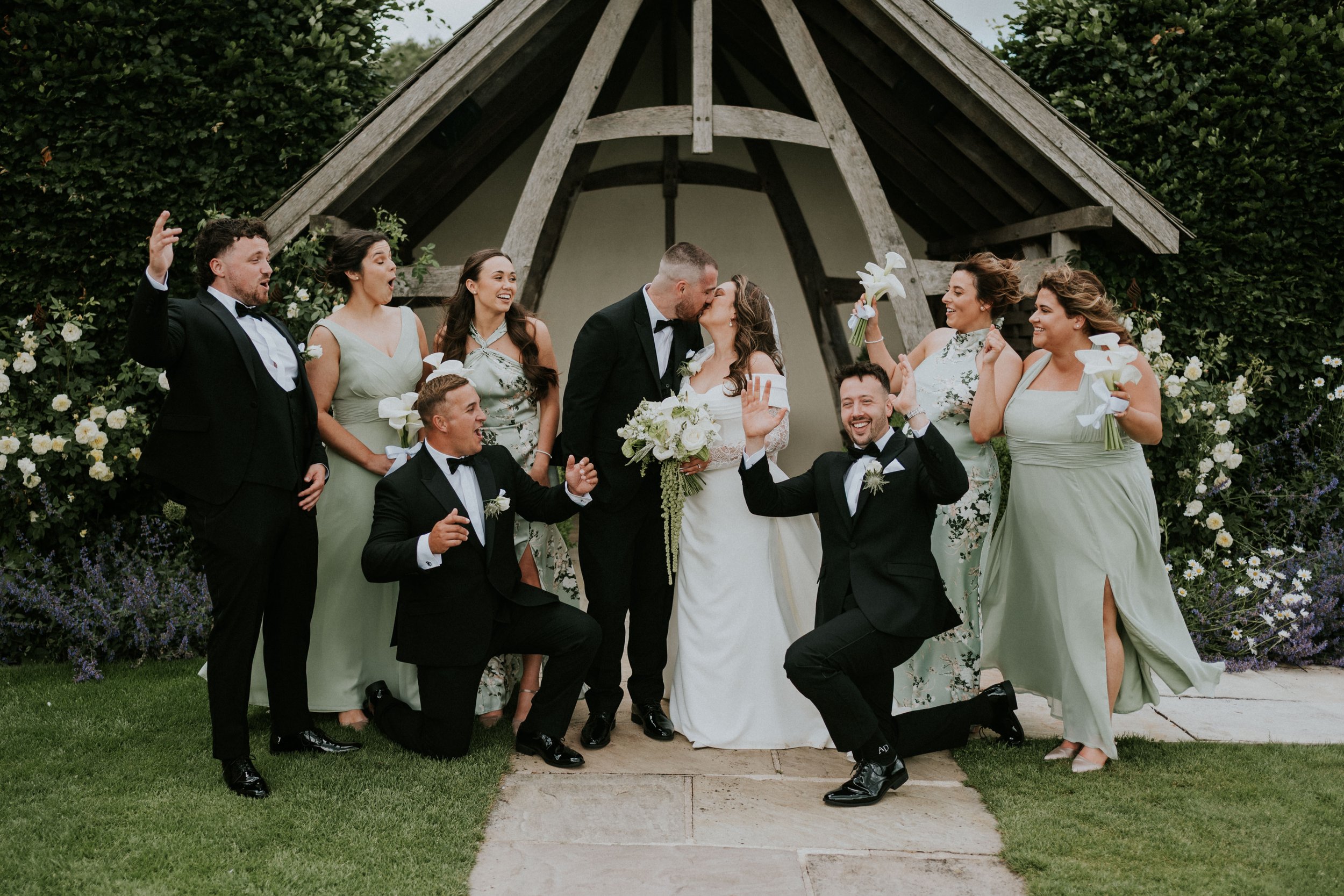
What if the most effective way to distinguish your work in a saturated market is to stop looking at what other photographers are doing? While it's tempting to scroll through social media for ideas, finding inspiration for wedding photography often requires a more disciplined approach that reaches beyond the latest digital trends. Many professionals find themselves trapped in a cycle of replicating generic shot lists; this often leads to a creative plateau and a portfolio that fails to reflect their true potential.
You likely recognise that staying relevant in the UK market requires more than just technical proficiency; it demands a unique artistic voice. The Institute of Wedding Photographers aims to help you cultivate a signature style by drawing from diverse influences such as cinema, classical painting, and architecture. We will examine how to refine your visual literacy and transform your craft into a prestigious professional practice, ensuring your portfolio reflects the high standards required to attract discerning clients and achieve formal validation in your career.
Key Takeaways
Learn why moving beyond simple documentation and avoiding the "Pinterest Trap" is essential for building a memorable, professional brand.
Discover how to refine your visual literacy by finding inspiration for wedding photography in the lighting techniques of classical painters and the narrative structure of cinema.
Understand the three pillars of modern wedding photography to help you blend editorial and photojournalistic styles into a unique signature voice.
Explore practical exercises, such as the "One Lens Challenge," to break creative ruts and sharpen your decision-making behind the camera.
Identify how structured professional guidance and immersive workshops can provide the creative reset needed to elevate your portfolio to a higher market tier.
Table of Contents
The Search for Creative Vision: Why Finding Inspiration Matters
Beyond the Wedding Industry: Sourcing Inspiration from Classical Art and Cinema
Developing Your Signature Style: Evaluating Photography Genres
The Search for Creative Vision: Why Finding Inspiration Matters
What if the most significant barrier to your professional growth isn't your equipment, but your perspective? Creative inspiration is the ability to interpret a scene rather than simply documenting it. While technical mastery ensures a clear image, finding inspiration for wedding photography requires a deeper engagement with the environment to create something truly unique. Many practitioners fall into the "Pinterest Trap," where copying specific trends leads to a generic, unmemorable brand that fails to stand out in a crowded marketplace.
Developing a unique artistic vision is directly linked to long-term commercial success, particularly within the sophisticated UK market. Clients seeking premium services aren't looking for a replica of a social media feed; they're looking for a photographer with high visual literacy. This foundation allows you to understand the history of wedding photography and how the craft has evolved from formal studio portraits to the nuanced storytelling we value today. By understanding these roots, you can make more informed artistic decisions that give you a distinct competitive advantage.
Moving Beyond the Wedding Shot List
A rigid checklist can often act as a mental cage, keeping your eyes on a piece of paper instead of the unfolding emotions of the day. While technical competence is the baseline for any professional, it's your artistic vision that defines the ceiling of your career. When you move beyond the standard list, you begin to anticipate emotional moments before they happen. You stop looking for the "standard" kiss and start noticing the subtle, quiet interactions that define the couple's true story.
The Role of the Professional Mentor
Self-taught inspiration often reaches a plateau where your work begins to feel repetitive. Without external, objective critique, it's difficult to identify where your vision falters or where your style has become stagnant. This is where the value of a high-standard mentor becomes clear. The Institute of Wedding Photographers fosters this specific growth through structured learning and personalised feedback, helping you move from amateur talent to professional excellence. By engaging with a modern professional guild, you ensure your creative journey is supported by industry standards and a commitment to the formalisation of your craft.
Beyond the Wedding Industry: Sourcing Inspiration from Classical Art and Cinema
Expanding your visual diet beyond the immediate industry is one of the most effective strategies for finding inspiration for wedding photography that feels fresh and sophisticated. When you limit your study to other wedding galleries, you risk creating work that is merely a derivative of current trends. By looking toward classical art, cinema, and high-fashion editorial work, you begin to see possibilities that your competitors often miss. This cross-disciplinary approach allows you to borrow techniques that have stood the test of time, translating them into a modern context that appeals to high-end clients seeking a unique artistic voice.
Studying Light with the Old Masters
Classical painters like Rembrandt and Caravaggio are the ultimate teachers for any professional struggling with difficult indoor lighting or flat compositions. These masters understood that light is only as powerful as the shadows it creates. Chiaroscuro, the technique of using strong contrasts between light and dark, can be applied to a bridal portrait to create a dramatic, three-dimensional effect that feels both timeless and expensive. This isn't just about technical camera settings; it's about seeing the shape of light as it falls across a subject. For those looking to refine these techniques, the Mastering Light pillar provides a deeper dive into the technical execution required to achieve these painterly results.
Cinematic Storytelling and Composition
Cinema offers a masterclass in narrative flow, which is vital when designing a wedding album that feels like a cohesive story rather than a collection of random images. Start by thinking about establishing shots like a film director would. Use a wide-angle lens to capture the grandeur of a venue or the atmosphere of the morning preparations before zooming in on the intimate details. You should also study the work of other photographers outside the wedding niche to see how they use negative space to direct the viewer's eye. Applying the principle of thirds helps create a sense of balance, but don't be afraid to leave large areas of the frame empty to create a more high-end, editorial feel.
Fashion editorial work is another rich source for hero shots that make a portfolio truly stand out. While finding inspiration for wedding photography often leads people toward candid moments, incorporating elements of fashion posing can elevate a couple's session from simple portraits to something worthy of a magazine cover. To keep these influences fresh, maintain a physical or digital mood board that is strictly non-wedding related. Collect textures from architecture, colour palettes from films, and lighting setups from fashion magazines. This habit prevents creative burnout and ensures you arrive at every wedding with a refreshed perspective. If you're ready to see how these diverse influences come together in a professional setting, we invite you to browse the award-winning gallery of the Institute of Wedding Photographers for further creative sparks.
Developing Your Signature Style: Evaluating Photography Genres
Identifying your photographic identity is a critical step in professional progression. Rather than viewing styles as rigid, isolated boxes, successful photographers treat them as a versatile spectrum. Finding inspiration for wedding photographybecomes significantly more efficient once you understand which specific genre resonates with your natural eye. Most modern masters don't adhere strictly to one school; instead, they develop a hybrid approach that provides a distinct competitive advantage. This formalisation of style allows you to move beyond being a generalist and positions you as a specialist with a refined artistic voice.
Editorial vs. Photojournalism
The editorial style borrows heavily from high-fashion magazines, where the photographer takes an active role in 'curating' the scene. This involves adjusting a pose or subtly moving a subject into better light to create a 'hero' shot that feels intentional and polished. Conversely, photojournalism relies on the skill of invisible observation. It is the art of capturing raw, unscripted emotion without the subject ever noticing the camera lens. Balancing these two approaches allows you to deliver a comprehensive gallery that satisfies both the desire for magazine-quality portraits and the need for authentic, emotional storytelling.
The Fine Art Aesthetic
The Fine Art aesthetic is often characterised by light, airy compositions and a soft, film-like quality that emphasises elegance. This style prioritises beauty and deliberate composition above all else. When working within this genre, finding inspiration for wedding photography often leads you to the textures of bridal fabrics, the intricate details of florals, or the grand lines of historical architecture. For a deeper analysis of these aesthetics and their commercial application, you can refer to the Definitive Guide to Modern Wedding Photography, which explores how these trends are evolving in the current market.
High-end clients in the UK value consistency above almost every other factor. They aren't just buying a set of images; they're investing in a specific, predictable artistic vision. If your portfolio is a disjointed mix of competing styles, it creates uncertainty in the mind of the prospect. Your chosen style should dictate the type of inspiration you seek during your creative downtime. If you're a fine art photographer, studying gritty street photography might not be as productive as looking at botanical illustrations or classical sculpture. Maintaining a coherent aesthetic builds the trust necessary to attract clients who are willing to pay a premium for a prestigious result. This discipline ensures that your work remains recognisable and maintains the high standards expected of a professional practitioner.
Practical Exercises to Refine Your Photographic Eye
Finding inspiration for wedding photography requires a transition from passive observation to active, disciplined experimentation. One of the most effective methods to break a creative plateau is the "One Lens Challenge". By restricting yourself to a single prime lens for an entire day, you're forced to move your body and rethink your composition rather than relying on a zoom. This limitation often reveals new perspectives and spatial relationships that a bag full of equipment would have obscured.
Another essential practice involves the regular, critical review of your weakest images. It's easy to focus on your highlights, but your failures often hold the key to your professional growth. Ask yourself why a specific shot didn't work. Was the light flat? Was the background distracting? By identifying where your vision falters, you can set specific "creative briefs" for non-wedding shoots to address those exact weaknesses. This structured self-critique ensures that finding inspiration for wedding photography leads to tangible skill acquisition rather than just a collection of saved digital files.
Portfolio Building and Experimentation
Experimenting during a high-stakes wedding is rarely advisable. This is why attending professional photography courses and workshops is so valuable for your progression. These environments provide a safe space to fail, learn, and iterate without the pressure of a paying client. Working with professional models allows you to master complex posing and lighting setups at your own pace. These sessions act as a bridge, helping you transition your portfolio from its current state toward the prestigious, inspired vision you aim to achieve.
The Power of Print and Curation
Composition takes on a new dimension when you see your work in print. Digital screens can hide flaws that become glaringly obvious on paper. Printing your best work allows you to evaluate colour harmony and fine detail with a level of scrutiny that digital files don't permit. This leads to the discipline of "brutal curation", where you only show the work that reflects your inspired vision. Once you've refined your selection, you might consider seeking formal recognition through the IOWP Awards to validate your progress and gain a competitive advantage.
If you're ready to put these exercises into practice under expert guidance, explore the wedding photography training dates in the UK offered by the Institute of Wedding Photographers to secure your place at our next session.
Elevating Your Craft with the Institute of Photographers
Finding inspiration for wedding photography is a continuous journey that benefits significantly from a structured environment. While self-guided study is valuable, the Academy provides a definitive path for those moving from amateur enthusiasts to professional practitioners. This process isn't just about learning camera settings; it's about the transformation of your artistic vision through the Wedding Photography Mentorship Program. By receiving direct, personalised critique from seasoned masters, you learn to identify the unique markers of your style that will eventually define your professional brand.
For those seeking a complete creative reset, immersive experiences like the 4 Day Photography Workshop at Ceconi Castle offer an unparalleled opportunity. These destination workshops remove you from your daily routine, allowing you to focus entirely on the craft in a prestigious, historically rich setting. You'll work alongside peers who share your commitment to excellence, finding inspiration for wedding photography in the classical architecture, unique lighting, and collaborative energy of the event. It's often in these moments of focused study that the most significant breakthroughs in visual literacy and confidence occur.
Structured Learning for Aspiring Professionals
The curriculum at the Institute is meticulously organised to guide you from technical mastery to genuine commercial success. You'll gain access to feedback that challenges your creative assumptions and pushes your boundaries beyond the generic trends seen on social media. This structured approach ensures that your growth is steady and grounded in industry standards. We invite you to view our upcoming training dates to find a national workshop that fits your current skill level and long-term professional goals.
Join the Global Photography Community
Becoming part of the IOWP offers more than just education; it provides essential professional validation through IOWP Awards and Membership. This modern professional guild serves as a guardian of industry standards, ensuring that your talent is formally recognised by both your peers and high-end clients. By joining a community that values discipline, artistic growth, and the formalisation of talent, you ensure that your passion is supported by a stable, prestigious institution. This is the final step in transforming your creative vision into a viable, high-standard career that stands out in the competitive landscape of the UK wedding industry.
Refining Your Artistic Legacy
Cultivating a unique creative vision is a lifelong pursuit that requires moving beyond the surface-level trends of social media. By looking toward the lighting of the Old Masters and the narrative depth of cinema, you can build a portfolio that reflects a sophisticated and enduring aesthetic. Finding inspiration for wedding photography in these diverse disciplines ensures that your work remains relevant and prestigious in a competitive market, allowing you to move from simply documenting events to creating evocative works of art.
The path to professional excellence is most effectively travelled with expert guidance and a supportive community. Whether you're seeking intensive destination workshops in Italy and Paris, or looking for personalised mentorship from industry experts, the right environment is essential for your growth. As the home of the IOWP Awards and formal professional certification, we provide the structure you need to validate your talent and reach the highest standards of the craft.
Discover how the Institute of Photographers can transform your creative vision and take the next step toward a truly distinctive career. Your journey from technical proficiency to artistic mastery starts with a commitment to continuous learning and the courage to define your own visual voice.
Frequently Asked Questions
Where can I find unique wedding photography inspiration?
Unique inspiration is discovered by looking beyond the immediate wedding industry to sources like classical painting, contemporary cinema, and high-fashion editorial work. By studying how a film director uses an establishing shot or how a painter handles light, you develop a more sophisticated eye. This cross-disciplinary approach ensures your work doesn't become a derivative of current social media trends, offering you a significant competitive advantage in a crowded market.
How do I develop a signature style in wedding photography?
Developing a signature style requires a disciplined commitment to consistency in your lighting, composition, and post-processing techniques. It often involves finding inspiration for wedding photography that resonates with your natural artistic leanings, whether that's the raw emotion of photojournalism or the curated elegance of editorial work. A signature style isn't a fixed category; it's a hybrid approach that you refine through continuous practice and formal validation from peers and mentors.
Is Pinterest a good place for wedding photography ideas?
Pinterest is an excellent tool for initial mood boarding and understanding client preferences, but it shouldn't be your primary source of creative direction. Over-reliance on these platforms often leads to the Pinterest Trap, where you copy specific poses rather than interpreting the unique light and emotion of the day. Use it to identify broad themes, but look toward classical art and architecture to develop the deeper visual literacy required of a professional.
How can I stay creative during a long, stressful wedding day?
Staying creative during a long day involves shifting your focus from a rigid shot list to the environment's changing light and emotional energy. Try a creative reset by switching to a single prime lens for a portion of the day, which forces you to move and rethink your angles. By anticipating moments rather than just reacting to them, you maintain a proactive artistic mindset that keeps your imagery fresh and inspired even during high-pressure situations.
What are the most popular wedding photography styles in 2026?
In 2026, documentary-style photography remains dominant, with 67% of couples preferring a natural and unposed approach to their day. Traditional wedding photography still holds a significant market share at approximately 36.29%, while editorial and social-first content are rapidly growing segments. Understanding these shifts helps you position your brand effectively, ensuring you meet modern client expectations while maintaining the high standards expected of a professional practitioner in the UK market.
Can attending a photography workshop help me find inspiration?
Attending a workshop provides a structured environment for safe experimentation away from the pressures of a live wedding. Immersive sessions, such as a portfolio builder or a destination workshop, offer a complete creative reset and direct access to industry-leading mentors. These experiences are vital for finding inspiration for wedding photography, as they allow you to master new techniques and receive personalised feedback that accelerates your journey toward professional excellence.
How do I move from traditional to editorial wedding photography?
Moving toward an editorial style requires a shift from being a passive observer to an active curator of the scene. You must focus on the hero shot, using high-fashion posing and deliberate composition to create images that feel like they belong in a luxury magazine. Start by studying editorial lighting and incorporating more directed moments into your couple sessions. This transition is often supported by formal training that bridges the gap between technical skill and artistic vision.
Why is visual literacy important for professional photographers?
Visual literacy is the ability to interpret and create images with a deep understanding of composition, light, and historical context. It's the foundation of professional photography because it allows you to move beyond simple documentation to intentional storytelling. For a professional, this literacy provides the tools to articulate a unique vision, build a more prestigious portfolio, and attract higher-paying clients who value the discipline and tradition of the craft.