
Creative Lighting for Wedding Receptions: A Professional Photographer’s Guide for 2026
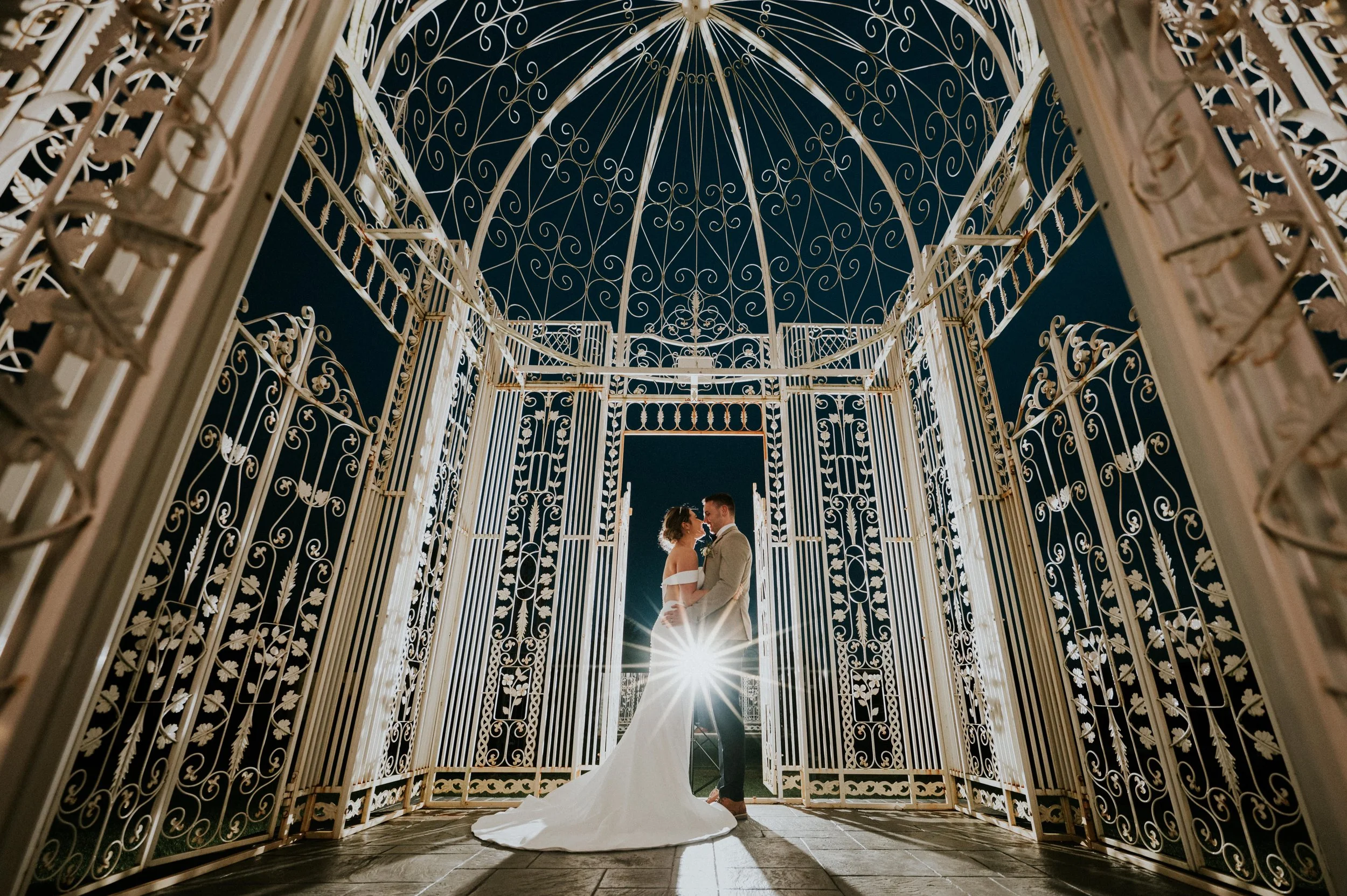
What if the most formidable, shadow-drenched barn or cavernous stone castle wasn't a technical obstacle to be feared, but rather your most significant opportunity to produce an award-winning portfolio? Many practitioners feel a genuine sense of trepidation when entering a reception space where dark oak panelling or high, vaulted ceilings seem to consume every photon of light. It's a common concern that introducing off-camera flash might inadvertently strip away the delicate, natural atmosphere that the couple has worked so tirelessly to create.
By embracing creative lighting for wedding receptions, you can transcend the limitations of your environment and begin to treat light as a sophisticated compositional tool. This guide provides the structured guidance needed to master these advanced techniques, ensuring you can capture dynamic movement during the first dance without the frustration of motion blur. We'll examine how to develop a signature visual style that attracts premium clients and provides the professional validation you deserve through the mastery of cinematic vision, mirroring the high standards of the IOWP curriculum. Through patient study and technical discipline, you'll learn to transform even the most challenging venues into curated masterpieces of light and shadow.
Key Takeaways
Understand light as a compositional tool to enhance mood, moving beyond standard on-camera flash to reflect the prestige of high-end venues.
Master the Three-Point Lighting system and the nuances of Manual flash to achieve consistent, high-standard results on a busy dance floor.
Discover how to balance ambient venue light with professional strobes using CTO gels and shutter dragging for creative lighting for wedding receptions.
Implement the Backlight and Bounce method to capture dynamic movement during the first dance while avoiding common issues like lens flare or ghosting.
Learn how formalising your talent through a dedicated wedding photography mentorship programme can elevate your work from technical proficiency to award-winning artistry.
Table of Contents
The Role of Creative Lighting in Professional Wedding Portfolios
Essential Lighting Techniques and Terminology for Photographers
The Role of Creative Lighting in Professional Wedding Portfolios
Creative lighting for wedding receptions isn't simply about ensuring a scene is visible; it's the intentional manipulation of photons to enhance mood and composition. While many beginners rely on the safety of natural light, the true professional understands that light is a physical medium to be sculpted. Standard on-camera flash often fails to capture the prestige of high-end venues, frequently resulting in flat, uninspired imagery that doesn't reflect the venue's architectural grandeur. This lack of depth can make a luxury ballroom look like a community hall. To avoid this, photographers must move beyond basic illumination and embrace a more sophisticated approach.
Transitioning from a purely documentary approach to a cinematic one requires a fundamental shift in professional vision. It marks the difference between merely recording an event and creating a piece of art. This evolution is often the primary driver for those seeking to increase their commercial value through a wedding photography mentorship programme. By mastering the technicalities of light, you stop being a passenger to the environment and start becoming the director of the frame. Understanding the history of flash photography reveals that the transition from simple illumination to creative control has always defined the industry's elite practitioners.
Beyond Basic Illumination: The Narrative Power of Light
Light possesses the unique power to direct a viewer's eye toward the emotional core of a scene, whether that's a tearful toast or a quiet glance. The psychological impact of colour temperature is equally vital in a reception setting. Warm amber tones evoke a sense of intimacy and tradition, while cooler blues can introduce a modern, ethereal atmosphere. Professional validation requires a departure from "safe" lighting setups. Taking risks with shadows and highlights allows you to create a signature "look" that distinguishes your portfolio from the saturated market of natural-light-only shooters.
Identifying the Challenges of National Wedding Venues
UK photographers often face specific environmental hurdles that demand technical discipline. Managing the cavernous, high ceilings of traditional barns or the light-absorbing dark oak panelling of historic manors requires more than just raw power; it requires precision. You must also navigate the "mixed lighting" nightmare where vibrant LED uplighting clashes with the natural blue of twilight or the orange glow of tungsten lamps. In the context of a candlelit wedding reception, dynamic range refers to the camera's ability to preserve detail in the delicate flicker of a flame while simultaneously resolving information in the deep shadows of the surrounding room.
Essential Lighting Techniques and Terminology for Photographers
Moving beyond the basic "bounce" flash requires a deeper understanding of the physical properties of light. While many companies focus on hireable décor, the photographer's role in creative lighting for wedding receptions is to interpret and enhance that environment through technical precision. Achieving a cinematic result requires you to think like a cinematographer, treating the reception space as a set where every light source has a specific purpose.
The "Three-Point Lighting" system is a classic studio concept that remains highly effective when adapted for a busy dance floor. By using a "Key" light to define your subject, a "Fill" light to soften deep shadows, and a "Rim" light to create separation from the background, you can produce three-dimensional images in even the flattest rooms. This approach is significantly more reliable when using Manual flash settings rather than TTL (Through The Lens). Manual control ensures your exposure remains consistent regardless of whether your subject is wearing a dark suit or a white dress, which is a hallmark of the disciplined professional.
Understanding the "Inverse Square Law" is equally vital for practical application. In simple terms, this law states that the intensity of light drops off rapidly as the distance from the source increases. If you double the distance between your flash and your subject, you don't just lose half the light; you lose three-quarters of it. Mastering this principle allows you to place your strobes strategically so that the light fall-off doesn't "blow out" guests standing near the flash while leaving the couple in darkness. To refine this further, modifiers like grids or small softboxes allow for directional control, ensuring light hits your subject without spilling onto the tables and ruining the intimate candlelight atmosphere. If you find these technical concepts challenging, attending one of our wedding photography courses can provide the hands-on experience needed to gain total confidence.
Mastering Off-Camera Flash (OCF)
Placement strategies are the foundation of successful OCF. Cross-lighting, where two flashes are placed in opposite corners of the room, creates a beautiful sense of depth and dimension. Modern remote triggers are essential here, as they allow you to maintain control over power levels from across a large hall without interrupting the flow of the evening. This setup is particularly effective for creating a "rim light" that separates your subjects from dark, wood-panelled backgrounds, adding a level of professional polish that on-camera flash simply cannot replicate.
Utilising Gobos and Textural Light
Many high-end venues use Gobos to project patterns onto walls or dance floors. Instead of seeing these as a distraction, you can use them to add visual interest and depth to your frames. You can even create your own "artificial" texture by firing a flash through a pattern to break up large, flat surfaces. For those looking to win industry awards, incorporating "light painting" techniques during the first dance can result in unique, high-standard portfolio pieces that immediately catch the eye of prospective clients.
Balancing Ambient Venue Light with Professional Strobe
Mastering the delicate equilibrium between artificial strobes and the existing environment is perhaps the most significant technical challenge in creative lighting for wedding receptions. Beginners often make the error of "killing the ambient" by using high shutter speeds and excessive flash power, which results in subjects appearing as though they were photographed in a lightless void. This approach strips away the venue's character and the very atmosphere the couple spent months planning. A professional approach requires a more nuanced understanding of how to blend these two distinct light sources into a single, cohesive narrative.
The "Drag the Shutter" technique offers a sophisticated solution to this problem. By intentionally slowing the shutter speed, you allow the camera's sensor to record the warm, natural glow of the venue, while the near-instantaneous duration of the flash freezes the subject's movement. This creates a layered effect where the couple remains sharp, yet the background remains inviting and visible. To ensure the flash doesn't look clinical against the venue's warmth, using a CTO (Colour Temperature Orange) gel is essential. This modifier brings your flash's daylight-balanced output in line with tungsten bulbs or candlelight, resulting in a professional colour palette that feels intentional rather than accidental.
Modern camera sensors allow for the strategic use of high ISO settings in conjunction with subtle flash fill. By pushing your ISO to 3200 or higher, you can use significantly lower flash power. This preserves the delicate nuances of the environment and prevents the "deer in the headlights" look that often plagues lower-tier portfolios. It's a patient, measured process that requires you to treat your strobe as a secondary light source designed to enhance, not replace, the room's natural character.
Preserving the Atmosphere of the Venue
Capturing the subtle sparkle of fairy lights or the transition of "blue hour" window light requires technical finesse. Overexposing the foreground with too much flash will immediately wash out these atmospheric details, rendering them invisible. For those seeking visual inspiration on how to achieve this balance, the Institute of Wedding Photographers gallery provides an excellent resource for studying how award-winning practitioners maintain venue integrity. Balancing the cool tones of twilight with the interior reception warmth creates a sense of depth that is highly prized in luxury wedding photography.
Highlighting Key Moments with Pinspotting and Rim Light
Pinspotting and rim lighting allow you to draw the viewer's eye to specific details, such as the wedding cake or intricate floral centrepieces. Using a narrow beam of light creates a high-standard, editorial feel that elevates the entire gallery. During speeches, a well-placed rim light can create a "halo" effect, separating the speaker from the background and providing a polished, professional look. This technique is also instrumental in defining silhouettes during the evening party, adding a sense of drama and movement to the final collection of creative work.
Practical Strategies for Dynamic Reception Coverage
Executing creative lighting for wedding receptions during the high-energy moments of the evening requires a blend of technical foresight and physical agility. While previous sections established the physics of light, this phase of the day demands the practical application of those theories in a fluid, unpredictable environment. Consistency is the hallmark of a high-ticket professional. Your client expects a cohesive visual narrative where the speeches feel as polished as the portraits, regardless of the venue's inherent lighting limitations.
The "Backlight and Bounce" method remains a staple for practitioners seeking a luminous, three-dimensional look. By placing one strobe behind the couple to act as a rim light and bouncing a second on-camera flash off a rear wall or ceiling, you create a wrap-around light that feels both natural and high-end. Strategic positioning is vital here. To avoid ghosting or lens flare, you must maintain a constant awareness of the line of sight between your lens and your off-camera strobes. Small adjustments in your physical location can mean the difference between a clean, cinematic frame and one marred by technical artifacts. For those looking to refine these movements under expert guidance, our Wedding Photography Portfolio Builder Workshop offers a dedicated environment to practice these high-stakes scenarios.
Capturing candid guest reactions requires a different psychological approach. Using a longer focal length, such as an 85mm or 135mm lens, allows you to remain a silent observer. When paired with a subtle off-camera fill light, you can isolate emotional moments with a level of clarity that natural light alone often lacks in a dim ballroom. This disciplined approach ensures that your candid coverage maintains the same prestigious quality as your directed work.
Lighting the First Dance for Maximum Impact
Setting up for the first dance requires a methodical approach to ensure a 360-degree shooting range. By positioning two flashes in opposite corners of the dance floor, you create a cross-lighting environment that provides depth from almost any angle. This setup allows for creative experimentation, such as stopping down your aperture to f/11 or f/16 to create a "starburst" effect from your strobes during high-energy dance moves. Communication is essential; always coordinate with the videographer before the dance begins. Ensuring your flash triggers do not interfere with their filming or ruin their exposure is a mark of true professional courtesy and industry standard.
Managing Low-Light Speeches and Candids
When ceilings are too high or dark for effective bouncing, a simple "bounce card" or small reflector becomes your best ally for creating soft, flattering light on the speaker. For a more dramatic, intimate feel, a "One-Light" setup positioned 45 degrees from the speaker can create a classic Rembrandt lighting pattern that adds gravitas to the moment. During speeches, your shutter speed acts as the definitive gatekeeper for ambient light, allowing you to precisely dial in the venue's existing warmth while your flash provides the necessary clarity on the speaker. This balance ensures the background remains inviting rather than falling into a black void.
Elevating Your Craft with the Institute of Photographers
Transitioning from a proficient photographer to an industry leader requires more than independent study; it necessitates the formalisation of talent through structured guidance. While self-led experimentation is valuable, formal training provides the necessary framework to bridge the gap between "good" imagery and truly award-winning artistry. By engaging with a curriculum designed by seasoned experts, you can refine your understanding of creative lighting for wedding receptions within a supportive yet rigorous environment. This academic approach ensures your creative instincts are backed by a solid technical foundation, allowing you to replicate high-standard results regardless of the venue's limitations.
The path to mastery is rarely a solitary one. The importance of peer review and expert critique cannot be overstated when attempting to master complex lighting scenarios. Receiving honest, professional feedback allows you to identify subtle technical flaws that might otherwise go unnoticed. This process of refinement is what transforms technical knowledge into commercial success. As you gain confidence in your ability to handle any lighting situation, you naturally position yourself to attract high-ticket clients who value the security of hiring a certified professional.
Immersive Workshops and Mentorship
Hands-on practice remains the most effective method for internalising complex theories. Our photography courses and workshops are designed to provide these immersive experiences, moving beyond theory and into real-world application. Within our Wedding Photography Mentorship Program, students receive personalised feedback that addresses their specific creative hurdles. This human element of the learning process is what distinguishes a professional guild from automated platforms. For those seeking even greater challenges, destination workshops in diverse architectural settings offer unique opportunities to test your skills against varied textures and historic lighting conditions.
Recognition Through the IOWP Awards
Technical knowledge is only one side of the professional coin; the other is commercial validation. Submitting your best work to the wedding photography awards provides a platform for global recognition and peer review. Building a portfolio that stands out to the International Organization of Wedding Photographers serves as a powerful testament to your skill level. These professional accolades are not merely for vanity. They act as a critical differentiator in a competitive market, providing the tangible proof needed to justify premium pricing for your services across the UK.
View the mastery of light not as a one-time skill to be acquired, but as a lifelong discipline. The pursuit of excellence is a steady, instructional process that rewards patience and reflection. As you continue to refine your vision, you'll find that the ability to manipulate light becomes your most significant competitive advantage, marking your transition into the upper echelons of the profession.
Mastering the Cinematic Narrative
Refining your technical approach to creative lighting for wedding receptions is a significant milestone in your professional journey. It marks the transition from being a passive observer of light to becoming an active architect of the frame. By mastering the balance between ambient atmosphere and professional strobe output, you've gained the tools to produce a consistent, high-standard body of work that stands out in a saturated market. These techniques don't just solve the problem of dark venues; they elevate your portfolio into a collection of curated, cinematic masterpieces.
True mastery is a patient and deliberate process that benefits from expert critique and formal recognition. You can master your craft at the next Institute of Photographers workshop to receive the structured guidance needed to reach the next level of your career. As an organisation accredited by the International Organization of Wedding Photographers, we provide mentorship led by award-winning industry leaders who possess a proven track record of elevating student portfolios to professional standards. Treat this craft as both a serious discipline and a viable career path. As you continue to apply these principles, your confidence will grow, ensuring that no lighting situation is ever beyond your creative reach.
Frequently Asked Questions
How do I avoid "flat" lighting when using flash at a wedding reception?
To avoid flat lighting, move your strobe off-camera to create directional shadows and depth. On-camera flash often produces a two-dimensional look by filling in all the natural contours of a subject's face. By positioning your light at an angle, you achieve the sophisticated results expected of creative lighting for wedding receptions, ensuring your subjects appear three-dimensional and cinematic rather than washed out.
What is the best off-camera flash setup for a beginner wedding photographer?
A two-light setup positioned on opposite sides of the dance floor is the most effective starting point for any practitioner. This configuration provides a "key" light for primary illumination and a "rim" light to separate the couple from the background. It offers a 360-degree shooting range, allowing you to capture high-quality images from almost any position in the room without constantly adjusting your gear.
Can I use creative lighting if the venue has very high or dark ceilings?
Directional modifiers like grids or snoots are the solution when venue ceilings are too high or dark for bouncing light. These tools allow you to focus light precisely on your subject, bypassing the technical limitations of cavernous barns or historic manors with dark oak panelling. Mastering these methods is a core component of creative lighting for wedding receptions, providing you with total control over the light regardless of the environment.
How do I balance my flash with the colourful LED uplighting provided by the DJ?
Use a slower shutter speed to "drag the shutter" and allow the colourful LED tones to register on your camera sensor. If the DJ's lights are particularly vibrant, you can match or contrast these tones using coloured gels on your own flashes. This technical discipline ensures your subject remains sharp and well-lit while the background retains the energetic, atmospheric glow created by the entertainment lighting.
Do I need expensive studio lights for wedding receptions, or are speedlights enough?
Modern speedlights are often sufficient for most wedding receptions due to their portability and high-speed sync capabilities. While larger studio strobes offer more power for massive ballrooms, two or three high-quality speedlights provide enough output to create sophisticated lighting patterns. The key to professional validation is how you manipulate the light, rather than the raw power of the unit itself.
How can I capture the "sparkler exit" using creative lighting techniques?
Set your camera to a higher ISO and use a subtle backlight to create a silhouette effect against the sparklers. A single off-camera flash placed behind the couple can define their shape, while a low-power on-camera bounce provides just enough detail on their faces. This technique preserves the golden glow of the sparklers without overexposing the scene, resulting in a prestigious, award-winning look.
Is it better to use TTL or Manual mode for flash during the first dance?
Manual mode is the preferred choice for consistent results during the first dance. While TTL is convenient, it can be easily fooled by white dresses or dark suits, leading to inconsistent exposures across your sequence. Setting your flashes to a fixed power in Manual mode ensures every frame has the same brightness, which is a hallmark of the disciplined professional and simplifies your post-production workflow.
How do I ensure my flash doesn’t distract the wedding guests?
Use the high ISO capabilities of your camera to keep flash power at its lowest effective setting. When you shoot at higher ISOs, the flash duration is significantly shorter and less noticeable to the human eye. Placing your equipment discreetly in corners or behind décor also ensures that your technical execution remains a background element that doesn't disrupt the guest experience or the natural atmosphere of the evening.