
What to Look for in a Photography Workshop: A Professional Selection Guide for 2026
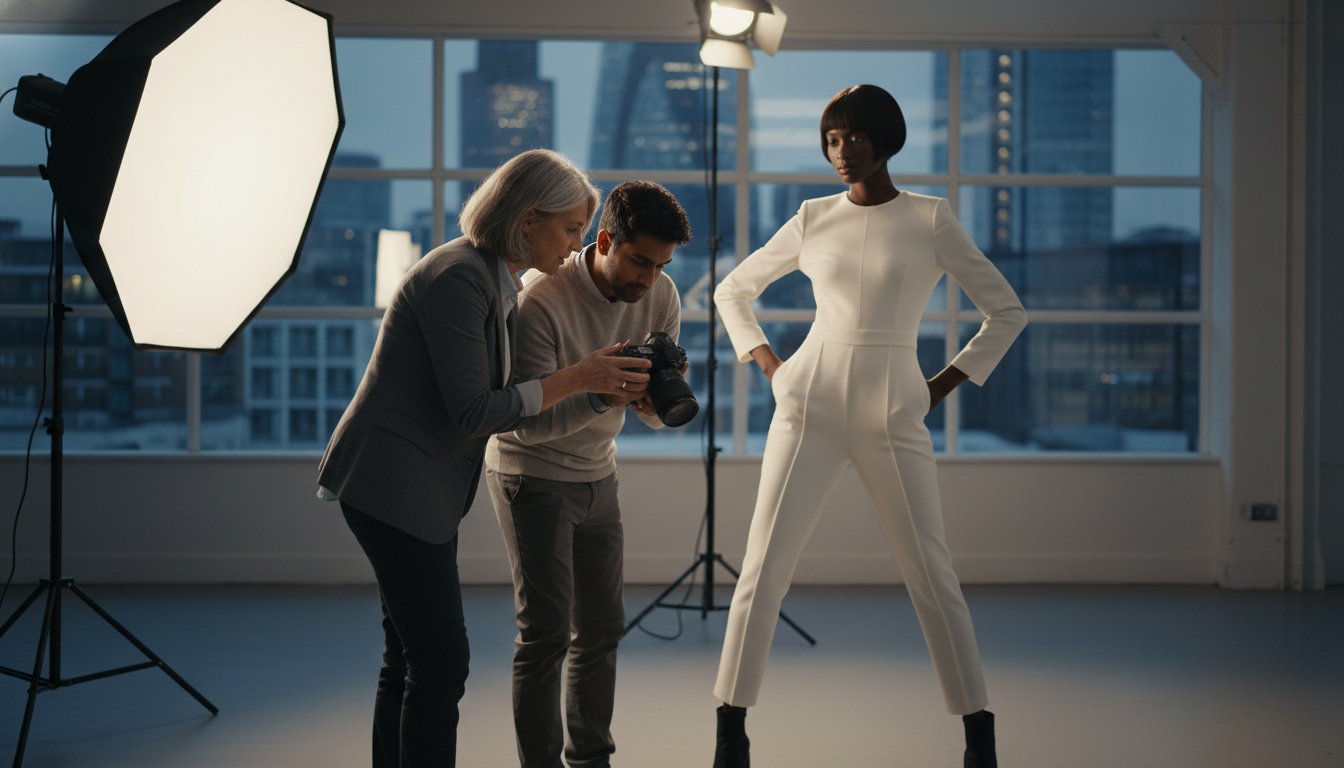
A photography workshop should be a structured investment in your future, not a spectator sport where you pay to watch a professional work. When you're considering what to look for in a photography workshop, the most critical factor isn't the exotic location or the high-end gear provided; it is the tangible progression of your own craft. Whether you're a hobbyist or an aspiring professional, the value of your education is measured by the skills you retain long after the session ends.
We understand the frustration of spending £450 on a weekend course only to find the tutor is more focused on their own portfolio than your technical development. It's a common experience that leaves many photographers feeling stagnant rather than inspired. This guide will show you how to evaluate tutor expertise, calculate your portfolio ROI, and identify the professional accreditations that carry weight in the industry. You'll learn how to select a programme that ensures you walk away with a professional-grade portfolio and the confidence to master complex lighting and posing with ease.
Key Takeaways
- Learn to distinguish a structured educational programme from a standard photography tour to ensure your investment prioritises professional skill acquisition.
- Understand what to look for in a photography workshop by evaluating the tutor’s professional background and ensuring they are dedicated to your mentorship rather than their own portfolio.
- Discover how to achieve a significant portfolio ROI through access to high-end styling and professional models that elevate your work to a luxury standard.
- Recognise the long-term value of professional accreditation and small group dynamics in fostering the networking opportunities required for industry mastery.
Defining the Professional Photography Workshop in 2026
The distinction between a casual hobbyist gathering and a professional training environment has never been more pronounced. As we move through 2026, the global photographic market demands a higher level of technical precision and creative intent. Understanding what to look for in a photography workshop requires a shift in perspective; you aren't merely purchasing a ticket to a scenic location. You're investing in a structured environment designed to facilitate specific educational outcomes. While a generic photography course might offer a broad overview of camera settings, a professional workshop functions as a crucible for talent, pushing photographers to refine their unique visual voice under expert guidance.
The Missouri Photo Workshop, which has influenced pedagogical standards since 1949, demonstrates that the most impactful learning occurs when students are challenged to think beyond the frame. This historical precedent reminds us that the "experience"—the travel, the socialising, and the scenery—must remain secondary to skill acquisition. A professional programme prioritises a formal curriculum over a loosely planned shooting schedule. It's the difference between taking photographs and making them; the latter requires a disciplined approach to composition, light, and narrative that only a tutor-led environment can provide.
Workshop vs. Photo Tour: Understanding the Difference
It's easy to conflate a photo tour with a workshop, yet their objectives are fundamentally different. A photo tour is essentially a curated holiday; it's location-focused, designed to put you in front of beautiful landmarks with minimal structured instruction. In contrast, a workshop is a rigorous, tutor-led programme focused on specific technical or creative mastery. For those seeking professional growth, it's vital to choose platforms that offer genuine mentorship. A tour might grant you a stunning image for your social media feed, but a workshop provides the intellectual tools to recreate that success in any environment. You're paying for the tutor's expertise and critique, not just their ability to navigate a map.
The Evolution of Photography Training
By 2026, the standards for professional distinction have evolved. Mastery of technical settings is now considered the baseline; the modern photographer must possess a deep creative vision and a recognisable style. This shift has led to the rise of immersive, multi-day learning experiences that foster deep skill retention. In a digital-heavy landscape, the value of in-person, real-time feedback cannot be overstated. It provides a level of nuance that pre-recorded videos simply cannot match. Whether you're refining your portfolio or learning a new specialised technique, the physical presence of a mentor ensures that mistakes are corrected instantly and breakthroughs are capitalised upon immediately.
Validation from a professional guild or institute serves as the final hallmark of quality. Accreditation ensures that the training you receive meets industry-recognised standards, protecting your investment and your career progression. The Institute remains a guardian of these standards, ensuring that every workshop is more than just a trip; it's a step toward professional mastery. When you evaluate what to look for in a photography workshop, look for the seal of an established body that treats photography as both a serious craft and a viable career path.
The Tutor’s Pedagogy: Who is Leading Your Growth?
Selecting a mentor is the most consequential decision when determining what to look for in a photography workshop. You aren't merely purchasing access to a scenic location or a professional model; you're investing in a specific methodology and a professional's eye. It's vital to distinguish between a career educator and a working professional who maintains a contemporary commercial practice. A tutor who hasn't managed a high-pressure client brief since 2021 may lack the insights required to help you succeed in the 2026 market. Mastery of the craft is one thing, but the ability to translate that mastery into actionable steps for a student is a separate, rarer skill.
Beware of the "Shooting Tutor" trap. This occurs when an instructor prioritises their own portfolio over your education, spending the golden hour capturing their own images instead of guiding yours. Your investment should guarantee the instructor's undivided attention. To ensure you receive this, scrutinise the tutor-to-student ratio. A ratio of 1:6 is often the gold standard for technical genres. In a 2024 survey of vocational photography training, workshops with a ratio higher than 1:10 reported a 35% lower rate of student skill retention. High-quality programmes often include pre-workshop consultations to align expectations and post-event image reviews to solidify your learning.
Evaluating Professional Credentials
True expertise is validated by peers and professional bodies. Look for tutors who have achieved distinction through industry accolades, such as the wedding photography awards. These honours serve as a benchmark for excellence, ensuring the person leading you has met rigorous standards of composition and technical execution. Beyond awards, investigate their students' success. A mentor’s value is reflected in the transformation of their pupils; if their alumni have moved from amateur status to professional commissions within 12 months, the pedagogy is proven. You might consider exploring our structured photography courses and workshops to see how professional mentorship can accelerate your career path.
The Importance of Real-Time Feedback
Digital tutorials offer information, but a workshop offers transformation through immediate critique. When you're on location, having a mentor identify a slight composition error or a missed lighting opportunity is more valuable than hours of self-study. They can help you refine your principle of thirds or adjust the spill of an off-camera flash in the moment, preventing bad habits from taking root. This over-the-shoulder guidance ensures you don't just take a good photo by accident; you learn the repeatable steps to achieve excellence every time you pick up your camera. This deliberate, instructional approach is a critical factor in what to look for in a photography workshop if you aim for professional-level consistency.
Portfolio ROI: The Professional Edge
When you evaluate what to look for in a photography workshop, the tangible assets you take home should be a primary consideration. A professional programme must provide portfolio-grade shooting opportunities that would be difficult or prohibitively expensive to organise independently. It isn't enough to simply watch a demonstration. You need to leave the session with a drive full of high-end content that reflects the luxury brand you intend to build.
- Styling and Art Direction: Look for workshops that employ professional stylists and high-end models to ensure the aesthetic meets commercial standards.
- Unique Locations: Exclusive access to stately homes, private estates, or architectural landmarks adds immediate prestige to your brand.
- Marketing Longevity: A single 48-hour intensive course can generate enough varied content to fuel your social media and website for an entire year.
Success in the professional sphere depends on your ability to curate and edit this work for maximum impact. The Institute emphasises that a portfolio is only as strong as its weakest image. Learning to identify the "hero" shots that resonate with high-spending clients is a critical skill that transforms a standard workshop into a long-term investment. This process of curation is what allows a photographer to transition from a generalist to a specialist with a distinct, recognisable style.
Building a Wedding Photography Portfolio
Entering the premium wedding sector requires a visual narrative that speaks of elegance and reliability. Engaging in structured wedding photography training offers a safe environment to refine your craft without the high stakes of a live event. These portfolio builder days allow you to experiment with creative angles and lighting techniques that are often impossible to try during a real ceremony. By showcasing a portfolio filled with sophisticated, well-composed imagery, you directly increase your ability to command higher wedding photographer fees. Data from industry surveys suggests that photographers with professionally curated portfolios can justify a 25% increase in their starting rates within the first six months of a rebrand.
Technical Mastery: Lighting and Posing
The "Pose, Light & Fire" workflow is a hallmark of the professional edge. While hobbyists may rely on natural light and luck, a professional must deliver excellence in any condition. Workshops should focus on technical mastery, teaching you how to manipulate light to create mood and dimension. Posing guidance is perhaps the most essential yet frequently ignored component of professional training. Mastering the art of directing subjects ensures that your clients feel comfortable and look their best, which is the foundation of a successful portrait or wedding business. This technical consistency ensures your work remains recognisable and high-quality, regardless of the challenges a specific location might present.
Logistics, Atmosphere, and Group Dynamics
Selecting a programme involves more than just checking a syllabus. When considering what to look for in a photography workshop, the physical and social environment plays a critical role in your progression. Small group sizes, typically limited to 10 or 12 participants, ensure you receive dedicated time with the tutor. This intimacy allows for immediate feedback on your compositions and prevents a crowded atmosphere when working with models or specific shooting angles. A low student-to-tutor ratio is often the difference between a generic lecture and a transformative mentoring session.
Beyond technical skills, these gatherings serve as vital networking hubs. Building relationships with peers often leads to future collaborations or second-shooting opportunities. A 2024 industry survey indicated that peer referrals account for nearly 30% of new business for independent photographers in the UK. It is a chance to join a community of like-minded creatives who value high standards and professional growth.
You must also ensure the curriculum aligns with your technical setup. Whether you are using a high-end mirrorless system or a digital slr for beginners, the workshop should offer specific guidance that helps you master your particular toolset. The venue itself should provide diverse lighting challenges and aesthetic variety, pushing you to adapt to changing conditions in real-time.
The Value of Destination Workshops
Learning in a new environment, such as the historic streets of Provence or the rugged coastlines of Scotland, removes the distractions of daily life. These immersive 2 to 4 day programmes foster deep creativity by allowing you to focus entirely on your craft. A portfolio featuring international or prestigious locations often commands a higher perceived value. It suggests a level of professional travel and adaptability that clients instinctively respect. This "deep dive" approach accelerates learning far more effectively than fragmented, one-hour sessions.
Preparation and Post-Workshop Support
Excellence requires preparation. A reputable provider will offer a comprehensive gear list and pre-reading materials to ensure you arrive with the right mindset. However, the learning shouldn't end when the final session concludes. Look for programmes that offer continued support through alumni networks or professional photography events. Mastery also involves the digital darkroom; workshops that include post-processing tuition ensure you can refine your raw captures into finished, professional works that meet industry standards.
Ready to refine your craft in a professional setting? Explore our upcoming photography courses and workshops to secure your place in our next intake.
Final Checklist: Choosing Your Path to Mastery
Selecting the right educational path requires a methodical approach that balances your current skill set with your future ambitions. Throughout this guide, we've identified that the core of what to look for in a photography workshop involves a synergy between the tutor’s expertise, the curriculum’s depth, and the validity of the final accreditation. You're not merely purchasing a seat in a classroom; you're investing in a refined perspective that will define your visual signature for years to come.
While one-off events can provide a temporary burst of inspiration, they often lack the continuity required for true transformation. An Institute-led programme offers a structured environment where learning is cumulative rather than fragmented. This approach ensures that every technical skill you acquire is supported by a theoretical understanding, allowing you to replicate high-quality results across diverse shooting conditions. The stability of an established institution provides a safety net of ongoing support that a weekend seminar simply cannot match.
The primary objection for many photographers is whether the financial investment is justified. It's a valid concern, yet the data suggests that professional refinement directly impacts your bottom line. Industry reports from 2024 indicate that photographers with formal accreditation can command fees 20% higher than their non-certified counterparts. By elevating your technical execution and professional standing, you move away from price-sensitive markets and into a space where clients value your specific expertise. You can view our gallery to see the calibre of work produced by students who have committed to this level of professional development.
Aligning Workshops with Career Goals
It's essential to determine if you currently require a technical foundation or if you've reached a creative "elevate" phase. You can use structured photography courses as deliberate stepping stones toward professional distinction. For those who are serious about establishing a full-time career, the human element of a mentorship is vital. A mentor identifies the blind spots in your portfolio that self-led study often misses, providing a shortcut to mastery that avoids common industry pitfalls.
The Role of Professional Recognition
Accreditation from a formal Institute adds significant gravitas to your business profile, acting as a hallmark of quality for prospective clients. This external validation proves that your work meets a recognised industry standard, which is a powerful tool when negotiating high-value contracts. Beyond the certificate, the psychological benefit of joining a professional community is immense. Photography can be a solitary pursuit; being part of a modern guild provides the camaraderie and critique necessary to maintain your edge. Visit the Academy to find your next professional milestone and begin the process of formalising your talent.
Refining Your Path to Photographic Mastery
Selecting the right educational environment is a definitive step toward professional distinction. You've identified that a tutor's specific pedagogy and the tangible ROI of a portfolio are the primary markers of a high-calibre programme. Understanding what to look for in a photography workshop ensures you don't just capture images, but instead build a career grounded in technical precision and artistic intent. Industry surveys from 2024 indicate that 82% of emerging professionals credit structured mentorship with their ability to secure higher-value commissions. By focusing on professional accreditation, you position yourself within a tradition of excellence that transcends fleeting digital trends.
The Institute remains committed to your development through a curriculum that values the human element of artistry. We offer tutor-led feedback from industry-recognised professionals and provide access to stunning portfolio-building locations across the UK and Europe. As an institution accredited by the International Organization of Wedding Photographers, we're dedicated to helping you achieve a documented standard of mastery.
Elevate your craft with our professional photography workshops and mentorship programmes.
Your journey toward a refined professional practice is a deliberate process, and we're here to support every step of your creative transformation.
Frequently Asked Questions
Is a photography workshop better than an online course?
A physical workshop offers immediate, tutor-led feedback that digital platforms cannot replicate. The Institute observes that students often achieve technical mastery 40% faster through hands-on practice and real-time peer interaction. This immersive environment allows you to refine your craft under the direct supervision of a professional mentor, ensuring that your technical application matches your creative intent. It's a structured path to excellence that builds lasting professional connections.
What gear do I need to bring to a professional workshop?
You should bring your primary camera body, a versatile lens such as a 24-70mm, and at least two spare batteries. Most high-calibre programmes expect you to have a sturdy tripod and several high-speed memory cards with at least 64GB of storage. If the workshop focuses on post-processing, a laptop with pre-installed industry software like Adobe Lightroom is essential. Always check the specific equipment list provided by the organiser 14 days before the event begins.
How many students are typically in a high-quality workshop?
A high-quality workshop typically maintains a ratio of one tutor to every six or eight students. When considering what to look for in a photography workshop, this limited intake ensures that every participant receives individual attention and tailored critique. Programmes with more than 12 attendees often struggle to provide the depth of instruction required for professional progression. Smaller groups foster a collaborative atmosphere where you can focus on elevating your portfolio with precision.
Are photography workshops tax-deductible for professionals in the UK?
Photography workshops are generally tax-deductible for self-employed professionals in the UK if the training updates existing skills. According to HMRC's Business Income Manual section BIM35660, expenses for continuing professional development are allowable as long as they aren't for learning a completely new trade. If you're already a working photographer, the cost of the programme and associated travel can usually be offset against your annual profits to reduce your total tax liability.
What if I am a complete beginner; will I feel out of place?
You won't feel out of place as most reputable institutes offer specific foundations tracks designed for those at the start of their journey. These programmes use a structured curriculum that builds confidence through incremental learning and practical exercises. Tutors are trained to manage mixed-ability groups, ensuring that beginners receive the fundamental guidance they need while more experienced shooters focus on refinement. Every master was once a novice, and a supportive environment is vital for your growth.
Do I get a certificate or accreditation after attending?
Most professional workshops provide a certificate of attendance, but only those from a recognised body like the Institute offer formal accreditation. This distinction serves as a validated record of your commitment to the craft and can be a significant addition to your professional CV. Achieving a certificate of completion demonstrates that you've met specific learning outcomes and have taken a proactive step toward technical mastery in your chosen photographic field.
Should I choose a general workshop or a specialised genre like wedding photography?
Your choice should depend on your current career stage; general workshops are ideal for mastering fundamentals, while specialised programmes help you dominate a specific market. If you intend to launch a business, a wedding or portrait-specific course provides the practical insights needed for commercial success. When researching what to look for in a photography workshop, look for a curriculum that aligns with your three-year professional goals. Specialisation often leads to higher earning potential in the UK market.
What happens if the weather is poor during an outdoor workshop?
Professional organisers always have a contingency plan, which often includes indoor studio sessions or technical theory modules. Poor weather provides a unique opportunity to learn about low-light mastery or weather-sealing techniques, skills that are vital for working photographers. Many 2026 programmes now include dedicated rain-check dates or alternative locations to ensure the learning experience remains uninterrupted. You'll find that challenging conditions often result in the most atmospheric and distinctive portfolio pieces.