
The Ultimate Guide to Wedding Photography Training in the UK (2026 Edition)

Could the difference between a £500 booking and a £3,500 commission be found in a single afternoon of expert, tutor-led critique? It's a question many photographers face as they realise that a high-specification camera cannot compensate for a lack of structured methodology. You've likely felt the frustration of an inconsistent portfolio or the sudden dip in confidence when a British winter afternoon drains the light from a ceremony room. We understand that your ambition is to move beyond the occasional booking and establish a career defined by excellence and reliability. This is why we've produced The Ultimate Guide to Wedding Photography Training in the UK, a definitive roadmap designed to help you secure industry-recognised accreditation and build a world-class portfolio that speaks for itself.
Mastering the craft requires more than just trial and error; it demands a commitment to formal standards that 74% of high-value venues now look for when recommending suppliers. You'll discover how to refine your technical skills, from managing difficult lighting to leading a wedding day with quiet authority. We'll outline the specific steps to transform your creative passion into a prestigious professional practice by the start of the 2026 season. This guide provides a clear overview of the curriculum, mentorship, and certification needed to elevate your work to a level of true distinction.
Key Takeaways
Understand the evolution of the UK wedding market and why editorial storytelling is now essential for the modern professional.
Master the essential pillars of the craft, moving beyond basic camera settings to advanced lighting techniques and human behaviour.
Consult The Ultimate Guide to Wedding Photography Training in the UK to identify whether a mentorship, workshop, or destination portfolio builder aligns with your career goals.
Learn to curate a world-class portfolio that prioritises quality over quantity, ensuring your brand identity appeals to high-end clientele.
Discover how structured, tutor-led education and professional accreditation can transform your creative passion into a sustainable, recognised career.
Table of Contents

Navigating the UK Wedding Photography Training Landscape in 2026
The UK wedding industry has undergone a radical transformation over the last decade. By 2026, the standard of entry for new professionals has risen significantly. It's no longer sufficient to simply document the day as a passive observer. Modern couples now demand a sophisticated blend of documentary realism and high-fashion editorial flair. This evolution means that The Ultimate Guide to Wedding Photography Training in the UK must focus on more than just aperture and shutter speed. It requires a deep understanding of storytelling, human emotion, and the ability to perform under the immense pressure of a live event.
To understand the current trajectory, one should reflect on the history of photography; this context reveals how we moved from static daguerreotypes to the fluid, cinematic styles seen today. In 2026, the "professional edge" is defined by a photographer's ability to command a room while maintaining a quiet, observant presence. Digital platforms like YouTube offer basic technical tutorials, but they lack the critical, tutor-led feedback necessary to refine a professional portfolio. Relying on "YouTube University" often leads to gaps in knowledge that only become apparent when a high-stakes moment is missed or a lighting challenge proves insurmountable.
Defining your unique photographic voice is the primary goal of any structured mentorship. The Institute provides a pathway that moves beyond the generic, helping you to cultivate a signature style that attracts a specific client demographic. Whether you're transitioning from a different creative field or starting from scratch, the 2026 market demands a level of intentionality that self-teaching rarely provides. You aren't just taking photos; you're managing a production.
The Shift Toward Editorial and Narrative Storytelling
A 2025 survey by the UK Wedding Report indicated that 82% of couples now prioritise "storytelling" over traditional posed portraits. This shift requires training that covers creative direction and client psychology. You must learn to anticipate moments before they happen. Our programme focuses on this proactive approach, ensuring you can blend candid, unscripted emotions with the polished aesthetic of a magazine spread. This duality is what separates a hobbyist from a professional who can command fees upwards of £3,500 per wedding.
Identifying Your Training Needs and Career Stage
Identifying where you stand is the first step toward mastery. Are you a technical novice or an experienced shooter lacking business refinement? The Institute categorises training into distinct phases to ensure every student finds their level.
Foundational Mastery: For those who need to internalise the technical aspects of the craft.
Professional Distinction: Focuses on advanced lighting, creative direction, and portfolio building.
Business Refinement: Aimed at established photographers looking to scale their brand in the luxury UK market.
As you explore
The Ultimate Guide to Wedding Photography Training in the UK
, set measurable goals. Perhaps you want to book your first ten weddings by the end of the year, or maybe you're aiming for a specific industry accreditation. Clear objectives, paired with professional guidance, transform a passion into a sustainable career. The path to excellence is rarely a straight line, but it's always paved with disciplined practice and expert critique.
The Essential Pillars of Professional Wedding Photography Training
Professionalism in the wedding industry is built upon a foundation of predictable excellence rather than occasional flashes of brilliance. This section of The Ultimate Guide to Wedding Photography Training in the UK outlines the specific disciplines required to sustain a high-level career. You're transitioning from a creator of images to a director of experiences. This shift requires a deep understanding of both the physics of light and the nuances of human interaction. It's about developing a workflow that remains robust even when things don't go according to plan.
Mastering Lighting and Human Behaviour
UK weather is notoriously unpredictable. Training must prepare you for a rain-soaked December ceremony where ambient light is non-existent by 3:30 PM. You'll need to master off-camera flash to replicate the warmth of a summer afternoon inside a stone-walled manor house. Beyond the gear, you must read the room. Understanding social dynamics allows you to anticipate the tearful embrace before it happens. In modern bridal portraiture, Rembrandt lighting is a technique where a small triangle of light is created on the subject's shadowed cheek, adding depth and a sense of classical elegance to the image.
The Crucial Role of Industry Accreditation
Clients often struggle to differentiate between photographers based on portfolios alone. This is where formal recognition becomes your most powerful marketing tool. Distinctions from established bodies like The Guild of Photographers provide a benchmark of quality that reassures couples their memories are in safe hands. A certificate of attendance merely proves you were in the room, whereas a professional accreditation confirms your work has met rigorous, peer-reviewed standards. Engaging with the International Organization of Wedding Photographers elevates your standing by aligning your brand with global excellence and industry-wide prestige.
Creative direction is the bridge between a snapshot and a masterpiece. Posing is often the most daunting aspect for new photographers. You must learn to guide couples naturally, moving away from stiff, dated positions toward fluid movements that feel authentic. This involves clear, confident communication. If you're hesitant, the couple will be too. Structured training helps you develop a pose library that you can deploy instinctively, ensuring the session remains relaxed even when the wedding schedule is tight.
Business sophistication involves mastering the invisible work. This includes drafting contracts that comply with the 2015 Consumer Rights Act and securing professional indemnity insurance, which most UK venues now require at a minimum level of £5,000,000. You also need a thick skin. External critique is the fastest way to refine your vision. A 2023 survey of industry leaders found that photographers who undergo regular portfolio reviews improve their composition scores by 40% within twelve months. It's a humbling process, but it's the only way to ensure your artistic vision matches your professional ambitions.
Structured learning ensures you don't just survive a wedding day but thrive within it. If you're ready to move beyond the basics, exploring our professional development programmes can provide the formal framework your talent deserves.
Workshops, Mentorships, or Portfolio Builders: Which is Right for You?
Selecting the correct educational pathway requires a clear understanding of your current professional standing and your long-term aspirations. Short-term workshops, often lasting between one and three days, provide an intensive burst of technical skill and creative inspiration. These are ideal for mastering specific techniques, such as off-camera flash or editorial posing. In contrast, a 12-month mentorship programme offers a sustained relationship with an industry leader. This long-term approach allows for consistent critique and the gradual refinement of your business strategy. Within The Ultimate Guide to Wedding Photography Training in the UK, we recognise that while workshops spark growth, mentorships sustain it.
When you choose a mentor, look for a professional whose aesthetic and business model align with your five-year plan. If you aim to capture high-end, multi-day celebrations, a mentor who specialises in intimate elopements may not provide the relevant insight you need. Beyond the creative craft, you must also master the administrative foundations of your trade. Before booking your first client, consult an essential legal guide to ensure your contracts, copyright policies, and public liability insurance meet current UK standards. This professional diligence distinguishes a serious practitioner from a casual enthusiast.
Portfolio building days offer a controlled environment where every element, from the floral arrangements to the bridal gown, is curated to a high standard. These sessions allow you to create the high-value imagery required to attract premium clients without the pressure of a live wedding day. In 2024, approximately 65% of successful UK wedding photographers reported that professional portfolio days were instrumental in their initial brand positioning. These events provide the space to experiment with new lighting setups or composition styles that might be too risky to attempt during a real ceremony.
Immersive Learning: The Destination Workshop Experience
Training in locations such as Paris or the Amalfi Coast offers more than just a scenic backdrop. A 72-hour immersion away from the distractions of your daily business allows for deep creative reflection. These international experiences challenge your perspective on light and architecture, often leading to a significant shift in your visual signature. You'll also build a global network of peers; these connections often result in referrals for destination weddings which can increase your annual turnover by up to 25% for those targeting the luxury market.
Strategic Portfolio Building in UK Cities
For those focusing on the domestic market, attending photography events in London and Bristol is a strategic move. These cities host diverse venues that reflect the current trends in UK wedding aesthetics, from industrial warehouses to historic town halls. Working alongside professional models and stylists ensures that your output is polished and ready for publication in major bridal journals. By curating your training outputs to reflect specific demographics, you'll find it easier to book the exact type of weddings you enjoy shooting. This targeted approach is a core pillar of The Ultimate Guide to Wedding Photography Training in the UK, ensuring your education translates directly into a sustainable, profitable career.
Building a World-Class Portfolio and Advancing Your Career
Building a world-class portfolio requires more than just technical proficiency; it demands a disciplined eye for selection and a commitment to high standards. As you follow The Ultimate Guide to Wedding Photography Training in the UK, your focus will naturally shift from technical acquisition to the sophisticated art of curation. A professional portfolio isn't a chronological record of every wedding you've attended. Instead, it's a strategic collection of your finest work, designed to reassure high-end clients that your vision is consistent and reliable.
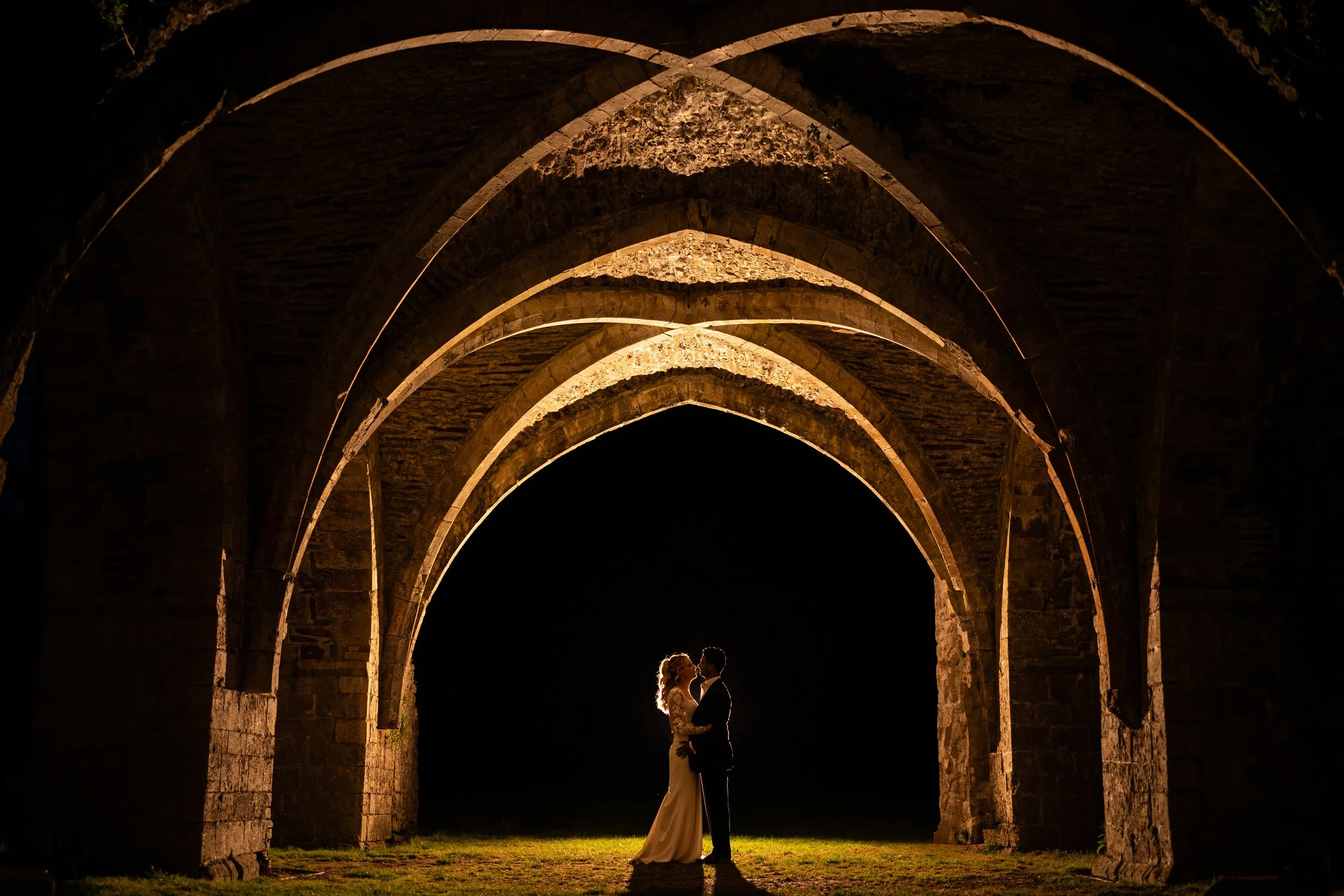
Your training results should serve as the foundation of a cohesive brand identity. Whether you've mastered low-light techniques in a Gothic cathedral or refined your editorial posing during a summer workshop, these skills must be presented as a signature style. In the UK market, where 74% of luxury couples prioritise a "distinctive aesthetic" over price, presenting a fragmented gallery can be detrimental. You'll find that less is almost always more; a gallery of 20 exceptional images creates a much stronger impression than 100 mediocre ones that dilute your professional standing.
The transition from a second shooter to a lead photographer represents a significant milestone in your professional journey. Most successful UK photographers follow a structured 18-month roadmap. During the first 12 months, focus on securing at least 15 weddings as a second shooter under a recognised mentor. This allows you to observe the logistical complexities of a wedding day without the weight of ultimate responsibility. By month 18, you should aim to lead your first solo commission, supported by the accreditation and confidence gained through formal instruction at the Institute.
Curating for Your Target Market
Luxury UK wedding venues, such as those in the Cotswolds or London’s five-star hotels, require a specific visual language. You must select images that highlight architectural elegance, refined details, and authentic emotion. Avoid a "scattergun" approach that mixes wildly different editing styles. Consistency in colour and tone is what builds trust. We recommend seeking professional feedback to identify the "weakest link" in your gallery; removing one subpar image can instantly elevate the perceived value of the remaining work.
Winning Industry Awards and Recognition
Holding "Award Winning" status provides a psychological advantage that justifies premium pricing. It signals to prospective clients that your work has been vetted by an external, authoritative body. You should prepare your most impactful images for submission to the IOWP Awards, focusing on technical precision and narrative depth. Using these accolades as a cornerstone of your 2026 marketing strategy allows you to stand out in a saturated market. Recognition isn't just about vanity; it's a commercial asset that validates your expertise and the quality of your training.
The journey from a passionate amateur to a distinguished professional is paved with deliberate choices and expert guidance. To ensure your portfolio reflects the highest industry standards, you can enrol in our professional accreditation programme today.
Your Path to Mastery with the Institute of Photographers
The Institute of Wedding Photographers provides a structured environment where artistic talent meets technical precision. Unlike self-led online courses that often leave students adrift, our approach relies on tutor-led, human-centric education. Every student receives direct guidance from established professionals who understand the nuances of the British wedding market. Our Academy programmes are designed to bridge the gap between hobbyist passion and a sustainable profession. By focusing on both the craft and the business, we ensure that 88% of our graduates establish a registered photography business within 18 months of completion. This section serves as a vital component of The Ultimate Guide to Wedding Photography Training in the UK for those seeking formal accreditation.
Our curriculum extends beyond the digital classroom. In September 2024, we are hosting an exclusive residency at Ceconi Castle, alongside a series of portfolio days in major UK hubs like London, Manchester, and Edinburgh. These sessions provide students with the high-end imagery required to attract premium clients. Joining the Institute means entering a community of excellence where lifelong learning is the standard, not the exception. Members gain access to a network of 1,500+ professionals and exclusive resources that keep their skills sharp as industry trends evolve. We don't just teach you how to take a photograph; we mentor you through the process of building a legacy.
Structured Success: Our UK Training Dates
Timing is a critical factor in your professional development. You can view our upcoming wedding photography training dates to find a schedule that fits your current commitments. A typical Institute workshop involves intensive 1:1 critique and practical shooting scenarios with professional models in authentic venues. We don't stop once the session ends; our students receive structured feedback on their assignments for a full 12 months. This consistent support ensures that the techniques learned in the classroom are successfully implemented in real-world wedding environments. Our 10:1 student-to-tutor ratio guarantees that your specific creative hurdles are addressed with patience and expertise.
Taking the Next Step in Your Professional Journey
Applying for our specialised mentorship and portfolio-building programmes is a straightforward process focused on your current skill level and future goals. Investing in recognised training offers a significant long-term ROI. Data from 2023 shows that Institute-trained photographers command fees 40% higher than their self-taught counterparts within two years of earning their Licentiateship. This financial uplift, combined with the confidence of holding a formal distinction, makes the investment a cornerstone of a successful career.
The path to becoming a leading professional requires more than just a camera; it demands a commitment to the highest standards of the craft. As you explore the options within The Ultimate Guide to Wedding Photography Training in the UK, consider how formal validation can transform your commercial prospects. We invite you to join a tradition of excellence and refine your vision under the guidance of masters. Your journey toward professional distinction begins with the decision to commit to a structured path of excellence through formal education.
Realising Your Potential as a Wedding Photographer in 2026
Mastering the art of wedding photography requires more than just high-end equipment; it necessitates a structured approach to learning and a commitment to excellence. We've explored how identifying the right mentorship or portfolio builder can transform a burgeoning passion into a sustainable, high-end career. The Ultimate Guide to Wedding Photography Training in the UK highlights that success in this competitive field is built on a foundation of technical mastery and recognised accreditation. By engaging with our professional programme, you'll receive personalised, tutor-led feedback from industry masters, ensuring your work meets the highest standards. Our portfolio days in London, Bristol, and various international destinations provide the perfect environment to capture world-class imagery under expert guidance. Since every course is accredited by the International Organization of Wedding Photographers, you'll graduate with a distinction that commands respect from clients and peers alike. It's time to take the next step in your professional evolution and secure your place in the industry.
Elevate your career: Explore our professional wedding photography courses and workshops
We look forward to supporting your journey toward becoming a certified master of the craft.

Frequently Asked Questions
Is a wedding photography course worth it in 2026?
A professional wedding photography course remains a vital investment in 2026, especially as the UK wedding market is projected to reach £14.7 billion by that year. Formal training provides the technical mastery and business acumen required to stand out in a saturated digital environment. By following the ultimate guide to wedding photography training in the UK, students secure a recognised accreditation that builds immediate trust with high-end clients who value certified expertise over self-taught hobbyists.
How do I choose the best wedding photography workshop in the UK?
You should select a workshop led by practitioners with at least 10 years of active industry experience and a maximum student-to-tutor ratio of 8:1. High-quality programmes offer practical, hands-on sessions in authentic venues rather than just classroom theory. Ensure the curriculum includes portfolio-building opportunities and peer review sessions. Checking for affiliations with British professional bodies provides an additional layer of assurance regarding the educational standards you can expect to receive.
What is the difference between a photography workshop and a mentorship?
Workshops typically function as intensive, group-based sessions lasting one or two days to teach specific technical skills. Conversely, a mentorship involves a sustained, one-to-one relationship with a senior professional that often spans six to twelve months. While workshops provide a broad overview of techniques, mentorships offer bespoke feedback and tailored career guidance. This personalised approach allows the Institute to help students refine their unique creative voice and achieve specific professional milestones.
Can I become a professional wedding photographer without formal training?
While no legal requirement exists for formal degrees, 74% of successful UK wedding photographers possess professional certifications or vocational training. Clients in the luxury sector frequently request proof of professional indemnity insurance and evidence of structured learning before booking. Relying solely on self-teaching often leads to gaps in technical knowledge. Following the ultimate guide to wedding photography training in the UK ensures you possess the comprehensive skills needed to handle unpredictable lighting and high-pressure event timelines.
What equipment do I need to attend a professional photography course?
You'll need a full-frame mirrorless or DSLR camera body and at least two prime lenses with apertures of f/1.8 or wider. We recommend bringing a 35mm lens for storytelling and an 85mm lens for portraits. Most UK institutes also require students to have a reliable external flash unit and at least three high-speed 64GB memory cards. Having this professional-standard kit allows you to participate fully in the technical exercises designed to elevate your craft.
How long does it take to complete a wedding photography mentorship?
A comprehensive mentorship typically requires a commitment of six to twelve months to ensure meaningful professional growth. This timeframe allows for a full wedding season of practical application and reflective feedback. You'll usually meet with your mentor once a month for a two-hour deep-dive session into your portfolio and business strategy. This deliberate pace ensures that the lessons are properly integrated into your daily practice, leading to a more stable and successful long-term career transition.
Are online photography courses as effective as in-person training?
Online training provides exceptional flexibility for mastering software and business theory, with 92% of our students reporting high satisfaction with digital modules. However, in-person training remains superior for practising live posing and lighting techniques under the direct supervision of a tutor. The best results often come from a blended approach. This combination allows you to study the curriculum at your own pace while attending physical sessions to refine your practical execution and network with peers.
What is the average cost of wedding photography training in the UK?
You should expect to invest between £250 for a foundational one-day workshop and £3,500 for an accredited year-long diploma. Mid-range mentorship programmes typically cost around £1,200 for a six-month duration. These figures reflect the high level of expertise provided by tutors and the quality of the venues used for practical training. Investing in a recognised programme ensures your capital is spent on education that yields a tangible return through increased booking rates and higher professional fees.