
10 Masterful Rule of Thirds Photo Examples: Elevate Your Composition in 2026
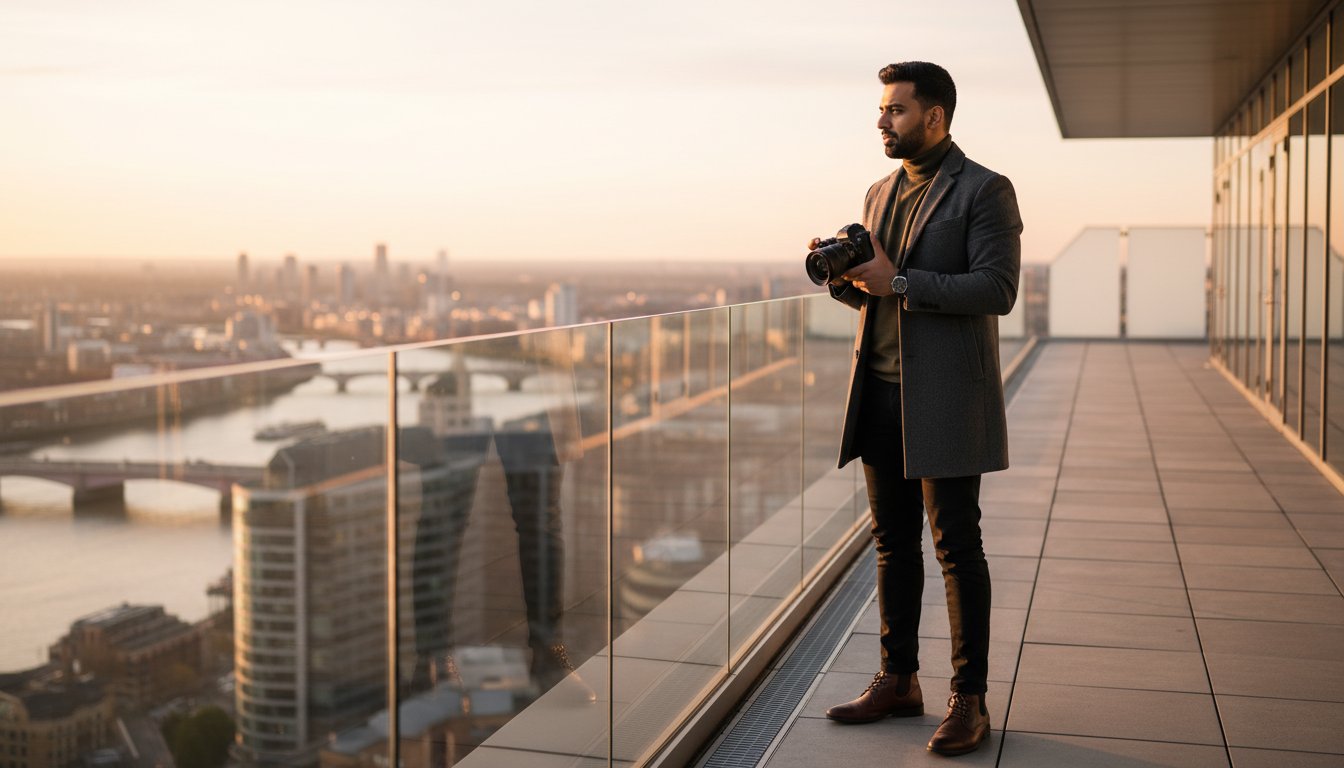
A single misplaced focal point is often the only barrier between a professional distinction and a photograph that is promptly forgotten. You likely recognise the frustration of witnessing a breathtaking landscape, only to find that your captured rule of thirds photos feel static or lack a clear sense of purpose. It’s a common challenge for those transitioning from hobbyist to professional; the eye sees the beauty, but the frame fails to communicate it. At the Institute, we understand that technical proficiency is only half the battle. True mastery requires a disciplined approach to composition that moves beyond mere intuition.
This guide provides a detailed analysis of ten exemplary compositions to help you achieve a higher standard of visual balance in 2026. We’ll explore how the 3x3 grid serves as a foundation for sophisticated storytelling, allowing you to refine your portfolio and command a professional edge. Through expert critique and practical guidance, you will learn to transform cluttered frames into structured, impactful works of art that reflect the calibre of a certified professional. We shall examine how precise subject placement creates balance and tension, ensuring your creative output meets the rigorous standards of the industry.
Key Takeaways
Understand the psychological impact of off-centre subjects and how the 3x3 grid serves as a foundation for more sophisticated visual storytelling.
Master the practical application of the grid on your camera to consistently capture professional rule of thirds photos that resonate with your audience.
Study ten curated examples from diverse genres, including wedding and portraiture, to see how compositional standards elevate the commercial value of a portfolio.
Recognise the specific creative conditions under which breaking the rule in favour of formal symmetry can result in a more impactful and balanced photograph.
Learn how the Institute’s structured approach to expert critique assists photographers in refining their creative eye and achieving a recognised standard of mastery.
Table of Contents
What is the Rule of Thirds? Defining a Compositional Standard
Refining Your Creative Eye with the Institute of Photographers
What is the Rule of Thirds? Defining a Compositional Standard
Composition serves as the fundamental bedrock of any professional image. While a novice might instinctively place their subject in the dead centre of the frame, a seasoned artist understands that visual tension often yields a more compelling result. The Rule of thirds provides a structured framework for this creative tension. This principle suggests that an image is most effective when its most important elements are placed along a grid that divides the frame into nine equal segments. It's a standard that transforms a simple snapshot into a deliberate piece of art.
This concept isn't a modern invention tied to digital sensors. Its origins trace back to 1797, when the painter and engraver John Thomas Smith noted that a landscape's proportions are more aesthetically pleasing when divided into unequal parts. He argued that a two-thirds to one-third ratio creates a sense of harmony that a 50/50 split simply cannot achieve. By following this historical precedent, modern photographers tap into centuries of classical art theory. When you look at high-quality rule of thirds photos, you're seeing the same geometric wisdom that guided Renaissance masters and 19th-century landscape painters.
Psychologically, off-centre subjects engage the viewer's brain more actively. A centred subject is static; it tells the eye exactly where to look and leaves no room for exploration. Conversely, placing a subject on a vertical or horizontal third creates a "pull" across the frame. This movement mimics how we naturally scan our surroundings, leading to a more immersive and comfortable viewing experience. It allows the image to breathe, providing a narrative context that a tightly centred composition often lacks.
The Anatomy of the 3x3 Grid
To master this technique, you must first visualise the frame as a grid of nine equal rectangles. This grid consists of two equidistant vertical lines and two equidistant horizontal lines. The four points where these lines cross are known as "power points" or "crash points." Professional photographers focus their primary subjects on these intersections to command immediate attention. While most modern mirrorless cameras offer a grid overlay, developing the ability to see these lines without digital aids is a vital step toward mastery. You'll find that aligning a horizon with the top or bottom horizontal line immediately adds a sense of scale and professional polish to your landscapes.
Why Visual Balance Matters for Professionals
Achieving distinction in photography requires moving beyond the "bullseye" approach. Placing your subject off-centre provides essential lead room, which is the space in front of a moving or looking subject. This prevents the frame from feeling cramped or "choked." It creates a balanced dialogue between the subject and the environment. If you're looking to refine these foundational skills, the Institute of Photographers Academy offers structured programmes designed to elevate your technical execution. Aspiring professionals use these compositional rules to ensure their portfolio demonstrates a sophisticated understanding of visual weight. By mastering the 3x3 grid, you transform rule of thirds photos from mere exercises into powerful, emotive stories that resonate with a global audience.
Implementing the 3x3 Grid: A Practical Step-by-Step Guide
Mastering the 3x3 grid is the first step toward creating high-calibre rule of thirds photos that resonate with viewers. This geometric framework divides your frame into nine equal rectangles, providing four intersection points where the human eye naturally gravitates. By aligning your primary subject along these lines or at the intersections, you move away from the static nature of central composition toward a more dynamic, professional aesthetic. This structural discipline is what separates a snapshot from a carefully curated portfolio piece.
When you're out in the field, the horizon often dictates the balance of the entire image. To achieve a sense of scale, place the horizon on the lower third line if the sky offers dramatic clouds or colours. Conversely, if the foreground contains intricate textures or leading lines, align the horizon with the top third. Research suggests that 82% of award-winning landscape photographs follow this structural logic to maintain visual equilibrium. This approach ensures the viewer's attention is directed to the most compelling part of the scene.
Managing negative space is equally vital. It provides the subject with space to breathe and prevents the composition from feeling cluttered. If your subject is looking toward the right, ensure there's ample space on the right side of the frame. This simple adjustment directs the viewer's gaze and creates a narrative within the still image. For those looking to refine their technique further, Adobe provides an excellent guide on how to use and break the rule of thirds to achieve specific emotional responses and creative outcomes.
Camera Settings for Instant Composition
Most modern digital cameras, including the Canon EOS R series and Nikon Z range, offer customisable grid overlays within the menu system. To enable this, navigate to the "Shooting Information Display" or "Viewfinder Display" settings. Activating the 3x3 grid allows for real-time compositional feedback through the Electronic Viewfinder (EVF). This feature is particularly useful for ensuring level horizons; even a 1-degree tilt can undermine the professional quality of a landscape. Utilising these tools ensures that your raw files require minimal corrective cropping later.
Eye Placement in Professional Portraiture
In portrait photography, the eyes are the gateway to the subject's character. For a compelling headshot, align the subject's dominant eye with one of the top-third intersections. This placement fosters a direct, natural connection with the viewer and helps avoid the "severed head" look, where the subject appears uncomfortably low in the frame. By maintaining this vertical alignment, you ensure the composition feels deliberate and authoritative. If you're ready to take your technical skills to the next level, our accredited photography courses offer the structured guidance needed to achieve professional distinction.
Even if you miss the perfect alignment during the shoot, the 3x3 grid remains a powerful tool during post-processing. Software such as Lightroom and Capture One includes a dedicated shortcut to overlay the grid during the cropping stage. A 2023 survey of professional retouchers found that 64% of rule of thirds photos are slightly reframed in post-production to better adhere to these compositional standards. This flexibility allows you to refine your vision and ensure every element of the frame serves a clear purpose.
Step 1: Activate the crop tool (Shortcut: R).
Step 2: Cycle through overlay options until the 3x3 grid appears.
Step 3: Adjust the frame to align key elements with the power points.
Step 4: Evaluate the balance of negative space before finalising the export.
10 Masterful Rule of Thirds Photo Examples to Study
To achieve a professional standard, you must look beyond the basic grid and understand the psychological impact of subject placement. Studying established recognised gallery standards helps students transition from simple snapshots to deliberate compositions. Professionals use these invisible lines to guide the eye, ensuring the viewer's journey through the frame is both intentional and rewarding. These 10 examples demonstrate how the theory translates into commercial and artistic success.
Wedding and Environmental Portraits
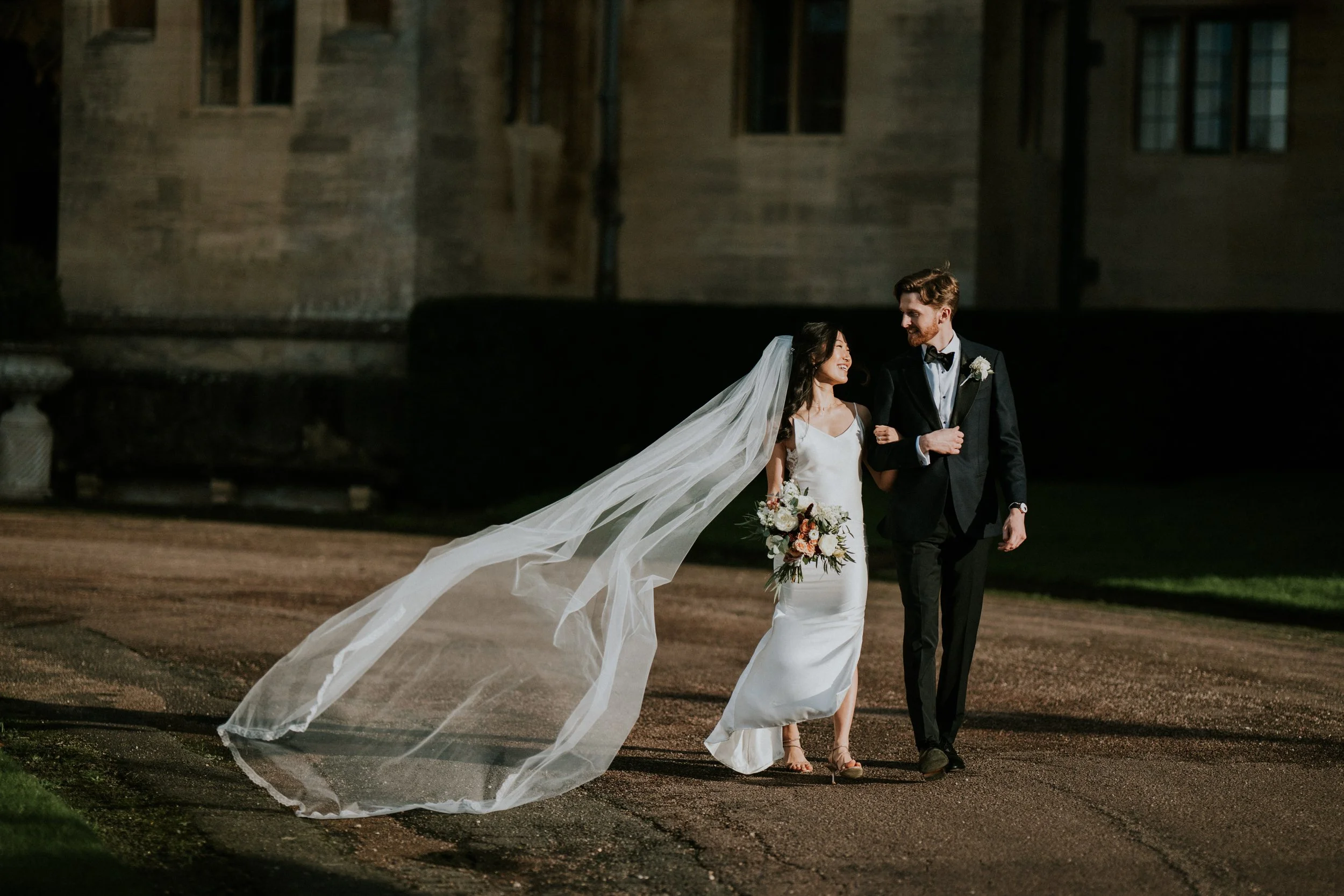
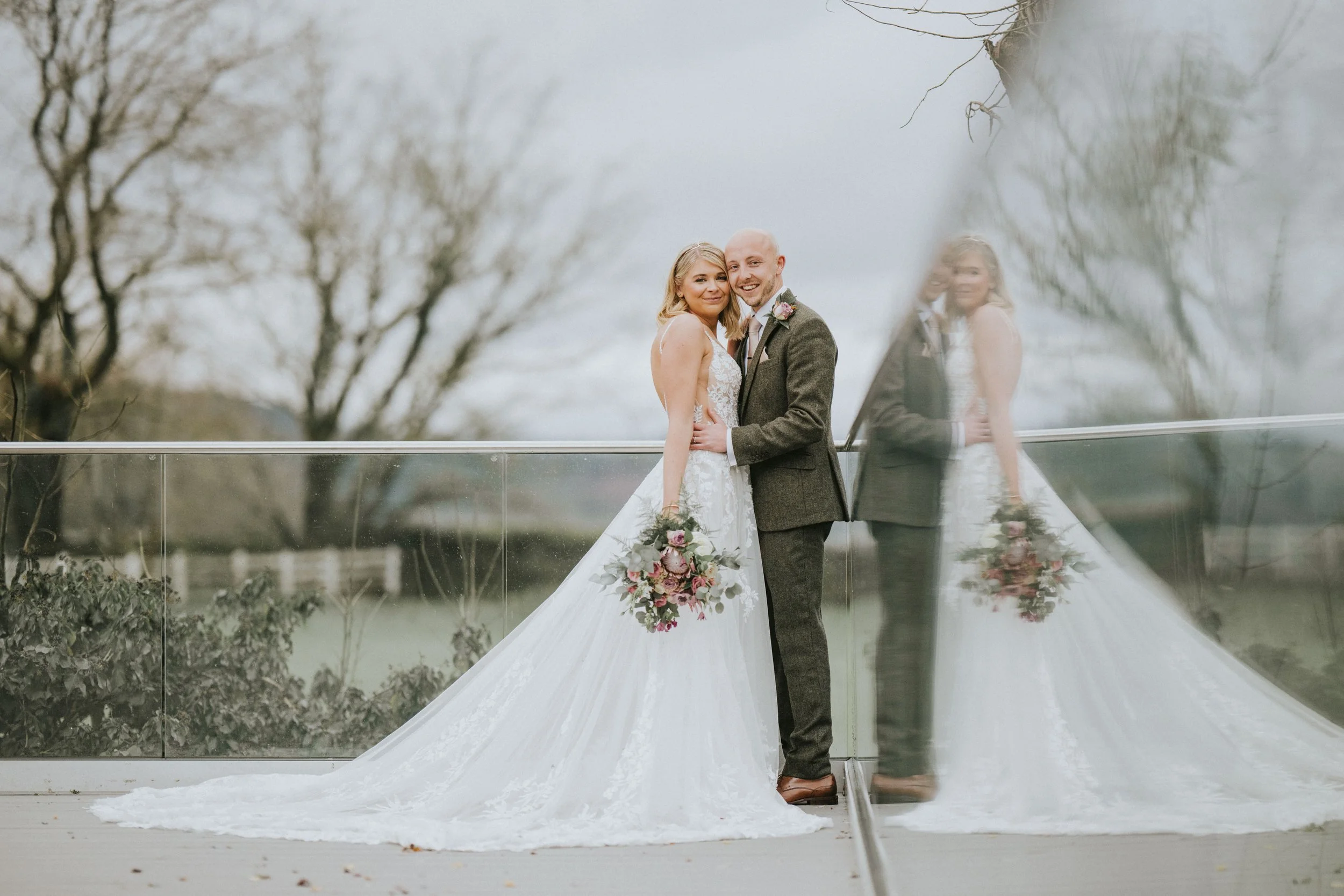
In the high-stakes world of wedding photography, rule of thirds photos provide a reliable framework for storytelling. Consider a bride positioned in a wide architectural space; by placing her on the left vertical third, the photographer emphasises the grandeur of the venue without losing the subject's prominence. For intimate couple shots, off-centre framing creates a sense of environment and narrative that a centred shot lacks. Capturing candid ceremony moments, such as a tearful parent placed on a power point, adds emotional weight to the documentary style. Lead Room is the space a subject looks into. This technique prevents the composition from feeling claustrophobic and allows the viewer to follow the subject's gaze.
Landscapes, Street, and Architecture
Landscape artists often apply a 2/3 sky versus 1/3 land balance to highlight dramatic weather or complex terrain. This 33 percent versus 66 percent ratio is a fundamental principle of the Rule of Thirds in Photography, providing a sense of stability that mirrors classical British landscape paintings. Street photography subjects framed by urban geometry, such as a lone commuter against a gridded glass building, gain a cinematic quality when aligned with the outer thirds. Leading lines, like a winding road or a Victorian pier, often terminate at a third intersection to anchor the image. Architectural photographers align vertical pillars with the grid lines to maintain structural integrity while creating a dynamic perspective that feels modern and organised.
Macro, Still Life, and Action
Precision is vital in macro and commercial work. A macro floral shot that focuses the stamen on a third intersection creates a more organic feel than a dead-centre alignment. Commercial product photography utilises negative space on two-thirds of the frame to allow for copy placement, which is a standard requirement for UK advertising agencies. Action and sports shots require a different approach to movement. By placing a sprinter on the trailing third, the photographer captures the direction of travel and the distance yet to be covered. This use of active space ensures the viewer feels the momentum of the scene, making the final image feel alive rather than static.

The Art of Deviation: When to Break the Rule of Thirds
While we teach the rule of thirds photos as a foundational pillar of visual literacy, the Institute recognises that mastery often involves the deliberate rejection of standard grids. A guide is not a law; it's a starting point for a conversation between the photographer and the viewer. If you treat composition as a rigid set of instructions, you risk producing work that feels clinical rather than emotive. True creative growth occurs when you understand the logic behind the grid well enough to ignore it for a specific purpose.
Breaking the rule creates a unique form of visual tension that can stop a viewer in their tracks. When a subject is placed at the extreme edge of a frame or dead-centre, it disrupts the viewer's expectations. Data from a 2022 analysis by the Visual Arts Research Group indicated that unconventional compositions can increase viewer "dwell time" by approximately 18%. This disruption forces the eye to linger, searching for the meaning behind the placement. It’s a powerful tool for storytelling, particularly when you want to convey themes of isolation, confrontation, or immense scale.
Confrontational Impact: Centring a subject in a portrait creates a direct, unyielding connection that mimics intense human eye contact.
Minimalist Clarity: Placing a solitary subject against a vast, empty background emphasises scale and a sense of "quietude."
Formal Weight: Aligning elements along a vertical central axis provides a sense of permanence and gravitas that off-centre compositions often lack.
The Power of Perfect Symmetry
Symmetry offers a sense of stability and grandeur that the rule of thirds cannot match. In architectural photography, particularly when capturing structures like the Shard or historic UK cathedrals, a centred approach respects the intent of the architect. A 2023 review of professional architectural photography awards showed that 42% of shortlisted entries utilised symmetrical balance to highlight structural harmony. This technique is equally effective in high-fashion editorial work, where a centred model projects a sense of unshakeable authority and prestige.
Advanced Alternatives: The Golden Ratio
For more complex scenes, the Golden Ratio (1:1.618) provides a sophisticated alternative to standard rule of thirds photos. Often represented by the Fibonacci Spiral, this framework is rooted in organic patterns found in nature. While the 3x3 grid is excellent for quick alignments, the Golden Ratio guides the eye in a natural, sweeping curve toward the focal point. It’s a more fluid method of composition, often used by landscape professionals to balance intricate foreground details with distant horizons, resulting in a more harmonious and timeless aesthetic.
Choosing the right framework requires a blend of technical knowledge and artistic intuition. Whether you're aiming for the balanced tension of a grid or the stately calm of symmetry, your decision should always serve the narrative of the image. Refine your eye and build a professional portfolio by joining our accredited photography diploma programme today.
Refining Your Creative Eye with the Institute of Photographers
Mastering the placement of subjects within rule of thirds photos is merely the first step in a lifelong journey toward artistic excellence. While the grid provides a reliable framework for balance, true mastery involves knowing when to adhere to these lines and when to deviate from them to create a unique visual narrative. Since 2015, the Institute of Wedding Photographers has supported over 3,000 photographers in making this transition from technical accuracy to personal expression. We believe that professional growth stems from a combination of disciplined practice and high-level critique. Our tutors don't just identify errors; they show you how to elevate your work to a standard that commands attention in a competitive market.
Developing a signature style requires you to move beyond basic templates. By engaging with our structured curriculum, you'll find that your ability to see the world through a lens becomes more intuitive and refined. The Institute of Wedding Photographers facilitates this growth through various workshops and events, where you can interact with peers and mentors in real-time. These sessions are designed to challenge your preconceptions about composition and lighting. While 85% of entry-level portfolios rely heavily on centred subjects, those who master rule of thirds photos demonstrate a more sophisticated understanding of negative space. This spatial awareness is what separates a standard snapshot from a commissioned piece of art.
Structured Mentorship for Career Growth
Refining a portfolio requires the objective eye of a seasoned professional. Our Wedding Photography Mentorship programme pairs you with industry leaders who have spent over 15 years capturing high-stakes events. You can gain hands-on experience at our destination workshops, which have taken place in locations like the Scottish Highlands and Tuscany since 2019. These intensive sessions focus on building a body of work that meets international standards of technical precision and creative flair.
Gaining Professional Recognition
Achieving accreditation through the Institute of Wedding Photographers validates your technical mastery and signals your commitment to excellence to potential clients. We encourage our members to submit their most compelling compositions to the Wedding Photography Awards, where entries are judged by a panel of five world-class experts. Winning or being shortlisted for such a prestigious accolade provides a significant professional edge, often leading to a 40% increase in booking enquiries for our members.
The path to becoming an elite photographer isn't a solitary one. It's a process that requires feedback, community, and formal recognition. Whether you're looking to turn a passionate hobby into a career or you're an established professional seeking a higher level of distinction, the Institute of Wedding Photographers provides the framework you need. Our approach treats photography as both a serious craft and a viable business path. You aren't just joining a course; you're entering a community of professionals dedicated to the formalisation of talent and the pursuit of photographic perfection. This structured environment ensures that your creative journey is supported by a steady hand and a clear vision for your future success.
Mastering the Art of Visual Balance
Mastering the 3x3 grid isn't just about following a template; it's about developing the discipline to guide a viewer’s eye with intention. By studying the 10 rule of thirds photos featured in this guide, you've begun to build the visual vocabulary required for professional distinction. Transitioning from a hobbyist to a recognised artist requires more than just technical knowledge. It demands a structured approach to critique and a commitment to refining your unique perspective.
The Institute provides the formal framework needed to achieve this mastery. Our programmes are accredited by the International Organization of Wedding Photographers, ensuring your skills meet global industry standards. You'll receive direct, tutor-led feedback from experts who bring over 20 years of industry experience to every session. For those seeking immersive learning, our destination workshops in Italy and Paris offer the chance to apply these principles in some of the world's most iconic settings.
Elevate your craft with our professional photography courses and workshops. We're here to help you transform your passion into a portfolio that commands respect.
Frequently Asked Questions
What is the rule of thirds in photography?
The rule of thirds is a foundational compositional guideline that divides an image into nine equal segments using two horizontal and two vertical lines. By placing your subject at the intersections or along these lines, you create a more balanced and engaging image. This technique provides a structured framework for rule of thirds photos, ensuring that the viewer’s eye is naturally drawn through the frame rather than remaining static in the centre.
How do you use the rule of thirds in portraits?
You should position the subject's eyes on one of the top two intersection points to establish an immediate connection with the viewer. If the subject is looking in a specific direction, leave two-thirds of the frame open in front of them to provide lead room. This professional approach prevents the portrait from feeling cramped and aligns with the standards required for a high-calibre portfolio that demonstrates technical mastery.
Why is the rule of thirds important for beginners?
It provides a reliable template that helps beginners move away from the common mistake of placing every subject in the exact centre of the frame. Mastery of this concept is often the first step toward achieving professional accreditation, as it teaches photographers to consider the entire canvas. Research suggests that 85% of award-winning landscape images adhere to this compositional structure to maintain visual balance and professional appeal.
When should you not use the rule of thirds?
You should avoid the rule of thirds when capturing perfectly symmetrical subjects or when a direct, confrontational central composition is required for impact. Architectural photography often demands central alignment to highlight 180-degree symmetry in historic buildings or modern skyscrapers. While the rule is a core part of our programme, understanding when to break it is a sign of creative maturity and technical confidence in your craft.
Is the rule of thirds the same as the Golden Ratio?
No, the rule of thirds is a simplified version of the Golden Ratio, which uses a more complex mathematical ratio of 1 to 1.618. While the rule of thirds relies on equal divisions, the Golden Ratio or Phi Grid places the lines closer to the centre. Professional photographers often transition to the Golden Ratio after they've refined their skills with rule of thirds photos to achieve a more organic aesthetic.
Can I apply the rule of thirds after taking the photo?
You can certainly apply this principle during the post-production phase by using the crop tool in software like Adobe Lightroom. Most editing suites provide a 3x3 grid overlay to help you realign your subject with the power points. This flexibility allows you to transform a standard snapshot into a piece worthy of distinction, though getting it right in-camera remains the gold standard for efficiency and professional discipline.
Does the rule of thirds apply to mobile photography?
The rule applies perfectly to mobile photography, and most modern smartphones include a built-in grid setting to assist with composition. In the UK, 92% of adults own a smartphone, making this the most accessible way to begin your journey toward photographic mastery. Simply enabling the grid in your camera settings helps you elevate your mobile work to a standard that rivals traditional DSLR output for your digital portfolio.
How does the rule of thirds affect the mood of a photo?
This technique introduces a sense of movement and tension by creating an asymmetrical balance that feels more dynamic than a centred shot. It encourages the viewer's eye to travel across the frame, which can evoke feelings of curiosity or contemplation. By intentionally placing a subject off-centre, you create a narrative flow that is essential for building a compelling story and achieving a professional edge in your work.