
The Art of the Wedding Album Design: A Photographer’s Guide
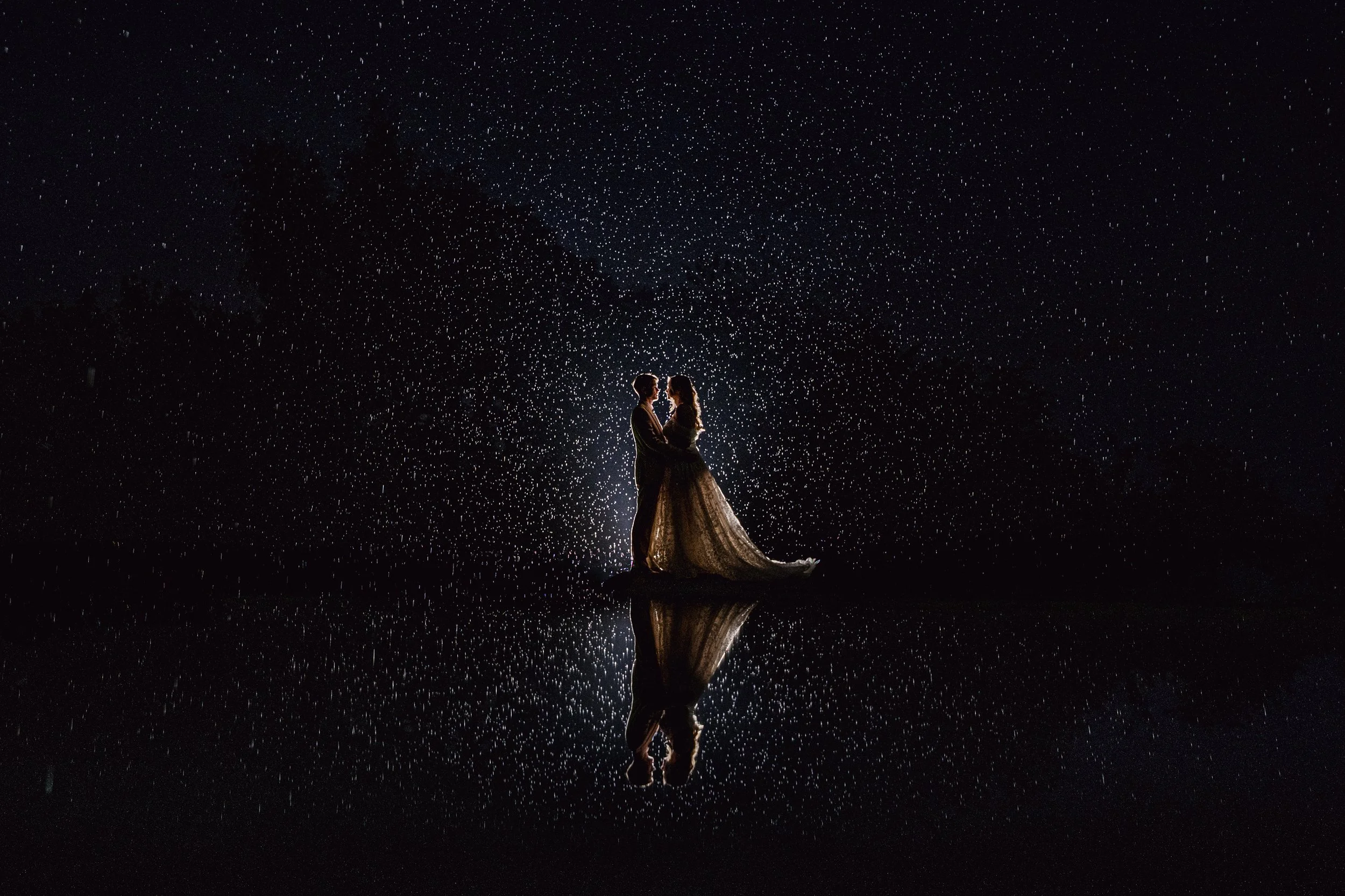
What if the photographs a couple loves most aren’t, on their own, enough to tell the story of their wedding day? The art of the wedding album design is about seeing beyond a collection of favourites and shaping each image into part of a considered narrative. Every spread can build atmosphere, reveal a relationship or mark a meaningful change in pace.
Choosing photographs is only one part of the work. You also need to create a natural visual rhythm, decide when to give an image space to breathe and balance your creative judgement with the couple’s preferences. A clear process makes these decisions more deliberate and helps you present your design with confidence.
This guide explores the album’s role as a storytelling piece, then sets out a repeatable approach to image selection and layout. You’ll learn how to connect moments across spreads, use variation with purpose and create a coherent design that feels personal to the couple. These skills grow with practice and structured learning as part of your wider creative development.
Key Takeaways
Use image choice, sequence and pacing to shape a wedding album as an editorial story, rather than a gallery of standalone favourites.
Build a repeatable selection process: define the story, shortlist photographs, group moments, sequence them and review for near-duplicates.
Use image scale and negative space to establish hierarchy, choosing between a single-image spread and a multi-image layout with intention.
Apply clear criteria when reviewing your design, checking that each spread supports the narrative and that the visual rhythm remains coherent.
Develop the art of the wedding album design by recording your decisions and refining your workflow with each project.
Table of Contents
The Art of the Wedding Album Design: From Image Collection to Story
How Spread Composition, Scale and Negative Space Shape an Album
How to Review a Wedding Album Design and Resolve Common Doubts
A Repeatable Wedding Album Design Workflow for Your Practice
The Art of the Wedding Album Design: From Image Collection to Story
A wedding gallery can contain many individually compelling photographs, yet an album needs more than a collection of highlights. Wedding album design is the editorial arrangement of photographs through selection, sequence, pacing and layout to create a personal account of a wedding day. The art of the wedding album design is in making those decisions work together, so every image has a role in the wider story.
This changes how you assess each photograph. Rather than asking only whether it is beautiful, consider what it contributes. Does it establish the setting, reveal a relationship, mark a change in the day or give the reader a moment to pause? A carefully shaped sequence helps couples revisit not only what happened, but also the atmosphere and connections that made the day meaningful. For wider context on the history and forms of wedding photography, see Wedding photography on Wikipedia.
What makes an album feel like a story?
A narrative often begins by orienting the reader. An image of the venue or a detail from the preparations can establish place and mood. Photographs of family and friends introduce the people who matter. From there, moments of change, such as moving from preparations to the ceremony or from formal portraits to the celebration, give the sequence its shape.
Transitions do important work. A quiet frame between the ceremony and portraits can soften a change in pace, while a photograph of guests gathering may lead naturally into the celebration. Focus on emotional continuity rather than following a fixed template. One wedding may call for a measured, reflective progression; another may feel more energetic. Let the couple’s day guide the rhythm.
Designing for the couple, not only the portfolio
A signature image can draw attention, but it shouldn’t automatically dictate the sequence. Consider the couple’s priorities, close relationships and defining moments. A dramatic portrait may carry visual weight, while a quieter photograph of a relative’s reaction explains why that moment matters. Together, they give the album distinction and context.
As you make choices, ask what the couple is likely to want to remember about each part of the day. Their answer may be a particular interaction, a family group or the feeling of the celebration, rather than the most technically striking frame. Storytelling choices in modern wedding photography help you combine expressive images with attentive observation, so the design reflects both your authorship and the couple’s experience.
Before settling on a sequence, review it from the couple’s point of view. Can someone who wasn’t present follow the movement of the day? Do the photographs acknowledge the people and moments the couple values? If a striking image feels disconnected, try moving it or adding a supporting frame. The story should feel personal, not simply polished for a portfolio.
How to Select and Sequence Wedding Photographs for an Album
A considered sequence begins before you place photographs on spreads. The aim is not to include every strong frame, but to choose images that carry the story forward and give each important moment enough context. Sequence matters more than quantity because the order determines how the couple experiences the story.
Use this repeatable process to move from a full gallery towards a coherent edit:
Define the story: identify the couple’s priorities and the moments that give the day its character.
Shortlist images: select photographs with emotional, relational or narrative value.
Group moments: gather images from related parts of the day and note useful connections between them.
Order the sequence: build a progression that feels natural, without assuming it must be strictly chronological.
Review the edit: look for gaps, repetition and transitions that need clarification.
Build a purposeful shortlist
Start with photographs that are essential to understanding the day: a defining exchange, a meaningful family interaction or an image that captures the couple’s connection. Then add supporting frames that help the reader understand where the moment happened and who was present. A close-up may carry emotion, but a wider view can explain the setting around it.
When several frames record the same moment, compare expression, composition, clarity and narrative value. Choose the image that communicates the moment best, rather than keeping near-duplicates simply because each is well made. Details can enrich the sequence when they add context or atmosphere. Leave them out when they interrupt its momentum. For further ideas on selection and storytelling, consult the Wedding Album Design Guide.
Create a sequence with rhythm
Think about the editorial role of each photograph. An establishing image introduces a place or scene. A transitional image connects one part of the day to another, such as guests moving from the ceremony space towards the reception. A decisive image records a moment that changes the emotional direction of the story, such as a first look or a joyful reunion. These roles can overlap, but naming them helps clarify why each frame belongs.
Move between wide scenes, portraits, details and quieter observations to vary the pace. A run of expressive portraits may benefit from a wider frame that lets the viewer pause. A small detail can lead into a larger event when the connection is clear. Chronology can provide structure, but it needn’t dictate every placement. A photograph from later in the day might work earlier if it creates a clearer emotional transition.
Finally, review the sequence without judging each photograph in isolation. Ask whether the major moments receive suitable emphasis, whether a viewer can follow changes in place or activity, and whether any image repeats information without adding meaning. Photographers can build this editorial skill through structured study and the Institute of Wedding Photographers’ photography learning resources.
How Spread Composition, Scale and Negative Space Shape an Album
A spread is one viewing unit, not simply two separate pages placed side by side. Its composition guides the eye across both pages, establishing what the viewer notices first and where they pause. A dominant image can anchor the spread, while smaller supporting photographs add context or detail. The art of the wedding album design depends on balancing these elements so the layout serves the moment rather than competing with it.
Before arranging images, look at the photographs together and consider their visual weight. A close portrait may draw the eye more strongly than a wide scene, even if both occupy a similar area. Position and spacing also affect balance. Check how the images relate across the centre fold, and avoid placing an important expression or detail where the binding could interrupt it.
Choose a layout that suits the photographs
Use a single, larger image when a moment benefits from emphasis or stillness. A quiet portrait or an expansive scene may have more impact when it has room to hold the viewer’s attention. By contrast, a group of related frames can reveal a sequence or connection. A shared glance, a response and the surrounding scene may work together to show how a moment unfolded.
Neither approach is automatically stronger. Multi-image layouts can create energy and make relationships between frames clear, but too many competing images can weaken the hierarchy. Decorative choices should never distract from expressions, gestures or meaningful details. If the viewer’s eye doesn’t know where to settle, simplify the composition or give the most important photograph more space.
Use space and repetition with intention
Negative space is an active design choice. It gives an image visual breathing room, creates a pause after a busy sequence or heightens the impact of a carefully chosen photograph. A spread with open space can feel reflective; a denser arrangement may convey movement or abundance. Choose according to the character of the moment, not a fixed preference for minimal or full layouts.
Repetition can make an album feel coherent when used selectively. Consistent alignment, recurring image sizes or a familiar relationship between large and small frames can establish visual continuity. Then introduce contrast where the story needs a change in pace. A sudden shift in scale may signal a major moment, while a more restrained variation can keep the sequence moving without calling attention to the design itself.
Review each spread at full size, then look at it alongside the spreads before and after. Ask whether the facing pages feel balanced, whether the eye moves naturally across them and whether the transition into the next spread is clear. Check for awkward gaps, crowded edges or competing focal points. No single layout suits every wedding. The strongest composition responds to the photographs and gives the story room to unfold.
How to Review a Wedding Album Design and Resolve Common Doubts
Creative judgement is part of album design, but that doesn’t mean every decision is beyond review. Assess a design against clear criteria: does the sequence communicate the day, does each spread have a visible hierarchy, and does the visual approach feel consistent? These questions offer a grounded way to refine your work without treating personal taste as a problem to eliminate.
A practical album review asks whether every spread is clear, purposeful and connected to the story. Review the album in two passes. First, move through it as a reader, without stopping to judge individual photographs. Then return to each spread and examine how the images, spacing and emphasis work together.
A practical review before presenting the design
During the first pass, notice where the narrative feels abrupt or difficult to follow. During the second, check individual design choices and look for repeated information, crowded compositions or decorative elements that compete with the photographs. The art of the wedding album design benefits from this separation: judge the overall experience first, then make precise adjustments without losing sight of the story.
Sequence: Does each transition make sense, and are any important connections or moments missing?
Repetition: Do similar frames add a new expression or perspective, or are they making the same point twice?
Rhythm: Does the pace vary, or do several spreads in a row feel equally busy or equally quiet?
Spread clarity: Is there a clear focal point, and can the viewer understand how the facing pages relate?
Relationships: Are the people and interactions that matter to the couple clear in the sequence?
If a spread feels weak, identify the cause before changing it. Too many photographs can flatten the hierarchy; borders or decorative elements can draw attention away from expressions and gestures. Try removing one image or simplifying the layout, then compare the result. A clear design doesn’t need extra decoration to explain itself.
Responding to different creative preferences
Your visual approach and the couple’s priorities should inform one another. If they value family connections, make sure those relationships are legible in the sequence, even if a more dramatic portrait feels stronger for your portfolio. You don’t need to abandon your judgement. Use it to find a coherent way to give their priorities appropriate emphasis.
When presenting a design choice, explain its purpose in terms of story and viewing experience. You might describe how a quieter spread gives a meaningful moment room to register, or how a group of related photographs clarifies an interaction. Treat feedback as useful information. Distinguish a request that strengthens the couple’s story from one that may introduce repetition or interrupt the flow, then offer a considered adjustment that preserves visual coherence.
Developing this kind of review judgement takes practice. The Institute of Photographers offers photography learning opportunities to help you continue building your creative skills and confidence.
A Repeatable Wedding Album Design Workflow for Your Practice
A consistent workflow gives creative decisions a clear structure without making every album look the same. It helps you move from the couple’s priorities to a finished sequence with fewer rushed layout choices. The art of the wedding album design is not a one-off software task; it’s a professional storytelling skill that develops through reflection, practice and considered feedback.
A five-stage process to repeat
Use these stages as a framework, adapting the emphasis to each couple and wedding:
Clarify the brief: identify the moments, relationships and atmosphere the couple most wants the album to preserve. Note any priorities that should guide your edit.
Shortlist photographs: select essential story images first, then add supporting frames that provide context or deepen the narrative.
Sequence the edit: arrange the photographs into a readable progression before committing to individual spread layouts. This makes it easier to spot gaps and repetition early.
Design the spreads: choose scale, spacing and image groupings to suit the photographs and the pace of the story.
Review and refine: read the full album from beginning to end, then examine each spread for clarity, balance and continuity. Make focused changes rather than redesigning without a clear reason.
Recording decisions makes this workflow more useful over time. Keep brief notes on why you chose a particular opening image, where you created a pause or how you resolved a difficult transition. After completing a project, review those notes alongside the finished design. Did the sequence reflect the couple’s priorities? Did restraint give key images space, or did the story need more context? These observations help turn individual choices into a more deliberate practice.
Develop album design as a professional skill
Each completed album offers a chance to assess how sequencing, visual hierarchy and restraint shaped the final narrative. Look for recurring strengths as well as decisions you’d approach differently next time. You might find that a certain rhythm consistently supports your storytelling, or that you need to be more selective with repeated frames. Use those insights to refine your process, not to impose a fixed formula on future work.
Structured learning can help photographers extend their creative judgement beyond an individual project. The Institute of Photographers’ courses and workshops support wider skill development alongside album-design practice. As you learn, apply new ideas to real sequences and assess how they serve the story, the couple and your own visual direction.
Give the craft time to mature. Return to your workflow after each project, keep the decisions that prove useful and adjust the ones that don’t. Explore photography education and develop your practice.
Let Your Next Album Move Your Practice Forward
Give your next album a clear creative intention before you begin. Decide what you want the couple to feel as they move through it, then use that intention to guide your choices. This focus can help your design feel more assured while leaving room for each wedding’s distinct character. Over time, the art of the wedding album design becomes part of a considered professional practice, strengthened by reflection and new learning.
As you develop, look for opportunities to broaden your perspective beyond the immediate design task. Professional wedding photography education, workshops and mentorship can support photographers as they build their creative skills and confidence. The Institute of Photographers offers courses, workshops and mentorship to help you continue learning, whether you’re refining established strengths or developing new approaches to your work.
Explore the Institute of Photographers’ education and mentorship, and take your next step towards a more assured creative practice. Every album is an opportunity to grow, and your next thoughtful design can begin that progress.
Frequently Asked Questions
Can a wedding album follow a story without being strictly chronological?
Yes, an album can tell a clear story without following the day minute by minute. You might place related moments together, such as interactions between the couple and their family, even if they happened at different times. Use chronology where it helps orient the viewer, and depart from it only when the connection is easy to understand. The sequence should feel intentional, not as though events have been randomly rearranged.
Should a wedding album include photographs of details as well as people?
Yes, include details when they help the viewer understand the couple’s experience. A photograph of a place setting might recall the reception atmosphere, while an object with personal significance can add context to a moment between people. Before including a detail, consider what it contributes beyond visual variety. If it explains nothing, deepens no feeling and creates no useful connection, it may be better left in the wider gallery.
Can the same wedding photograph appear more than once in an album?
It can, provided each appearance has a distinct purpose. For example, an image might first appear as part of a sequence of events, then return later as a visual link to a related moment. Before duplicating it, consider whether the second use creates emphasis or recognition for the viewer. If it simply repeats information already clear on another spread, the design may feel less deliberate and the image can lose impact.
How can a photographer make a wedding album feel personal to the couple?
Begin by finding out which memories and relationships the couple most wants to revisit. One pair may place particular importance on time with family, while another may value the atmosphere of a small ceremony. Let their priorities influence which photographs receive prominence and which moments sit alongside one another. The art of the wedding album design can feel personal through these considered choices, without relying on decoration or personalisation on every spread.
What should the opening image of a wedding album do?
The opening image should give the viewer a reason to enter the story and prepare them for its tone. It could be a wide view that establishes the setting, a quiet portrait that creates anticipation or a meaningful moment that introduces the couple’s connection. It doesn’t have to show the earliest event. Consider how it leads into the next spread, and choose an image whose mood connects with what follows.
Is it better to use a consistent layout on every album spread?
A consistent visual approach helps the album feel unified, but identical layouts can make the viewing experience predictable. Keep a few design principles steady, such as considered alignment or restrained spacing, then vary image scale or grouping when a moment calls for a different treatment. For example, a portrait may benefit from room to breathe, while a lively sequence may read better through a more compact arrangement.
What happens if a couple prefers different photographs from the photographer’s shortlist?
Treat their preferences as insight into what they remember and value. Ask what a particular photograph means to them, then consider how it might fit within the sequence. A frame you initially set aside may represent an important relationship or personal memory. Explain your editorial choices in terms of the story, listen carefully and look for a solution that honours their priorities while maintaining clarity across the finished album.