
Second Shooting Wedding Photography: 2026 Guide
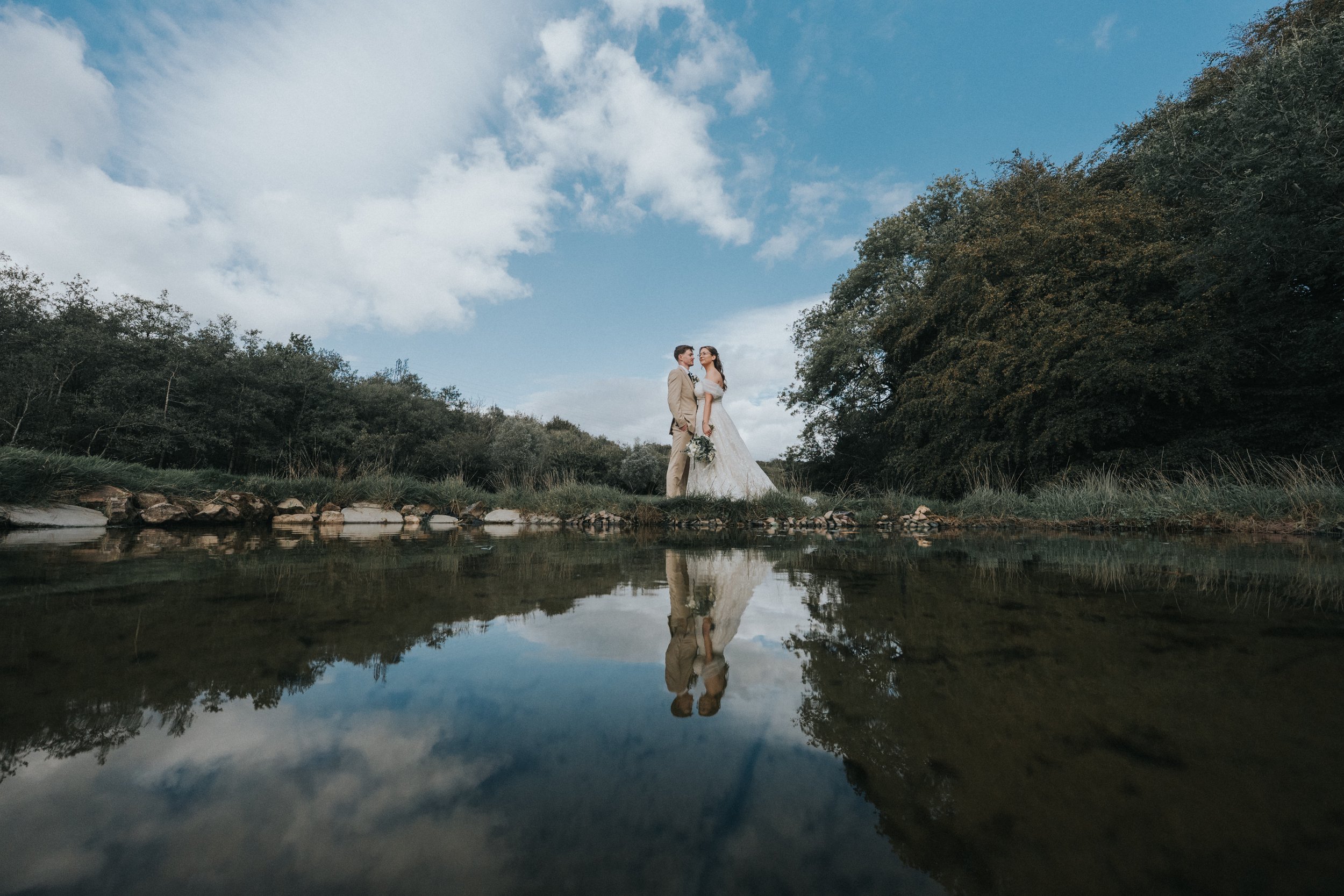
What if the most valuable image you make on a wedding day is the one the lead photographer couldn’t capture? That’s the purpose of second shooting: to add a complementary perspective, not compete for the same frame. If you’re unsure what to photograph, where to stand or how to follow a brief, those questions are a normal part of gaining experience. These second shooting wedding photography tips will help you approach the role with greater clarity and confidence.
Before the day, agree expectations with the lead photographer, including the moments and coverage they need from you. During the wedding, stay alert to guest reactions, alternative angles and useful details, while working discreetly around key moments. Clear communication helps you contribute without duplicating coverage or getting in the lead’s way.
This guide follows the assignment from preparation through the wedding day and post-event feedback. You’ll learn how to work collaboratively, make purposeful images and use each brief to strengthen your professional judgement. With practice and considered feedback, second shooting can become a valuable step in developing your craft.
Key Takeaways
Use these second shooting wedding photography tips to shape coverage around the lead photographer’s agreed plan, rather than treating the assignment as a separate shoot.
Before the wedding, clarify the schedule, priorities, boundaries and image handover, and agree how you’ll communicate throughout the day.
Adapt your coverage to each stage of the wedding, following the brief while looking for moments that offer a distinct perspective.
Make considered choices about movement, guest interaction and personal preparation to help protect the couple’s experience.
Review feedback and assignment decisions after each wedding to develop your storytelling, timing and professional judgement.
Table of Contents
How to prepare and coordinate with the lead wedding photographer
How to capture complementary wedding photographs throughout the day
Turn second shooting into a stronger wedding photography practice
What does a second shooter do in wedding photography?
A second shooter is a photographer who creates complementary images in line with the lead photographer’s agreed visual plan. The role is not simply to make more photographs. It is to add useful coverage where another viewpoint, a separate moment or a different part of the celebration can contribute to the story the lead is shaping.
Wedding photography encompasses a range of approaches, from carefully directed portraits to candid documentary coverage. The history and styles of wedding photography offer helpful context for understanding that variety. On an assignment, though, the lead photographer’s brief takes precedence. It establishes the visual direction and helps both photographers work towards a coherent gallery.
Photographic responsibilities should be distinguished from general assistance. A second shooter may be asked to photograph particular people, moments or details, but non-photographic tasks should be agreed rather than assumed. Clear expectations prevent uncertainty about whether your attention belongs behind the camera or elsewhere.
How is a second shooter different from the lead photographer?
The lead photographer is responsible for the overall visual direction and primary coverage. The second shooter works to an agreed brief, adding viewpoints without taking over the plan or directing the couple independently. That distinction gives the lead room to concentrate on key coverage while the second photographer makes considered decisions within their assignment.
The brief can change with the photographer, schedule and needs of the wedding. One assignment might involve photographing guests’ reactions during a ceremony; another might call for coverage of activity happening elsewhere at the same time. Neither approach is universal. The useful question is not “What do second shooters always photograph?” but “What coverage will support this lead’s plan today?”
What does useful second-shooter coverage add?
A second angle is most valuable when it contributes something distinct rather than repeating the lead’s frame. If the lead is photographing a couple exchanging vows, for instance, a complementary image might show a parent’s expression or the wider setting, provided that position fits the brief and doesn’t obstruct the main coverage. The aim is to extend the visual account, not promise a particular gallery or result.
Separate coverage can also record reactions, context or simultaneous activity that one photographer couldn’t capture from the same position at the same time. Choose your viewpoint with care: consider whether you can work unobtrusively, whether you’ll enter the lead’s composition and whether your movement might distract the couple or guests. These are practical second shooting wedding photography tips, but good judgement comes from applying them to the brief rather than following a fixed shot list.
Strong collaboration often depends on restraint. If a moment is already being covered effectively, look for a genuinely different contribution or hold your position. Purposeful coverage supports the lead’s visual plan while respecting the couple’s experience of the day.
How to prepare and coordinate with the lead wedding photographer
A useful briefing turns a broad assignment into a clear working plan. An agreed brief reduces duplication and uncertainty, allowing both photographers to make purposeful decisions as the day unfolds. These second shooting wedding photography tips start before you arrive: clarify what the lead needs, how you’ll work together and what happens to the images afterwards.
What should you agree before the wedding day?
Use a four-step conversation to establish the essentials:
Schedule: Confirm the timeline, key transitions and where you’re expected to be. Discuss arrival arrangements and allow enough time to get oriented.
Priorities: Ask which people, moments or details the lead particularly values. This might include a specific family group, guest reactions or activity taking place elsewhere at the same time.
Boundaries: Agree where you can stand and how to move during the ceremony, portraits and other sensitive moments. Clarify who directs the couple and when you should hold back.
Image handover: Establish how files should be handled and delivered, and whether you may use any images in your portfolio. Agree the terms before the wedding rather than assuming permission.
Also agree how the lead prefers to communicate. A quiet moment may suit a quick conversation about a changing plan, while a busy ceremony could call for a brief signal decided in advance. A short, practical exchange is more useful than guessing whether the lead is available to talk.
How can you prepare your camera kit and workflow?
Prepare for the assignment you’ve discussed and the conditions you expect to encounter. Check that your equipment is ready, that you know how you’ll manage your files, and that you have a straightforward response to routine problems such as a depleted battery or equipment not working as expected. Let the lead’s workflow guide your preparation rather than assumptions based on another photographer’s setup.
Ask how the lead wants camera clocks synchronised, which cards to use and how files should be handed over. These details make image sorting and delivery more orderly later. If the lead supplies or specifies part of the workflow, follow that direction. If you’re responsible for it, confirm the process in advance so there’s no uncertainty after the event.
Professional preparation also includes clear, respectful communication with everyone involved. The Wedding Industry Professionals Association focuses on education and ethical practice across the wedding industry, useful context for the care and collaboration expected on an assignment. Photographers looking to strengthen these skills through structured learning can explore the Institute of Wedding Photographers’ wedding photography education and development.
How to capture complementary wedding photographs throughout the day
The most useful coverage changes as the wedding unfolds. Treat the ideas below as options, not a universal shot list: choose only those that fit the agreed brief, schedule and lead photographer’s direction. These second shooting wedding photography tips are about reading each moment and finding a distinct contribution, rather than collecting a fixed set of images.
What can you photograph during preparations and the ceremony?
During preparations, assigned images might include the atmosphere of the room, interactions between family or friends, and meaningful details that help set the scene. If the lead is concentrating on one person, you could be asked to record another part of the preparations or the responses of those nearby. Keep the coverage connected to the story and avoid interrupting conversations or adding pressure to a busy room.
For the ceremony, follow the positions and movement agreed with the lead. The central exchange may already be covered; your contribution could instead be a different viewpoint, the setting or guests’ expressions, where those options fit the brief. An example moment is not an instruction to move: the schedule, venue and lead’s directions take priority. Stay alert to sightlines, and avoid blocking guests or the lead’s coverage.
Preparations: If assigned, look for atmosphere, relationships and details that provide context.
Ceremony: Use only agreed positions, and consider whether a distinct viewpoint adds more than a duplicate frame.
How can you add coverage during portraits and the reception?
Before portraits begin, establish whether the lead wants alternate angles, guest reactions or environmental context. During couple and group portraits, work around the lead’s direction. Avoid giving competing instructions or stepping into the lead’s composition. If there’s no separate assignment, hold back and remain ready to respond.
At the reception, prioritise the moments named in the brief. Depending on the plan, that could mean recording reactions around a speech, the wider atmosphere or activity taking place elsewhere in the room. Move with care and avoid drawing attention away from the couple or disrupting guests. Use flash only when it suits the agreed approach, and avoid unnecessary movement during significant moments.
Quieter intervals can offer opportunities for scene-setting images or natural guest interactions, but only if they’re part of your assignment and don’t pull you away from a priority. A wide view may show how the room is arranged; a candid exchange may convey its mood. Consider what the gallery might otherwise lack, then act only when the moment and your position make sense.
As you move between stages, check in with the lead when the timing allows. A brief update can clarify a changed priority or confirm that your next position still fits the plan. Consistent judgement matters more than following a rigid list: the strongest complementary images respond to the wedding as it happens.
How to work professionally without disrupting the wedding
Professionalism combines preparedness, discretion and responsiveness to the lead. Good intentions aren’t enough if your movement distracts from an important moment or your decisions conflict with the agreed plan. Work attentively, stay aware of the couple’s experience and take initiative only within your role. These second shooting wedding photography tips apply as much to your conduct as to the images you make.
Discretion begins with practical awareness. Keep pathways clear, avoid moving into the lead photographer’s line of sight and be mindful of conversations, guests and the flow of the day. Choose attire that suits the event and allows you to work comfortably, without treating one style of dress as a universal rule. Personal preparation also helps you remain focused, particularly during a long assignment.
How should you communicate with guests and the wedding team?
Introduce yourself when appropriate, and follow the lead photographer’s approach to guest interaction. If the lead is keeping a low profile, match that tone rather than initiating conversations or photographs that could change the atmosphere. Keep any necessary communication courteous, concise and calm, especially during time-sensitive moments when a long discussion could distract from the work.
Don’t direct guests or other members of the wedding team unless that responsibility has been agreed. If a guest asks where to go or what to do, respond helpfully within your remit, then defer to the lead when the question affects the schedule, coverage or couple’s plans. When priorities are unclear, a brief check-in at a suitable moment is better than making an assumption that could disrupt the lead’s direction.
How can you receive feedback and complete the assignment well?
At the end of the assignment, confirm any remaining handover details and deliver images or files through the agreed process and timeframe. Keep the handover organised, following the lead’s instructions for file handling rather than introducing a different workflow. This final stage is part of the assignment: clear delivery supports the lead’s ability to review and use the coverage.
Invite specific feedback after the event. Questions such as “Was my positioning useful during the ceremony?” or “Was there a moment you’d have preferred me to cover differently?” make it easier to understand what worked and what to practise. Listen carefully without becoming defensive, then translate the feedback into a decision for your next assignment.
Take a few minutes to reflect while the experience is fresh. Note one decision that served the brief well and one skill you want to develop, such as anticipating a change in the schedule or communicating more clearly. Over time, this habit can turn individual assignments into deliberate professional development. The Institute of Photographers’ wedding photography learning opportunities offer structured guidance to build on practical experience.
Turn second shooting into a stronger wedding photography practice
Each assignment can become more than a day’s experience if you take time to examine the choices behind the images. Review feedback alongside your selection and the brief: did you recognise the lead’s priorities, respond well to the timing and contribute coverage that fitted the wider story? Not every photograph will be suitable for a portfolio, and portfolio value isn’t the only measure of progress. Thoughtful review helps you identify what to retain, what to practise and what to approach differently next time.
How can you learn from each second-shooting assignment?
Start with the lead’s feedback. Note recurring observations, then turn one into a practical goal for your next assignment, such as anticipating transitions more carefully or choosing a position with greater consideration for the lead’s coverage. A focused goal is easier to apply than a long list of general ambitions.
Review images as a sequence, not only as individual frames. Consider whether they establish context, follow the day’s emotional rhythm and sit naturally alongside the lead photographer’s coverage. If you’re permitted to review a broader selection, look at both the images you made and the moments you chose to prioritise. This can reveal whether your decisions supported the assignment, even when a particular frame didn’t work as intended.
Keep image-use permissions in view. Before sharing photographs in a portfolio or online, follow the agreement made for the assignment. Treat permission as part of your professional practice, not an assumption attached to taking the photograph.
Where can wedding photographers develop their skills further?
Practical experience builds judgement in real settings, while structured education can help you examine technique, storytelling and collaboration with greater focus. Workshops provide a setting for deliberate practice; mentorship offers considered guidance as you work through questions raised by assignments. Together, these routes can help connect photographic craft with the communication and professional judgement the work requires.
For photographers ready to plan their next learning step, the Institute’s wedding photography training dates provide a route to focused development. Between assignments, keep practising with intention: study how a sequence communicates a story, notice how timing affects a moment, and reflect on how your decisions support another photographer’s visual plan. These second shooting wedding photography tips become more valuable when tested, reviewed and refined through experience.
If you’d like to explore a broader learning route, consider the Institute’s wedding photography courses and workshops. Guided learning can complement your experience on assignment and support steady progress in your practice.
Build your next step in wedding photography
Each assignment offers a chance to turn observation into judgement. Choose one element of your practice to strengthen next, then look for ways to develop it with intention. The most useful second shooting wedding photography tips are the ones you carry into your next brief, adapting what you’ve learned to the people, priorities and creative direction in front of you.
Real-world experience can grow alongside structured learning. The Institute of Photographers offers wedding photography education, workshops and mentorship, with learning packages welcoming photographers and videographers who are ready to develop their skills. This support can help you refine both your image-making and the professional decisions that shape a successful assignment.
Explore wedding photography training and workshops, and take a considered step towards your next stage of growth. Your experience is a foundation; keep building on it with curiosity and confidence.
Frequently Asked Questions
Is second shooting a good way to learn wedding photography?
Yes, second shooting can be a valuable way to learn wedding photography through live assignments and observation, provided you treat each brief as a learning opportunity rather than an invitation to work independently. Notice how the lead anticipates transitions, communicates with the couple and selects moments, then compare those decisions with your own. The most useful second shooting wedding photography tips become practical skills when you reflect on them after the event.
Do second shooters need their own camera equipment?
There isn’t one universal arrangement. Some leads may expect you to bring your own working kit, while others may set particular requirements for the assignment. Ask what you’re responsible for before accepting, including whether you need to bring a camera, lenses, batteries or memory cards. Also agree what to do if equipment fails, so you can respond without interrupting important coverage.
Can a second shooter use wedding images in a portfolio?
Only when the agreed image-use terms allow it. Clarify whether portfolio use is permitted, which images you may share, when they can be published and whether the lead should be credited. A photograph may include guests or private moments, so consider the context as well as your professional goals. If permission is limited or unclear, keep the images private and follow the arrangement made for the assignment.
How do photographers find second-shooting opportunities?
Build relationships through photography education, workshops, industry events and professional networks, and let wedding photographers know what kinds of assignments you’re prepared to take on. A concise introduction can describe your experience, approach and availability without overstating your skills. Keep a small, relevant selection of work ready if requested, and follow up courteously. Reliability and clear communication help a new contact understand how you might fit a future brief.
Should a second shooter shoot RAW or JPEG files?
Use the format specified by the lead photographer, because the editing and handover workflow may be built around it. RAW files retain more image data for later processing, while JPEG files are processed and compressed by the camera, which can make them easier to handle but less flexible to adjust. Don’t choose based on preference alone; agree the format and delivery method before the assignment.
What is the difference between a second shooter and a wedding photography assistant?
A second shooter is assigned to make photographs that contribute to the lead’s coverage; an assistant’s role is primarily practical support, which may involve helping the photography team rather than creating images. The titles can overlap in some arrangements, so clarify the actual duties beforehand. Ask whether you’re expected to photograph throughout, assist with logistics or switch between tasks, and ensure the expectations are clear to everyone involved.
How should a second shooter deliver photographs after the wedding?
Deliver files as agreed, using the lead’s preferred transfer method and timeframe. Before sending, check that the files are complete, organised and labelled as requested; avoid renaming, editing or deleting originals unless that’s part of the workflow. Include any notes the lead needs to understand the handover, such as a relevant sequence or technical issue. A clear delivery makes the images easier to review and incorporate into the wider collection.