
Submitting Your Work to Publications: A Photographer’s Guide
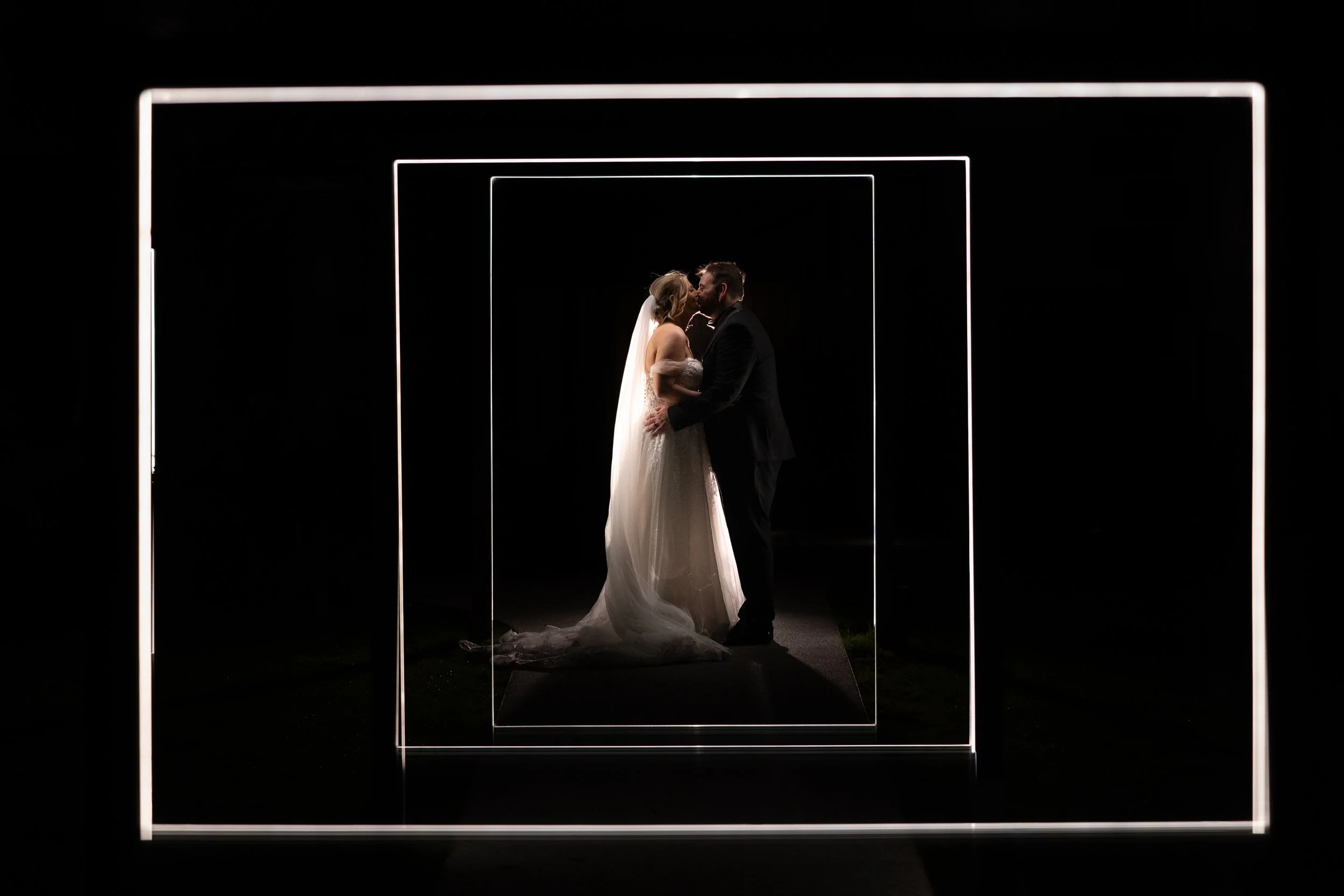
What if the image that earns an editor’s attention isn’t your most striking photograph, but the one that best serves the story? Submitting your work to publications can feel uncertain when you’re unsure which outlets suit your style, what editors expect or what permissions your images require. A strong submission is more than a gallery of favourites: it’s a focused selection supported by a clear editorial idea.
With thoughtful preparation, you can approach relevant publications with greater confidence. This guide explains how to research editorial fit, shape a pitch and present images with the details editors need. It also covers rights questions, including exclusivity, licensing and permission to publish, so you can understand what you’re agreeing to before your work appears in print or online.
Whether you’re developing a wedding photography portfolio or building a broader editorial practice, a disciplined submission process helps you present your work professionally. You’ll learn how to curate a consistent image selection, communicate concisely with editors and make informed decisions about image use, while keeping publication goals realistic and aligned with your creative direction.
Key Takeaways
Build a coherent visual story around an editorial idea instead of sending a broad gallery of favourite images.
When submitting your work to publications, match your selection and pitch to the outlet’s audience, subject matter and submission guidelines.
Distinguish between submission, publication and licensing terms so you understand the permissions you’re granting.
Use a clear workflow to research guidelines, prepare images, write a concise pitch and keep a record of each submission.
Treat publication experience as one part of a wider professional practice, supported by a carefully maintained portfolio and consistent presentation.
Table of Contents
What submitting your work to publications means for photographers
How to choose the right publication and protect image rights
How publication experience can support a professional photography career
What submitting your work to publications means for photographers
For photographers, submitting your work to publications means selecting and presenting photographs for an editor or publication team to consider. The aim is to show how your images could contribute to a particular feature, story or showcase, rather than simply making your portfolio available for general viewing.
An editorial photography submission is a considered selection of photographs, presented with relevant context, for a publication to assess for a specific editorial purpose. That purpose varies. An editorial feature may centre on a visual story, while an interview may combine photographs with a photographer’s perspective. Competitions are judged against their own entry criteria, and portfolio showcases may invite work that demonstrates a photographer’s approach. Each format has different aims and processes, so tailor your submission to the opportunity rather than assuming one approach suits all.
Publication can help your work reach an audience beyond existing clients and followers, but submitting doesn’t assure acceptance. Editors make decisions based on their publication’s needs, available space, timing and editorial direction. Treat each submission as a professional proposal, not a verdict on your ability or the lasting value of your work.
What editors need from a photography submission
Editors need to understand the subject, the story and why the images suit their readers. A coherent set might follow a wedding from quiet preparations to the celebrations, or focus on a distinctive design detail across a group of frames. Each image should contribute to the proposal. A collection of unrelated favourites can make its editorial relevance harder to judge.
A short, relevant introduction gives the editor useful context: what the photographs show, what connects them and why the idea may suit the publication. It also distinguishes a purposeful submission from an unfiltered portfolio dump. Keep the proposal clear and let the selected photographs carry the creative argument.
Publication, portfolio and professional visibility
A published feature is one way to share your photography with an audience, but it serves a different purpose from a client gallery, an awards entry or your own portfolio. A gallery presents images to a particular client; an awards submission is assessed under that programme’s criteria; your portfolio is a curated representation of your practice. Publication places work within an editor’s chosen context, and each route can contribute differently to professional visibility.
For wedding photographers exploring modern wedding photography, a publication opportunity may provide context for a considered body of work, while a maintained portfolio remains central to presenting your style to prospective clients. The two can support one another without being interchangeable. Build your portfolio with care and regard publication as a possible extension of your professional practice, not a shortcut to recognition.
How to build a publication-ready photography submission
A strong submission is relevant, selective and easy to assess. It connects a clear editorial idea with a purposeful image sequence and the information an editor needs to understand it. Preparing one takes more than choosing technically sound photographs. You’re shaping a proposal for a particular publication, so begin with its readers and editorial direction, then build a focused set around them.
Set the editorial idea. Summarise the proposed feature in a sentence. For example, a wedding submission might explore how a couple’s personal details shaped the day’s visual style. Use this idea as a test for deciding which photographs belong.
Review the publication’s current instructions. Check its subject preferences, submission route, image limits, file types, dimensions, naming conventions and requested supporting information before exporting or renaming files. Requirements vary between outlets and can change, so use the latest guidance rather than relying on an old submission or general assumptions.
Curate a visual story. Select images that develop the same theme rather than gathering every photograph you like. A coherent sequence might establish the setting, show meaningful details, introduce people and conclude with a strong moment. Remove near-duplicates and technically sound frames that don’t advance the idea.
Prepare the supporting material. Write accurate captions and concise context for each selected image, including names or dates only when relevant and verified. Use the publication’s specified file format and delivery method, and name files consistently if its instructions explain how.
Pitch and proofread. Introduce the idea, explain its relevance to the publication and state what the image set contains. Before sending, check the pitch and captions for spelling, names, dates and factual accuracy. Then confirm that each file opens and is correctly identified.
Select and sequence images around one editorial idea
Think of the edit as a visual argument: every frame should add information, atmosphere or progression. If two photographs perform the same role, keep the stronger one. A broad selection may display range, but it can leave an editor to find the story. A purposeful edit makes the proposal clearer and easier to assess. Sequence the photographs deliberately, while following any order or quantity the publication requests.
Prepare captions, filenames and supporting material
Captions should identify what an editor needs to know without making assumptions about people, places or events. Keep a separate record of the final filenames and corresponding captions to reduce mix-ups during delivery. If your workflow includes AI-assisted tools, consider how image creation or alteration affects the work you’re presenting. AI Image Generators and Photography Copyright offers further discussion of that subject.
Careful preparation is a professional habit that also strengthens portfolio development. The Institute of Wedding Photographers’ photography courses and workshops help you develop your craft and build confidence in presenting a considered body of work.
How to choose the right publication and protect image rights
A publication’s reputation alone doesn’t make it the right home for your photographs. Consider who reads it, which subjects it covers, the visual style it favours and how it accepts work. A wedding magazine may focus on real celebrations and supplier details, while a photography journal might prioritise a distinctive project or the photographer’s process. Competitions and portfolio showcases have their own entry routes and criteria, so assess each opportunity on its own terms.
Before submitting your work to publications, review recent features and note recurring themes, image treatments and the kinds of stories given prominence. Ask whether your proposed feature would interest that outlet’s audience, not simply whether publication there might look impressive on a CV. A tailored pitch shows more consideration than the same generic message sent to unrelated publications.
Assess editorial fit before making a pitch
Look for a genuine connection between your work and the publication’s editorial direction. If its recent wedding coverage centres on intimate celebrations and personal details, a tightly edited story with that emphasis may be more relevant than a large, general wedding portfolio. Match the proposal to the outlet’s subject matter and visual approach, then use its stated submission route. Relevance gives the editor a clear reason to consider the idea.
Clarify permissions, releases and permitted use
Submitting photographs doesn’t, by itself, mean you’ve granted a publication unrestricted use. The terms depend on the agreement you make. Before accepting, understand what use is requested and what you’re authorising, including the publication format, duration, territory, exclusivity, image credit and any permitted alterations or later reuse. If the wording is unclear, seek clarification before agreeing and keep a copy of the agreed terms.
Separate these general editorial checks from image-specific permissions. A model release and an image-use licence address different matters: a release from a person photographed doesn’t establish the publication terms for your photographs. Institute workshop participants gain hands-on experience with professional models who sign releases, but that doesn’t remove the workshop’s specific image-use restriction.
For your own photographs: read the publication’s proposed licence and any exclusivity conditions before you agree to them.
For Institute workshop images: the images belong to participants, but magazine publication requires the Institute of Wedding Photographers’ explicit written consent.
For resale of workshop images: explicit written consent from the Institute of Wedding Photographers is also required.
These distinctions matter when building a portfolio or proposing a feature: ownership, permission to use a person’s likeness and permission to publish a photograph aren’t interchangeable. A sound editorial fit helps you choose where to pitch; clear, documented permissions help you proceed with confidence.
How to submit your photography: a clear editorial workflow
A consistent process makes each submission easier to prepare, send and review. It also helps you keep track of which images and terms you sent to each outlet. Use this workflow as a framework, adapting it to the publication’s own instructions rather than treating it as a substitute for them.
Research the outlet and its submission route. Read the current guidelines and note how the publication wants work submitted, what material it requests and whether it gives instructions about follow-ups or response times. Record the relevant editor or submission contact if one is specified.
Define your proposal. Write a working sentence that captures the story or feature you’re offering. Check that it suits the publication’s audience and editorial approach, and that your selected photographs support the same idea.
Prepare the requested materials. Assemble the image selection, captions, photographer details and any other information the guidelines call for. Keep the edit focused and don’t add extra files simply because they’re available.
Write a concise pitch. State the proposed story, why it may interest this publication’s readers and what the image set contains. For example: “This feature follows the personal details woven through a small wedding celebration, with a set of photographs showing how those choices shaped the day.” Adapt the wording to your actual work and the outlet.
Check before sending. Proofread your message and captions, verify names and factual details, and open each attachment or link to make sure it works. Confirm that the files follow the requested format and delivery method.
Send and log the submission. Use the stated route, then note the publication, date sent, pitch summary, filenames or links provided, and any response or follow-up guidance.
Write a concise pitch and package the submission
Lead with the idea, not a lengthy account of your career. Explain why it fits that outlet, then describe the proposed image set in a few clear words. Include only requested supporting information, and make the editor’s next step straightforward by keeping files and links clearly labelled. A measured, specific pitch is easier to assess than a generic introduction sent to several unrelated titles.
Track responses and revise future submissions
Keep a simple submission log or spreadsheet so each pitch, image set and reply remains traceable. Follow the publication’s stated response and follow-up instructions rather than sending repeated messages without regard to its process. If you receive a decision or editorial feedback, respond courteously and note any useful direction. A rejection may prompt you to reconsider the fit or presentation, but it doesn’t define the quality or potential of the photographs.
With each carefully recorded submission, you can refine your editorial judgement and professional presentation. For structured support as you develop your photography practice, explore learning with the Institute of Wedding Photographers.
How publication experience can support a professional photography career
A published feature can introduce your work to new readers and provide a useful example of how you develop a story, but it’s one part of a professional practice, not a shortcut to a sustainable career. Editorial opportunities sit alongside client work, personal projects, portfolio development and the way you present your services. The value lies not only in being published, but also in learning to edit purposefully, communicate clearly and understand where your work fits.
A carefully maintained portfolio helps bring those strands together. Review it regularly, remove work that no longer reflects your direction and make sure the selection presents a consistent standard. If a publication features your photographs, consider whether that work strengthens the story your portfolio tells, while continuing to show the breadth and quality relevant to your intended clients.
Develop the work behind a stronger portfolio
Progress comes from practising the skills behind the finished images: visual storytelling, considered editing and professional presentation. Structured photography courses and workshops support that development through practical learning and portfolio-building experience. Thoughtful feedback can help you recognise strengths and areas to refine, while a clear learning structure gives you a way to turn those observations into purposeful practice. Neither guarantees publication, but both can strengthen the work you make and how you present it.
After preparing a submission, review the sequence again as a portfolio edit. Does it show a distinctive approach, and does each frame earn its place? This reflection helps you develop judgement that carries into future projects, whether or not an editor selects the feature.
Build professional visibility and recognition responsibly
Different forms of recognition serve different purposes. Editorial publication places images within a publication’s chosen context; awards provide a separate opportunity for work to be considered against their entry criteria. IOWP Membership includes entry to the IOWP Awards and a professional profile listing, offering additional ways to present your work and participate in the photography community. These benefits support professional visibility, but they don’t guarantee an award or editorial acceptance.
Keep your public presence consistent across your portfolio, profile and professional communications. Use accurate descriptions, select work that reflects your current standard and present recognition in context. A publication credit can contribute to that picture, but it should sit alongside the quality of your photography and the care you bring to your wider practice.
Choose one considered next step: refine a portfolio edit, develop a new visual story or build skills through structured learning. The Institute’s workshops, courses and mentorship support wedding photographers as they develop both creative and business skills.
Make your next step a considered one
Your next submission can be a practical opportunity to strengthen your editorial judgement, whatever the editor decides. Set a manageable goal: develop one clear story, refine the work behind it and keep building a portfolio that reflects the photographer you’re becoming. Consistency and care matter beyond any single publication credit.
Professional growth also comes from learning alongside others and gaining structure for your creative development. The Institute of Wedding Photographers supports wedding photographers and videographers with education to build skills and confidence. Choose a next step that fits your practice and ambitions, whether that’s developing a personal project, refining your portfolio or strengthening your business knowledge.
Explore professional photography education and development to build your skills and approach submitting your work to publications with a clear idea and considered intent.
Frequently Asked Questions
How do I submit my photographs to a magazine?
Start by identifying a magazine whose readers and editorial focus suit your photographs, then follow its current submission instructions. Prepare a focused set and a brief pitch, and send them through the stated route. Keep a copy of what you submitted and note the date. Treat each pitch as a tailored proposal rather than sending the same package to every outlet.
Can I submit the same photographs to more than one publication?
Possibly, but check each publication’s terms before sending the work elsewhere. Some outlets may ask for exclusivity, either while considering a submission or for a period connected with publication. Read the wording carefully and keep track of any commitments you make. If one editor is still considering the images, don’t promise them to another outlet unless the relevant guidelines or agreement allow it.
Do I need an introduction to submit work to a publication?
A short introduction is useful, although the required format depends on the publication. It gives an editor context for the photographs and a reason to consider them for that readership. Introduce yourself briefly, state what the work depicts and make clear whether you’re proposing a feature, interview or another format. If the outlet requests a form or specific information instead, follow that process rather than adding an unnecessary cover letter.
What should a photography submission include?
Include the materials the publication requests, which may comprise selected photographs, captions, a concise pitch and relevant contact details. For a wedding story, captions might identify the couple, venue or key contributors if those details are requested and verified. Check that every description matches the correct file, and avoid supplying personal or event information that isn’t needed. The publication’s instructions determine the final package, so there isn’t one universal submission format.
Can I submit workshop photographs to a magazine?
For photographs made at an Institute of Photographers workshop, obtain the Institute’s explicit written consent before magazine publication. Participants own their workshop images, but that ownership doesn’t remove this specific restriction. Reselling those images also requires the Institute’s explicit written consent. Keep permission in writing and retain it with your records, so you can refer to the agreed use if an editor asks about the images.
Does getting published guarantee more photography clients?
No. Publication may help new audiences encounter your work, but it can’t guarantee enquiries or bookings. The result depends on factors such as whether the readers are prospective clients, how the feature presents your work and how easily they can find your professional portfolio. Treat a publication credit as one part of your public profile, and continue to present your services clearly through the channels you use to reach clients.