
Mastering Wedding Photography Lighting Techniques: A Professional Path in 2026
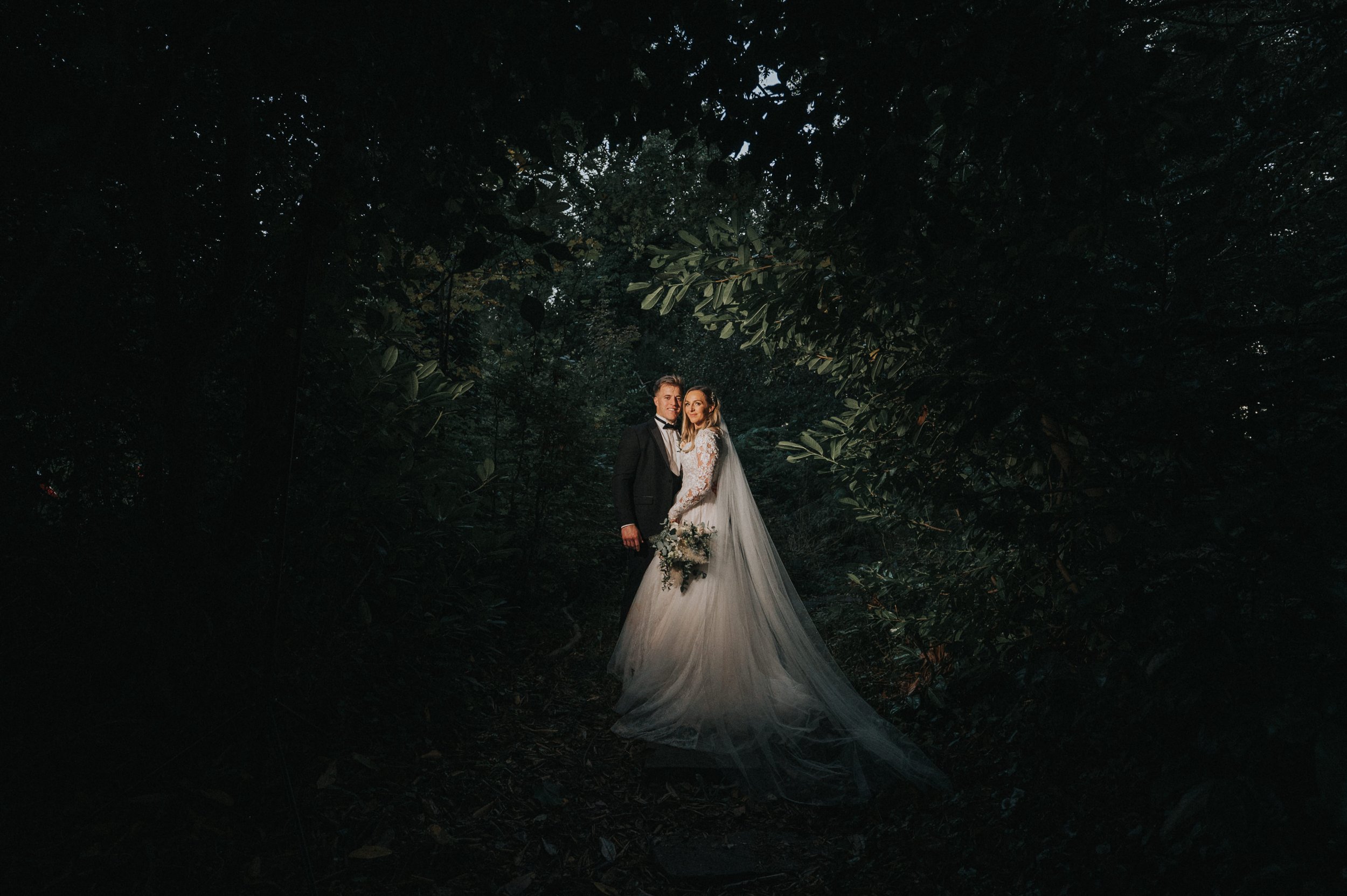
Could your reliance on the "natural light photographer" label be the very thing preventing your transition into the high-end luxury market? While the soft glow of the golden hour is undeniably beautiful, true professional mastery is defined by the ability to command complex wedding photography lighting techniques when the sun fails to cooperate. Many talented individuals find their portfolios marred by inconsistent results in dark parish churches or rustic receptions; often, this stems from a hesitation to embrace artificial sources due to a fear of losing a natural aesthetic.
We understand that the leap from available light to intentional flash can feel daunting, yet it's the essential bridge between being a reliable vendor and a celebrated artist. This guide will demonstrate how sophisticated lighting allows you to transform any environment, ensuring your work remains luminous and refined regardless of the venue's limitations. You'll learn to craft a high-prestige portfolio that justifies premium pricing and attracts the attention of prestigious bodies like the IOWP Awards. We shall examine the shift towards true-to-life colour, the strategic use of low-key shadows for an intimate feel, and the technical discipline required to maintain a consistent professional standard throughout the wedding day.
Key Takeaways
Understand why proactive control of light is the definitive boundary between standard vendors and high-end artists in the luxury wedding sector.
Master advanced wedding photography lighting techniques, including directional light and off-camera flash, to create depth and dimension in any environment.
Learn the "POSE, LIGHT & FIRE" methodology to achieve the technical precision and speed required during the high-pressure moments of a wedding day.
Discover how peer-reviewed validation through the IOWP Awards can elevate your professional standing and justify premium pricing far beyond social media metrics.
Explore how destination learning at locations like Ceconi Castle facilitates the psychological shift required to successfully pivot into high-budget markets.
Table of Contents
The Science of Light in High-Pressure Wedding Environments
Professional wedding lighting is defined by the transition from a reactive mindset to a proactive one. While an amateur photographer might wait for the sun to emerge or struggle with the dim glow of a reception hall, a master of the craft views every environment as a canvas. This ability to control and shape illumination, regardless of the venue's limitations, is what separates a standard vendor from a luxury artist. To reach the upper tiers of the industry, you must move beyond the technical plateaus that often stall a career. Mastering wedding photography lighting techniques isn't merely about avoiding dark images; it's about the intentional application of physics to create a specific aesthetic result.
A fundamental principle every professional must internalise is The Science of Light, particularly the inverse square law. In a practical wedding context, this law dictates how quickly light intensity fades as it travels from your source to the subject. If you understand that doubling the distance from your flash to the bride results in only a quarter of the light reaching her, you can manage exposure across a crowded dance floor with far greater precision. This knowledge transforms light from a technical requirement into a storytelling tool. It allows you to use shadows to hide distractions or highlight the intricate textures of a bespoke gown, creating a sense of depth that flat, ambient light simply cannot replicate.
The Limitations of the Natural Light Only Approach
The "natural light only" label is frequently used as a stylistic choice, yet in the professional sphere, it can quickly become a liability. In the United Kingdom, where a mid-winter ceremony might conclude long after a 4:00 PM sunset, relying solely on available light often leads to grainy, compromised files. Beyond the lack of illumination, natural light offers no control over colour temperature. A single wedding gallery might shift from the cool blue tones of a rainy morning to the harsh orange of a tungsten-lit barn, resulting in a disjointed portfolio. Developing the "eye" to see these shifts before you even raise your camera is a critical skill. It allows you to introduce artificial sources that mimic the soft quality of a window while maintaining a consistent, high-end look throughout the entire day.
The Institute of Wedding Photographers Professional Standard
At the Institute of Wedding Photographers, we believe that creative talent requires a structured foundation to flourish in a competitive market. Our curriculum is designed to formalise your existing skills, moving you away from guesswork and toward repeatable excellence. Through expert critique, we help you identify the subtle lighting flaws that often go unnoticed by the untrained eye, such as improper light placement that flattens facial features or creates distracting "hot spots" on skin. This rigorous approach ensures that your work meets the gravitas expected of an award-winning professional. Discover our professional academy to explore how our structured modules can provide the technical discipline needed to justify premium pricing and secure your place in the luxury wedding market.
Essential Wedding Photography Lighting Techniques for 2026
Mastery in 2026 requires a departure from the flat, over-exposed styles of previous decades. Instead, we advocate for the intentional use of directional light to sculpt the subject. By positioning your primary source at a 45-degree angle, you introduce shadows that define the jawline and the delicate folds of a bridal veil, creating a three-dimensional quality often missing from amateur work. These wedding photography lighting techniques allow you to maintain the "true-to-life" colour trend currently dominating the luxury market while ensuring your images possess a cinematic depth that justifies a premium price point.
Advanced off-camera flash (OCF) should never look like a flash was used. The goal is to mimic or enhance existing light sources with such subtlety that the viewer cannot distinguish between the two. When shooting in a grand manor house, backlighting or rim lighting serves to separate the couple from dark oak panelling, providing that "expensive" look that high-end clients expect. Choosing between bouncing light off a neutral ceiling or using a dedicated modifier depends entirely on the venue's architecture. A dark, timber-framed barn offers no bounce surface, making a portable softbox or octa-bank essential for creating soft, directional illumination that feels organic to the space.
Refined Natural Light Mastery
Even when the sun is your primary source, it requires active management rather than passive acceptance. During outdoor ceremonies in the bright midday sun, reflectors and scrims become indispensable tools for softening harsh shadows and reducing contrast. Finding "open shade" under a canopy or on the shadowed side of a building provides a naturally soft light that is exceptionally flattering for skin tones. For those looking to refine their foundational skills, Mastering the Craft: Essential Photography Tips offers further guidance on environmental awareness and composition.
Creative Artificial Lighting for Portraits
Classical portraiture remains a cornerstone of professional validation. Implementing Rembrandt lighting, characterised by the small triangle of light on the shadowed cheek, adds a sense of timelessness to bridal portraits. You might also consider using "gelled" flash, particularly a CTO (Colour Temperature Orange) gel, to match the warm glow of a sunset or to add a creative, moody atmosphere to a dim reception space. These advanced wedding photography lighting techniques are a core focus when , as they demonstrate how to adapt to varying global conditions. If you find yourself struggling with inconsistent results during high-pressure events, our wedding photography courses provide the hands-on experience required to move from hesitation to professional confidence.
The POSE, LIGHT & FIRE Methodology
Technical proficiency alone is insufficient in the high-stakes environment of a professional wedding. To truly excel, you must integrate your technical knowledge into a seamless, repeatable workflow. At the Institute, we teach the POSE, LIGHT & FIRE methodology to bridge the gap between artistic vision and practical execution. This structured approach ensures that you aren't faffing with equipment while a couple loses their natural connection. By establishing the pose first, you define the emotional core of the image. Only then do you introduce your light to sculpt the scene, finally firing the shutter once the composition is perfect. This sequence prevents the "gear anxiety" that often plagues photographers when they move beyond simple natural light setups.
Speed is the most critical factor when employing advanced wedding photography lighting techniques on a wedding day. A luxury client expects a polished result, but they do not wish to spend their reception standing in front of light stands. Through repetitive, structured practice, the adjustments on your flash trigger should become muscle memory. When you can modify your power settings and light placement in seconds, you maintain the momentum of the shoot. This efficiency allows the couple to stay relaxed and engaged, ensuring that your lighting enhances the moment rather than interrupting it.
Adapting to Challenging Venues
The true test of the POSE, LIGHT & FIRE method occurs in venues that offer no traditional assistance. In high-ceilinged UK cathedrals or historic stone chapels, the option to bounce light off a white surface is often non-existent. In these scenarios, you must rely on small, portable modifiers to create your own directional light. Similarly, hotel preparation rooms frequently present a nightmare of mixed lighting, where cool daylight from a window clashes with warm tungsten bedside lamps. Mastering the ability to neutralise these conflicting temperatures through gelled flash is essential for a cohesive gallery. Explore our upcoming photography events to see these strategies demonstrated in real-world professional environments across the UK.
Efficiency in the Professional Workflow
Modern professionals favour a kit that balances power with portability. A setup consisting of two compact, high-output flash units and a versatile modifier kit allows you to move quickly between the ceremony and the reception. Success lies in pre-visualisation; you should know exactly where your light needs to stand before you even invite the couple into the space. By minimising "test firing," you preserve the couple's patience and keep the wedding timeline on track. Professional efficiency is the hallmark of a luxury photographer.
Elevating Your Portfolio through Destination Learning
While practicing in a familiar local setting offers convenience, it often lacks the architectural complexity and aesthetic gravity required to truly test your skills. Immersing yourself in a high-prestige environment provides a profound psychological shift, encouraging you to view your work through the lens of a luxury artist rather than a local vendor. This change in perspective is essential for those seeking to pivot away from low-budget markets where price is the primary concern. By networking with other high-standard professionals, you gain access to a collective wisdom regarding wedding photography lighting techniques that transcends basic tutorials. These interactions often highlight the importance of subtler lighting decisions that define a signature style. For a broader perspective on how these skills fit into the current market, consult The Definitive Guide to Modern Wedding Photography in 2026.
The 4 Day Photography Workshop at Ceconi Castle
The historic architecture of an Italian castle presents unique challenges that demand a sophisticated approach to illumination. At the 4 Day Photography Workshop at Ceconi Castle, we focus on mastering complex setups within grand halls and narrow corridors, where light must be sculpted with precision. By combining fashion-forward bridal styling with technical lighting instruction, we ensure that every frame produced is of a professional standard. This intensive immersion provides a structured environment where you can fail safely and learn quickly, effectively replacing years of unguided trial and error with four days of focused mastery. It's a setting that forces you to move beyond the foundational POSE, LIGHT & FIRE method into the realm of high-concept artistry.
Bridging the Portfolio Gap
Luxury wedding planners and high-end couples look for 'hero shots' that demonstrate a photographer's ability to handle any lighting scenario with grace. If your portfolio is filled with images from uninspiring venues, it becomes difficult to justify premium pricing. Using high-end destination imagery allows you to rebrand your business, providing the visual proof needed to enter more exclusive sectors of the industry. These shots serve as a testament to your command of wedding photography lighting techniques, showing that you can create award-winning work regardless of the location. To begin building this high-end evidence for your own brand, you can view our wedding photography training dates and join us at an upcoming session. Enrol in our professional workshops to secure your place among the next generation of industry leaders.
Professional Validation and the IOWP Awards
Technical excellence in lighting serves as a definitive benchmark for professional recognition within the industry. While many photographers focus on social media engagement, true industry accolades are built upon the peer-reviewed mastery of light. Award panels look for the intentional application of wedding photography lighting techniques, assessing how illumination is used to enhance the narrative and emotional weight of a scene. This level of validation distinguishes your brand from the saturated market of hobbyists who rely on luck rather than skill. Achieving award-winning status provides the formal evidence needed to justify premium pricing, moving your business into the luxury tier where clients value technical precision as much as artistic vision. Learn more about the IOWP Awards to understand the standards expected of an elite professional.
Accolades are more than just trophies; they are a signal of institutional reliability. In a market where anyone can purchase a camera, peer-reviewed validation acts as a guardian of industry standards. It shifts the conversation from "likes" to legacy. This transition is essential for photographers who wish to be seen as serious practitioners of a disciplined craft. By submitting your work for professional critique, you invite the growth that only comes from high-standard mentorship and evaluation.
The Wedding Photography Mentorship Programme
Mastering complex skills requires more than occasional workshops; it demands sustained accountability and expert guidance. Our Wedding Photography Mentorship Program is designed for those committed to a long-term journey toward excellence. A mentor provides a critical eye, reviewing full wedding galleries to ensure that your lighting consistency remains high from the morning preparations to the final dance. This structured feedback loop allows you to identify recurring flaws that might hinder your progression. By setting clear professional milestones, you can move steadily from a position of technical hesitation to one of award-winning confidence. It's a transformative process that turns raw talent into a viable, high-end career path.
Joining the International Community
Success in the luxury market is often a result of the company you keep. Joining the IOWP through our membership offers access to a global standard of excellence and a network of high-achieving peers. This affiliation reinforces your professional credibility, signalling to planners and clients that you adhere to the highest industry standards. It provides a platform where technical innovation in wedding photography lighting techniques is celebrated and shared among experts. To begin your own journey toward mastery and formal recognition, discover our professional photography courses and workshops. Our curriculum is the steady hand you need to navigate the evolving digital landscape with permanence and validated achievement.
Securing Your Legacy in the Luxury Wedding Market
The transition from being a competent photographer to a master of wedding photography lighting techniques marks the start of a serious professional journey. By moving beyond a reactive approach and embracing the technical discipline of the POSE, LIGHT & FIRE methodology, you ensure that every image in your gallery meets a high-end standard. True mastery isn't found in avoiding challenges; it's found in possessing the structured knowledge to command any environment, whether it's a dim UK chapel or a grand destination venue. This technical command is the essential foundation for any photographer aiming to justify premium pricing.
As an official partner of the International Organization of Wedding Photographers (IOWP), the Institute provides the formal validation needed to professionalise your brand. Through exclusive opportunities like portfolio building at Ceconi Castle and long-term mentorship from award-winning industry leaders, the path to peer-reviewed excellence becomes clear and attainable. It's time to move beyond the limitations of available light and step into the role of a luxury artist. Discover our professional wedding photography courses and workshops to begin your transformation today. We look forward to supporting your creative growth and seeing your work recognised on the international stage.
Frequently Asked Questions
What is the best lighting setup for a beginner wedding photographer?
A single high-output speedlight paired with a versatile, portable modifier is the ideal starting point for a beginner. This manageable setup allows you to practice foundational wedding photography lighting techniques without the overwhelming complexity of multi-light systems. You should focus on mastering on-camera bounce techniques first to understand how light interacts with surfaces before transitioning the flash to a stand for off-camera work.
How do I handle lighting in a dark church where flash is prohibited?
When flash is strictly prohibited, you must rely on fast prime lenses with wide apertures and the strategic use of ambient light. Professional cameras in 2026 handle high ISO settings with remarkable clarity, allowing you to capture the atmosphere without artificial intervention. Look for pockets of natural light from stained-glass windows or altar candles to illuminate the couple, ensuring you maintain the sanctity of the ceremony.
Do I need expensive studio lights for wedding photography?
Expensive, heavy studio strobes are generally unnecessary and often a hindrance during a fast-paced wedding day. Most professionals prefer portable, battery-powered units that offer high-speed sync and TTL capabilities for maximum flexibility. A reliable on-location kit, consisting of two compact flash units and a few lightweight modifiers, provides all the power required to illuminate grand reception halls while allowing you to remain mobile.
What is the difference between a workshop and a mentorship programme?
The primary difference lies in the duration and depth of the educational relationship. A workshop, such as our 2 Day Complete Wedding Photography Workshop, is a concentrated immersion focused on immediate technical breakthroughs. In contrast, our Wedding Photography Mentorship Program offers sustained, long-term guidance. This allows a mentor to review full wedding galleries over several months, ensuring that your growth is consistent and your professional standards are permanently elevated.
Can I attend the Ceconi Castle workshop if I am a beginner?
Beginners are welcome at the Ceconi Castle workshop, as the curriculum is designed to support students at various stages of their journey. While the environment is high-prestige, the instruction begins with foundational principles before advancing to complex wedding photography lighting techniques. Many students find that starting in such an inspiring environment prevents the development of poor technical habits and builds confidence much faster than self-led study.
How does the IOWP Award process work for new members?
The IOWP Award process involves submitting a portfolio for rigorous peer review by a panel of established industry experts. Unlike social media metrics, this process evaluates technical precision, artistic narrative, and the intentional use of light. Success in these awards provides a formal credential that validates your professional standing. It's a structured way for new members to receive expert critique and gain the recognition needed to attract luxury clients.
What is the most common lighting mistake in wedding photography?
The most common mistake is the over-application of light, which often results in flat, unnatural images that lose the venue's atmosphere. Beginners frequently use flash to eliminate every shadow, but professional mastery is defined by the ability to balance artificial light with ambient sources. Learning to use shadows to create depth and dimension is essential for achieving the cinematic, high-end look that distinguishes award-winning portfolios from standard work.
How long does it take to master off-camera flash for weddings?
Mastering off-camera flash is a journey of muscle memory that typically requires a full season of practical experience to achieve true fluidity. While you can learn the technical settings in a few days, the ability to adjust your lights instinctively under pressure takes time. Attending a structured wedding photogrpahy training course in the UK can significantly compress this timeline, moving you from gear anxiety to professional confidence through expert-led practice.