
How to Prepare for a Photography Workshop: The Professional’s Guide for 2026
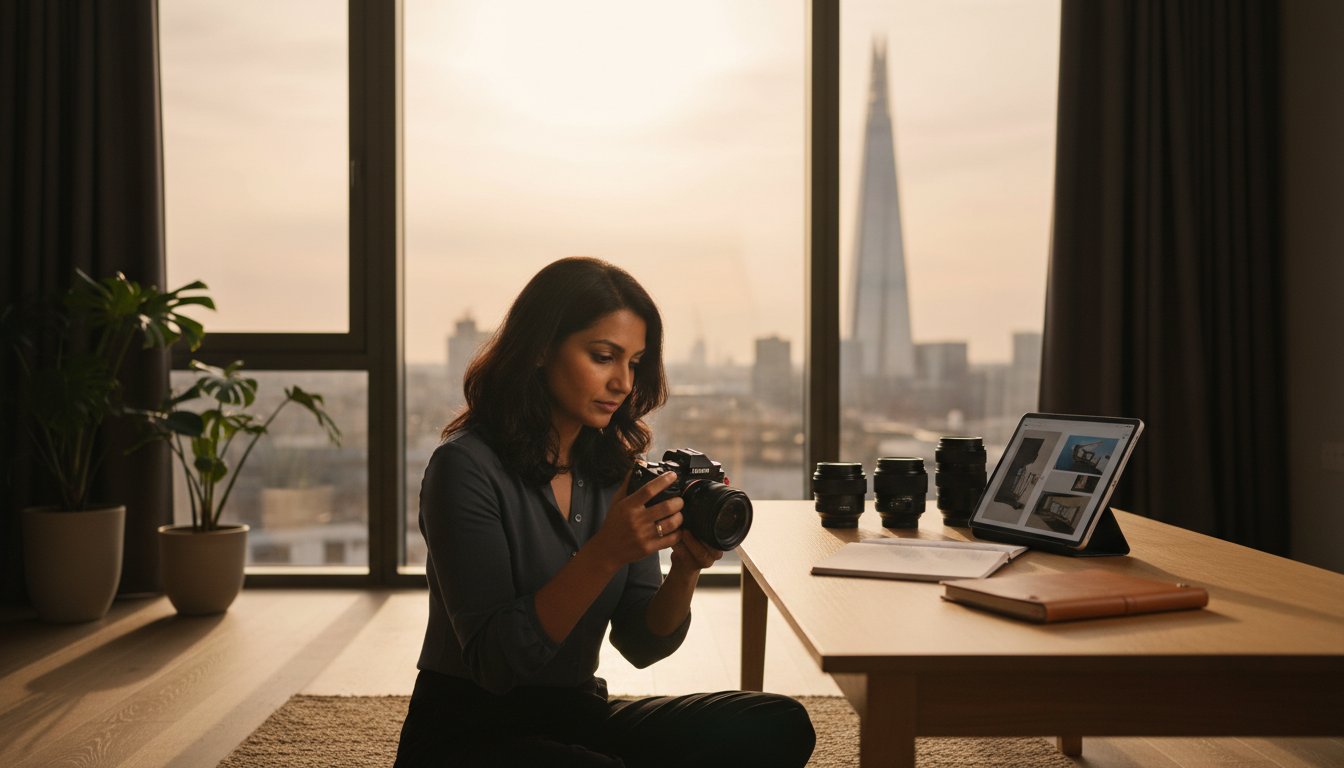
Last October, Sarah discovered that even the most breathtaking Peak District sunset is wasted if you're fumbling with a lens you haven't tested. It's a scenario that haunts many creatives, yet understanding how to prepare for a photography workshop can transform that anxiety into professional poise. You likely recognise the weight of expectation that comes with investing in your craft. A 2025 industry report indicated that 58% of workshop attendees feel their creative output is limited by technical hesitation, proving that the fear of being the least experienced person in the room is a common hurdle on the path to photographic mastery.
The Institute has refined this guide for 2026 to ensure you move beyond mere participation and toward a career-defining portfolio milestone. We promise to equip you with the technical, creative, and logistical frameworks required to produce a polished body of work and handle complex lighting scenarios with absolute confidence. This guide provides a structured overview of gear redundancy, creative pre-visualisation, and the networking nuances that build lasting industry connections during your next professional programme.
Key Takeaways
- Define precise learning objectives and creative intent to transform a structured workshop environment into a significant milestone for your professional portfolio.
- Understand how to prepare for a photography workshop by mastering your equipment in advance, ensuring your technical kit remains a seamless extension of your creative vision.
- Acquire the professional edge required to navigate high-pressure wedding scenarios, working harmoniously with stylists and models to achieve a refined, high-end aesthetic.
- Prepare for the physical and logistical demands of intensive multi-day programmes, ensuring you maintain peak performance whether shooting in the UK or at international destinations.
- Implement a disciplined post-workshop action plan to manage your new imagery and successfully integrate advanced techniques into your professional practice.
Defining Your Learning Objectives and Creative Intent
A photography workshop is a structured environment designed for accelerated skill acquisition and professional portfolio development. It's more than a simple gathering of enthusiasts; it's a formal commitment to continuing professional development that requires a proactive mindset. Many photographers make the mistake of "just showing up," assuming the environment alone will dictate their progress. However, arriving without a clear strategy often leads to missed opportunities during high-pressure shooting scenarios where light and timing are fleeting. Data from 2024 educational reviews suggests that students who arrive with a prepared plan see a 40% higher success rate in achieving their desired portfolio distinctions.
Learning Objectives serve as the essential bridge between your current skill gaps and the professional mastery you intend to achieve. To build this bridge, you must research the tutor’s specific style and the Institute’s curriculum in detail. If the lead photographer specialises in dramatic, low-key lighting, your preparation should differ significantly from a workshop focused on bright, airy lifestyle imagery. Understanding these nuances ensures that your creative output remains consistent with the high standards expected by the industry.
Analysing the Workshop Programme
Review the itinerary with a critical eye to identify which sessions require the most technical preparation. If the schedule includes a session on complex posing at 14:00, you don't want to be fumbling with basic camera settings during that window. Match your current portfolio needs to the specific locations or "set pieces" the Institute has organised. If you're lacking high-end architectural shots, prioritise the venue’s structural details. Identifying the specific lighting or posing techniques the workshop aims to teach allows you to arrive with informed questions, ensuring you extract maximum value from the tutor-led feedback sessions.
Visualisation: The Power of the Mood Board
Visualisation is a practical tool that separates the amateur from the professional. Create a digital mood board to align your creative vision with the workshop’s aesthetic, ensuring your work feels cohesive. Research the destination or 2026 venue in advance to understand the colour palette and architectural style you'll be working with. This foresight is a vital part of how to prepare for a photography workshop effectively. Set three specific, measurable goals for the event to keep your focus sharp. You might aim to master off-camera flash in a bridal context or capture three images that demonstrate a sophisticated use of negative space. These targets provide a clear metric for your progress and ensure you leave the event with a sense of validated achievement.
Technical Readiness: Mastering Your Kit Before Day One
Arriving at a high-level training event with a camera still in its box is a recipe for frustration. You've invested in professional development to refine your eye and elevate your portfolio, not to struggle with menu settings while the light fades. Mastery over your existing kit always yields better results than struggling with unfamiliar, high-end rentals. To truly get the most out of a photography workshop, your camera must feel like an extension of your hand. This level of technical fluency ensures your cognitive energy remains focused on composition and lighting. Knowing how to prepare for a photography workshop involves more than just packing a bag; it requires a deep familiarity with your equipment's nuances. If you spend twenty minutes searching for the back-button focus setting, you've lost twenty minutes of expert critique. The Institute recommends a "pre-flight" check at least 72 hours before your departure. This window allows you to identify equipment failures or missing cables that could otherwise derail your progress on location.
The Essential Equipment Audit
Your audit should be methodical. Start with your glass. If the workshop focuses on wedding portraiture, ensure your fast primes, such as an 85mm f/1.2 or 50mm f/1.4, are calibrated and free from dust. A single speck on the sensor can ruin a high-resolution portfolio shot, so a professional wet-clean is advisable. Check that your firmware is updated to the latest 2026 stable release. Manufacturers frequently release patches that improve autofocus tracking and battery efficiency, both of which are vital during live shoots. This preparation ensures you're ready for the rigorous pace of a professional programme.
Redundancy and Power Management
Reliability is the hallmark of a professional. Follow the "Three-Card Rule" by carrying three high-speed 256GB UHS-II cards. This provides enough capacity for 10-hour intensive shooting days while allowing you to rotate cards to mitigate data loss risk. Power is equally critical. You'll likely be shooting for 10 hours or more, so carry a minimum of four fully charged batteries. A portable SSD backup solution, such as a 2TB NVMe drive, is essential for evening image reviews. This allows you to clear your cards and organise your files before the next day's session begins. If you're looking to refine these skills in a structured environment, consider joining one of our photography courses and workshops across the UK.
- Primary Body: Ensure all custom buttons are mapped to your shooting style.
- Lenses: Prioritise versatile zooms (24-70mm) and specific primes relevant to the genre.
- Support: Verify that tripod plates are tightened and compatible with the workshop's gear.
- Backups: Never rely on a single camera body for a professional training event.
Preparing for Professional Wedding Portfolio Building
High-end wedding photography requires a mindset that transcends simple technical proficiency. When you attend a session at the Institute, you aren't just taking pictures; you're managing a high-pressure environment that mirrors a £3,000 commission. Understanding how to prepare for a photography workshop of this calibre involves more than packing a lens. It requires a commitment to "The Professional Edge," where every interaction with models and stylists is handled with the same decorum you would show a high-net-worth client on their wedding day.
The Institute organises these portfolio days to provide a controlled yet realistic simulation of a luxury wedding. Before you arrive, reviewing practical tips for preparing for a photography workshop ensures your technical settings don't hinder your creative flow. To secure your place at an upcoming session, view our wedding photography training dates UK to plan your professional development for the 2026 season.
Etiquette and Model Interaction
Professional models and stylists are your collaborators, not your subjects. To maintain a professional flow, you'll need to master clear, concise posing cues that project confidence. Avoid vague instructions; instead, use direct language that helps the model understand the mood of the shot. At the Institute, we emphasise the collaborative nature of working with makeup artists and hair stylists. Respecting their work by ensuring every strand of hair and every fold of the gown is perfectly placed shows a level of mastery that clients recognise. When shooting alongside other attendees, etiquette is paramount. You'll learn to share the shooting space respectfully, ensuring everyone achieves their specific shots without disrupting the collective rhythm of the programme.
Building a Cohesive Narrative
A professional portfolio isn't a collection of disconnected "hero" shots. It's a visual story that demonstrates your ability to cover a full event. You should look for "the story" within the set pieces, moving beyond the obvious to find subtle, emotive moments. To achieve this, focus on a disciplined shot list:
- Wide environmental shots: These establish the location and the scale of the luxury setting.
- Medium portraits: Use these to capture the connection and emotion of the couple.
- Macro details: Focus on the textures of the stationery, the intricate lace of the dress, or the floral arrangements.
Logistics, Insurance, and Physical Preparation
Attending a high-level workshop is a significant commitment to your professional development. While technical mastery is vital, logistical oversights can derail even the most promising learning experience. Understanding how to prepare for a photography workshop involves more than just charging batteries; it requires a strategic approach to your physical and legal safety. Whether you're attending photography courses and workshops in the UK or an international destination programme, your focus should remain on the art, not the inconveniences of travel. Proper planning ensures that when the light is perfect, you're ready to capture it without distraction.
Protecting Your Professional Gear
Professional indemnity and public liability insurance are standard for any working photographer, but travel introduces unique risks. You must verify that your policy covers "hired-in" equipment if you plan to rent specialised tilt-shift lenses or medium format systems for the event. For those travelling to international hubs like Paris or Milan, use hard-shell, Peli-style cases to withstand the rigours of transit. The Institute suggests the "Emergency Envelope" method. Tuck a laminated card into your primary camera bag containing your blood type, known allergies, and two emergency contacts. It's a simple step that ensures your well-being is prioritised during long days in unfamiliar environments. If your gear is lost or damaged, having a digital copy of your equipment's serial numbers and original receipts stored in the cloud is essential for rapid insurance claims.
Travel and Arrival Strategy
Arriving at your destination at least 24 hours before the first session is a hallmark of the professional. This buffer allows you to acclimatise to the local time zone and scout the light at key locations. In 2024, industry data suggested that attendees who arrived a day early reported a 30% higher satisfaction rate with their final portfolio results compared to those who arrived the morning of the event. Check local weather patterns specifically for the micro-climates of your location. A landscape workshop in the Scottish Highlands requires significantly different attire than a street photography session in Rome. Plan your transport between capture points in advance. Relying on last-minute ride-shares often leads to missed golden hour opportunities and unnecessary stress on the day.
Don't underestimate the physical toll of a multi-day intensive. You'll often carry 10kg to 15kg of gear for up to 12 hours a day. Physical stamina is as crucial as technical skill for maintaining focus during the final hours of a shoot. If you aren't used to long periods on your feet, begin a light walking routine two weeks prior to the start date. This preparation ensures your creative energy isn't drained by physical exhaustion, allowing you to remain sharp for every critique and demonstration.
Refine your professional approach by exploring our upcoming photography events.
The Post-Workshop Action Plan: Turning Education into Growth
The true measure of a successful educational experience isn't found in the notes you take during the session, but in the actions you take once you return to your studio. Understanding how to prepare for a photography workshop involves planning for the aftermath as much as the event itself. Many photographers return with a library of over 1,000 new images and a collection of complex theories, yet fail to integrate them into their daily practice. This is where the real work begins. The Institute provides a structured Wedding Photography Mentorship Program to help bridge this gap, ensuring your investment translates into tangible professional progress.
Culling and Editing for Distinction
Success in the professional sphere requires a "Distinction" mindset when reviewing your new work. You shouldn't aim to keep every shot that is technically acceptable. Instead, focus on the top 2% of your captures that demonstrate your new capabilities. It's vital to apply the editing techniques you learned within 72 hours of the workshop while the tutor's specific advice on colour balance and skin tones is still fresh. Sharing these drafts within the IOWP community provides a layer of peer and tutor feedback that is essential for refinement. This process prevents the development of bad habits and ensures your final selection meets the high standards expected by the Institute.
Implementing Professional Standards
Once you've refined your imagery, you must update your commercial portfolio to attract higher-tier clients. In the 2026 market, clients are looking for consistency and technical mastery that goes beyond standard hobbyist levels. You should also consider submitting your most accomplished work to the wedding photography awards to gain industry recognition and build your brand's authority. To make your growth permanent, draft a "lessons learned" document that outlines your new technical workflows. This might include:
- Revised camera settings for difficult lighting conditions.
- New protocols for client communication and posing.
- Updated post-processing steps to reduce editing time by 15% or more.
By formalising these changes, you ensure that your workshop experience isn't just a fleeting moment of inspiration, but a permanent elevation of your professional standing. The path to mastery is built on these deliberate, incremental improvements to your craft. Taking the time to reflect on what you've learned ensures that you've truly mastered how to prepare for a photography workshop from start to finish.
Refining Your Path to Photographic Mastery
Success in 2026 requires more than just showing up with a camera. It demands a deliberate approach to your professional education. By mastering your technical kit and setting clear creative objectives before you arrive, you'll ensure every moment spent behind the lens is productive. Understanding how to prepare for a photography workshop allows you to move beyond the basics and focus on the nuanced artistry that defines a professional portfolio. Whether you're refining your wedding photography skills or exploring new landscapes, your preparation is what separates a student from a practitioner.
The Institute offers a structured environment where your growth is guided by tutor-led feedback from industry masters. Our destination workshops in world-class locations provide the perfect backdrop for this transformation. Participants also gain access to opportunities for IOWP accreditation and awards, ensuring your hard work is recognised by the wider industry. Elevate your professional vision by exploring our upcoming photography courses and workshops. We're here to help you turn your creative passion into a distinguished career. Your journey toward technical excellence and artistic distinction starts with a single, well-prepared step.
Frequently Asked Questions
Do I need to buy a new camera before attending a professional photography workshop?
You don't need to purchase a new camera before attending a professional programme. The Institute focuses on refining your technical mastery and creative vision with the equipment you already own. If your current body was released within the last 5 years, it likely possesses the 20-megapixel resolution and autofocus capabilities required for high-standard portfolio work. Focus your investment on learning how to prepare for a photography workshop by mastering your existing settings instead.
How much memory card space should I realistically prepare for a three-day event?
You should prepare at least 256GB of storage for a three-day event to accommodate high-resolution RAW files. A typical professional body produces 50MB files; shooting 1,500 frames per day results in 75GB of data. We recommend using four 64GB cards or two 128GB cards to mitigate the risk of hardware failure. This ensures you have sufficient capacity for the intensive practical sessions without the need to delete images mid-session.
Is it necessary to have experience in wedding photography before joining a portfolio builder?
Previous experience in wedding photography isn't a prerequisite for joining our portfolio builder sessions. These programmes are specifically designed to help you bridge the gap between amateur status and professional accreditation. We provide the structured environment and professional models needed to create high-end imagery. Whether you've shot 2 weddings or none, the focus remains on achieving a consistent, sophisticated aesthetic that attracts premium UK clients.
What happens if the weather is poor during an outdoor photography workshop?
Outdoor sessions proceed regardless of the British weather, as challenging conditions often provide the most distinctive lighting for a professional portfolio. The Institute views rain or mist as an opportunity to master atmospheric compositions and technical weather-sealing. We advise bringing a dedicated rain cover for your kit and waterproof clothing. If conditions become unsafe, we transition to indoor theory or studio-based lighting demonstrations to ensure your learning remains uninterrupted.
Should I bring a laptop for image editing, or just focus on shooting?
Bringing a laptop is highly recommended for participating in evening critique and post-processing modules. Reviewing your work on a 13-inch or 15-inch calibrated screen allows for a level of detail that a camera's LCD cannot provide. While the focus is on the art of the capture, understanding how to refine RAW files is essential for achieving professional distinction. It's a vital step in learning how to prepare for a photography workshop effectively.
How do I handle being in a group with photographers who have more experience than me?
Being in a group with seasoned professionals is an advantage that accelerates your own progression. At the Institute, we foster a culture of mutual respect where diverse experience levels create a richer learning environment. 85% of our students report that observing the workflow of more advanced peers provided insights they couldn't find in textbooks. Focus on your personal growth and use the presence of experts as a live resource for your creative development.
What is the best way to network with other professionals during the programme?
The best way to network is through active participation in the scheduled social hours and group reviews. Engage your peers by asking specific questions about their business models or technical choices. We find that 70% of professional collaborations start over coffee or during the final evening dinner. Maintain these connections after the programme by connecting on LinkedIn or through the Institute’s alumni network to build long-term industry relationships.