
How to Pose Couples for Wedding Photos: A Masterclass in Composition and Connection
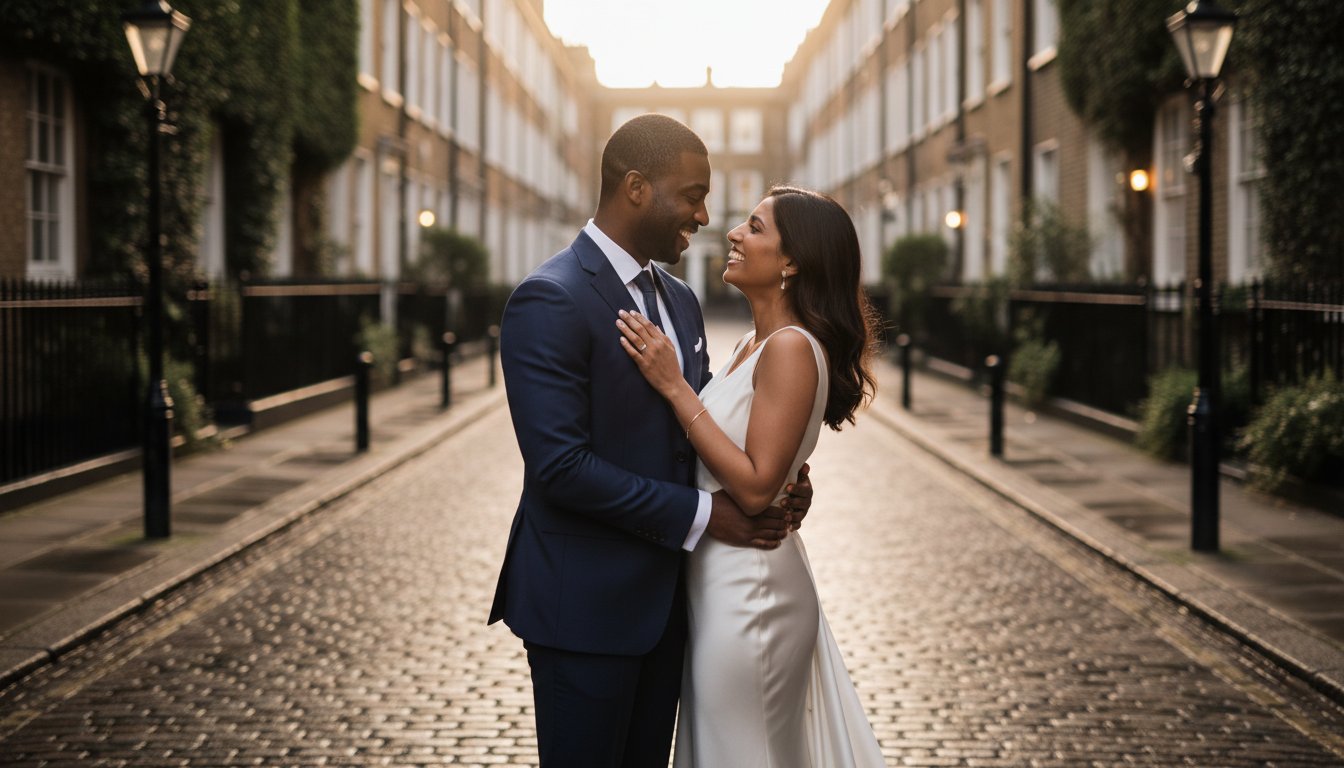
What if the most technically perfect wedding photos leave couples feeling like strangers in their own love story?
Key Takeaways
- Master how to pose couples for wedding photos through a structured three-pillar framework that adapts to each couple's personality and comfort level whilst maintaining editorial elegance.
- Develop a professional edge by shifting from simply taking photographs to curating meaningful experiences that capture authentic connection between couples.
- Implement a time-efficient workflow using base poses and strategic variations to maximise your golden hour sessions, achieving portfolio diversity within a 15-minute timeframe.
- Identify and correct the subtle posing flaws that distinguish amateur work from professional portraits, including mastering natural hand placement and body positioning.
- Progress from competent couple posing to award-winning artistry through systematic self-critique and refinement of your directorial approach.
The Art of Connection: Why Couple Posing Defines Your Professional Edge
In the world of wedding photography, the ability to effectively pose couples is not merely a technical skill; it is a defining characteristic that sets apart professional photographers from amateurs. Understanding how to pose couples for wedding photos involves intentional direction that cultivates connection and authenticity, thereby establishing your professional edge. This edge is not just about aesthetic appeal; it's about curating an experience that resonates with the couple and their unique love story.
Achieving this balance between documentary authenticity and editorial perfection is crucial. While candid moments are vital for storytelling, a touch of editorial finesse elevates the overall impact of the photographs. Striking this balance allows photographers to provide couples with images that are both genuine and polished, which is ultimately what clients are willing to pay a premium for.
To help clients achieve that camera-ready confidence for their editorial-style shots, you can discover Eternal Youth Clinic, which offers professional skin rejuvenation treatments designed to help couples look and feel their best for their wedding day.
The Role of the Photographer as a Director
One common misconception in photography is the phrase 'just act natural.' For many couples, especially those who are not accustomed to being photographed, this directive often results in awkwardness. Building trust through confident, clear, and reassuring verbal cues is essential. By guiding couples with specific instructions, you can help them feel at ease, creating a comfortable environment that fosters genuine interaction.
Posing as a Storytelling Tool
In summary, mastering how to pose couples for wedding photos not only enhances the quality of your work but also cultivates a deeper connection with your clients. By approaching each shoot with intention and artistry, you will distinguish yourself in a competitive market, ultimately achieving your professional goals.
The Three Pillars of Modern Wedding Posing Styles
Understanding how to pose couples for wedding photos becomes significantly more manageable when you organise your approach into three distinct yet complementary styles. These pillars form the foundation of professional wedding photography, allowing you to adapt seamlessly to different moments, personalities, and client expectations throughout the wedding day.
The key to mastering these styles lies not in rigid adherence to one approach, but in developing the intuition to recognise which style serves each moment best. A nervous groom might respond better to documentary-style prompts, whilst a fashion-conscious bride may flourish under editorial direction. This adaptability transforms good photographers into exceptional ones.
The Classic and Romantic Style
This foundational approach centres on timeless elegance through poses like the 'V' formation, where couples angle their bodies at 45 degrees towards each other, and the beloved forehead touch that creates intimate connection. These 'safe' shots satisfy family expectations whilst building your couple's confidence. The quiet moments between formal poses often yield the most treasured images.
The Documentary and Prompt-Based Style
Action-oriented direction transforms stiff couples into natural storytellers. Prompts such as "whisper something that made you fall in love" or "walk towards me like you're late for dinner" generate authentic laughter and movement. The 'drunken walk' technique, where couples deliberately stumble together, breaks tension and creates genuine joy that translates beautifully on camera.
The Editorial and High-Fashion Style
This sophisticated approach emphasises architectural lines, dramatic negative space, and striking lighting compositions. The strategic use of serious expressions can create powerful emotional impact when balanced with softer moments. Drawing from advanced lighting principles detailed in professional photography techniques, this style elevates wedding imagery to fine art.
Transitioning between these styles requires reading your couple's energy and the wedding's natural rhythm. Start with classic poses to establish comfort, introduce documentary elements during relaxed moments, and reserve editorial techniques for dramatic locations or when couples demonstrate confidence.
Developing expertise across all three pillars through structured learning ensures you're prepared for any scenario. The comprehensive wedding photography training offered by the Institute provides the technical foundation and creative confidence needed to master these essential posing methodologies.
A Step-by-Step Workflow for Effortless Couple Portraits
Professional wedding photographers understand that mastering how to pose couples for wedding photos requires a systematic approach that balances artistic vision with practical efficiency. The key lies in establishing a structured workflow that transforms potentially stressful portrait sessions into seamless creative experiences for both photographer and couple.
The foundation of successful couple portraits begins with preparation. Before the wedding day, scout your venue thoroughly to identify three to four distinct backdrops within a 50-metre radius. This reconnaissance allows you to maximise the golden hour's precious 15-20 minutes whilst minimising walking time between locations. Look for varied textures: stone walls, garden pathways, architectural details, and open spaces that offer different lighting conditions.
The 'Base Pose' System
Efficiency in couple portraiture stems from mastering the base pose methodology. Start with the feet, ensuring both partners stand at a slight angle to the camera rather than square-on, which creates more flattering body lines. Build upwards systematically: adjust hip positioning, then shoulders, before addressing hand placement.
From this foundation, create variations without moving the couple's feet. Simple hand adjustments—from clasped hands to arms around waists to touching faces—generate entirely different emotional tones. Direct their eyeline strategically: towards each other for intimacy, at the camera for engagement, or into the distance for contemplative romance. Finally, introduce subtle movement: a gentle sway, walking towards you, or a whispered conversation breaks the static feel and captures authentic expressions.
Efficient Gear and Lens Choices
Lens selection significantly impacts your posing workflow. A 35mm or 50mm lens keeps you close enough to provide continuous direction whilst capturing environmental context. This proximity enables real-time coaching and maintains the couple's energy through constant interaction.
For compressed, flattering portraits that isolate subjects from busy backgrounds, switch to 85mm or longer focal lengths. These lenses require greater shooting distance but deliver exceptional bokeh and facial compression that enhances romantic atmosphere. The Definitive Guide to Modern Wedding Photography provides comprehensive kit recommendations for different shooting scenarios.
Communication remains paramount throughout the session. Maintain enthusiasm through specific praise: "That laugh looks incredible" rather than generic "good job" comments. This targeted feedback builds confidence and encourages natural expressions that elevate your couple portraits from posed to authentic storytelling.
Refining the Details: Correcting Common Posing Flaws
When mastering how to pose couples for wedding photos, attention to detail is paramount. Identifying and correcting common posing flaws can elevate your photography from amateur to professional. Here are essential aspects to consider.
Identifying 'Red Flags'
Look for posing 'red flags' that can detract from the overall quality of your images. Common issues include:
- Inconsistent body angles that create awkward lines.
- Hands positioned in unnatural ways, leading to what photographers refer to as 'claw' hands.
- Poor posture, which can make the couple appear stiff and uncomfortable.
The 'Hands' Problem
One of the most prevalent challenges is deciding where to put the couple's hands. Encourage them to relax their arms and keep their hands gently clasped or resting against each other. This not only avoids 'claw' hands but also fosters intimacy in the pose. Suggest natural movements, such as brushing hair away or adjusting clothing, to help them feel more at ease.
Managing Height Differences
Height disparities between partners can be awkward in photos if not handled correctly. To avoid a forced appearance, have the taller partner slightly bend their knees or lean in closer. Alternatively, positioning the shorter partner on a slight elevation can create a more harmonious composition.
Dealing with Stiff Shoulders
Stiff shoulders can undermine the emotional warmth of a photograph. To combat this, instruct couples to drop their shoulders and engage in gentle movements. Simple actions, such as swaying or turning towards each other, can create a more relaxed atmosphere and improve overall posture.
The Psychology of the Camera-Shy Couple
Understanding the psychology of your subjects is crucial, especially if a couple is camera-shy. One effective technique is mirroring your own body language. By demonstrating a pose, you can help them feel more comfortable and confident.
Implement the '3-second rule' to capture the most natural expressions. After a pose breaks, wait three seconds before taking the shot. This brief pause allows the couple to relax, often resulting in genuine smiles and laughter.
Avoid 'over-posing.' Excessive direction can lead to mental fatigue, making couples seem stiff. Instead, focus on creating a relaxed environment where genuine emotions can shine through.
Advanced Compositional Posing
Utilising advanced compositional techniques can further enhance your images. The Principle of Thirds is a fundamental guideline; position the couple along these lines to create a balanced composition. Additionally, framing them with architectural elements or natural foliage adds depth to the photograph, drawing the viewer’s eye.
For added dimension, consider posing one partner slightly ahead of the other. This not only creates visual interest but also reinforces the connection between the couple, allowing their personalities to shine through.
In summary, knowing how to pose couples for wedding photos involves a careful examination of the details. By addressing common flaws and employing thoughtful techniques, you can create stunning images that capture the essence of love. To further refine your skills, explore our courses designed to elevate your photography to the next level.
Mastering the Craft: From Basic Poses to Award-Winning Portfolios
Transitioning from competent posing to achieving a distinction-level artistry in wedding photography requires dedication and an eye for detail. Understanding how to pose couples for wedding photos is just the beginning. The journey involves continuous refinement, self-critique, and a commitment to learning from both successes and setbacks.
Start by critiquing your own work. Review your portfolio and identify which poses resonate best with couples and which may fall flat. Ask yourself: Are the emotions captured genuine? Do the poses convey the unique connection between the couple? By pinpointing areas for improvement, you can elevate your artistic expression and refine your technique.
Consider submitting your best-posed work to the Wedding Photography Awards. Recognition from a prestigious body not only boosts your confidence but also enhances your credibility as a professional photographer. It serves as a tangible marker of your growth and skill development.
Engaging in live feedback sessions during Wedding Photography Training Dates in the UK can significantly accelerate your learning. These sessions provide an opportunity to receive constructive criticism from experienced tutors, allowing you to refine your posing techniques in real-time and gain insights that are often missed in solitary practice.
Building a Portfolio with Variety
A diverse portfolio is essential for showcasing your mastery of posing. Ensure your gallery features a range of emotions and styles, from intimate close-ups to dynamic action shots. Highlight 'hero' shots—those standout images that capture the essence of the couple's love. Such images can dramatically improve your website's booking conversion rate, as they resonate deeply with potential clients.
Curate your Gallery thoughtfully, selecting images that reflect not only technical prowess but also your ability to direct couples into poses that feel natural and authentic. This curated approach will demonstrate your versatility and commitment to excellence.
The Power of Mentorship and Workshops
Learning from professionals offers invaluable insights. Observing a pro pose a real couple can be the quickest way to grasp effective techniques. The nuances of body language and emotional connection become clearer in a live setting.
Transform Your Wedding Photography Through Masterful Posing
Understanding how to pose couples for wedding photos isn't simply about arranging bodies in pleasing compositions. It's about capturing the authentic connection between two people whilst demonstrating the technical precision that separates exceptional photographers from the rest. The three pillars of modern posing, combined with a structured workflow approach, provide the foundation for creating portraits that resonate with both emotion and professional excellence.
Your ability to refine common posing flaws and guide couples through natural interactions will directly impact your portfolio's strength and your clients' satisfaction. Each technique you've explored here contributes to that crucial professional edge that transforms wedding photography from documentation into artistry.
Frequently Asked Questions
How can I make a couple feel more comfortable during their wedding photos?
The best way to make a couple feel comfortable is to establish a friendly rapport before the session begins. Engage them in light conversation, ask about their relationship, and share anecdotes to break the ice. By showing genuine interest and enthusiasm, you create a relaxed atmosphere that allows them to be themselves, which ultimately results in more natural and authentic photos.
What are the best poses for couples with a significant height difference?
For couples with a significant height difference, consider poses that emphasise connection and intimacy. A classic option is to have the taller partner kneel or sit, while the shorter partner stands beside them. Another effective pose is to have the shorter partner wrap their arms around the taller partner’s waist, creating a tender and balanced composition that highlights their differences while showcasing their bond.
How do I pose a groom who hates having his photo taken?
To pose a groom who dislikes being photographed, focus on candid moments rather than stiff poses. Encourage him to engage in activities, such as adjusting his tie or laughing with friends, which can yield natural expressions. Alternatively, a simple standing pose with hands in pockets or leaning casually against a wall can make him feel less pressured while still capturing his essence.
What is the best time of day for couple portraits at a wedding?
The best time for couple portraits is during the golden hour, which occurs shortly after sunrise or before sunset. This time provides soft, diffused lighting that enhances skin tones and creates a romantic atmosphere. If the wedding schedule allows, aim for about an hour before sunset to take advantage of this natural lighting, resulting in stunning and flattering images.
How many different poses should I aim for in a 20-minute session?
In a 20-minute session, aim for around six to eight different poses. This allows you to capture a variety of compositions while ensuring the couple remains engaged and comfortable. Prioritise a mix of traditional poses and candid moments, as this will reflect their personalities and the depth of their connection, achieving a well-rounded portfolio of images.
Can I use the same poses for every wedding, or should I change them?
While some poses may work well across different weddings, it is essential to adapt your approach to each couple's unique style and personality. Customising poses based on their preferences, relationship dynamics, and the wedding's theme ensures that the images feel personal and distinctive. Incorporating new ideas while keeping a few tried-and-true poses can provide a balanced variety.
What should I do if the couple is moving too fast or being too 'silly' for poses?
If the couple is moving too fast or acting overly silly, gently redirect their energy by providing clear yet relaxed guidance. Suggest a few playful prompts that encourage spontaneity while also focusing on connection. For example, ask them to share a joke or recall a favourite memory together, which can help channel their energy into more intimate and meaningful expressions.
Is it better to use prompts or specific posing instructions?
Using prompts often encourages a more natural interaction between the couple, allowing for genuine expressions and spontaneous moments. Specific posing instructions can also be beneficial, especially when aiming for a particular composition. However, a blend of both methods tends to yield the best results, as it balances structure with free-flowing creativity, ultimately enhancing the couple's experience and the quality of the photographs.