
How to Get Your First Wedding Booking: A Professional Guide for Aspiring Photographers
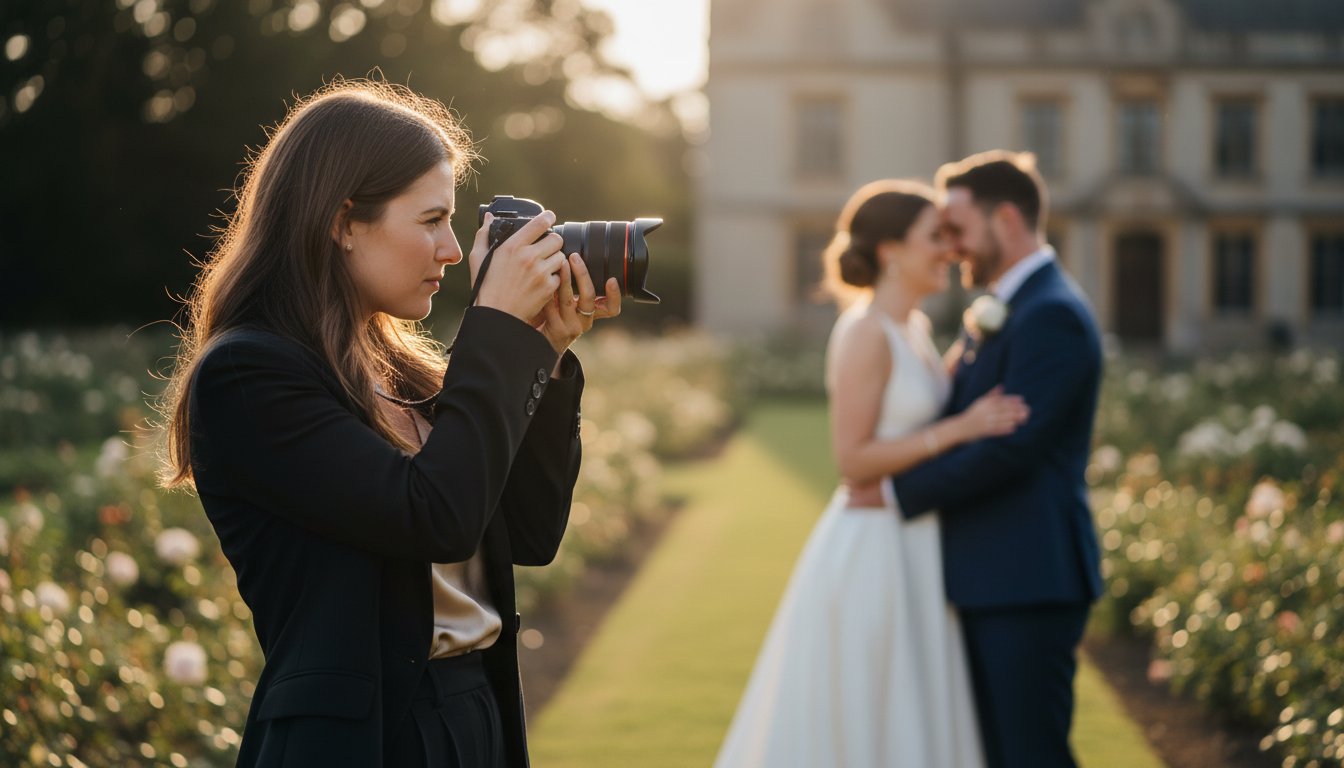
Securing your first wedding commission is not a matter of chance; it's a systematic process of replacing uncertainty with professional validation. You likely feel the weight of the classic industry catch-22: you need a refined portfolio to get hired, yet you require a wedding to build those very images. This perceived barrier often leads to a hesitation that can stall a promising career before it truly begins. Understanding how to get your first wedding booking requires more than just technical skill; it demands a deliberate approach to building trust and demonstrating your readiness to handle one of the most significant days in a couple's life.
We recognise that the fear of failing on the big day or the uncertainty surrounding your initial pricing can feel overwhelming. This guide provides a structured, professional roadmap to help you bypass the beginner stigma and present yourself with the gravitas expected of a modern professional. You'll discover how to transition from an aspiring enthusiast to a sought-after artist by focusing on high-calibre portfolio development and formal industry recognition. From the initial enquiry to the final contract, we'll outline the essential steps to ensure your first booking is handled with the discipline and excellence it deserves.
Key Takeaways
- Learn how to shift your mindset from a creative enthusiast to a reliable professional, establishing the foundations of trust required for high-stakes events.
- Discover the specific strategies for building a wedding-focused portfolio that prioritises technical precision and industry-specific storytelling over generic imagery.
- Understand the nuances of how to get your first wedding booking by leveraging the second shooter route as a structured professional apprenticeship.
- Master the "founding client" marketing approach, allowing you to secure your first commission with transparency, integrity, and commercial confidence.
- Explore how formal validation from the Institute of Wedding Photographers (IOWP) provides a distinct competitive advantage and elevates your professional standing.
The Professional Mindset: Overcoming the Wedding Entry Barrier
Many aspiring photographers find themselves trapped in a frustrating cycle: they cannot book a wedding without a portfolio, but they cannot build a portfolio without a booking. This is the industry's most significant entry barrier. However, understanding how to get your first wedding booking starts with reframing this obstacle as a professional filter rather than a dead end. It's a test of your commitment to the craft. While some might suggest simply "winging it" or waiting for a lucky break, the path to a sustainable career is built on a foundation of deliberate, structured preparation. This shift in mindset transforms you from a person with a camera into a professional who understands the gravity of the occasion.
Couples are not merely looking for someone to take pictures; they're looking for a steward of their memories. This distinction is vital. A hobbyist captures moments when inspiration strikes, but a professional delivers results regardless of the lighting, the weather, or the timeline. Even when you are just starting, you must present yourself with the reliability of a seasoned veteran. This means moving away from a trial-and-error approach and toward a methodology that guarantees quality. By treating the craft as a serious discipline, you earn the right to ask for a client's trust.
Shifting from Hobbyist to Wedding Professional
Your first client is buying your potential and your professionalism simultaneously. They need to see that you have mastered the technical requirements of the role. While exploring the history and styles of wedding photography reveals how the art form has evolved, the core requirement of professional accountability remains constant. You must adopt a professional standard from day one. This includes having public liability insurance, iron-clad contracts, and a redundant equipment strategy. If you don't treat your work as a serious business, you cannot expect a couple to treat you as a serious candidate. Speaking the language of the industry, from understanding "golden hour" logistics to knowing how to manage a formal group shot list, signals that you are an insider who is ready for the responsibility.
The Trust Factor: What Couples Actually Fear
Couples are naturally risk-averse when it comes to their wedding memories. Their primary anxiety isn't that you might miss a single artistic shot; it's the fear that they will lose their entire visual legacy. Identifying this fear allows you to address it directly. You can mitigate this anxiety through clear communication and professional associations. Mentioning your enrolment in structured wedding photography courses acts as a psychological safety net for your clients. It demonstrates that you aren't just "trying your hand" at weddings, but are following a validated path toward excellence. This formal education provides the confidence they need to overlook your lack of a traditional wedding portfolio in favour of your proven commitment to high standards.
Building a High-Calibre Portfolio Without a Wedding
A common misconception among aspiring photographers is that a collection of stunning travel landscapes or street portraits will suffice to win over an engaged couple. While these images may demonstrate technical proficiency, they fail to address the specific anxieties of a wedding client. A couple isn't just looking for a "good photographer"; they're looking for someone who can master the chaotic lighting of a historic chapel, manage a large bridal party with grace, and capture fleeting emotional nuances. Your travel photos don't tell them if you can handle the high-pressure environment of a twelve-hour wedding day. To understand how to get your first wedding booking, you must present a body of work that speaks directly to the wedding experience.
High-standard portfolio development requires a shift from accidental discovery to intentional creation. Instead of waiting for a friend to ask you to shoot their nuptials, you should focus on curated portfolio building. This involves producing a series of images that demonstrate a complete narrative arc, from the quiet anticipation of the morning preparations to the dynamic energy of the evening reception. You can view examples of this cohesive storytelling by exploring the Institute of Wedding Photographers gallery, which showcases the level of consistency required to attract discerning clients. Showing a full wedding story, rather than a handful of disconnected "hero" shots, proves that you possess the stamina and vision to document an entire event successfully.
The Power of Professional Portfolio Builder Workshops
One of the most effective ways to bypass the "no experience" hurdle is by attending a Wedding Photography Portfolio Builder Workshop. These sessions are designed to place you in a high-end wedding environment, complete with professional models, expert stylists, and luxury floral arrangements. This structured setting allows you to capture diverse, sophisticated content that would take years to accumulate through low-budget "starter" weddings. You'll learn to shoot under pressure while receiving immediate feedback from experienced mentors, ensuring that every frame meets professional standards. Engaging in such training is a vital step in Launching and Maintaining a Wedding Photography Business, as it provides the visual evidence of your skill before you've even booked your first commission.
Curating Your Work for Maximum Impact
Quality always outweighs quantity in the eyes of a professional client. A portfolio featuring fifteen exceptional, stylistically consistent images is far more persuasive than a gallery of fifty mediocre shots. When selecting your work, focus on images that demonstrate mastery of lighting, intentional posing, and authentic storytelling. Portfolio curation is the act of editing for your future client, not your past self. Every image included must serve as a testament to your ability to deliver a premium product. If you're looking to refine these selection skills, consider the Wedding Photography Mentorship Program to receive expert guidance from the Institute of Wedding Photographers on presenting your work with professional authority.
Strategic Networking and the Second Shooter Route
The role of a second shooter is the wedding industry's most effective apprenticeship. It offers a unique vantage point to observe the complexities of a high-stakes event without the primary responsibility of the final delivery. This position allows you to learn the rhythm of a wedding day, from the quiet intimacy of the bridal preparations to the technical challenges of a low-light reception. Understanding how to get your first wedding booking often begins with this collaborative step. By working alongside an established professional, you gain exposure to real-world scenarios that no amount of solo practice can replicate.
To secure these opportunities, you must approach senior photographers with a "value-first" mindset rather than appearing as a potential competitor. Established professionals are often looking for reliable assistants who can anticipate their needs. Following expert advice on starting a photography business, it's clear that building a professional network is as critical as mastering your camera. You should offer your time and assistance in exchange for the chance to observe their workflow and, where agreed, use the images for your portfolio. Always ensure you have a written agreement regarding image usage rights, as most lead photographers have specific rules about when and where second-shooter images can be displayed.
How to Pitch Yourself to Established Photographers
Successful networking requires careful research. Identify local photographers whose style aligns with your own professional aspirations and study their work. When you reach out, your email should be concise, professional, and focused on how you can make their wedding day easier. Highlight your reliability, your specific equipment list, and your willingness to act as a "helper" first. On the day of the event, your primary goal is to support the lead photographer. By being an exceptional assistant, you prove your professionalism and increase the likelihood of being invited back for future commissions.
Leveraging Mentorship for Career Acceleration
While second shooting provides practical experience, a formal Wedding Photography Mentorship Program offers a more structured path to mastery. This type of guided education is often faster than self-teaching, as it provides direct access to the "unspoken" knowledge of the industry. You'll learn about complex logistics, client psychology, and crisis management strategies that are rarely discussed in public forums. Furthermore, being part of a recognised mentorship group helps you build a network of peers and mentors who can provide referrals when they are fully booked, giving you a distinct competitive advantage as you grow your own brand.
Marketing Your First Offering and Closing the Sale
After refining your portfolio and gaining practical experience as a second shooter, the focus shifts toward the commercial phase of your career. Understanding how to get your first wedding booking requires a marketing strategy that prioritises integrity and transparency over aggressive sales tactics. A "founding client" offer is an effective way to attract your first couple without compromising your long-term brand value. By being honest about your journey while showcasing the professional training you've completed, you establish a level of trust that distinguishes you from uncertified competitors. You can leverage the high-quality imagery produced during your portfolio builder workshops to demonstrate your technical readiness, effectively turning your educational investment into tangible social proof.
Closing your first sale is less about technical jargon and more about emotional resonance. Your first consultation is the moment where you transition from a candidate to a partner in the couple's wedding planning journey. It's essential to prepare a set of insightful questions that uncover their specific anxieties and desires. When you show that you're deeply invested in the narrative of their day, the fact that this is your first commission becomes a detail of secondary importance compared to the professional discipline and composure you project.
Structuring Your 'First Wedding' Package
The terminology you use in your marketing materials will define your market position. You should avoid the word "cheap" and instead use the phrase "introductory professional rate." This signals that while the price is accessible, the standard of service is uncompromising. To ensure you secure a five-star review, consider including a complimentary engagement session. This allows you to build rapport and proves your ability to deliver results before the wedding day. Using a "limited availability" hook, such as offering this rate only for your first three bookings, creates a natural incentive for couples to commit quickly.
The Consultation: Selling the Experience, Not Just the Photos
A successful consultation is about creating a sense of calm and competence. Focus the conversation on the couple's vision rather than the specifications of your camera equipment. A consultation is a rehearsal for how you will treat them on their wedding day. If you're organised and attentive during this meeting, they'll trust you to maintain that same level of composure during the event itself. Listening to their needs allows you to position yourself as a reliable steward of their memories.
To refine your ability to communicate value and manage client expectations with professional authority, consider enrolling in our 2 Day Complete Wedding Photography Workshop.
Elevating Your Authority with the Institute of Wedding Photographers
Establishing a professional identity requires more than just a functional camera and a collection of images; it demands a commitment to industry standards that distinguishes you from the casual enthusiast. Success in this field depends on your ability to project a sense of permanence and validated achievement. Understanding how to get your first wedding booking is often a matter of proving your legitimacy through external validation. By aligning yourself with the Institute of Wedding Photographers (IOWP), you signal to prospective clients that you treat their wedding not as a hobby, but as a serious discipline. This shift in perception is often the final catalyst needed to secure that initial commission.
Investing in a wedding photography training course in the UK is a clear signal of intent to your future clients. It shows that you have invested time and resources into mastering the nuances of the craft, providing a level of comfort to couples who might otherwise be wary of hiring a newcomer. Using Institute of Wedding Photographers awards and memberships as badges of trust on your website reassures couples that your skills have been scrutinised and approved by a panel of experts. These accolades act as a psychological safety net, bridging the gap between your talent and the couple's need for security.
The Path to Mastery: From First Booking to Award-Winning
Your first booking is merely the start of a long-term professional journey. The transition from accepting any available commission to booking your dream wedding requires a structured approach to growth. By mapping out your first year with specific learning milestones, you ensure that your skills evolve alongside your business. A professional community provides the support and critique necessary to refine your artistic voice. This collective wisdom helps you avoid common pitfalls and provides a steady hand as you move into more complex, high-end celebrations. Success in this industry is rarely a solo endeavour; it is the result of continuous education and the formalisation of your talent.
Next Steps: Join the Next Generation of Professionals
The professional path to wedding photography success is built on a foundation of excellence, discipline, and formal recognition. By following the roadmap outlined in this guide, you can bypass the uncertainty of the beginner label and present yourself with the gravitas expected of a modern professional. We encourage you to take the first step toward your new career by viewing our upcoming photography events. These gatherings offer a glimpse into the standards we uphold and the community you will join. When you are ready to formalise your training, Enrol in a Wedding Photography Workshop today to begin your journey toward mastery.
Launching Your Career with Professional Authority
Securing your first commission is not a matter of chance; it's the result of systematic preparation and the formalisation of your craft. You've seen that building a high-calibre portfolio through curated workshops and gaining experience as a second shooter are essential steps in this professional transition. By focusing on transparency and reliability during your initial consultations, you can effectively demonstrate how to get your first wedding booking while bypassing the traditional beginner stigma. The path to mastery is now clear. It moves from foundational skill to industry-validated excellence.
Your journey toward becoming a sought-after professional is supported by a structured curriculum that provides intensive UK-based portfolio builder days and direct mentorship from industry-leading professionals. You'll also gain access to the prestigious IOWP Awards and a supportive community of peers who value high standards. Secure your future in the industry by joining a professional Wedding Photography Workshop today. We're here to guide you as you transform your passion into a stable and prestigious career. Your first booking is just the beginning.
Frequently Asked Questions
Do I need a professional portfolio to book my first wedding?
Yes, a professional portfolio is indispensable for securing your first commission. While you don't need dozens of weddings to start, you must showcase images that prove you can handle the specific technical demands of a wedding day. Participating in a dedicated portfolio builder workshop allows you to create these high-standard images in a controlled environment, giving clients the visual proof they require to trust your ability.
How much should I charge for my very first wedding photography booking?
You should charge an introductory professional rate that reflects your current skill level while ensuring your business remains viable. This rate should cover your operational costs, insurance, and post-production time. Avoid pricing yourself so low that you're perceived as a hobbyist; instead, position your fee as a limited-time offer for founding clients as you build your professional brand.
Is it ethical to shoot a wedding if I have never done one before?
It's entirely ethical to shoot your first wedding if you have attained the necessary technical proficiency and are transparent with the couple. Honesty is the cornerstone of professional integrity. If you have completed formal training and possess the right equipment, you're prepared to handle the responsibility. Transparency ensures the couple's expectations align with your current professional standing.
Should I offer to shoot a wedding for free to get my first booking?
Offering your services for free is rarely advisable as it can inadvertently signal a lack of confidence or quality. A more professional approach to how to get your first wedding booking is to offer a structured discount on your standard introductory package. This preserves the perceived value of your work while making it easier for a budget-conscious couple to choose a talented newcomer over a veteran.
What equipment is essential for a beginner wedding photographer's first gig?
Essential equipment includes a camera with dual card slots for instant backup, a range of fast lenses for low-light conditions, and an external flash. Redundancy is critical in this industry. You must have a second camera body and additional batteries and memory cards. This ensures that a technical failure doesn't compromise the couple's memories, maintaining the high standards expected of a professional.
How can I find a wedding photographer to let me second shoot for them?
Finding a second shooter opportunity requires a proactive and respectful approach to established professionals. Start by identifying photographers whose aesthetic matches your own and follow their work. When you reach out, offer your services as an assistant or helper first. This demonstrates your willingness to learn the logistics of the day and proves your reliability before you step into a shooting role.
Do I need insurance before I take my first wedding booking?
You absolutely need insurance before accepting any professional commission. Public Liability and Professional Indemnity insurance are essential requirements for any legitimate wedding photography business. These policies protect you and your clients in the event of accidents or equipment failure. Many UK venues now require proof of insurance from all vendors before allowing them to work on-site.
How do I explain my lack of experience to a potential wedding client?
Address your experience level by highlighting your formal education and the specific skills you've mastered. When discussing how to get your first wedding booking, explain that your focus is on providing a fresh perspective and a highly personalised service. Emphasise your commitment to their vision and the rigorous training you've undertaken, shifting the conversation from a lack of years to an abundance of preparation and care.