
How to Be a Good Second Shooter for a Wedding: The Professional Guide
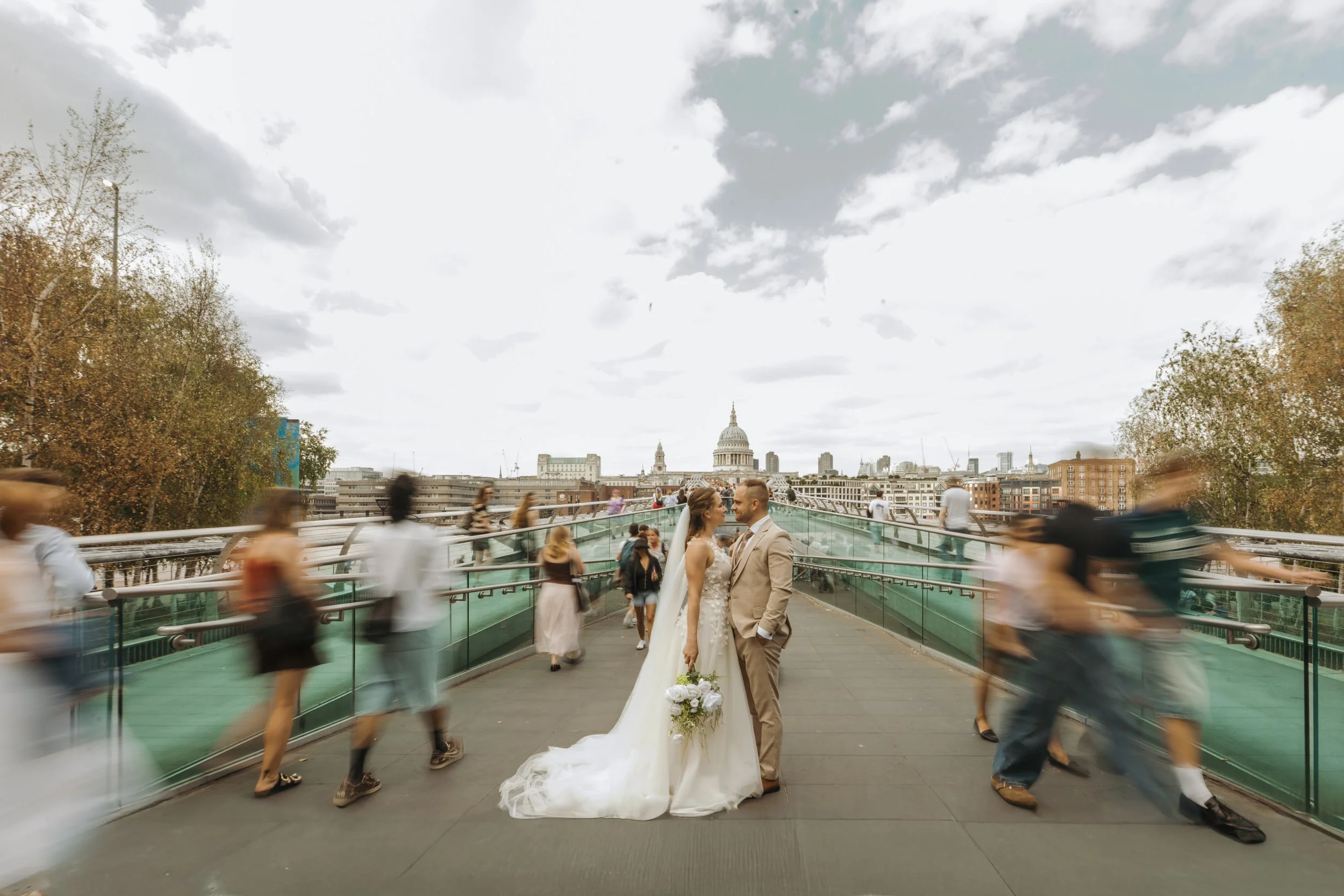
While the lead photographer carries the weight of the client contract, the ultimate success of a high-end gallery often rests upon the invisible synchronicity of their supporting professional. Mastering how to be a good second shooter for a wedding requires more than just technical proficiency; it demands a deep respect for professional etiquette and a commitment to brand alignment. You likely recognise that second shooting is the most effective practical internship for your career, yet the fear of mismatched settings or overstepping creative boundaries can be a genuine source of anxiety for those entering the luxury market.
This guide provides the technical standards and collaborative frameworks used by the Institute of Wedding Photographers to ensure your work seamlessly integrates with a lead's portfolio. We will clarify the complexities of image ownership and portfolio rights while establishing the communication strategies necessary to avoid missed moments during a fast-paced wedding day. By the end of this article, you'll understand how to maintain consistent quality across different camera systems, positioning yourself as an indispensable asset to the UK's most prestigious wedding studios and creating a clear path toward leading your own high-end commissions.
Key Takeaways
Understand the professional hierarchy and dual-narrative approach required to support a lead photographer’s creative vision effectively.
Learn the essential etiquette of brand representation and the critical UK legal standards regarding image rights and portfolio usage.
Master the technical synchronisation of camera clocks and file formats to discover exactly how to be a good second shooter for a wedding while ensuring a seamless post-production workflow.
Implement rigorous professional standards that protect the lead photographer's brand while building your own reputation within the industry.
Identify the educational path from supporting professional to lead photographer through structured mentorship and formal portfolio development.
Table of Contents
The Professional Dynamics of Working with a Second Wedding Photographer
Defining Roles: The Lead vs. Second Photographer Relationship
The Professional Dynamics of Working with a Second Wedding Photographer
A second shooter is far more than a backup; they are a professional collaborator who enhances the lead's vision through technical skill and creative intuition. Understanding how to be a good second shooter for a wedding begins with acknowledging your role within a broader storytelling framework. While the lead photographer acts as the primary director, the second shooter provides a "dual-narrative" that allows for simultaneous coverage. This is particularly vital during the morning preparations, where the lead captures the bridal party while the second shooter documents the groom's side, ensuring no part of the couple's story is left untold. These standards are aligned with the professional benchmarks taught in our Photography Courses and Workshops.
Why Professional Partnerships Benefit the Client
Clients investing in high-end wedding photography expect comprehensive coverage that a single professional cannot always guarantee. A second photographer ensures that candid guest reactions and fleeting moments aren't missed while the lead is occupied with formal portraits or group shots. This partnership provides a secondary set of professional-grade equipment on-site, offering immediate redundancy that protects the client's investment against unforeseen technical failures. Beyond safety, the use of alternative lenses adds a sophisticated layer of variety to the final gallery. For instance, a second shooter might use a 135mm telephoto lens to capture discreet ceremony emotions while the lead uses a 35mm prime for environmental context. This depth of coverage reflects the evolving history and styles of wedding photography, moving from static records to immersive, multi-perspective narratives.
Distinguishing the Second Shooter from an Assistant
It's vital to maintain a clear distinction between a second shooter and a photography assistant. An assistant typically manages lighting modifiers, carries equipment, and handles logistics, whereas a second shooter is a qualified photographer responsible for capturing high-quality imagery. Maintaining this clarity is essential for contract accuracy and professional indemnity insurance, as the responsibilities and risks differ significantly. For a photography business, transitioning to a multi-photographer model is a hallmark of growth. It allows for the coverage of larger guest counts, often exceeding 150 attendees, without compromising on the intimate, documentary-style moments that couples now prioritise. Mastering how to be a good second shooter for a wedding means providing this high-level support while respecting the lead's established brand identity and creative workflow.
Defining Roles: The Lead vs. Second Photographer Relationship
The lead photographer serves as the primary director of the wedding day. They establish the creative tone, manage client expectations, and ensure the core timeline is respected throughout the day. In this hierarchy, the second shooter acts as the essential support system, focusing on the peripheral elements that add depth to the final gallery. Learning how to be a good second shooter for a wedding requires a shift in perspective; you aren't there to build your personal brand, but to amplify the lead's vision. This involves a commitment to matching their specific shooting style, from exposure preferences to composition habits, ensuring the final collection of images feels like the work of a single, unified artist.
Professional standards, such as those advocated by the Professional Photographers of America (PPA), emphasise that technical synchronisation is just as important as creative talent. For example, if the lead prefers a "light and airy" aesthetic with shallow depth of field, the second shooter must resist the urge to shoot moody, high-contrast frames. Spatial awareness is equally critical. You must establish "no-shoot" zones early in the day. This prevents the "photographer in the frame" issue, where you accidentally ruin the lead's shot by appearing in the background of a key moment like the ceremony kiss or the entrance to the wedding breakfast.
Primary vs. Secondary Coverage Responsibilities
While the lead photographer is tethered to the "must-have" moments, the second shooter has the freedom to capture the emotional fallout. During the first dance, the lead will focus on the couple's movement and connection. Simultaneously, the second shooter should hunt for the "reverse" angle, documenting the parents' reactions or the bridesmaids' expressions from the sidelines. Shared responsibilities often include venue atmosphere and tabletop details. If the lead is busy with formal family portraits, the second shooter should be in the reception room, meticulously documenting the floral arrangements, place settings, and stationery before the guests arrive.
Communication Strategies During the Wedding Day
Effective communication is the backbone of a successful partnership. A "pre-ceremony huddle" is standard practice, allowing the team to align on the timeline and identify any specific client requests or difficult family dynamics. During sensitive religious ceremonies, you should rely on non-verbal cues. A simple nod or eye contact can signal a change in position without disrupting the solemnity of the event. If you are looking to refine these collaborative skills, our professional academy offers structured guidance on managing high-pressure environments. Providing and receiving constructive feedback should happen discreetly; never question the lead's direction in front of the client, as this undermines the professional authority of the entire team.
Navigating Etiquette and Professional Standards
Stepping onto a wedding venue as a second shooter means you're acting as a direct ambassador for the lead photographer's brand. This role requires a composed and dignified approach that prioritises the lead's reputation above your own. Mastering how to be a good second shooter for a wedding involves more than just technical skill; it's about understanding the subtle dynamics of professional invisibility. You should dress to match the prestige of the event, typically opting for smart, dark attire that allows you to blend into the background. If a guest requests a business card, you must provide the lead's contact information, never your own. This loyalty is a cornerstone of successful professional second shooter strategies that lead to recurring bookings.
Ethics extend to your interactions with other vendors. Non-solicitation is a non-negotiable standard in the UK market. You shouldn't use the wedding day as an opportunity to pitch your services to the florist or the venue coordinator. Instead, focus on maintaining the high standards of conduct expected by the Institute of Wedding Photographers, ensuring your presence adds value without creating friction. This commitment to professional discipline is explored further in our guide on Mastering the Craft, which outlines the vision required for high-level work.
Portfolio Rights and Image Ownership in the UK
In the UK, copyright law generally grants ownership to the person who presses the shutter, but most professional contracts will override this. You'll likely sign an agreement that restricts your right to use images for your own portfolio or social media. Respecting these boundaries is vital for your long-term career. Always wait until the lead photographer has delivered the final, edited gallery to the couple before you even consider sharing your behind-the-scenes content or finished shots. When you do share work, clearly credit the lead photographer in the first line of your caption. This transparency builds industry trust and demonstrates that you value the collaborative nature of the craft.
Client Interaction and Professional Conduct
During the pressure of group shots or the couple's portraits, it's tempting to jump in with your own posing suggestions. However, you must avoid "over-stepping" unless the lead explicitly asks for your input. Your job is to find the secondary angles or candid moments while the lead directs the primary action. If a guest approaches you to discuss their own upcoming wedding, handle the inquiry with professional grace. Redirect them to the lead photographer's website, reinforcing the idea that you're a unified team. This level of professional conduct ensures that you aren't just a technician with a camera, but a reliable partner in a high-stakes creative environment.
Technical Synchronisation and Post-Wedding Workflow
Technical synchronisation is often the most overlooked aspect of professional collaboration. If you're learning how to be a good second shooter for a wedding, you must realise that your responsibility doesn't end when the first dance concludes; it ends when the lead photographer has a secure, organised set of files that match their existing workflow. The 'technical handshake' is a series of pre-shoot protocols that ensure two different camera systems can produce a single, cohesive story without requiring hours of corrective editing.
Synchronising camera clocks is the first and most critical step. You should sync your internal clock to the exact second of the lead's primary camera body or a shared master time source like a smartphone. A discrepancy of even a minute can cause significant issues during the culling phase, as images from the ceremony or speeches won't appear in the correct chronological order. This technical precision removes friction from the lead's post-production schedule, making you a far more attractive partner for future bookings.
The Technical Handshake: A Pre-Shoot Checklist
Beyond time-syncing, you should standardise your file formats and colour profiles. Most UK leads require RAW files to maintain maximum dynamic range, but you must check if they prefer compressed or uncompressed versions. Aligning white balance settings is equally vital, especially when mixing camera brands. Using a shared grey card or manually setting the Kelvin value ensures that skin tones remain consistent across the entire gallery. You should also coordinate your focal lengths; if the lead is documenting the ceremony with a 35mm wide-angle lens, your role is to provide the 85mm or 135mm perspective to capture the intimate, tearful reactions of the guests.
File Delivery and Data Integrity
The 'card hand-over' process is the final act of a professional. Understanding how to be a good second shooter for a wedding means prioritising data integrity until the very last moment. Whether you're handing over physical cards at the end of the night or transferring RAW files via a high-speed SSD, data security is your priority. It's standard practice to shoot onto dual card slots, providing an immediate on-site backup. While the lead photographer takes ultimate responsibility for long-term storage, you should maintain a temporary archive on your own drives until the couple receives their final gallery. Use specific naming conventions, such as 'Date_Couple_SecondName', to prevent any file overwriting during the catalogue merge. If you're looking to master these high-level technical standards, our wedding photography training course in the UK provides the structured guidance needed to excel in a professional environment.
From Second Shooting to Lead: The Educational Journey
Transitioning from a supporting role to a primary photographer is a deliberate process of skill refinement and professional validation. While the technical and social aspects of how to be a good second shooter for a wedding provide a strong foundation, true mastery requires treating these assignments as a practical extension of formal Photography Courses and Workshops. This period of your career allows you to build a diverse portfolio without the immediate weight of being the primary client contact. You can observe how a seasoned professional manages difficult lighting, handles complex family dynamics, and maintains a steady workflow under pressure. Observing these business management techniques first-hand is an education that no textbook can fully replicate.
Leveraging Experience for Career Progression
Second shooting serves as a mirror, helping you identify specific gaps in your technical or business skill set. Perhaps you've mastered candid moments but feel less confident directing large groups or managing the pace of a reception. Using these insights, you can supplement your field experience with targeted training, such as a Wedding Photography Portfolio Builder Workshop. These sessions allow you to create high-end content in controlled environments, bridging the gap between being a support professional and a lead artist. Your time on-site is also a chance to network within the Professional Photographer Community, building relationships that often lead to referrals and collaborative opportunities across the UK market.
The Path to Professional Recognition
Formal recognition is the final step in establishing your authority within the industry. Every wedding you shoot contributes to your professional development, but validation from a certifying body provides the prestige needed to attract high-end clients. As you refine your eye and curate your collection, you should begin preparing your most impactful work for submission to the IOWP Wedding Photography Awards. This process of external critique is essential for your progression. Once you're ready to launch your own brand, the Wedding Photography Mentorship Program offers the structured guidance needed to navigate the commercial realities of the industry. Even as you transition into a lead role, you'll find that the lessons learned while discovering how to be a good second shooter for a wedding remain the bedrock of your professional discipline. Excellence is a journey of constant reflection and improvement.
Advancing Your Career Through Professional Collaboration
Success in this industry depends on more than just capturing beautiful images; it requires a deep commitment to technical synchronisation and the protective representation of a lead's brand. By mastering how to be a good second shooter for a wedding, you demonstrate the discipline and creative intuition that high-end studios value most. Whether it's the precision of syncing camera clocks or the integrity of respecting portfolio usage rights, these professional standards form the bedrock of a sustainable career. You aren't just an extra lens; you're a vital collaborator in a complex storytelling process.
As you refine your skills, the transition from support to lead becomes the natural next step. Our curriculum offers the structure you need to achieve this, featuring IOWP Certified Mentors and unparalleled opportunities for portfolio building in Italy and Paris. If you're ready to gain the validation of recognised industry awards and elevate your professional standing, we invite you to explore our professional wedding photography courses and workshops to master your craft. The path to mastery is a patient one, but with the right guidance, your creative journey will lead to exceptional results.
Frequently Asked Questions
Do I need a formal contract when working as a second wedding photographer in the UK?
A formal contract is indispensable for any UK based professional. It protects both parties by clarifying image ownership, payment terms, and liability. Without a written agreement, UK copyright law can default to the creator, which often creates significant legal friction for the lead photographer's business. Having a clear document ensures that expectations are aligned before the first shutter click.
Can a second shooter use the wedding photos for their own portfolio or social media?
Usage rights are strictly governed by your contract with the lead photographer. Most professionals allow portfolio use after a specific period, provided you clearly credit their studio. Learning how to be a good second shooter for a weddinginvolves respecting these boundaries and never posting images before the couple has received their final gallery from the lead photographer.
How much should I expect to pay a second wedding photographer for a full day?
Industry rates for an experienced second shooter in 2026 typically range between £60 and £80 per hour. Less experienced photographers may command closer to £40 or £50 per hour. These rates reflect the technical skill and professional discipline required to understand how to be a good second shooter for a wedding while maintaining the lead's established brand standards.
What camera gear is a second shooter expected to bring to a wedding?
You're expected to bring two professional camera bodies with dual memory card slots for immediate data redundancy. A versatile lens kit, such as a 24-70mm and a 70-200mm f/2.8, or a selection of fast primes like a 35mm and 85mm, is standard. This ensures you can cover various scenarios while providing a different creative perspective from the lead's primary coverage.
Who is responsible for the final editing of the second shooter's RAW files?
The lead photographer retains full responsibility for all culling and post-production. Your role concludes once the RAW files are safely transferred and the lead has confirmed the data is secure. This workflow ensures the final gallery maintains a consistent aesthetic and colour profile that matches the lead photographer's established brand identity and client expectations.
What happens if a second shooter is unable to attend the wedding at short notice?
Professional contracts should include a clause for emergency replacement. If you can't attend due to illness or an emergency, it's often your responsibility to help the lead find a suitable substitute who meets their technical standards. This maintains professional trust and prevents the lead from being understaffed during one of the most critical days of a client's life.
Is a second shooter expected to provide their own professional indemnity insurance?
Most lead photographers require you to hold your own Public Liability and Professional Indemnity insurance. This is a standard requirement for freelancers in the UK. It ensures that any accidental damage to venue property or professional errors are covered without putting the lead's business at risk. Carrying your own insurance is a hallmark of a serious professional.
How can I find a reliable second shooter to support my wedding business?
Finding a reliable partner involves networking within professional communities or using dedicated industry groups. Many leads look for photographers who have completed formal training or mentorship, as this guarantees a baseline of technical and ethical competence. Look for individuals who demonstrate a commitment to the craft and a willingness to adapt their style to match your brand's vision.