
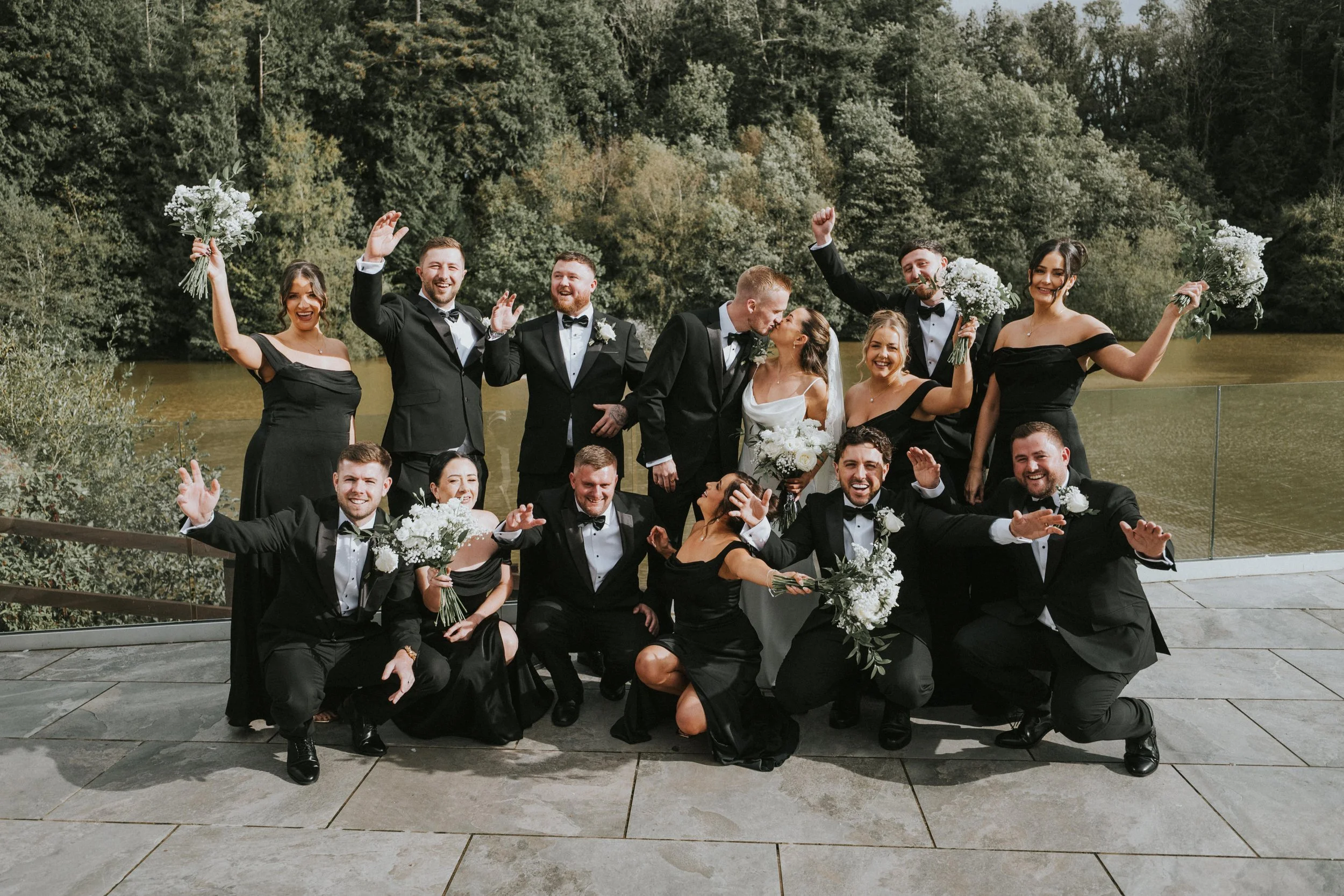
Natural couple photographs come from giving people something meaningful or enjoyable to do, rather than asking them to hold a series of fixed poses. The most effective prompts to get natural reactions from couples draw on familiar indoor or outdoor settings, questions about their shared story, playful movement and cues shaped around their personalities. These approaches provide clear direction while leaving room for genuine laughter, affection and connection.
It’s understandable to want more than a technically polished image: the aim is to show how a couple relates to one another. A familiar setting can help them settle in, while a well-timed question or playful prompt can create a moment worth capturing. This guide explores four practical ways to encourage those reactions, from using ordinary surroundings to adapting prompts to suit the people in front of your camera.
Key Takeaways
Use familiar indoor and outdoor surroundings to help couples relax, then invite simple movement rather than relying on elaborate poses.
Ask open questions about how the couple met, shared memories or meaningful songs to encourage personal conversation.
Guide a playful walk towards a kiss, leaving space for the couple’s laughter and spontaneous reactions.
Adapt each prompt to the couple’s personalities, adjusting the pace and level of playfulness to suit their comfort.
Use clear, gentle direction to create moments that feel candid while still giving you opportunities to compose the image.
Table of Contents
5. What candid questions can a photographer ask couples to make them laugh or connect?
Institute of Wedding Photographers: 4 Day Photography Workshop at Ceconi Castle
1. Everyday indoor and outdoor settings for couple photos
Natural-reaction prompts differ from traditional poses because they give couples an action, not a fixed position. Instead of arranging every hand and shoulder, invite them to make tea, walk together or share a sofa. Their movement creates changing expressions and interactions for you to capture. Keep directions relaxed, specific and easy to follow, such as, “Walk towards me and talk about your favourite place.”
Start indoors with a setting the couple already knows. Beside a kitchen counter, ask them to prepare a drink together, then pause for a conversation while the kettle boils. On a sofa, invite them to sit close and tell a story, checking that both are comfortable and positioned well. In a hallway, ask them to walk past one another, turn back and meet with a hug. These simple actions give hands a purpose and make the room part of the story.
Outside, use a garden path, a quiet street or a sheltered doorway as a natural starting point. Ask the couple to walk towards, away from or around you, changing your position to find different angles. For a short approach, invite them to take 10 or 12 steps towards the camera, then repeat while looking at each other. This gives you several moments to photograph without making the walk feel like an endurance test.
Let the surroundings shape the action. On a breezy path, ask the couple to walk close and hold hands; beside a low wall, invite them to lean together and chat. In a garden, suggest a gentle twirl followed by a dip, keeping the movement playful rather than demanding precision. If they seem unsure, begin with a close hug and let them settle before offering another direction. Familiar actions often feel more comfortable than elaborate choreography.
Before a session, discuss where the photographs may be used and who may see them. Ask for the couple’s agreement before taking photographs, and get their permission before sharing images beyond the agreed purpose. This conversation helps clarify personal boundaries, including whether affectionate gestures or particular locations feel comfortable.
Prompts can feel awkward when they involve rigid choreography, exaggerated emotion or unfamiliar physical contact. For example, asking a reserved couple to perform a dramatic dip or hold a complicated pose can make them self-conscious. Avoid directing every finger or demanding a particular laugh. Offer one clear action, observe their response and adapt. If a prompt feels uncomfortable, switch to walking, talking or sitting together.
2. Exploring a couple’s love story
A couple’s shared history gives you specific material for meaningful photographs. Before the session, invite them to share a few details about how they met, what they enjoy together and which memories they’d like to revisit. During the shoot, use those details to shape simple conversation prompts. “What did you notice about each other first?” may bring a smile, while “Tell me about your first trip together” can prompt a story and natural interaction.
Ask open questions rather than ones with a yes-or-no answer. “What makes you laugh about your early dates?” gives both partners room to respond, interrupt or add their own version. Photograph the exchange as it unfolds: one partner may tell the story while the other reacts, then their roles can reverse. Unscripted looks and gestures can reveal the couple’s dynamic more clearly than asking them to perform a specific emotion.
Use follow-up questions to guide the moment without turning the session into an interview. If they mention a favourite café, ask what they usually order there. If they recall getting lost on a weekend away, invite them to describe the funniest part. A shared hobby, family tradition or affectionate nickname can inspire a personal prompt. Let the couple decide how much they want to share.
For long-term couples or wedding anniversaries, ask about a memorable milestone, a tradition they still enjoy or a song that reminds them of their relationship. Invite them to tell the story of their first dance or sing a few lines together if they’re comfortable. A familiar memory can prompt warm expressions without asking them to recreate an exact moment from the past.
Some stories are private, so give the couple space to pass on a question or choose another memory. They might prefer to talk about a shared walk or favourite meal rather than their first meeting. Watch for changes in expression and body language, then follow the subject that keeps the conversation comfortable. The aim is connection, not disclosure.
Capture the pauses as well as the spoken story. After asking about a memorable holiday, allow a moment for the couple to look at each other, remember a detail, or laugh at a different recollection. Stay ready as the exchange develops, and avoid interrupting to correct a pose. If you want to refine how you translate conversation into images, wedding photography courses and workshops can support your wider development of session direction and photographic technique.
3. Laughing while going in for a kiss
A kiss prompt works best as a small shared action, not a demand for a perfect pose. Ask the couple to walk hand in hand, then have one partner gently draw the other towards a kiss as they approach. Add a playful instruction, such as whispering something silly before they meet, to invite genuine laughter. This creates movement, anticipation and an affectionate moment to photograph.
Make the sequence easy to follow: ask them to hold hands and start walking, then say, “1, 2, 3,” before one partner pulls the other closer. Keep your voice calm and let the couple decide how close they want to get. Photograph the approach, the pause before contact and the reaction afterwards. The laugh that follows can feel more relaxed than asking them to laugh directly at the camera.
Timing matters. Start shooting while the couple is still walking, rather than waiting until their faces meet. As they move, watch for a glance, a smile or a playful hesitation. These brief exchanges can make the image feel connected to the couple’s interaction, rather than staged around the kiss alone. If they rush through the action, invite them to repeat it more slowly and enjoy the build-up.
Playful activities can create natural reactions without making a kiss the only focus. Ask the couple to whisper something sweet, silly or seductive to each other, or invite them to play Ring Around the Rosie. The shared action gives them a reason to look, move and respond together. Keep the direction light and photograph the expressions that emerge, rather than requiring a particular result.
For a kiss sequence, choose a position that gives both partners room to move comfortably. Stand far enough away to capture their full interaction, then change your angle for a closer view of their expressions. Keep the background simple, such as a garden path or quiet stretch of street, so the couple remains the visual focus. Avoid directing their hands and faces at every moment.
If laughter feels forced, change the prompt instead of asking for a bigger reaction. Invite the couple to walk together and tell each other a favourite shared joke, then let the conversation lead into another direction. Some couples may prefer a gentle forehead touch or close embrace instead of a kiss. Follow their comfort, keep the activity clear and stay ready for the spontaneous expression that follows.
Let the couple know they don’t need to produce a laugh on cue. Moving towards a kiss can give the moment a playful focus: encourage them to keep talking or share a quiet joke as they draw closer, then leave room for a pause or change of pace. Laughing as they move in can make the moment feel effortless and natural. Stay attentive through the approach, since an expression may appear before the kiss, as they move apart or while they reconnect. Keep the prompt flexible so their response can guide what happens next.
4. Adapting prompts to each couple
Personalised direction starts with noticing how a couple interacts. During a brief conversation, observe whether they joke easily, speak quietly or prefer clear instructions. Then choose a prompt that matches their natural rhythm. A playful pair might enjoy an energetic twirl, while a reserved couple may respond better to walking side by side. The same action can produce very different photographs because every couple brings its own dynamic.
To help a shy couple feel comfortable, begin with a familiar, low-pressure activity and give one clear instruction at a time. For example, invite them to walk together while discussing a favourite meal, rather than asking for an intense embrace straight away. Allow pauses, keep your directions calm and build towards more expressive prompts only if they seem at ease.
For newly engaged couples, ask whether they’ve chosen their first-dance song. If they have, invite them to move together to its rhythm, even if they only sway or share a quiet moment. Familiar music gives them a personal cue and offers you changing expressions, hand positions and interactions to photograph. If they haven’t chosen a song, ask what music they enjoy dancing to together.
Adapt a twirl-and-dip to suit the couple rather than expecting one polished result. One pair may move with elegant, poised gestures; another may laugh and turn it into playful, childlike movement. Offer a simple starting cue, then observe their response. Keep the prompt flexible, so their natural interpretation shapes the image instead of forcing a rehearsed performance.
Consider the couple’s comfort with touch, movement and attention before suggesting a more demonstrative action. A pair who prefer subtle affection might enjoy leaning shoulder to shoulder or exchanging a private joke. A more expressive pair may welcome a spontaneous spin or exuberant embrace. If either partner hesitates, simplify the direction and offer an alternative that preserves connection without demanding a particular reaction.
A useful approach is to observe, suggest and adapt. Start with a conversational prompt, such as asking them to choose who makes the better cup of tea. Notice whether the answer brings teasing, a shared glance or a quiet smile, then use that response to guide the next direction. If their humour emerges, invite a playful exchange; if they grow reflective, give them room to share a calm moment.
Review the images as the session progresses, looking for the prompts that produce relaxed expressions and natural interaction. If a couple seems stiff during a posed embrace, change the task rather than repeating it. Ask them to walk, sway to their chosen song or talk about a shared interest. This responsive approach keeps the session collaborative and helps each couple appear as themselves.
5. What candid questions can a photographer ask couples to make them laugh or connect?
A useful question gives a couple something to respond to together, rather than asking them to perform a smile. Try, “Who takes longer to get ready?” or “Which of you is more likely to start dancing in the kitchen?” These light, specific questions can prompt teasing, a knowing glance or a playful disagreement. Keep photographing as they answer, because the reaction often arrives between words.
Choose a question that suits the setting and the couple’s energy. During a relaxed walk, ask, “What song would get you both onto the dance floor?” In a garden, invite them to play Ring Around the Rosie, then photograph their movement and expressions as they interact. A simple shared activity gives them a focus beyond the camera and can create moments that feel less static than a fixed pose.
For a quieter exchange, invite each partner to whisper something silly, sweet or seductive. Stand far enough away that only the couple hears the words, then watch for their response rather than trying to direct it. If they seem unsure, suggest a silly compliment or an absurd promise, such as claiming to make the best cup of tea. The prompt should open a conversation, not demand a particular reaction.
Some questions work best as gentle choices. Ask, “Would you rather plan a seaside weekend or a city break?” or “Who would choose the film tonight?” The couple can answer each other while you capture their expressions. If a reply sparks an amusing disagreement, follow up with, “What makes you say that?” This keeps the exchange moving without turning it into a formal interview.
For couples who have been married for a while, ask them to sing their first-dance song together. A few lines may bring back a memory, a laugh or a quiet moment between them. If singing feels uncomfortable, ask which part of the song they remember best, then let them talk or hum instead. Their comfort matters more than completing the prompt exactly as suggested.
Listen closely to the answer before choosing your next question. If one partner mentions a shared joke, ask them to explain it to each other; if a question draws a thoughtful pause, give that moment room. Avoid rapid-fire questions, which can make the session feel like an interview. Photographers refining their ability to guide interactions can explore photography courses and workshops as part of their professional development.
Treat prompts as gentle guidance rather than a script: offer a clear action, then leave room for the couple’s timing and responses. In couple photography, prompts can guide movement and help create candid photos that highlight a couple’s relationship dynamic. They’re useful when a static pose feels stiff, giving you moments to photograph without the stiffness that fixed poses can sometimes cause.
A familiar, playful activity can offer an easy starting point. Ask a couple to play Ring Around the Rosie to encourage natural smiles and playful interaction. Notice what unfolds as they move together, and let their shared rhythm shape the next prompt rather than asking them to reproduce a particular reaction.
Institute of Wedding Photographers: 4 Day Photography Workshop at Ceconi Castle
Institute of Wedding Photographers offers the 4 Day Photography Workshop at Ceconi Castle for photographers developing their wedding photography practice. After exploring ways to direct couples more naturally, you can build on those ideas through structured photography training and practical creative development.
If your priority is developing a stronger wedding portfolio, the Wedding Photography Portfolio Builder Workshop may be a suitable next step. Photographers looking for tailored guidance on their learning journey can also consider the Wedding Photography Mentorship Program.
To explore these learning options, visit instituteofphotographers.co.uk.
Make your next session more intentional
Natural expressions rarely come from a perfect line of direction. They emerge when a couple has a clear, comfortable action and enough space to respond in their own way. Treat prompts to get natural reactions from couples as starting points, not scripts. After each direction, notice what changes: a shared glance, an unexpected laugh or a quieter connection. Those details can guide your next prompt and help you develop a more responsive approach to directing.
For your next session, choose one prompt that feels suited to the couple, then reflect afterwards on what helped them relax. Over time, that careful observation can strengthen both your communication and your creative judgement. If you’d like to explore your professional development further, contact Institute of Wedding Photographers.
Each session offers another opportunity to refine your craft and create images with genuine character.
Frequently Asked Questions
What prompts help couples show genuine, natural reactions during a photoshoot?
Prompts that give couples a shared task or choice can invite genuine responses. Ask them to invent a name for a fictional café, decide who would get lost on a day out or take turns describing an ideal Sunday. These prompts to get natural reactions from couples create a conversational focus without prescribing a facial expression. Keep your camera ready for each partner’s response, including the quieter reaction after the first laugh.
How can photographers adapt prompts for different personalities and relationship dynamics?
Match the prompt’s energy to the couple’s interaction, then adjust to their response. For partners who enjoy quick banter, offer a playful choice, such as who would win a board game. For a quieter pair, invite them to choose a shared detail, like a favourite weekend ritual, and respond to each other privately. If one partner speaks more, direct the next prompt to the other so both have room to participate.