
Are Modern Cameras Reliable for Professional Photography?
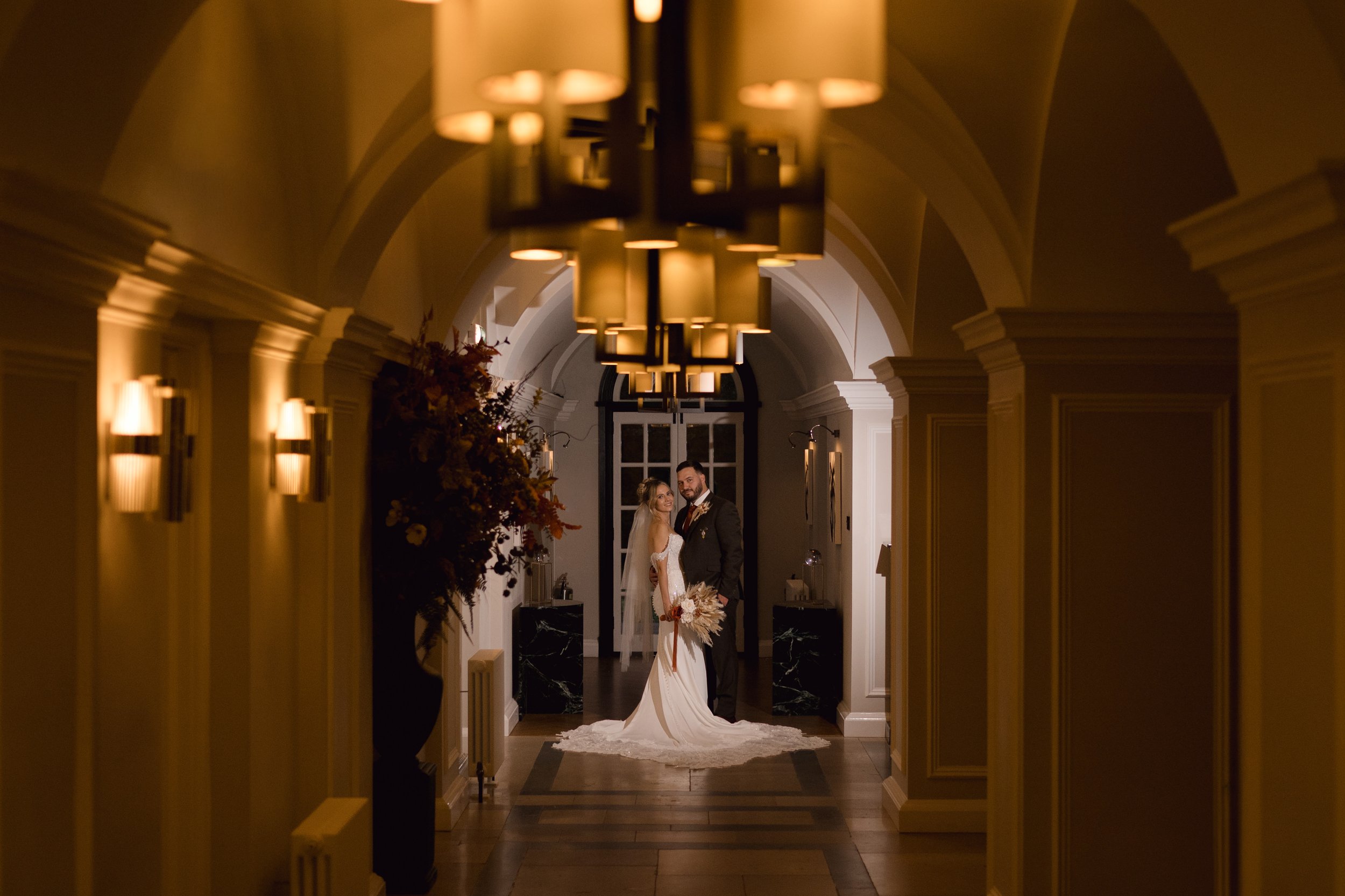
A camera’s price alone doesn’t make it dependable. The answer to whether modern cameras are reliable for professional use is yes: in 2026, most models come close to meeting demanding professional criteria. Their dependability still rests on choosing a camera suited to the work, understanding its limits and handling it with care.
It’s reasonable to expect equipment to perform when an important moment cannot be repeated. Weather sealing, durable construction and responsive autofocus all matter, but their importance depends on the assignment: weddings, wildlife shoots and studio portraits place different demands on a camera and photographer.
This guide explains how to assess those demands, compare camera types and evaluate features such as image backup, burst performance and stabilisation. It also considers professional skill, so you can judge reliability by how well the whole camera system supports your work, not by specifications alone.
Key Takeaways
Match weather protection and build quality to the conditions you photograph in, rather than treating sealing as a guarantee against every hazard.
Choose a camera system around the demands of your work: wedding moments, wildlife reach and landscape detail call for different strengths.
Assess autofocus by how well it acquires and tracks the subjects you photograph, not by feature lists alone.
Compare mirrorless cameras and DSLRs by their performance in your workflow, including handling, battery needs and image backup.
Build familiarity through deliberate practice and feedback so your technique can make the most of the equipment you use.
Table of Contents
Camera suitability for wedding, wildlife and other professional photography
How reliable are modern professional mirrorless cameras compared with DSLRs?
Institute of Wedding Photographers: 4 Day Photography Workshop at Ceconi Castle
Weather sealing and professional handling
Are modern cameras reliable for professional use? In 2026, most models come close to meeting demanding professional criteria, but reliability depends on the assignment and handling. A wedding photographer working outdoors faces different conditions from a studio portrait photographer. Wildlife work may involve rain, dust and frequent movement, making weather sealing and durable construction more important.
There is no single failure rate that describes every professional camera. Common problems include shutter wear, battery or memory-card faults, impact damage, and moisture or dust entering the body. Workload, handling and maintenance all affect risk, so one failure figure cannot represent every photographer’s experience.
Weather sealing helps limit dust and moisture entering through joins, buttons and compartments, but it does not make a camera impervious. At a rainy wedding, keep the camera covered when practical, dry its exterior after exposure, and avoid changing lenses in blowing dust. A protective cover adds a removable barrier. Check the body and lens together, because protection depends on the complete combination.
IP ratings describe protection against dust and water under defined test conditions. They do not measure impact resistance or show that a camera can withstand every outdoor situation. Some manufacturers describe weather sealing without an IP rating, so compare the specific model’s stated protection. If you move from a wet exterior into a warm venue, let your equipment adjust gradually to reduce condensation risk.
Camera optionWeather protectionHandling strengthsSuitable conditions Sealed professional bodyDesigned to limit dust and moisture entryDurable controls for frequent useOutdoor events and demanding assignments Compact sealed bodyProtection varies by modelLower bulk during travelMobile work where size matters Unsealed bodyLess protection from exposureMay suit controlled conditionsStudio or fair-weather use Body with protective coverCover adds a removable barrierCan be fitted as conditions changeOccasional outdoor exposure
Choose for the conditions you face most often, rather than an extreme scenario you rarely encounter.
Handling also affects durability. Use a secure strap while moving, store the camera in a padded bag between locations, and avoid placing it on wet or gritty surfaces. A grip can improve control with heavier lenses, while customisable buttons make key settings easier to reach during a fast-moving ceremony.
Before an assignment, inspect the body, lens mount, battery compartment and card door. After outdoor work, remove visible dust with suitable cleaning tools and dry the camera before storage. When weighing options, ask: are modern cameras reliable for professional use? A well-matched camera, careful handling and routine checks all support dependable performance.
Camera suitability for wedding, wildlife and other professional photography
Professional suitability depends on the assignment, not a particular sensor format or camera label. Wedding, wildlife and studio work each place different demands on resolution, speed, handling and image protection.
Professional Mirrorless Cameras and DSLRs
Modern mirrorless cameras and DSLRs can both support professional work; the practical differences lie in their features and handling. For a wedding, compare image backup options, burst buffer and the ability to send files to a laptop or tablet while shooting. For wildlife, consider reach, stabilisation and sustained burst performance alongside the lenses available for the system.
Micro Four Thirds, APS-C and full-frame systems can all be used professionally. Micro Four Thirds can offer extra reach, while in plentiful light, images from different formats can be difficult to distinguish. Choose a format based on purpose, lens options and working conditions, not sensor size alone.
Professional Service and Warranty Support
No brand guarantees the best service or warranty support for every photographer. Compare the terms for the specific Canon, Nikon, Sony or Fujifilm body you are considering, including repair access, warranty coverage and support for professional use. Those details matter more to a working photographer than a brand’s general reputation.
For a wedding assignment, consider what you would do if the primary body needed attention before your next booking. Service arrangements are one part of a wider reliability plan, alongside compatible backup equipment and a workflow that protects captured files.
Memory Cards and Dual-Card Recording
Memory cards are removable components, so reliability depends on their condition, compatibility and handling. A camera with dual-card recording can write images to a second card as you shoot, creating an immediate duplicate instead of relying on one card alone.
Professional cameras should support image backup during shooting, through a second storage slot or instant offloading to another system. For example, a photographer can send files to a laptop or tablet while working, where the setup allows it. Keep the original card untouched until you have checked the copied files.
Backup equipment reduces the impact of a single fault. For a wedding photographer, a compatible second camera body and essential lenses provide a way to continue if the main body or a lens fails. Wildlife photographers may prioritise a spare battery, extra cards and equipment suited to their location. Even a compact kit can protect the assignment if each item addresses a specific failure risk.
Before a shoot, confirm that cards are formatted in the camera, batteries are charged and backup settings suit the assignment. For a fast-moving event, test dual-card recording and file transfer before guests arrive. The right balance of resolution, detail, portability and backup depends on the images your work needs to deliver.
Professional skill versus camera equipment
A professional photographer is defined by earning income from photography skills, not by owning a particular camera. A full-frame body, an APS-C camera or a phone does not establish professional competence on its own. The photographer’s judgement determines how equipment is used to meet a brief, manage light and deliver purposeful images.
Camera familiarity is a practical reliability factor. A photographer who knows the controls can change exposure, focus mode and file format without losing attention to a changing scene. Before a paid assignment, practise those adjustments on the camera you will use, including how to start and stop video recording. Familiarity reduces avoidable handling errors, though it cannot prevent mechanical or electronic faults.
Consider a wedding photographer working in a dim ceremony room. The camera needs appropriate exposure and focus settings, but the photographer must also anticipate movement, choose a suitable position and respond to changing light. Reliable results come from combining equipment capability with decisions made in the moment. The same applies to wildlife: a camera may offer fast continuous shooting, but subject prediction and timing determine whether the sequence captures the decisive action.
Technical skill also shapes the image after capture. A photographer who understands shutter speed, aperture and ISO can balance motion, depth of field and available light. For example, a portrait photographer can choose a wide aperture to separate the subject from a distracting background, then adjust exposure to preserve detail. Careful processing supports the intended look; it cannot restore focus or detail missed during capture.
Comparisons of the same scene photographed with a mobile phone, a Micro Four Thirds camera and an APS-C Nikon camera found that viewers could barely tell the images apart. This shows why sensor format alone is an incomplete measure of professional quality. Lens choice, lighting, composition and the final viewing context all influence the result. Professionals also use Micro Four Thirds, APS-C and film cameras for portraits, events, sport and documentary photography.
Use a deliberate practice routine with your own equipment:
Set up the camera for a real task, such as photographing a moving subject indoors.
Review focus, exposure and composition on a larger screen, then identify what needs adjustment.
Repeat the task using a different focus mode or exposure setting, and compare the files.
Practise transferring images and checking the final footage if the assignment includes video.
Build confidence through evidence, not assumptions about a camera’s reputation. An extra battery and a tested card help prepare for a long assignment, while technique helps you use that equipment effectively. Reliable professional work depends on both: choose tools suited to the brief, then develop the skills to use them consistently.
Autofocus and subject tracking
Autofocus reliability depends on the subject, light, lens and settings working together. At a wedding, a camera may need to shift focus from a couple to a moving guest. For wildlife, it must keep attention on an animal moving against a changing background. Subject detection can help identify what to focus on, but the photographer still chooses the focus area and responds as the scene changes.
Detection and tracking are related, but not identical. Detection identifies a subject or feature, such as a person or eye. Tracking attempts to keep focus on that subject as it moves through the frame. In practice, a guest crossing between the camera and a couple can interrupt tracking. Test the camera with similar movement, then adjust the focus area or reacquire the intended subject.
Lens choice also affects the result. A camera body cannot compensate for a lens that focuses too slowly for the subject’s movement or struggles in the available light. Before an event, test the body and lens together in conditions similar to the assignment. For example, photograph someone walking towards you indoors, then review whether focus stays on the intended subject throughout the sequence.
Burst rate can help capture a brief expression or movement, but frame rate alone doesn’t prove reliable autofocus. The Canon EOS R6 Mark II can shoot at up to 40 frames per second using its electronic shutter, while the Sony A1 can reach up to 50 frames per second with its electronic shutter. Those figures describe capture speed, not a guarantee that every frame will be sharply focused.
Run a short field test before relying on a new focus setup:
Choose a moving subject, such as a person walking across the frame.
Try subject detection with a focus area that suits the subject’s position.
Repeat the movement in different light, then inspect focus across the sequence.
Change one setting at a time, so you can judge its effect clearly.
That review can reveal whether the camera loses the subject, focuses on the background or responds too slowly. Image stabilisation may help with handheld or low-light shooting, but it does not freeze subject movement. A slow shutter speed can still blur a dancer or running animal, even when stabilisation steadies the camera.
For professional work, plan for focus errors as well as equipment faults. Set a shutter speed suited to the subject, check focus during breaks and protect captured files with the camera’s available storage workflow. A second card or immediate offloading can preserve images, but neither can sharpen an out-of-focus frame. Consistent testing helps you understand how detection, lenses and technique work together before a critical moment.
How reliable are modern professional mirrorless cameras compared with DSLRs?
In 2026, most cameras come close to meeting the professional criteria discussed in this guide. That doesn’t mean every mirrorless body or DSLR performs identically. Reliability depends on how each camera handles the work, how familiar its controls feel, and how its features support the photographer’s workflow.
A professional mirrorless camera can offer a large buffer for fast bursts, image stabilisation and connectivity for sending images to a laptop or tablet while shooting. Some models also support backup during capture through a second card slot or instant offloading. These features can help at a wedding, where the photographer may need to capture fleeting moments and manage files at the same time.
A DSLR may suit a photographer who values an optical viewfinder and already knows the camera’s controls. Familiarity can make menu changes and exposure adjustments more instinctive during a live assignment. That is a practical advantage, not proof that DSLRs are inherently more reliable. The key question is whether the camera supports the photographer’s tasks without adding avoidable friction.
Assess both formats against the same working criteria. Compare each body’s shutter reliability, buffer capacity, image backup options, autofocus behaviour and connection methods. Then consider the complete camera system: suitable lenses, batteries, memory cards and your established workflow. A body with impressive specifications may be a poor fit if its controls slow down a familiar routine.
Power management matters during long assignments. A wedding photographer using a mirrorless camera can plan battery changes around natural breaks, while a DSLR user can also encounter power or card issues. Carrying compatible spares and practising changeovers helps avoid missed moments. Compare how each complete kit performs over the actual length and pace of the job.
Before choosing between systems, test both in a realistic assignment:
Photograph moving subjects and review focus consistency across a burst.
Check whether the camera can back up images as you work.
Try sending files to a laptop or tablet using your intended setup.
Assess grip, button placement and menu access with the lenses you use.
For example, a photographer covering a ceremony could practise switching from a wide scene to a close portrait without losing track of the action. The camera that makes those transitions easier may be the stronger professional choice, regardless of format.
Mirrorless cameras and DSLRs can both support professional photography when their capabilities match the assignment. Choose by testing the complete system, including handling, file protection and familiarity, rather than assuming one design guarantees greater reliability.
Institute of Wedding Photographers: 4 Day Photography Workshop at Ceconi Castle
Institute of Wedding Photographers offers a practical next step if you want to develop your wedding photography skills alongside equipment knowledge. The 4 Day Photography Workshop at Ceconi Castle is a learning opportunity for photographers seeking to strengthen their approach to professional work. If you’re building a body of wedding images, the Wedding Photography Portfolio Builder Workshop supports that stage of your development, while the Wedding Photography Mentorship Program offers a route for continued learning.
Training can help you assess equipment in real working contexts, refine your technique and make considered decisions about your professional direction. Explore learning options that fit your current goals, whether you are building experience or developing an established practice.
Visit instituteofphotographers.co.uk to explore learning opportunities from the Institute of Wedding Photographers.
Build confidence through your next assignment
If you are asking whether modern cameras are reliable for professional use, turn that understanding into consistent practice. Choose an upcoming assignment and define what success requires: the images you need, the working conditions and the decisions you will need to make under pressure. Then practise with your current equipment and review the results carefully.
This process can reveal where your skills need strengthening, whether you are developing your portfolio or refining your business approach. Structured learning and thoughtful feedback can help turn technical knowledge into considered professional judgement. Progress comes through deliberate work, not simply replacing equipment.
If you’d like to develop your wedding photography practice, explore learning opportunities with the Institute of Wedding Photographers. Contact the Institute of Wedding Photographers to take a considered next step in your development.
With practice and clear direction, you can keep building a body of work that reflects your creative judgement and professional standards.
Frequently Asked Questions
What is the typical shutter life rating of professional cameras?
There is no single shutter life rating for every professional camera; the figure is specific to each model. Treat a manufacturer’s shutter rating as a durability benchmark, not a guaranteed lifespan or a date when failure will occur. A photographer shooting frequent bursts will accumulate actuations faster than someone taking fewer frames. Before buying a used body, consider its recorded shutter count alongside its condition and service history.
How reliable are camera autofocus and subject tracking in demanding conditions?
Modern autofocus can track subjects effectively, but performance varies with light, contrast, subject movement and obstructions. At a dim reception, a dark suit against a dark background may give the system less detail to detect than a brightly lit face. For demanding work, customise focus behaviour for the subject, then review a short sequence at magnification. This reveals whether focus consistently lands on the intended detail, rather than merely appearing sharp on the camera screen.
How well do professional cameras perform in rain, dust, cold and heat?
Professional bodies are built for regular use, but exposure limits vary by model and lens combination. Rain can reach openings during prolonged exposure, while dust may enter during lens changes. In cold weather, keep spare batteries insulated and let the camera warm gradually before opening its bag indoors to reduce condensation risk. In heat, shade equipment between shots and avoid leaving it in a parked car. Use protective covers when conditions call for them.