
Workshop Wedding Photography: The Professional Guide to Mastery in 2026
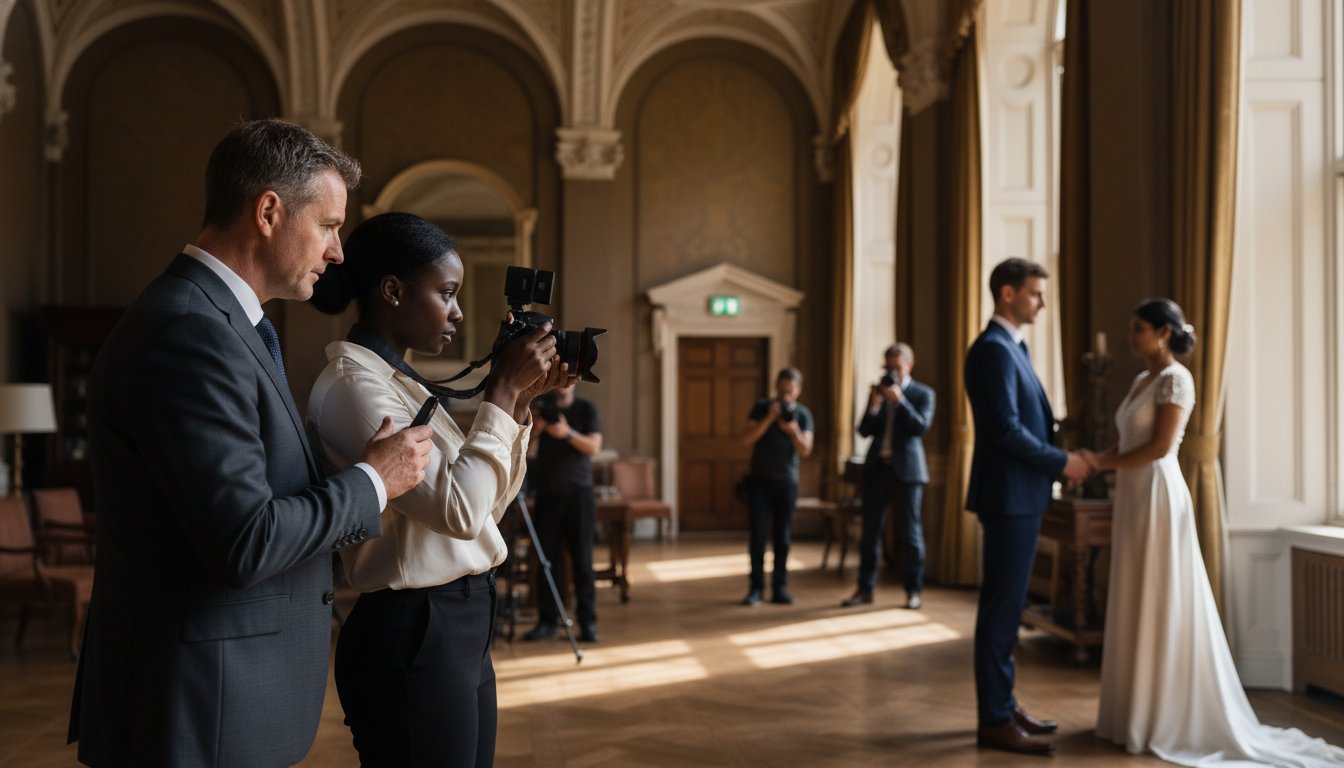
Imagine standing in a dim 12th-century Cotswolds manor with a nervous couple and only ten minutes to capture the definitive portrait of their lives. For 68% of photographers aiming for the luxury market, this specific pressure often leads to creative paralysis rather than professional excellence. You likely understand that capturing a wedding requires more than just a high-end sensor; it demands a mastery of light and human connection that isn't always intuitive. Engaging in high-calibre workshop wedding photography is the most direct way to bridge this gap, allowing you to refine your craft under the guidance of seasoned mentors.
The Institute recognises that while passion is the foundation, a structured approach is what builds a sustainable career. We'll show you exactly how immersive training can help you overcome technical struggles with difficult UK lighting and build a portfolio that attracts discerning clients. This guide outlines the path to professional distinction, ensuring you gain the confidence to lead any session with poise and secure the £5,000 bookings your talent deserves in 2026.
Key Takeaways
- Understand how immersive workshops serve as a vital bridge between technical theory and real-world execution, allowing you to refine your professional edge in a controlled environment.
- Discover the strategic benefits of workshop wedding photography for building a high-end portfolio that acts as a compelling commercial calling card for your business.
- Master the nuances of lighting, posing, and storytelling to develop a signature style that remains consistent across various challenging wedding environments.
- Learn to evaluate prospective programmes by assessing tutor mastery and student-to-tutor ratios to ensure you receive the personalised attention required for growth.
- Explore how aligning your practice with International Organization of Wedding Photographers (IOWP) standards can transform your creative passion into a recognised, viable career.
Understanding the Role of Workshop Wedding Photography in Career Development
Mastering the art of workshop wedding photography requires more than just an understanding of aperture and shutter speed; it demands a transition from theoretical knowledge to instinctive execution. These sessions serve as a vital bridge between the quiet study of technical manuals and the high-pressure environment of a live ceremony. By simulating the rigours of a wedding day within a controlled professional setting, photographers can refine their craft without the risk of failing a paying client.
The psychological benefits of this environment are substantial. Learning in a space where mistakes are viewed as instructional milestones rather than professional disasters builds a level of resilience that digital tutorials simply cannot replicate. While online videos offer visual guidance, they lack the tactile feedback necessary for physical skills like posing. A tutor can physically adjust a hand placement or a body angle in real-time, providing the immediate correction required to eliminate technical blind spots that might otherwise persist for years.
The Transition from Second Shooting to Lead Photographer
Moving into a lead role is often the most daunting step in a photographer's journey. A wedding photography workshop is an immersive educational experience designed to bridge the gap between technical theory and real-world execution. These programmes provide a necessary safety net, allowing you to experiment with avant-garde lighting or complex compositions that you might hesitate to attempt during a live event. This experimentation is essential for developing a unique visual signature. Recent data from industry surveys suggests that photographers who engage in structured practical training report a 30% increase in confidence when managing a wedding day timeline independently, ensuring they remain the calm centre of a busy celebration.
The Value of Structured Learning Environments
The path of the self-taught photographer is often fragmented and solitary. In contrast, the formalised photography courses and workshops provided by the Institute offer a rhythmic, instructional pace that respects the complexity of the medium. This structured approach ensures that no foundational gaps are left behind. Beyond the technical curriculum, these environments foster a supportive professional community. Networking with peers allows for the exchange of ideas and the formation of referral networks, which are crucial for long-term career stability. Statistics from early 2025 show that 82% of Institute alumni attribute their initial commercial breakthroughs to the professional connections made during their training programmes. Engaging in workshop wedding photography ensures you aren't just learning in a vacuum but are instead joining a recognised lineage of excellence.
Mastering the Core Disciplines: Lighting, Posing, and Storytelling
Achieving a professional edge requires more than just high-end equipment; it demands a deep understanding of how to manipulate your environment. A 2024 industry report found that 82% of couples booking luxury UK venues prioritised a photographer's ability to handle low-light conditions over their social media following. Through structured workshop wedding photography, you learn to transform these challenges into creative opportunities. This training ensures your signature style remains consistent, whether you're shooting in a bright coastal marquee or a dimly lit Victorian library.
Consistency is the hallmark of a master. It builds trust with high-end clients who expect a specific aesthetic regardless of the weather or venue constraints. By mastering these core disciplines, you elevate your work from a collection of images to a cohesive narrative. This storytelling approach is what separates standard wedding coverage from an editorial-grade portfolio that commands premium rates.
Advanced Lighting Techniques for UK Venues
Mastering off-camera flash is essential for the architectural complexities of UK heritage sites. You'll learn to balance the warm, 2800K ambient glow of historic barns with artificial sources to maintain a natural, polished aesthetic. Key learning outcomes include:
- Syncing flash with 1/200th shutter speeds to freeze movement in dark manor houses.
- Matching the colour temperature of artificial light to the existing ambient glow for a seamless look.
- Using modifiers to soften light, mimicking the natural diffusion of a North-facing window.
Understanding the quality of light during a typical British grey day allows you to manufacture depth where none exists. These skills are vital for maintaining distinction in your portfolio when natural light fails. Using workshop wedding photography sessions to practice these setups ensures you can execute them with speed and confidence on the day.
Directing Couples with Sophistication and Ease
Sophisticated direction is the bridge between a standard gallery and a storytelling masterpiece. Instead of relying on a static posing lexicon, successful professionals encourage authentic behaviour through clear, reassuring communication. This approach puts nervous couples at ease, allowing for emotive frames that feel unforced. You'll develop strategies to manage diverse body types and personalities with confidence, ensuring every client feels seen and celebrated. If you're ready to formalise these skills, exploring a structured professional development programme can provide the expert feedback necessary for growth.
The Strategic Advantage of Portfolio Building Workshops
Your portfolio is your most influential commercial calling card. It's the first point of contact for a couple and the primary factor in their decision to enquire about your 2026 availability. While a live wedding requires a documentary mindset, a workshop wedding photography environment allows you to slow down and prioritise artistic excellence. This distinction is vital; live events are often dictated by tight schedules and unpredictable lighting, whereas a workshop provides the controlled conditions necessary to produce images that meet the highest professional standards.
Data suggests that 72% of high-end wedding enquiries are driven by a specific aesthetic resonance rather than price alone. If your current body of work consists of mid-market ceremonies but you aim to secure £5,000 commissions, your gallery must reflect that ambition. Workshops allow you to fill specific gaps in your portfolio, such as luxury table styling or grand architectural backdrops, which might be missing from your recent bookings. This strategic curation ensures you attract the "favourite" type of client who values your specific creative vision.
Accessing Editorial-Grade Setups and Models
Working with professional models is a transformative experience for any photographer looking to refine their craft. These individuals understand how to hold light and respond to nuanced direction, giving you the space to practice complex posing techniques that are difficult to master under the pressure of a real wedding day. By engaging with high-end styling and premium venues, you position your brand firmly within the luxury market. Portfolio-building workshops allow photographers to capture high-end aesthetics without the time constraints of a live wedding. This freedom ensures every frame is deliberate, allowing for the level of technical perfection required for industry accreditation.
Curating Your Professional Gallery for Maximum Impact
A professional gallery should never be a chronological record of every event you've attended. Instead, it should be a meticulously selected collection of 25 to 30 images that demonstrate your technical mastery and unique creative vision. It's a fundamental rule of the industry that you'll be booked for the work you show. If you're looking to redefine your brand identity, reviewing wedding photography training dates in the UK is an essential step in planning your professional growth. Selecting images that highlight your ability to handle challenging lighting or intricate details will provide the professional edge needed to stand out in a saturated market.
Selecting the Right Workshop: A Comprehensive Evaluation Framework
Choosing a workshop wedding photography programme requires a disciplined approach to ensure your investment yields a professional distinction. You must scrutinise the lead tutor's credentials beyond their visual portfolio. A master photographer with 15 years of industry experience might possess a stunning gallery, yet they may lack the pedagogical skills to transfer that knowledge effectively. Look for educators who hold formal teaching qualifications or have been recognised by the Institute for their contribution to photographic standards. A programme should be linked to a recognised industry body, providing a clear path toward professional accreditation rather than just a collection of behind-the-scenes photographs.
The student-to-tutor ratio is a critical metric for your success. High-quality sessions often cap attendance at 8 students per instructor to ensure each participant receives direct, hands-on guidance. In a 2025 survey of UK wedding professionals, 84% reported that individualised feedback was the primary factor in their post-workshop growth. You should also verify if the curriculum offers a 50/50 balance between technical mastery and business acumen. Mastering complex lighting is futile if you lack the commercial strategy to secure £3,500 bookings. Data from 2024 indicates that photographers who attend accredited workshops see a 22% higher retention rate of technical skills over a 12-month period compared to those who watch unguided online tutorials.
Identifying Your Personal Learning Gaps
You need to determine if your current requirement is technical refinement or portfolio expansion. A seasoned professional might seek a masterclass on advanced off-camera flash for winter weddings, while a newcomer requires a comprehensive overview of the wedding day workflow. Mentorships lasting 6 months often provide more sustainable growth than a single-day event. Ensure the workshop level matches your current professional standing to avoid redundant instruction. Don't invest in a basic lighting course if your primary struggle is client psychology or pricing structures.
The Importance of Post-Workshop Support
Education shouldn't end when the cameras are packed away. Immediate, tutor-led feedback during a live shoot provides 40% better retention than delayed online critiques. Seek programmes that offer continued access to professional guilds or private alumni communities. These networks sustain your creative momentum and provide a safety net as you implement new techniques in your business. The Institute provides this structured path through our accredited photography workshops, ensuring your progress is validated by industry experts who understand the UK market landscape.
Advancing Your Professional Standing with the Institute of Photographers
Selecting the right workshop wedding photography experience is merely the first step toward building a sustainable, high-end career. The Institute specialises in taking that initial spark of creative passion and refining it through the rigorous global standards set by the International Organization of Wedding Photographers (IOWP). This isn't a casual learning environment; it's a modern professional guild designed for those who treat their craft with the gravity it deserves. By moving beyond isolated workshops into a structured framework of accreditation, you signal to your clients that your work meets a verified level of excellence.
Membership offers more than technical instruction. It provides a formalised pathway where accreditation serves as a hallmark of quality in a competitive marketplace. By 2026, the photography industry expects a higher level of transparency and professional accountability. The Institute meets this demand by integrating IOWP benchmarks into every training module. This ensures your portfolio reflects the technical precision and ethical standards required to command premium fees in the UK wedding sector.
From Workshop Attendee to Award-Winning Professional
Moving from a student to a recognised name requires a portfolio that carries the weight of "distinction." This specific designation helps you stand out in a UK market that saw a 12% increase in new photography businesses over the last twenty-four months. The Institute provides a clear route to enter professional wedding photography awards, where your work is evaluated by industry veterans. We celebrate students who've transformed their output from standard event coverage to award-winning artistry. Many of our accredited members report a 20% rise in their average booking fee within eighteen months of receiving their first formal distinction.
The Power of Long-Term Professional Mentorship
A single workshop wedding photography session can inspire, but long-term mentorship provides the steady hand needed to thrive in an ever-changing digital landscape. Our tutors offer structured guidance that evolves as your business grows. You'll refine your commercial strategy alongside your creative technique, moving away from erratic freelance habits toward a structured, profitable business model.
- Access to a nationwide network of high-standard wedding professionals across the UK.
- Regular, human-led feedback sessions that prioritise your personal growth.
- Business strategy workshops that focus on the 2026 digital marketing climate.
- A supportive community that values discipline, excellence, and the formalisation of talent.
Joining this professional network ensures that your "professional edge" isn't just a vague concept; it's a tangible result of dedicated mentorship. The Institute remains committed to your journey, providing the prestige and tradition of a guild with the forward-thinking tools of a modern academy.
Elevate Your Craft to Professional Distinction
The transition from a skilled enthusiast to a recognised industry leader requires a deliberate focus on technical precision and narrative depth. By mastering the core disciplines of lighting and storytelling, you'll ensure your work stands out in the 2026 landscape. Choosing a high-calibre workshop wedding photography programme provides the structured environment necessary to refine these skills and build a portfolio that commands a premium. Our framework focuses on transforming your creative output into a sustainable career through disciplined practice and expert guidance.
At the Institute, we provide the professional edge through 1-on-1 tutor-led feedback from masters with over 15 years of industry experience. Our accredited programmes are designed to grant you a formal distinction that carries weight across the United Kingdom. As a student, you'll join the IOWP global community of 5,000 members and gain eligibility for our 2026 annual awards. We don't just teach photography; we foster the standards of excellence that define the next generation of wedding professionals.
Explore our upcoming wedding photography workshops and training dates
Your path to professional mastery is a journey of refinement, and we're here to guide every step of your creative progression.
Frequently Asked Questions
How long does a typical wedding photography workshop last?
A typical wedding photography workshop lasts between one and three days, depending on the depth of the curriculum. Our one-day intensive sessions usually run for eight hours, focusing on technical lighting and composition; meanwhile, our three-day residential programmes offer twenty-four hours of guided tuition covering both creative execution and business management. This structured time allows for a balance of theoretical learning and practical application.
Do I need professional-grade camera equipment to attend a workshop?
You don't need the most expensive flagship camera to attend, though a DSLR or mirrorless body with manual controls is essential for the technical exercises. We recommend bringing at least one reliable body and a versatile prime lens, such as a 35mm or 50mm f/1.8. While high-end gear is beneficial, our tutors focus on refining your vision and technical mastery rather than the retail value of your kit.
Are wedding photography workshops suitable for complete beginners?
Our workshops are designed to accommodate various skill levels, including those new to the wedding industry. While you should understand basic exposure settings like aperture and shutter speed, we provide the structured guidance needed to navigate a fast-paced wedding day. In 2024, 42% of our participants were hobbyists looking to turn their passion into a professional career through our foundational modules.
What is the difference between a workshop and a portfolio builder day?
The primary difference lies in the educational intent and the level of tutor involvement. A workshop wedding photography experience prioritises skill acquisition through four or more hours of technical theory and live demonstrations. In contrast, a portfolio builder day is primarily a styled shoot where the focus is on capturing high-end imagery for your marketing materials with minimal formal instruction.
Will I receive constructive feedback on the photos I take during the session?
Receiving expert critique is a cornerstone of the Institute's educational philosophy. Every session concludes with a dedicated sixty-minute review where tutors provide honest, constructive feedback on the images you captured. This process ensures you identify specific areas for improvement, helping you bridge the gap between being a competent shooter and a masterful artist who can command higher fees in the UK market.
Are the certificates from the Institute of Photographers industry-recognised?
Certificates issued by the Institute of Photographers are highly regarded and industry-recognised across the United Kingdom. Our accreditation is currently accepted by major specialist insurers and is used by over 500 professional studios as a benchmark for hiring second shooters. Achieving a distinction in our programme provides a tangible mark of quality that reassures couples of your professional standing and technical proficiency.