
Wedding Photography Workshop: Build Your Portfolio and Professional Skills
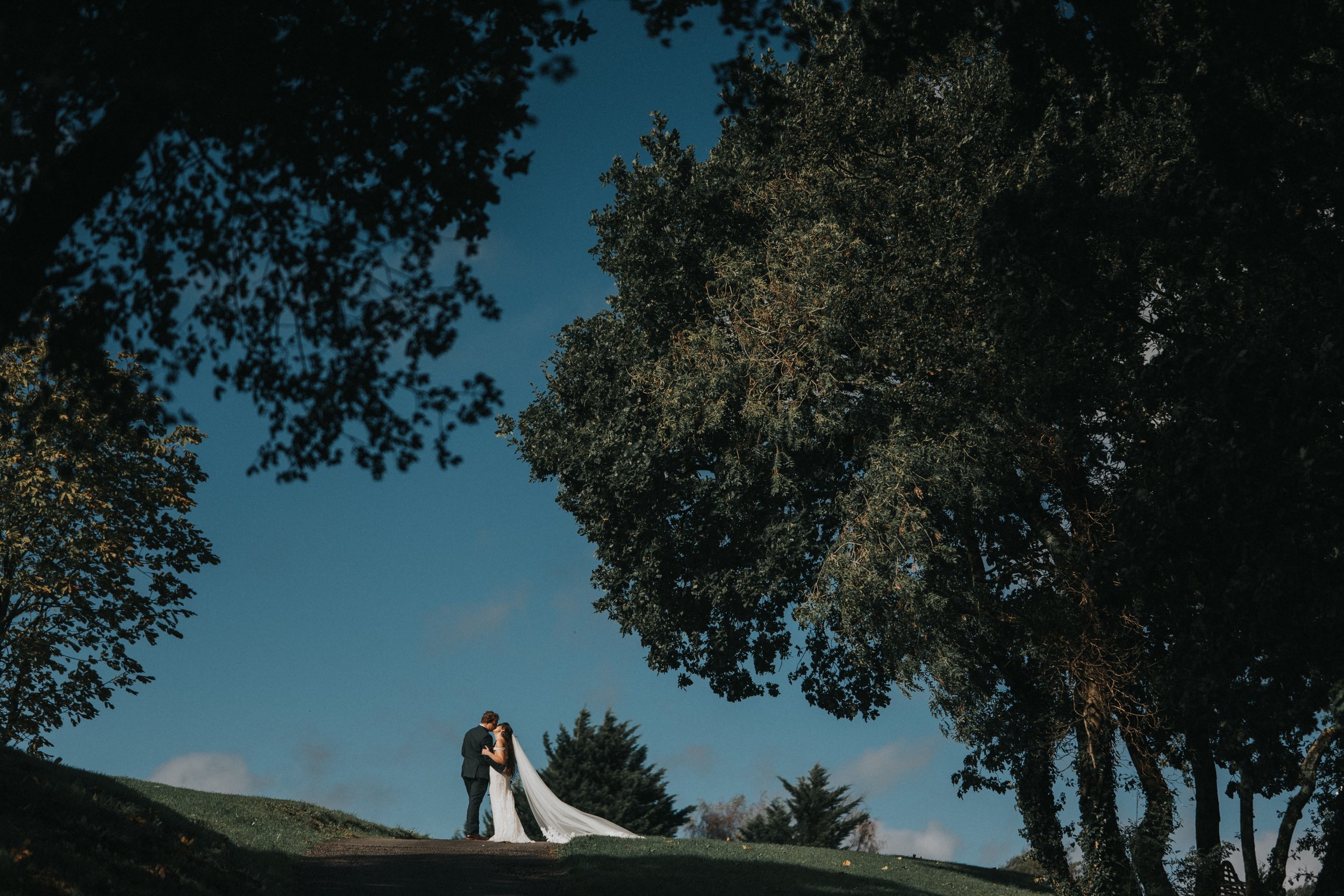
If you’re searching for a wedding photography workshop london photographers can use to build practical skills, look for more than technical instruction. A useful session gives you supported practice directing couples, making decisions in the moment and developing confidence around people. It should also give you a chance to receive individual feedback and create images that reflect the work you hope to pursue.
The strongest learning connects photography practice with thoughtful critique and professional development. At the Institute of Wedding Photographers’ Wedding Photography Portfolio Builder Workshop, groups are limited to around five participants maximum. You practise with professional models who sign releases, and the images belong to participants. Resale or magazine publication requires the Institute’s explicit written consent. This guide explains what hands-on training can help you practise, how to understand image-use conditions and how to weigh creative tuition alongside business skills. Whether you’re building your first portfolio or refining an established approach, you’ll find practical criteria for choosing training that supports your development.
Key Takeaways
Use guided practice to develop observation, posing, composition and lighting judgement, rather than relying on tutorials alone.
Compare a wedding photography workshop by its learning goal, practice style, feedback and the next step it supports.
Set a clear practice goal before attending and bring a camera. Recommended lens combinations are 35mm or 24-70mm plus 85mm or 70-200mm, or similar.
Review your images afterwards and use what you learn to shape a focused portfolio development plan.
Pair creative progress with business learning in areas such as branding, SEO and client acquisition.
Table of Contents
What a wedding photography workshop should help you practise
How practical training develops wedding photography technique and judgement
What a wedding photography workshop should help you practise
A wedding photography workshop gives you structured, practical learning: time to practise skills used in wedding settings, receive guidance and reflect on your decisions. A workshop is focused practice with feedback; mentorship is longer-term guidance as your skills and professional direction develop.
Wedding photography asks you to do more than operate a camera. You need to observe interactions, respond to changing moments and make considered choices about composition, light and timing. The breadth of Wedding photography helps explain why relevant practice matters: technique and storytelling work together. Look for purposeful exercises that help you make and review images, rather than a session that offers only a different setting.
Who can benefit from hands-on wedding photography training?
Beginners can use guided exercises to become more comfortable giving direction, communicating with people and making images as a scene unfolds. If you’re developing a portfolio, practise creating a consistent set of photographs, then assess which images support the style of work you want to pursue.
Established photographers may have a more specific aim, such as improving off-camera flash, refining couple direction or strengthening a documentary approach. Participants bring different experience and priorities, so useful training lets you apply shared instruction to your own goals. You don’t need a university degree to become a wedding photographer. Practical development, thoughtful review and continued learning all have a place in building a professional practice.
What makes a workshop meaningfully practical?
Look for a clear sequence: a tutor introduces a technique, participants put it into practice, and there is time to discuss the choices behind the images. For example, photograph a couple in a posed arrangement, then try a less directed approach. Compare how framing, expression and connection change. The value lies not only in taking pictures, but in understanding what you would adjust next time.
Practice with professional models can help you work on posing, communication and visual consistency in a planned environment. It is different from photographing an actual wedding, where moments, timings and circumstances unfold beyond your control. A workshop can build relevant foundations, but it is not a substitute for experience at a live event.
Judge the learning by the quality of the practice and feedback, not duration alone. After a useful session, you should be better able to select images intentionally, explain why certain frames work and identify a specific skill to develop next. The aim is not to leave with every challenge solved. It is to leave with stronger technique, a more discerning eye and a practical direction for continued progress.
How practical training develops wedding photography technique and judgement
Strong wedding images come from a series of deliberate choices: what to notice, where to place a couple, how to frame the scene and how to work with available light. In a guided setting, you can practise each choice, review the result and see how a small adjustment changes the photograph. This strengthens your ability to adapt when a real scene doesn’t match what you expected.
Practising light, posing and composition
Working with professional models gives you space to practise clear, considerate direction. Instead of relying on vague prompts, decide what you want the couple to do and communicate one instruction at a time. Notice how their posture, expressions and connection change, then adjust your position to find a composition that feels natural and purposeful.
Light offers another useful focus. A natural-light exercise can help you notice how changing position affects the face, background and mood. Off-camera flash is a distinct learning goal: you need to consider how added light contributes to the scene. Treating these as separate exercises makes it easier to understand the decision behind an image, rather than copying a camera setting that may not suit different conditions.
Practical feedback turns individual photographs into transferable judgement, helping you recognise why an image works and make informed choices in new situations. Review more than whether a frame is technically sound. Ask what draws the eye, whether the light supports the feeling of the moment and whether the composition gives the couple space to connect.
Turning a shoot into useful portfolio learning
After a shoot, don’t select only the most striking individual frames. First consider variety: does the group show different compositions and interactions? Then consider consistency: do the photographs sit together in tone and visual approach? Finally, assess relevance. If you want to attract clients who value natural, connected images, your selection should communicate that intention.
Use feedback to identify gaps. Perhaps you have several close portraits but few wider frames that establish context, or the images vary in style. This review helps you decide what to practise next and makes portfolio-building a considered process rather than a collection of favourites.
Workshop photographs can support your portfolio, subject to important usage conditions. The images belong to participants, but resale or magazine publication requires the Institute of Wedding Photographers’ explicit written consent. For a reference point when assessing how photographs work together, explore the Institute’s wedding photography gallery alongside your developing selection.
Creative development is one part of a wider professional practice. The Professional Photographers of America (PPA) provides education and resources for photographers, illustrating how continued learning can extend beyond technique. A wedding photography workshop london can be one step in that process, connecting deliberate practice with stronger portfolio decisions and a clearer professional direction.
How to compare wedding photography workshop formats
The right format depends on the skill you want to develop and what you need to do with that learning afterwards. A workshop may focus on building a portfolio, strengthening a particular technique, developing business knowledge or providing continuing guidance. These options serve different purposes, so none is automatically the best choice for every stage of a career.
Use the comparison below to connect your current priority with the kind of learning that can address it.
Learning goalPractice styleFeedback focusLikely next step Build or refine a wedding portfolioGuided wedding-style image-making, including practice with modelsImage selection, visual consistency and portfolio relevanceCurate a coherent body of work and identify gaps Address a technical challengeFocused exercises, such as practising off-camera flashHow technical choices shape the image and suit the conditionsApply and repeat the technique in personal practice Strengthen business knowledgeLearning centred on the professional side of photographyHow creative work connects with business decisionsDevelop areas such as branding, marketing or client acquisition Progress with ongoing guidanceContinuing development through mentorshipHow skills and professional direction evolve over timeSet and review longer-term development goals
Portfolio-building workshop or technique-focused training?
Start by reviewing your current portfolio. If you have limited wedding-style work, or your images don’t yet show the approach you want to be known for, portfolio-building practice can help you make work with a clear purpose. If your portfolio feels strong but a specific technical challenge limits your results, focused training may be a more direct fit. You could, for example, concentrate on off-camera flash rather than trying to address every aspect of wedding coverage at once.
These formats aren’t substitutes. Technical training can improve how you make an image, while portfolio practice helps you develop and assess a wider selection. Your priorities may call for one first, then the other.
Short workshop or ongoing mentorship?
A workshop offers concentrated learning around a defined area, with practical activity and feedback you can carry into your next practice session. Mentorship suits photographers who want continuing development and guidance as questions arise over time. Business learning has a separate focus: it helps connect photographic skill with the work of building a professional practice.
The Institute of Photographers brings practical training together with photography and business learning. Explore its photography courses and workshops to compare formats by subject and learning aim. Before choosing, write down one outcome you can recognise, such as a stronger set of portfolio images, more confident flash use or a clearer plan for attracting clients. This keeps the format aligned with your next step.
How to prepare for a wedding photography workshop
A little preparation helps you use practical learning time with purpose. Decide what you want to improve, choose camera equipment that suits that goal and arrive ready to experiment rather than repeat familiar habits. After the session, review your photographs against the aim you set. This simple sequence helps you identify what you learnt and what to practise next.
What camera and lenses should you bring?
Participants must bring a DSLR or mirrorless camera. Recommended lens combinations are 35mm or 24-70mm plus 85mm or 70-200mm, or similar. These options let you work across different compositions, from wider environmental frames to closer portraits.
Before attending, check that you’re comfortable with your camera’s basic controls and know how to review the images you make. You can then focus on the exercise and feedback, rather than spending practice time searching through menus. Keep your aim in mind as you shoot, whether that’s varying your framing or becoming more confident directing a couple.
How may you use photographs made during practice?
Images captured during the workshop belong to the participant. Professional models sign releases, and workshop images may be used in portfolios. Resale or magazine publication requires explicit written consent from the Institute of Photographers. Keep that distinction clear as you select and share your work, and consider how each image supports the portfolio you’re building.
A practical plan can help you make the most of the session:
Define one clear goal. Choose a skill or portfolio gap to focus on, such as giving direction with more confidence or creating a stronger variety of images.
Prepare your camera. Bring a DSLR or mirrorless camera and consider the recommended lens combinations before you arrive.
Stay open to feedback. Try different approaches during exercises and note how changes in your decisions affect the result.
Review with intention. Afterwards, select images that meet your goal, identify what you would refine and set a next practice objective.
Bring a DSLR or mirrorless camera, use the recommended lens combinations as a guide, and remember that resale or magazine publication of workshop images needs the Institute’s explicit written consent. This clarity lets you concentrate on learning while keeping future portfolio use in view. To explore practical development opportunities, view wedding photography workshop options.
Choosing your next step in wedding photography development
A workshop can give you fresh insight, but its value grows when you apply what you learn. Set aside time to review your photographs, note which decisions produced the strongest results and identify where your work still feels inconsistent. Then choose a next step that addresses a real development need, rather than trying to improve everything at once.
Build a progression from practice to professional work
Begin with two priorities: one technical and one related to your portfolio. Your technical focus might be responding more confidently to changing light; your portfolio priority might be adding images that show a consistent approach to couple photography. Turn each into a practical exercise, then review the results against a clear question, such as whether the composition supports the connection you want to convey.
As your photographic skills develop, consider how clients will discover and understand your work. Branding helps communicate your visual approach, while SEO and other marketing activity can help prospective clients find your photography. The Institute of Photographers offers business and marketing support for wedding photographers and videographers, with packages open to everyone who wants to sign up and learn. These skills complement photographic technique and help you build your professional direction.
For guided wedding-style practice and portfolio development, the Institute’s Wedding Photography Portfolio Builder Workshop offers a practical next step. The wedding photography training dates page provides information about training opportunities. A workshop can form part of a broader progression, from building practical confidence to refining a professional identity.
Find a learning format that matches your next goal
Choose a portfolio-building workshop if you want to create and review wedding-style images. A focused course may suit you better when you have a specific technical or business subject to develop. If your questions extend across a longer period, mentorship can provide continuing guidance as your experience and professional direction evolve. Let your current priority guide the choice.
Personalised feedback can help you see patterns in your work that are difficult to recognise alone. Pair that guidance with deliberate practice: return to an exercise, test a different approach and assess what has changed. This steady process helps turn new ideas into considered habits, while keeping your portfolio aligned with the work you hope to pursue.
Explore the Institute of Photographers’ workshop and course options to find a learning format that supports your next goal. A clear aim and thoughtful practice provide a sound basis for continued progress.
Take your next step with intention
Progress in wedding photography is built through purposeful decisions about what to learn, what to practise and how you want your work to be recognised. Before choosing a workshop, identify the next question you want your training to answer. It might concern the style you’re developing, the kind of clients you hope to reach or the confidence to take on a new professional challenge.
Let that question guide your choice, then give yourself room to apply what you learn. A considered practice plan can help you make steady progress and shape a professional direction that feels authentic to you. You don’t need every step mapped out; clarity about the next one is a strong place to begin.
Explore learning options with the Institute of Photographers and choose a route that reflects your aims. Explore wedding photography workshops and training, and take the next step in developing your craft with purpose.
Frequently Asked Questions
Do I need professional experience before attending a wedding photography workshop?
No. You can attend while building confidence and developing your wedding photography skills; a university degree isn’t required to become a wedding photographer. Consider what you already feel comfortable doing and where you’d value guidance, such as communicating with couples or noticing strong compositions. This gives you a useful starting point for applying exercises to your experience.
What camera should I bring to a wedding photography workshop?
Bring a DSLR or mirrorless camera. Recommended lens combinations are 35mm or 24-70mm plus 85mm or 70-200mm, or similar. Choose a combination that lets you work with the framing you want to practise, and familiarise yourself with your camera’s essential controls before the session. That way, you can concentrate on photographic decisions rather than learning the interface as you go.
Can I use workshop photographs in my portfolio?
Yes. Images made during practice belong to the participant and can be used in a portfolio. Professional models sign releases for the hands-on practice. There are limits on other uses: resale or magazine publication requires explicit written consent from the Institute of Photographers. Keep that distinction in mind and choose photographs that represent the work you want to pursue.
How many people attend each workshop?
Workshops are limited to around five participants maximum. A small group leaves room for everyone to take part in practical exercises and receive feedback. Make that guidance more useful by arriving with a specific question, such as how to direct a couple who feel unsure in front of the camera. Other participants’ questions can also reveal different ways to approach the same challenge.
Is a wedding photography workshop the same as a mentorship programme?
No. A workshop focuses on practical learning around a defined subject, while a mentorship programme supports development over a longer period. A workshop could help you practise a technique; mentorship may suit you if you want to discuss how your skills and professional direction are progressing over time. Choose according to whether you need concentrated practice or continuing guidance.
Can a wedding photography workshop teach business skills as well as photography?
Yes. Training can connect photographic technique with business development, helping you consider how creative work fits into a professional practice. Business topics may include branding, SEO and client acquisition, alongside learning to make and assess stronger images. If you’re building towards paid work, consider how you’ll communicate your style and reach prospective clients as well as what you want to improve behind the camera.