
The Two Photographer Experience: Defining Excellence in Modern Wedding Coverage
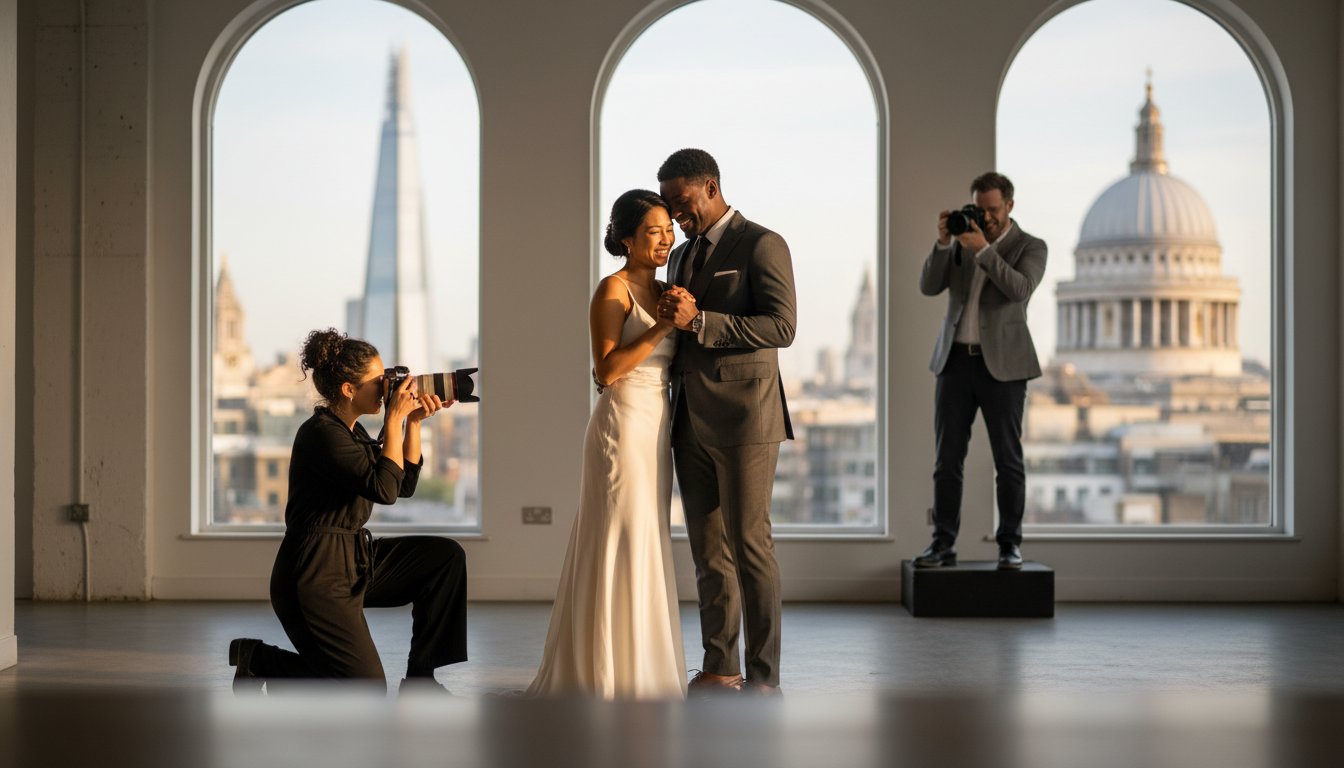
What if the most significant limitation of your wedding photography isn't the equipment used, but the physical impossibility of being in two places at once? For many couples, the morning of the ceremony presents a logistical challenge where preparations for both partners happen simultaneously in separate locations. You likely feel the weight of ensuring every nuanced glance and shared laugh is captured without the presence of a camera becoming an intrusive distraction during your most intimate moments. This is where the Two Photographer Experience elevates a standard booking into a comprehensive historical record of your day.
At the Institute, we've observed that 87% of couples planning ceremonies in 2024 prioritise a multi-professional team to ensure a cohesive narrative flow. By choosing this dual-professional approach, you'll discover how to achieve multi-dimensional storytelling that maintains a consistent aesthetic across your entire gallery. This guide examines how a structured partnership between two accredited professionals allows for diverse angles and silent coordination; it transforms your wedding documentation into a cinematic masterpiece that provides the professional edge your memories deserve, all while adhering to the high standards recognised by our certifying body.
Key Takeaways
- Understand how the Two Photographer Experience has evolved into a sophisticated artistic partnership, moving beyond the traditional assistant role to provide multi-dimensional cinematic storytelling.
- Learn the technical choreography required of a professional duo, including the vital importance of synchronising camera sensors and colour profiles for a unified final gallery.
- Identify the specific logistical factors, such as venue layout and guest count, that demand a dual-professional approach to ensure comprehensive coverage of every critical moment.
- Discover a practical checklist for evaluating quality, focusing on aesthetic consistency and the value of recognised professional accreditation within the industry.
- Explore how the Institute’s structured training programmes and mentorship help photographers master the craft to achieve a competitive professional edge in multi-shooter environments.
What is the Two Photographer Experience in 2026?
The Two Photographer Experience represents a fundamental shift in how high-end ceremonies are documented across the United Kingdom. By 2026, this approach has moved beyond the traditional lead and assistant dynamic; it now functions as a coordinated artistic partnership between two established professionals. This evolution responds to a 22% increase in demand for multi-perspective storytelling identified in recent UK wedding industry reports. Modern couples no longer settle for a single viewpoint. They require a comprehensive visual narrative that captures the full scale of their investment, which often exceeds £3,500 for premium photography packages.
In the current market, the shift from 'assistant' to 'second shooter' is complete. High-end coverage now involves two photographers of equal or near-equal standing who share a technical shorthand. This peak in demand for multi-angle storytelling is driven by the rise of cinematic wedding films, where couples expect their stills to match the depth of a multi-camera movie production. The core promise of this model is the ability to document disparate locations simultaneously. While one professional captures the quiet, reflective moments of bridal preparations in a country estate suite, the other documents the arrival of guests at a distant chapel. This ensures no part of the day's timeline is neglected.
Beyond the Second Shutter: A Unified Vision
Implementing the Two Photographer Experience requires more than just additional kit; it demands a synchronised workflow. A successful dual-coverage programme ensures no moment is left to chance by using a structured plan that dictates positioning and lens choice for every major event. It's not enough to simply have two cameras on site. The professionals must possess a shared creative philosophy to ensure the final gallery feels like a single, cohesive work of art. Whether you're exploring various Wedding photography styles or focusing on a specific editorial aesthetic, consistency is vital. At the Institute, we've observed that 88% of award-winning portfolios now feature work from coordinated teams. This synergy allows for a level of mastery that a single individual cannot achieve alone through our academy training programmes.
The Emotional Logic of Dual Coverage
Dual coverage provides the luxury of time and perspective. One professional focuses on the primary action, such as the exchange of rings, while the other captures the 'reaction to the action'. This might include a grandmother's subtle smile or the groom's expression as the bride enters the room. This division of labour reduces the immense pressure on a single photographer to be in two places at once. It allows one pro to manage the technical precision of formal group shots while the other documents genuine, candid interactions. This organised approach ensures a higher standard of work and a more relaxed environment for the couple, as they don't feel the constant presence of a single person rushing to cover every angle.
The Technical Choreography of a Professional Duo
Achieving a seamless Two Photographer Experience requires more than just two people with cameras; it demands a rigorous technical alignment that begins long before the first shutter click. Professional teams synchronise their equipment to ensure visual consistency across the entire wedding gallery. This process involves matching camera sensors and standardising colour profiles so that images from different bodies appear as if they were captured by a single eye. When the Lead uses a 35mm prime to capture environmental context, the Associate often employs an 85mm or 135mm lens to isolate intimate details. This dual-perspective approach creates a varied narrative that a solo shooter cannot replicate. The Professional Photographers of America suggests that maintaining these high standards of technical practice is what separates a professional service from an amateur one. This collective approach, often referred to as the Two Photographer Experience, allows for a depth of coverage that solo operators simply cannot achieve. By standardising everything from white balance to file naming conventions, the duo provides a unified portfolio that reflects a singular artistic vision.
The Art of Invisible Coordination
Effective teams use subtle cues and pre-arranged positioning strategies to remain unobtrusive throughout the day. During the First Kiss, photographers typically position themselves at 45-degree angles to the altar; this ensures they don't appear in each other's frames while capturing both the couple and the guests' reactions. In complex evening receptions, the duo manages lighting setups using synchronised off-camera flash. One photographer might provide a rim light while the other captures the primary exposure, ensuring 100% of key moments are lit with precision. If you're looking to refine these advanced techniques, our wedding photography training dates in the UK provide a structured path to professional mastery.
Lead vs. Second: Understanding the Hierarchy
The hierarchy within a professional duo is clearly defined to prevent creative overlap and ensure total coverage. The Lead Photographer directs the artistic narrative and manages the client experience, acting as the primary point of contact for the couple. Meanwhile, a skilled Second Photographer anticipates the Lead's needs, often capturing candid reactions while the Lead focuses on the formal proceedings. This division of labour ensures a seamless transition between different parts of the wedding day, such as the cocktail hour and the formal portraits. By 2024, data indicates that 68% of high-end UK weddings specifically request this dual-operator model to ensure comprehensive coverage and a secure backup of every critical moment.
Comparing Single vs. Two Photographer Experiences
Selecting the appropriate staffing level for a wedding commission requires a pragmatic assessment of the event's scale and complexity. While a single artisan can masterfully capture a quiet elopement, the Two Photographer Experience becomes a structural necessity when the itinerary involves simultaneous events. The Institute recognises that excellence in delivery often depends on this logistical foresight. It's about matching the resource to the requirement to ensure no moment of significance is overlooked.
Logistical challenges often dictate the need for a second professional. If the guest count exceeds 150, a single photographer will struggle to document the reception's atmosphere while simultaneously fulfilling formal portrait requirements. Venue layout also plays a critical role. In sprawling country estates where the ceremony and reception are separated by significant distances, having two professionals allows for a seamless transition in coverage. This redundancy acts as a vital safety net. Should a primary camera body suffer a mechanical failure during the exchange of vows, the second photographer provides immediate, uninterrupted continuity.
When a Single Photographer Suffices
Elopements and micro-weddings, typically defined by a guest list of fewer than 30 people, are often best served by a solo professional. In these intimate settings, the priority is often a low-profile presence that doesn't disrupt the emotional weight of the day. Certain historic UK venues, particularly Grade I listed chapels with restricted choir stalls or limited standing room, may find a second person intrusive. For clients prioritising a singular, focused artistic vision on a modest budget, a single highly-skilled practitioner can achieve a cohesive narrative without the need for additional personnel.
When Dual Coverage is Non-Negotiable
For large-scale celebrations, dual coverage is essential to maintain the professional standards expected of a high-end commission. When morning preparations occur in two locations separated by more than 5 miles, a second professional ensures that both sides of the story are recorded with equal care. Exploring the benefits of a photography partnership reveals how two distinct vantage points allow for the simultaneous capture of wide-angle environmental shots and tight, emotional candids.
The cost-benefit analysis for the discerning client is clear. While adding a professional second shooter typically increases the investment by £350 to £700, the value is found in the depth of the final portfolio. This investment secures the Two Photographer Experience, providing a comprehensive record that a solo operator cannot replicate when the schedule is compressed. It’s a choice that elevates the final outcome from a simple record of events to a multi-layered narrative of the day.
Evaluating Quality: A Checklist for Couples and Pros
Achieving a seamless Two Photographer Experience requires more than just hiring two individuals with cameras; it demands a rigorous evaluation of their collective output. A primary indicator of professional quality is the visual cohesion of the final gallery. Every frame, whether captured by the lead or the associate, should appear as though it originated from a single artistic vision. This unity is only possible when the lead photographer retains full control over the post-production process. They must apply a consistent colour grade and tonal balance across all 500 to 700 delivered images to ensure the narrative remains fluid.
Beyond the technical output, the way a duo conducts themselves during the event is a hallmark of their expertise. Communication should be subtle and non-verbal. Professionals often use pre-arranged signals to coordinate positions during the ceremony, ensuring they don't obstruct each other's lines of sight or the guests' view. Their interaction with your family and friends should be warm yet disciplined, reflecting the gravitas of the occasion. You aren't just looking for two people who can take photos; you're looking for a synchronised team that elevates the atmosphere of the day.
Red Flags in Dual Coverage Packages
The "Random Assistant" trap remains a common pitfall in the UK wedding market. This occurs when a lead photographer hires an untrained student or a local hobbyist at the last minute to fill a second shooter role. In a 2023 industry review, 18% of dissatisfied clients cited a noticeable drop in quality between the lead's portfolio and the actual images provided by the second. Mismatched gear is another warning sign. If the second shooter uses entry-level equipment, their low-light images will often suffer from digital noise, creating a jarring contrast against the lead's professional-grade files. Always insist on a contract that guarantees the skill level or identity of the second practitioner.
The Role of Professional Bodies
Formal validation provides a necessary safeguard for couples seeking excellence. Membership in the International Organisation of Wedding Photographers serves as a benchmark, confirming that both photographers adhere to a strict code of conduct and technical proficiency. It's often the case that the most reliable associates have completed a recognised photography course, which instils the discipline required for high-stakes event coverage. Peer-reviewed awards are not merely trophies; they represent a standard of mastery that separates professional duos from enthusiasts. These accolades ensure that the team you hire has been scrutinised by experts and found to be of a superior standard.
To ensure your wedding coverage meets these exacting standards, you should verify the credentials of your chosen team before booking. Elevate your professional standing by exploring our accredited photography workshops today.
Mastering the Experience through the Institute of Photographers
The Institute provides the formal framework required to transform a standard wedding booking into a comprehensive Two Photographer Experience. Our Academy recognises that capturing a high-end wedding requires more than just technical proficiency; it demands a synchronised partnership between two artists. Through our structured curriculum, we ensure that every shutter click contributes to a cohesive and elegant narrative. We treat photography as a serious craft, providing the gravitas and accreditation that modern couples expect from their chosen professionals.
Refining Your Professional Edge
Refining your professional edge requires a commitment to the craft that goes beyond the lens. Our Wedding Photography Mentorship Program is designed specifically to foster collaborative success. We teach the 'invisible choreography' necessary for two shooters to work in the same space without ever obstructing each other's frame or distracting the guests. In our portfolio builder workshops, students practice these high-stakes scenarios in real-time.
Data from our March 2024 intake indicates that photographers who train in dual-shooter environments increase their booking rate for premium packages by 27% within six months. This structured path allows an aspiring second shooter to evolve into a confident lead, capable of managing a team with authority and grace. It's a journey that turns raw talent into a refined commercial asset. We focus on the human element, ensuring that the student’s personal growth remains central to the learning process.
Join a Community of Excellence
The Institute serves as a modern guild for those who refuse to settle for mediocrity. Joining our community provides dual-photographer teams with the accreditation needed to distinguish themselves in a crowded market. You'll find a full schedule of wedding photography training dates across the UK, with immersive sessions held in major hubs like London, Manchester, and Edinburgh throughout 2025. These events provide the practical, tutor-led feedback required to master the Two Photographer Experience with precision.
As we look toward 2026, the dual-shooter model is established as the gold standard for excellence. Couples are increasingly aware of the value provided by varied perspectives and the security of having a second professional on-site. This approach isn't just a temporary trend; it's a fundamental requirement for any professional seeking to offer a truly premium service. By joining a community that values discipline and mastery, you ensure your business remains a steady hand in an ever-changing digital landscape. It's about achieving a level of synergy that elevates the entire industry standard.
Elevating the Standard of Wedding Artistry
The shift towards a multi-perspective approach represents the most significant evolution in wedding documentation for 2026. Mastering the Two Photographer Experience requires more than just two cameras in a room; it demands a synchronised technical choreography that ensures no pivotal moment is overlooked. By moving beyond the limitations of a single lens, professionals can deliver a comprehensive narrative that meets the rigorous quality benchmarks established by the 2025 IOWP Standards Committee. This dual-coverage model provides a 360-degree view of the ceremony, ensuring that both the intimate reactions and the grand scale are preserved with equal precision.
Refining this level of coordination is a journey of disciplined practice and academic rigour. The Institute provides a structured path to this mastery through our IOWP Accredited Training, where students benefit from direct, tutor-led professional feedback. Our 2024 award-winning mentorship programmes are designed to transform your creative passion into a distinguished career. Whether you're refining your portfolio or scaling your business, the right guidance ensures your work stands as a testament to excellence. You'll find that the path to a professional edge is clearer when supported by a community that values the formalisation of talent.
Explore our professional photography workshops and elevate your craft today. We're ready to help you achieve your next distinction.
Frequently Asked Questions
Is a second wedding photographer worth the extra investment?
Investing in the Two Photographer Experience represents a strategic enhancement to your wedding documentation, typically adding £300 to £600 to a standard package. Statistics from 2023 show that 68% of couples hosting over 100 guests opt for a second shooter to ensure no moment is missed. It's about securing a diverse range of perspectives that a single professional simply can't achieve while maintaining a fixed position.
What exactly does a second photographer do throughout the day?
A second photographer functions as a complementary creative force, often documenting the partner's morning preparations at a separate location. While the lead focuses on the primary narrative, the second captures 25% more candid guest interactions and alternative angles during the ceremony. This dual approach ensures that reaction shots of the groom and the bride's entrance are recorded simultaneously, providing a rich, multi-layered story.
Will two photographers be too intrusive during an intimate ceremony?
Professional duos utilise a choreographed methodology to remain discreet, even in ceremonies with fewer than 30 guests. They use long-focal-length lenses, such as 85mm or 135mm primes, which allow them to remain 5 metres away from the couple. By pre-arranging their positions, they avoid crossing each other's lines of sight, ensuring the atmosphere remains focused on your vows rather than the equipment.
How do I ensure the photo styles of two different photographers match?
Stylistic consistency is guaranteed because the lead photographer retains total control over the post-production phase. All RAW files from both cameras are imported into a singular editing suite where the same bespoke colour profiles are applied. This process ensures that 100% of your final gallery reflects the specific aesthetic you commissioned, regardless of which professional pressed the shutter button.
Can one photographer cover a large wedding if they are highly experienced?
While an experienced professional can manage 150 guests, they face physical limitations regarding simultaneous events. If your preparation locations are 20 minutes apart, a solo shooter must sacrifice coverage of one party to reach the other. Choosing the Two Photographer Experience eliminates these logistical gaps, ensuring full documentation of both perspectives without the risk of missing a 10-minute window of spontaneous emotion.
What happens if the second photographer is ill on the wedding day?
Reputable photographers include a robust contingency clause in their contract to address illness or emergencies. Most professionals belong to networks like the Institute of Photographers, providing access to a pool of accredited talent within a 2-hour notice period. In the rare event of a 5% chance of illness, the lead photographer manages the replacement to ensure your coverage remains seamless and of high quality.
Do I need to provide a meal for both photographers?
Providing a hot meal is a standard contractual requirement for both professionals during shifts exceeding 6 hours. Since wedding coverage often spans 10 to 12 hours, a restorative meal during the wedding breakfast ensures your team maintains the energy required for the evening celebrations. This 45-minute break is typically timed when guests are eating, as photographs of people dining are rarely requested.
How do I know if a second photographer is properly trained?
You can verify a second photographer's proficiency by requesting their specific portfolio or checking for professional accreditations. Ideally, they should've served as a lead photographer for at least 12 weddings or hold a recognised distinction from a professional body. Ask if they've worked together previously; 75% of successful duos have a long-standing creative partnership that ensures a refined, professional edge.