
How to Get Testimonials from Wedding Clients: A Professional Guide for 2026
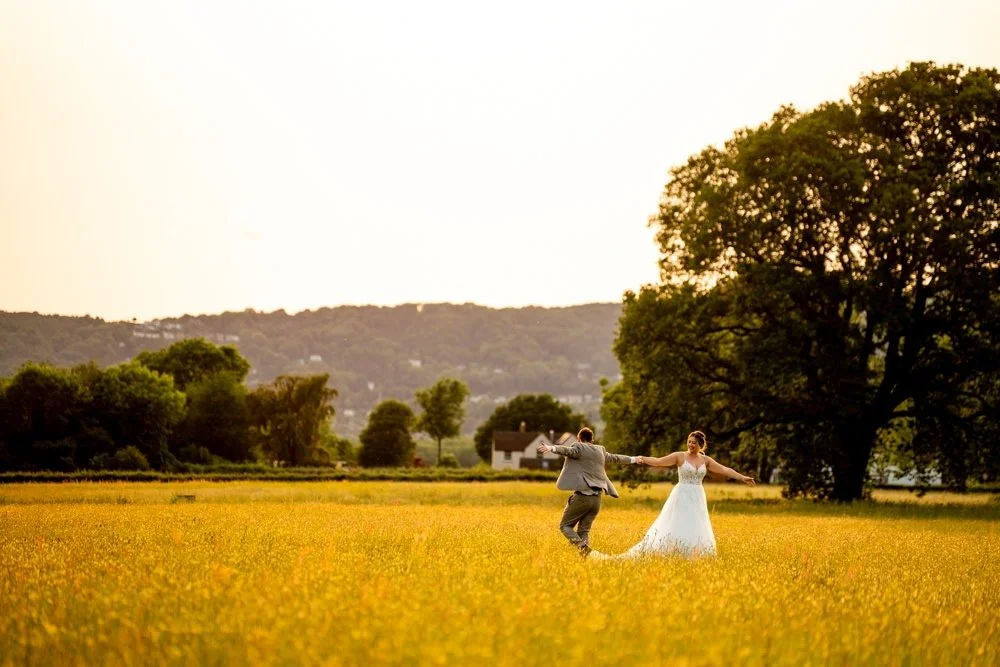
In a global market projected to exceed $27 billion this year, the most significant competitive advantage for a photographer remains a formal, human endorsement. While 83% of professionals have now integrated AI into their creative workflows, the prestige of a personal recommendation remains the industry’s most reliable currency. You likely recognise the frustration of delivering a meticulously edited gallery only to be met with silence, or perhaps you find that learning how to get testimonials from wedding clients feels inherently intrusive. It is common to receive polite but vague praise that fails to acknowledge your technical proficiency or your command of complex lighting scenarios.
By mastering a structured approach to feedback, you can transform these interactions into powerful assets that build professional authority and drive future bookings. This guide provides a refined system to ensure your reviews reflect the high standards of your craft while improving your conversion rates. We will explore the ideal timing for your requests, the specific prompts that elicit detailed responses, and how these validations complement our Wedding Photography Mentorship Program to secure your position in a competitive landscape.
Key Takeaways
Understand how to transition from a service vendor to a trusted professional by utilising validated social proof to reduce perceived risk for high-ticket clients.
Identify the three critical touchpoints within the "Golden Window" and apply the Peak-End Rule to capture client enthusiasm at its highest frequency.
Discover a seamless workflow for how to get testimonials from wedding clients by establishing feedback as a professional standard during your initial consultation.
Master the "Three-Question Framework" to move beyond generic praise and elicit detailed responses that highlight your technical proficiency and composure.
Explore how to leverage your gathered feedback as formal evidence for IOWP Awards entries and as a foundation for advancement in a professional mentorship programme.
Table of Contents
Why Testimonials Are the Currency of Professional Wedding Photography
Building a Seamless Feedback Workflow into Your Client Journey
The Art of the Ask: Prompts That Elicit Meaningful Responses
Beyond the Website: Using Testimonials for Awards and Professional Recognition
Why Testimonials Are the Currency of Professional Wedding Photography
In a professional landscape where artistic talent is abundant, the distinction between a hobbyist and a master often rests upon the depth of one's reputation. For the discerning couple in the UK, a wedding represents a significant emotional and financial investment. At this level of commitment, clients aren't merely looking for a vendor; they are seeking a trusted professional who can navigate the complexities of a live event with absolute poise. To understand what are testimonials in a commercial context, one must view them as formal evidence of a professional's ability to deliver consistent results under pressure.
The transition from being a service provider to a recognised authority is facilitated by this third-party validation. While your own marketing materials showcase your creative vision, a testimonial provides a seal of approval that your internal claims cannot replicate. It's vital to distinguish between a casual comment and a professional testimonial. A casual comment might praise the beauty of the images, but a professional testimonial highlights specific expertise, such as your technical command of difficult lighting or your ability to manage a large bridal party. Learning how to get testimonials from wedding clients that focus on these high-level skills is essential for those who wish to elevate their standing in the industry.
The Psychological Impact of Social Proof
Social proof is the psychological phenomenon where people mirror the actions of others in uncertain situations. In the context of high-investment wedding services, this concept serves as a vital tool for risk mitigation. When a prospective client sees that others have successfully navigated the same journey, their anxiety regarding the investment diminishes. These endorsements act as the foundation for a credible wedding photography portfolio, providing the necessary context for your visual work. Without this validation, even the most stunning gallery can feel like an unproven promise.
SEO and Commercial Visibility
Beyond the psychological benefits, testimonials serve a practical purpose in your digital strategy. Google Business Profile reviews are a primary factor in local search rankings, meaning that a steady stream of feedback directly influences your visibility across the UK. When you understand how to get testimonials from wedding clients that include industry-specific keywords, you improve your search relevance. Reviews that mention your professionalism or your mastery of lighting help search engines categorise your expertise. This structured feedback ensures that your business is not just seen, but is recognised as a leader in the field.
The Golden Window: Timing Your Request for Maximum Impact
Effective timing in wedding photography is not merely about the synchronisation of your shutter; it is about aligning your request with the emotional arc of your clients. If you're considering how to get testimonials from wedding clients, you must recognise that their willingness to provide a detailed response fluctuates throughout the post-wedding journey. Successful practitioners identify three critical touchpoints: the delivery of sneak peeks, the final gallery reveal, and the arrival of the physical album. Each milestone offers a unique psychological opening to capture authentic sentiment before the mundane realities of daily life begin to overshadow the magic of the celebration.
Psychologically, this approach relies on the Peak-End Rule. This principle suggests that individuals judge an experience based on its most intense point and its conclusion, rather than the total sum of every moment. For a wedding client, the peak is often the emotional high of the wedding day, while the end is the delivery of their final heirloom products. Asking for a review on the wedding day itself is a tactical error as the couple is often overwhelmed. Conversely, waiting six months results in a loss of emotional resonance. A well-timed "Thank You" note sent shortly after the event serves as a vital precursor, maintaining the connection without immediately demanding a favour. This aligns with the testimonial strategy from the SBA, which advocates for identifying specific moments where clients are most aware of the value you've provided.
The Sneak Peek Strategy
Within forty-eight hours of the celebration, delivering a curated selection of images captures the couple while they are still basking in the immediate afterglow. Instead of a formal request, use a soft prompt such as, "How do these first images make you feel?". This often elicits an organic, emotional response that can later be refined into a powerful testimonial. Capturing these thoughts early prevents the "post-wedding fatigue" that often leads to shorter, more generic reviews later in the process.
The Gallery Delivery Milestone
The delivery of the full digital gallery is the moment the complete narrative of their day is revealed. This is the most structured opportunity to request a formal review. Your delivery email should express gratitude for their trust while setting the expectation that their feedback is a valued part of your professional growth. For those looking to refine these client management workflows, the Institute of Wedding Photographers Academy offers comprehensive resources on maintaining high-standard communication. If you find your current system lacks this level of precision, our Wedding Photography Mentorship Program provides the structured guidance needed to master these high-impact touchpoints.
Building a Seamless Feedback Workflow into Your Client Journey
Establishing a repeatable system removes the emotional friction often associated with the "ask". When you formalise your feedback process, you move away from seeking a favour and instead invite your clients to participate in a professional standard of excellence. This journey begins long before the wedding day. During your initial consultation, frame feedback as a cornerstone of your professional growth and a vital component of your wedding photography training course in the UK. By setting this expectation early, you master the first step in how to get testimonials from wedding clients who feel invested in your professional journey.
The delivery of the gallery provides the perfect opportunity to build reciprocity. Rather than sending a sterile link, include a personal video message or a handwritten note. This gesture reinforces the human element of your work, making the client more inclined to invest time in a thoughtful response. When you do make the request, provide a tailored questionnaire rather than a generic review link. This guided approach is a core part of the strategy on how to get testimonials from wedding clients that move beyond surface-level praise and address your technical proficiency. A single, polite follow-up exactly seven days after the gallery delivery is sufficient; any more risks appearing desperate and undermines your professional standing. Once captured, this feedback becomes a versatile asset, ready to be repurposed across your digital platforms and submitted for formal recognition through IOWP Awards entries.
Automated vs. Personalised Requests
Efficiency is essential for a growing business, but high-end clients often require a more bespoke touch. While CRM automation can handle the initial scheduling, a personal email remains the gold standard for those seeking a mentor-style relationship. In 2026, tools like Loom have become invaluable for sending brief video messages that increase response rates. These videos allow you to maintain the personal connection established during our Wedding Photography Mentorship Program while still respecting the client's time.
Where to Collect Your Reviews
Strategic placement of your testimonials is just as important as the content itself. Prioritise your Google Business Profile to maximise local SEO benefits; this ensures that your name appears when couples search for expertise in your specific region. Facebook and industry-specific platforms also hold value for social proof. However, you must also maintain a dedicated "Review" page on your own website. This centralises your professional validations, allowing prospective clients to see a consistent history of success and technical mastery in one controlled environment.
The Art of the Ask: Prompts That Elicit Meaningful Responses
The quality of the feedback you receive is directly proportional to the precision of the questions you pose. A common mistake in the industry is asking the open-ended question, "What did you think of the photos?". While well-intentioned, this prompt often results in generic praise such as "We love them!" which, while gratifying, fails to communicate your specific professional value to future couples. To master how to get testimonials from wedding clients that truly resonate, you must adopt a structured "Three-Question Framework" designed to extract detailed, benefit-driven narratives.
By guiding your clients through their emotional and logistical journey, you encourage them to highlight the technical expertise you've refined through formal wedding photography training. If a client feels uncertain about what to write, providing these specific prompts removes the burden of composition. It transforms the task from a creative chore into a guided reflection on their wedding day experience, ensuring the resulting text serves as a powerful marketing asset.
Questions That Highlight Your Professionalism
Specific questions lead to specific answers. By focusing on the "before and after" of their experience, you allow the client to articulate the transformation you provided. Use these three pillars to structure your request:
"What was your biggest worry about wedding photography before the day, and how did I put you at ease?" This question identifies a common pain point and positions you as the solution, directly addressing the fears of prospective clients.
"How did our approach to lighting and posing impact your experience during the portraits?" This prompt directs the client to acknowledge your technical proficiency, moving the testimonial beyond "nice photos" to "expertly crafted imagery."
"If a friend was on the fence about booking us, what would you tell them?" This elicits a direct recommendation and often captures the most authentic, persuasive language the client can offer.
Crafting the Perfect Email Template
Your request should feel like a natural extension of your service rather than a formal demand. It's helpful to frame your request around your own commitment to excellence and your journey as a dedicated practitioner. Use the following template as a foundation for your outreach:
Subject: A small favour regarding your wedding gallery
Dear [Names],
It was a sincere privilege to document your celebration; seeing your story unfold through the lens was a highlight of my season. As I continue to refine my craft and pursue further professional development, your perspective is incredibly valuable to me.
Would you mind sharing a few thoughts on your experience? To make it easier, I've included three short questions below. Your honest feedback helps me maintain the high standards I strive for and assists other couples in understanding what it's like to work with me.
[Insert Three Questions Here]
Thank you again for trusting me with these memories.
Best regards, [Your Name]
Refining your communication is as vital as perfecting your composition. If you're ready to elevate your professional standing and master the nuances of client interaction, consider joining our 2 Day Complete Wedding Photography Workshop to gain hands-on experience in every aspect of the craft.
Beyond the Website: Using Testimonials for Awards and Professional Recognition
While many practitioners view reviews as a simple marketing tool, the most successful photographers recognise them as essential evidence for career progression. As the global wedding photography market is projected to reach $27.36 billion by 2026, the need for formal validation has never been more critical. When you have mastered how to get testimonials from wedding clients, you possess the raw material required to elevate your brand from a local service to an internationally recognised name. These endorsements serve as the primary documentation for your entry into the IOWP Awards, where the "Client Experience" category often carries as much weight as technical execution. By presenting consistent, high-standard feedback, you demonstrate that your creative results are the product of a repeatable, professional system rather than mere chance.
This collection of praise also facilitates the transition into higher-tier commercial opportunities. When you can point to a history of technical mastery and composure, you provide the necessary justification for price increases. This professional standing allows you to move beyond local bookings and into the world of destination events and exclusive workshops, such as our 4 Day Photography Workshop at Ceconi Castle. In this context, a testimonial is not just a polite quote; it is a professional asset that validates your expertise to both peers and high-ticket clients alike.
The IOWP Awards and Professional Validation
Professional awards are the ultimate differentiator in a saturated market. A strong reputation, backed by a portfolio of verified reviews, enhances your standing when applying for professional accreditation. Within our Wedding Photography Mentorship Program, we place a significant emphasis on this human element of the craft. Peer recognition is vital, but the formalisation of client satisfaction provides the stability needed to build a long-term, sustainable career. It is this intersection of artistic talent and documented professionalism that marks the true path to mastery.
Repurposing Content for Social Proof
Gathering feedback is only the first step; the true value lies in how you present it to the world. Transforming a written testimonial into a sophisticated graphic for Instagram or LinkedIn ensures your achievements are visible to your entire network. You should also integrate these snippets into your wedding photography training dates announcements to build confidence in your instructional authority. Creating a "Success Stories" section on your digital platforms allows you to go deeper than a simple quote, providing a narrative of how you solved specific challenges for your clients. If you are ready to formalise your talent and join a community of high-standard professionals, we invite you to explore our IOWP Membership and begin your journey toward industry-level recognition.
Solidifying Your Creative Authority through Professional Validation
The transition from a working photographer to a recognised industry leader requires more than technical proficiency; it demands a documented history of excellence. By mastering the timing of the Golden Window and implementing a precise questionnaire framework, you ensure that every couple becomes a vocal advocate for your brand. These endorsements aren't merely pleasant comments; they are the structured evidence needed to justify your professional standing and support your journey toward prestigious accolades.
Refining how to get testimonials from wedding clients is a foundational step in building a sustainable, high-end career. As an official partner of the IOWP Awards, we provide the structured guidance necessary to turn these human connections into commercial success. Whether you're seeking UK-wide professional photography training or access to exclusive destination workshops, our curriculum is designed to foster both artistic growth and business acumen. Elevate your professional standing with our Wedding Photography Mentorship Program and join a community dedicated to the formalisation of talent. Your commitment to these standards today will define the prestige of your studio for years to come.
Frequently Asked Questions
When is the absolute best time to ask a wedding client for a testimonial?
The ideal time is immediately following the delivery of the full digital gallery. While sneak peeks generate initial excitement, the final gallery delivery represents the completion of your creative narrative. This is the moment when the client's appreciation is at its peak. You might also consider a secondary request when physical products, such as albums, are delivered to capture a different facet of the experience.
What should I do if a client does not respond to my review request?
If a client doesn't respond, send a single, polite follow-up exactly seven days after the initial request. It's common for couples to be preoccupied with post-wedding logistics or travel. If they still don't respond after the second prompt, it's best to cease requests to maintain your professional dignity. Respecting their space ensures that the relationship remains positive for potential future referrals and human connection.
Can I offer a discount or incentive in exchange for a review?
You should avoid offering financial incentives or discounts in exchange for reviews. Most major platforms, including Google, have strict policies against incentivised feedback, and it can undermine the perceived authenticity of your professional standing. Instead, focus on providing an exceptional experience that naturally compels clients to share their gratitude. Genuine praise carries significantly more weight with prospective high-ticket clients who value integrity.
How do I handle a testimonial that is positive but too short to be useful?
If you receive a brief testimonial, you can politely ask the client for a bit more detail regarding a specific aspect of the day. You might say, "I'm so glad you loved the photos; would you mind sharing a sentence about how you felt during the sunset portraits?". Providing these specific prompts helps them expand their thoughts without feeling pressured to write an essay, making it easier for you to understand how to get testimonials from wedding clients that are truly impactful.
Is it better to get reviews on Google or my own website?
You should prioritise Google Business Profile for its significant impact on local search visibility and SEO. However, you should also curate a dedicated page on your own website to showcase these validations in a controlled, branded environment. Balancing both platforms ensures that you're visible in search results while providing a sophisticated gallery of success stories for those who visit your site directly. This dual approach is essential for any professional wedding photography training course in the UK.
How should I respond to a negative review if it ever happens?
Respond to negative feedback with composure, professional gravity, and a focus on resolution. Acknowledge the client's feelings without becoming defensive and offer to discuss the matter privately via telephone or email. A dignified response can actually build trust with prospective couples. It demonstrates your commitment to high standards and your ability to handle complex situations with grace and maturity, which are hallmarks of a true master of the craft.
Can I edit a client’s testimonial for grammar or length?
You may correct minor spelling or grammatical errors to ensure the testimonial looks professional on your website. However, you must never alter the sentiment or the core message of the client's words. If you need to shorten a long review for a social media graphic, use ellipses to indicate where text has been removed. Always ensure the client's original intent remains perfectly intact to maintain the human element of the feedback.
How many testimonials do I need before I can call myself a professional?
There is no specific number that grants professional status, but having five to ten high-quality reviews is a strong starting point for any portfolio. In our Wedding Photography Mentorship Program, we focus on the quality of the feedback rather than the quantity. A few detailed testimonials that mention your technical proficiency and professionalism are more valuable than dozens of generic one-liners. Learning how to get testimonials from wedding clients that highlight specific skills is the real marker of progression.