
How to Get Published as a Wedding Photographer: A Professional Guide for 2026
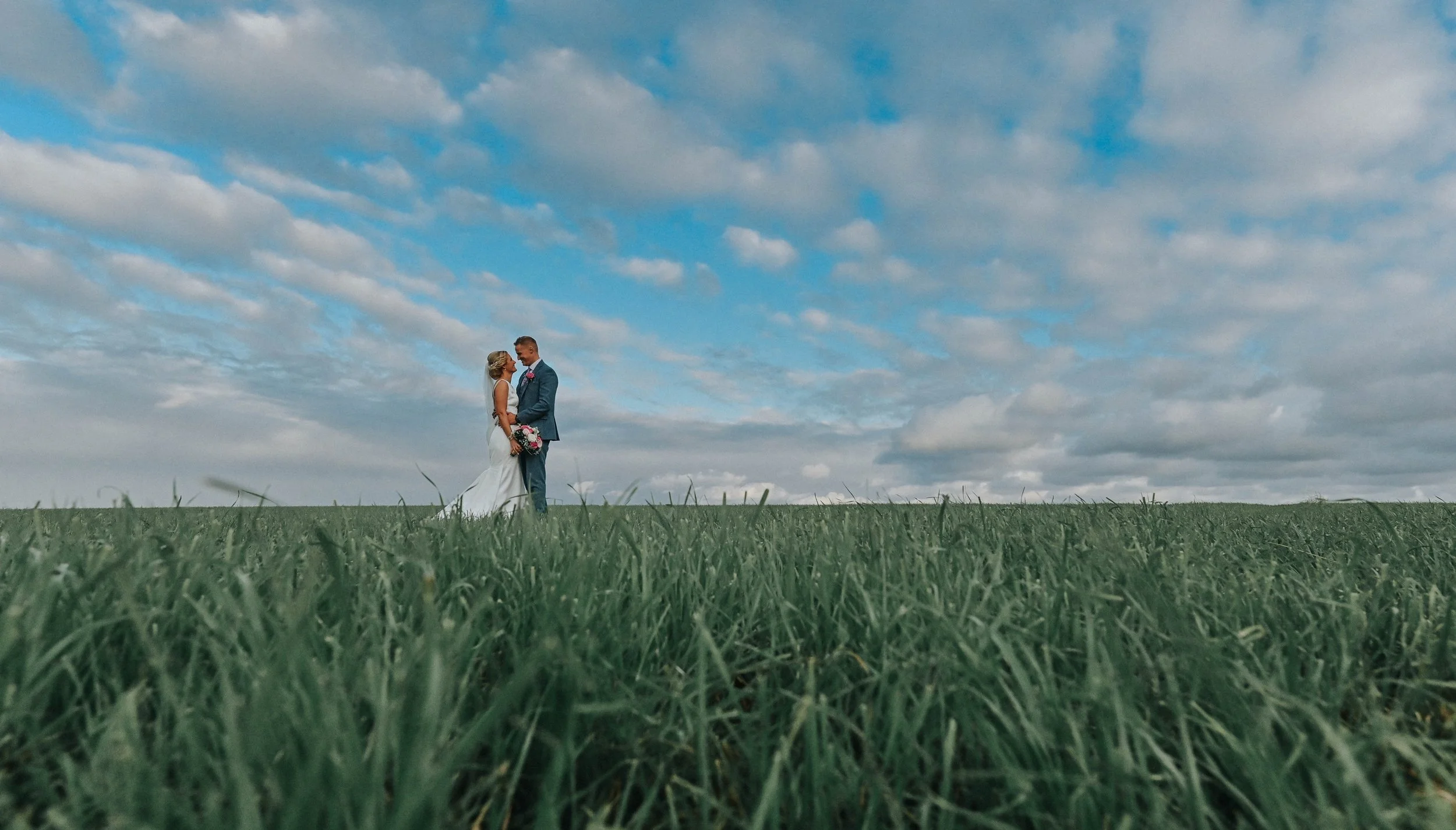
The distinction between a gallery that delights a private client and a submission that captures the attention of a national editor is rarely a matter of luck; it is a deliberate exercise in narrative curation and professional alignment. For many, the process of how to get published as a wedding photographer feels like attempting to enter a closed club where the rules of admission remain frustratingly opaque. You might find your most cherished images met with silence or frequent rejection, leaving you to wonder if publication is a privilege reserved solely for an established elite. It is a common frustration that can make the goal of industry recognition feel unattainable despite your technical proficiency.
We believe that artistic excellence deserves formal validation and that the path to prestige is a discipline that can be mastered through structured guidance and a commitment to high standards. This professional guide offers the strategic framework required to elevate your photography from private archives to the pages of prestigious industry publications. We will examine the specific editorial aesthetics favoured in 2026, provide a clear roadmap for the submission process, and explain how to organise your work to satisfy the discerning eyes of global editors. By the end of this article, you will understand how to transform your creative output into a compelling narrative that commands professional respect.
Key Takeaways
Understand the evolution of the 2026 editorial landscape and how to align your creative vision with modern digital-first publishing standards.
Develop an editorial eye by mastering the technical nuances of lighting and narrative flow that transform standard galleries into magazine-ready features.
Learn the strategic etiquette of exclusivity and story-driven pitching to master how to get published as a wedding photographer in a competitive market.
Leverage professional awards and vendor partnerships to build industry authority and increase the success rate of your future submissions.
Bridge the gap between client work and editorial excellence by utilising structured mentorship and portfolio-building workshops to refine your craft.
Table of Contents
Understanding the Editorial Landscape in Wedding Photography
Mastering the Technical Standards for Magazine-Ready Imagery
Refining Your Craft with the Institute of Wedding Photographers
Understanding the Editorial Landscape in Wedding Photography
Editorial photography in the modern wedding industry represents a departure from purely documentary coverage. It is a style that prioritises aesthetic composition, narrative intent, and a sense of timeless elegance. While the history of wedding photography has seen various stylistic shifts, the 2026 landscape is defined by a high-effort cinematic approach. This involves more than just capturing a moment; it is about crafting an image that could comfortably sit on the pages of a high-end fashion magazine. Editors look for work that tells a cohesive story, where every frame contributes to a larger visual dialogue.
The industry has seen a significant transformation, moving from a print-heavy model to a digital-first environment. In 2026, online features reach a global audience instantly, providing photographers with immediate visibility and essential digital advantages. When you understand how to get published as a wedding photographer, you gain access to powerful social proof that transcends simple portfolio galleries. A feature in a prestigious digital publication acts as a beacon for high-intent clients who value artistic excellence over mere price points. Beyond the prestige, the commercial advantages are tangible:
Enhanced SEO: High-quality backlinks from authoritative wedding blogs improve your website's search engine ranking and discoverability.
Social Proof: Displaying "as seen in" badges on your website builds immediate credibility with prospective couples.
Client Attraction: Features attract couples who are already inspired by a specific aesthetic and are looking for a professional who can replicate that standard.
Distinguishing between "Real Weddings" and "Styled Shoot" features is vital for a balanced submission strategy. Real weddings demonstrate your ability to handle the unpredictability of a live event while maintaining high standards. Styled shoots, conversely, allow you to showcase your creative peak and technical precision in a controlled environment. Both are valuable, but editors often look for the authentic emotion and unique details found in real celebrations to truly engage their readers.
Why Publication Remains a Career Milestone
A published feature serves as a prestigious third-party endorsement of your professional skill. It tells prospective couples that your work has been vetted and validated by industry experts. This creates a psychological "halo effect" that builds trust before a client even makes an enquiry. In a saturated market, being a published artist is a powerful differentiator that justifies premium positioning and reinforces your status as a leader in the craft.
Identifying Your Target Publications
Success in the editorial world requires a deep understanding of publication aesthetics. Some magazines favour a fine-art film look with soft tones, while others prefer a modern, edgy style with direct-flash photography. You must research these platforms to ensure your brand alignment is precise. Understanding how to get published as a wedding photographer starts with reading submission guidelines carefully. Editors appreciate photographers who respect their specific requirements, as this professionalism often determines whether a gallery is reviewed or immediately dismissed.
Mastering the Technical Standards for Magazine-Ready Imagery
Achieving editorial recognition requires a transition from reactive shooting to proactive creation. Editors look for a specific "Editorial Eye" that prioritises narrative flow and visual cohesion over isolated moments of beauty. While technical proficiency is the baseline, adhering to high professional photography standards means understanding how each frame contributes to a larger story. A successful submission doesn't just show what happened; it communicates the atmosphere and the intentional design of the day. This level of control is what separates a professional from a hobbyist, ensuring your work stands out in a crowded inbox.
Curation is the most critical skill when learning how to get published as a wedding photographer. Many professionals make the mistake of "dumping" hundreds of images into a submission portal, hoping the editor will find the gems. In reality, a tightly curated gallery of 50 impactful images is far more likely to be accepted than a repetitive set of 500. Every image must serve a purpose, whether it's a wide scene-setter, an emotional portrait, or a macro detail shot. Detail shots are particularly vital. They act as the punctuation marks in your story, showcasing the textures, stationery, and floral arrangements that define the wedding's unique aesthetic. Editors often use these images to fill out a layout, meaning they are just as important as the hero portraits.
The Power of Intentional Posing
The 2026 trend favours a "high-effort" cinematic look that moves beyond purely candid captures. To meet editorial standards, you must learn to direct couples into poses that feel authentic yet polished. This involves subtle modelling cues that create flattering lines and a high-fashion sensibility. For those seeking deeper technical instruction on these contemporary aesthetics, The Definitive Guide to Modern Wedding Photography in 2026 provides a comprehensive breakdown of the methods required to achieve this look.
Lighting as a Narrative Tool
Lighting is the primary differentiator between a standard gallery and a cover-worthy feature. Flat, uninspired lighting rarely captures an editor's interest because it lacks depth and dimension. Instead, use directional light to create drama and highlight textures during portraits and reception sessions. Mastering the interplay between shadow and highlight allows you to guide the viewer's eye exactly where you want it to land. Maintaining a consistent colour balance across the entire submission is equally essential for a professional finish. Our "Pose, Light & Fire" philosophy emphasises this intentional approach, ensuring that every shot is technically superior and emotionally resonant. Refinement of these skills is often best achieved through hands-on wedding photography workshops, where you can practise these techniques under expert guidance.
Navigating the Submission Process: Strategy and Etiquette
Professionalism in the inbox is as vital as technical skill behind the lens. Once you've mastered the aesthetic requirements, the challenge of how to get published as a wedding photographer shifts toward administrative precision and industry etiquette. The most significant professional breach you can commit is violating the Golden Rule of Exclusivity. Many top-tier publications require "first rights," meaning they expect to be the sole platform to debut a particular wedding. Submitting the same gallery to multiple blogs simultaneously is a risk that can lead to retracted features and damaged reputations. If two editors accept the same story, you'll be forced to decline one, likely closing that door for future collaborations.
Your pitch must move beyond a simple link to a gallery. Editors receive thousands of submissions and prioritize those that offer a complete narrative. Focus on the "story" and the "details" rather than just the "photos." Describe the design inspiration, the couple's unique journey, or how they incorporated 2026 trends like cinematic posing or direct-flash reception coverage. Including a meticulous vendor list is non-negotiable. Providing accurate credits for the florist, planner, and venue makes the editor's job easier and ensures the feature serves as a networking tool for the entire creative team. For deeper context on what decision-makers prioritise, you can find expert advice from top wedding publication editors regarding current submission trends.
Step-by-Step Submission Workflow
Step 1: Select the lead image. Choose a "hook" image that encapsulates the wedding’s theme and demonstrates your highest technical standard.
Step 2: Curate a balanced gallery. Provide 50-70 images that cover the full arc of the day, ensuring a mix of wide shots, portraits, and macro details.
Step 3: Write the narrative. Draft a concise, engaging summary of the day, highlighting specific design choices that would interest the publication’s unique audience.
Handling Rejection and Building Relationships
Rejection is a standard part of the editorial cycle and rarely serves as a final judgment on your talent. Often, a "no" is simply a matter of "timing" or "fit." An editor might have recently featured a similar venue or colour palette, necessitating a different aesthetic for their next issue. When you receive a decline, respond with grace. You might ask for brief constructive feedback if the editor seems open to it, but always remain professional. Becoming a "reliable" contributor—someone who submits clean, well-organised galleries with full credits—will eventually make you a favourite among editorial teams. This persistence is a core component of how to get published as a wedding photographer and build long-term industry authority.
Building Industry Authority Beyond the Feature
Establishing yourself as a leading name in the industry requires more than a single successful submission. While the initial thrill of seeing your work in a magazine is significant, the most resilient careers are built upon a foundation of multi-layered authority. Publication should be viewed as one component of a larger ecosystem that includes professional validation, peer recognition, and strategic networking. When these elements align, the challenge of how to get published as a wedding photographer becomes significantly less daunting because your brand already carries the weight of institutional credibility.
One of the most effective ways to build this foundation is through the "halo effect" provided by professional accolades. Editors are inherently risk-averse; they seek to feature artists who have already demonstrated a consistent commitment to excellence. By participating in the International Organization of Wedding Photographers (IOWP) awards, you submit your work to a rigorous evaluation process that refines your editorial eye. Securing an award doesn't just provide a badge for your website; it signals to editorial teams that your technical and artistic standards have been vetted by a respected global body. This pre-validation often moves your submission to the top of the review pile.
Leveraging Awards for Editorial Attention
Being recognised as an award-winning professional fundamentally changes the dynamic of your pitch. It transforms your message from a request for exposure into an opportunity for the publication to feature a distinguished artist. This shift in perception is vital for those learning how to get published as a wedding photographer at the highest levels. Regularly entering your best work for industry evaluation forces you to look at your galleries through the lens of a critic, which is exactly the perspective an editor takes. This disciplined approach ensures that every gallery you eventually submit is already of a "publishable" standard.
The Importance of a Professional Community
Publication is rarely a solitary achievement; it is frequently the result of a coordinated team effort. Wedding planners, florists, and stylists are often just as eager for editorial coverage as you are. By joining a professional guild or our Academy, you gain access to a community of like-minded creatives who can collaborate on high-end styled shoots or share the workload of a real wedding submission. These partnerships allow you to stay updated on shifting industry standards and ensure your work remains relevant to the evolving tastes of 2026. Mentorship also plays a pivotal role here. Our Wedding Photography Mentorship Program provides the direct, expert feedback needed to identify the gaps in your portfolio that might be preventing publication success.
To begin your journey toward professional validation and increase your editorial success rate, consider entering the latest IOWP Awards to benchmark your work against the industry's highest standards.
Refining Your Craft with the Institute of Wedding Photographers
The journey from a skilled hobbyist to a published professional requires a deliberate shift in how you produce and present your work. One of the most significant barriers to entry is the lack of "publishable" content that resonates with high-end editors. If your current client base doesn't yet provide the grand venues or intricate styling required for a magazine feature, you must seek out environments where these elements are guaranteed. This is precisely why the Institute of Wedding Photographers prioritises high-concept production in its curriculum, ensuring that every student leaves with a portfolio that speaks the language of the editorial world. Mastering how to get published as a wedding photographer is as much about the calibre of your portfolio as it is about the strategy of your pitch.
The impact of destination workshops on your global portfolio cannot be overstated. Capturing a story within the historic walls of a castle or against a Mediterranean backdrop provides a sense of scale and prestige that is difficult to replicate locally. These experiences teach you the technical challenges of working in diverse lighting and architectural settings, such as our 4 Day Photography Workshop at Ceconi Castle. By mastering these environments, you demonstrate a level of versatility and artistic maturity that editors find highly compelling. This structured learning path allows you to transition into the luxury market with a body of work that commands professional respect.
Portfolio Builders and Intensive Workshops
Our photography courses and workshops are crafted to replicate the pressure and precision of a high-fashion editorial shoot. During a Wedding Photography Portfolio Builder Workshop, you work alongside professional stylists and models to create imagery that meets 2026's most rigorous aesthetic standards. These sessions are not merely about taking pictures; they are about learning to direct a scene and manage complex lighting with total confidence. This structured approach ensures that your portfolio builder content is indistinguishable from a luxury real wedding, providing the high-end material you need to catch an editor's eye.
The Mentorship Advantage
Securing a feature often depends on the nuances of your curation. The Wedding Photography Mentorship Program offered by the Institute of Wedding Photographers provides the opportunity to have your galleries reviewed by professionals who understand exactly what editors are seeking. This personalised feedback helps you identify the "hero" shots and the narrative gaps that could make or break a submission. You can find upcoming sessions on our wedding photography training dates in the UK. Expert guidance transforms the submission process from a guessing game into a calculated strategy. By learning how to get published as a wedding photographer from those who have achieved global recognition, you significantly accelerate your path to industry success.
Advancing Your Professional Recognition
The journey toward editorial recognition is a deliberate process of aligning your artistic vision with the rigorous standards of the modern publishing landscape. Success requires more than technical proficiency; it demands a commitment to narrative storytelling, disciplined curation, and a professional approach to industry etiquette. By mastering the nuances of how to get published as a wedding photographer, you move beyond the role of a service provider and establish yourself as a recognised authority within the global creative community.
As the official home of the IOWP Awards, the Institute of Wedding Photographers is dedicated to providing the formal validation and structured guidance necessary for this transformation. Our specialised destination portfolio builders and mentorship from published industry leaders are designed to bridge the gap between your current work and the pages of high-end magazines. Every submission is an opportunity to showcase your growth and secure a lasting competitive advantage in an ever-evolving market.
Elevate your portfolio at our next Wedding Photography Workshop and begin the process of turning your creative passion into a validated career milestone. We look forward to supporting your journey toward mastery and seeing your work achieve the professional recognition it deserves.
Frequently Asked Questions
Do I need to pay to get my wedding photography published?
No, you don't pay for genuine editorial features. Legitimate magazines and blogs select work based on artistic merit and aesthetic alignment with their brand. If a publication asks for a fee to feature a wedding, it's likely an advertorial or a "pay-to-play" directory listing rather than a curated editorial feature. While platforms like Two Bright Lights may have a subscription fee for their management tools, the submission to a title like The Knot is free.
What is the "exclusivity rule" in wedding photography submissions?
The exclusivity rule dictates that a publication has the right to be the first platform to share a specific wedding. This means you shouldn't submit the gallery elsewhere until the editor has declined it or the agreed exclusivity period has passed. Violating this rule can damage your professional reputation and lead to a retracted feature. It's essential to check the specific guidelines of each title, as some digital blogs are more flexible than print magazines.
Can I submit a wedding if I was the second shooter?
You can only submit work as a second shooter if you have explicit written permission from the lead photographer. The lead typically owns the copyright and the primary right to submit the wedding for publication. Even with permission, you must clearly credit the lead photographer and the primary studio in your submission. Editors prioritize the lead photographer's narrative, so transparency is vital to maintain industry standards.
How many photos should I include in a submission gallery?
A curated gallery of 50 to 100 images is the standard requirement for most editors. This selection should represent a balanced narrative of the day, including wide scene-setters, emotional portraits, and macro details of the decor. Providing too many images can overwhelm an editor and lead to a rejection. It's better to show a tight, cohesive story that demonstrates your technical range and editorial eye.
Does the couple need to give permission for their wedding to be published?
Yes, obtaining the couple's consent is a fundamental requirement for ethical publication. Most editors require the couple to complete a questionnaire about their experience, design choices, and vendor team. Ensuring your contract includes a clear model release simplifies this process. It's also professional to check if the couple has any privacy concerns before you begin the submission process.
How long does it usually take to hear back from an editor?
Response times vary significantly, but you should expect to wait between two and eight weeks for a decision. Some high-volume platforms only contact you if they intend to feature the work, while others provide an automated confirmation. If you haven't heard back after six weeks, it's acceptable to send a polite follow-up email. Patience is a necessary part of learning how to get published as a wedding photographer.
What should I do if my submission is rejected?
Rejection is often a matter of current editorial needs rather than a reflection of your professional talent. If your work is declined, consider if the venue or style was a true match for that specific outlet's 2026 aesthetic. You can then refine your gallery and submit it to a different publication that aligns better with that look. Persistence and a willingness to adapt your curation are keys to eventual success.
Is it better to be published on a blog or in a print magazine?
Both formats offer distinct benefits for your professional brand. Print features provide immense prestige and a tangible heirloom for your portfolio, while digital blogs offer superior SEO advantages and wider social media shareability. A balanced strategy that targets both will provide the most significant competitive advantage. Understanding how to get published as a wedding photographer in both mediums allows you to reach different segments of your target audience effectively.