
How to Build a Portfolio Without Clients: 2026 Guide
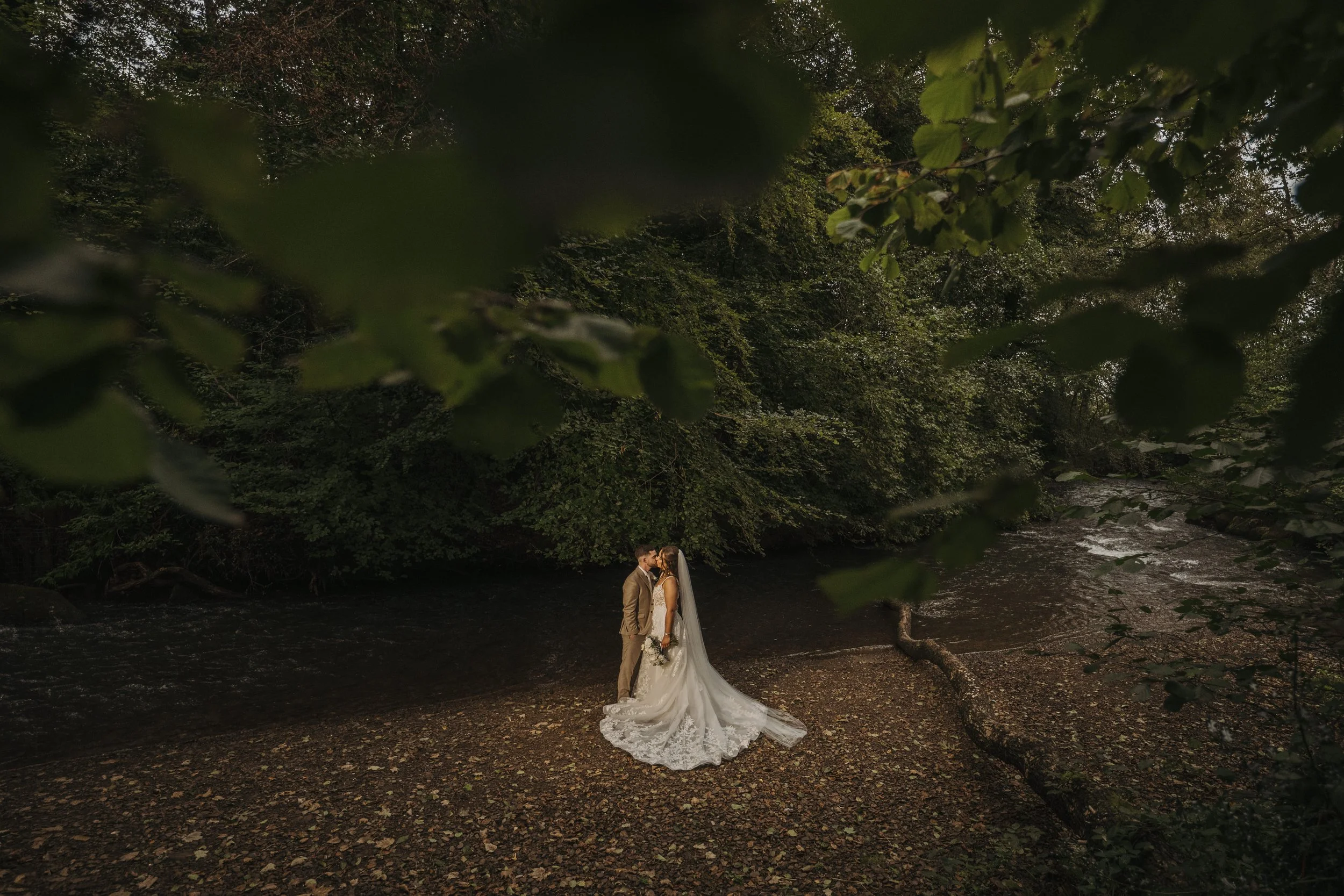
Prospective clients do not buy an archive of historic invoices; they buy visual proof of your artistic capability. If you are staring at an empty gallery with no paid booking history, the industry's classic catch-22 can feel paralysing. You need bookings to display work, yet you need work to secure bookings. Understanding how to build a portfolio without clients begins with dismantling that assumption entirely. High-value clients evaluate your creative vision, your mastery of light, and your narrative consistency; they rarely ask whether a photograph originated from a commercial commission or a self-directed project.
It is completely natural to wonder whether personal work appears amateurish, or how to access elevated settings without an established reputation. This guide outlines the exact, practical framework to build a high-impact photography portfolio from scratch before taking your first paid deposit. We will examine how to direct collaborative styled shoots, leverage immersive workshop training, and curate a refined collection of 15 to 20 exceptional images that project unshakeable professional confidence.
Key Takeaways
Discover how to build a portfolio without clients by treating self-commissioned shoots with the same artistic rigour and production standards as commercial commissions.
Learn how to organise collaborative styled shoots alongside florists, stylists, and models to produce luxury editorial imagery through creative exchange rather than capital.
Master the art of ruthless gallery curation, understanding why 15 to 20 exceptional, cohesive images attract far more bookings than an unfocused archive of mediocre frames.
Find out how structured portfolio builder workshops and hands-on mentorship compress months of uncertainty into immediate access to elevated settings and high-end creative direction.
Explore how integrating dedicated business and marketing support bridges the gap between producing beautiful work and securing consistent, high-value client enquiries.
Table of Contents
The Zero-Client Paradox: What a Professional Portfolio Actually Demonstrates
Self-Directed Concepts: How to Generate Client-Ready Imagery from Scratch
Collaborative Production: Building Work with Creative Partners and Styled Shoots
Curating, Refining, and Presenting Your Work for Maximum Impact
Accelerating Your Professional Growth Through Intensive Workshops and Mentorship
The Zero-Client Paradox: What a Professional Portfolio Actually Demonstrates
Every emerging photographer confronts the same initial barrier: booking high-paying work requires a compelling body of imagery, yet creating that imagery seems to demand existing clients. This circular dilemma stems from a basic misunderstanding of buyer psychology. Unlike corporate clients hiring management consultants, prospective photography clients do not audit your historic invoices, balance sheets, or past commission contracts. They buy visual certainty. When learning how to build a portfolio without clients, your primary objective is demonstrating technical command, artistic taste, and deliberate visual direction.
In graphic design or commercial advertising, creating uncommissioned projects is often termed speculative work, a practice frequently debated for its business implications. Within professional wedding and editorial photography, however, self-directed imagery represents standard industry practice. The viewer cares exclusively about your finished visual standard, not the administrative circumstances behind the shutter release.
Intentional Creation vs Accidental Commissions
Early paid commissions frequently compromise your artistic evolution. Low-budget clients often select restrictive venues, impose chaotic schedules, and request outdated visual tropes that dilute your creative identity. Conversely, personal editorial shoots grant total authority over every variable. You dictate the lighting, curate the styling, direct the talent, and choose the narrative. These self-commissioned sessions produce imagery that represents your authentic capabilities far better than compromised early bookings ever could.
The Three Pillars of an Effective Creative Portfolio
To convert casual gallery visitors into committed commercial inquiries, every included frame must satisfy three rigorous benchmarks:
Technical Precision: Demonstrating absolute control over natural and artificial illumination, pin-sharp focal discipline, and nuanced colour balance.
Storytelling Depth: Capturing emotional tension, deliberate environmental context, and narrative continuity across adjacent images.
Stylistic Consistency: Establishing a recognisable grading aesthetic, tonal palette, and compositional signature that reassures prospective buyers of predictable excellence.
Mastering how to build a portfolio without clients simply means shifting focus from administrative validation to artistic excellence. When you showcase deliberate, refined imagery, clients naturally assume you possess the professional pedigree to deliver it on demand.
Self-Directed Concepts: How to Generate Client-Ready Imagery from Scratch
Generating high-end work independently requires treating yourself as the most demanding client you will ever encounter. Instead of waiting for commissions to materialise, seasoned practitioners construct simulated assignments that replicate real-world commercial standards. While creative bodies such as AIGA's position on spec work address the hazards of unpaid pitches for commercial clients, self-commissioned development operates on an entirely different premise. You are investing in your own visual assets, retaining full creative ownership, and demonstrating exactly how to build a portfolio without clients through disciplined personal production.
Designing a Cohesive Creative Brief
Every professional shoot starts with structure, not serendipity. Before picking up your camera, draft a rigorous brief defining your visual goals. Establish a distinct colour palette, collect reference mood boards, and curate styling choices that mirror current market demand. Sourcing coherent wardrobe textures and deliberate props ensures the final scene appears purposeful rather than accidental, setting an unmistakably elevated benchmark.
Mastering Natural and Artificial Light at Home
Compelling imagery relies on understanding light behaviour rather than owning an expensive studio space. You can manipulate simple window light using foam boards as reflectors, or introduce inexpensive diffusers to sculpt directional contrast across your subject. Combine thoughtful illumination with classical composition, applying the principle of thirds to construct balanced, dynamic perspectives. Capture three distinct focal distances during every setup:
Wide establishing frames: Setting environmental scale, architectural context, and atmosphere.
Medium narrative portraits: Defining subject emotion, authentic posture, and wardrobe movement.
Macro detail vignettes: Highlighting tactile textures, delicate accessories, and lighting subtleties.
Documenting Genuine Moments with Friends and Family
Stiff posing instantly betrays inexperience. When working with non-professional subjects, discard rigid directions in favour of dynamic prompts. Encourage natural movement, genuine conversation, and unprompted laughter to introduce genuine energy into your frames. Direct your subjects to interact with their environment or each other just as you would during a fast-paced live wedding or lifestyle commission.
By enforcing commercial-grade production values on personal shoots, you quickly master how to build a portfolio without clients while producing galleries indistinguishable from luxury commissions. If you want structured feedback on your self-directed projects, exploring practical wedding photography courses offers real-time critiques that refine your imagery even faster.
Collaborative Production: Building Work with Creative Partners and Styled Shoots
Solo shoots establish core technical proficiency, but collaborative styled productions unlock true commercial scale. Instead of working in isolation, forward-thinking image-makers pool their talents with complementary vendors. This reciprocal model allows you to build a career portfolio that reflects genuine production complexity, demonstrating to prospective clients that you handle collaborative environments with poise. Learning how to build a portfolio without clients through collaborative partnerships ensures you acquire luxury visual assets while building an active network of industry peers.
Organising Your First Styled Concept Shoot
Every successful collaboration relies on an equitable exchange of value. Independent florists, bespoke stationery designers, emerging models, and hair and makeup artists all require fresh imagery to market their services. Approach these professionals with a concrete creative proposal rather than an open-ended request. Present a focused mood board, secure a distinctive location, and organise an exact call sheet with structured time slots. Crucially, provide a simple contract outlining image-delivery turnaround times, social media tagging protocols, and usage permissions so every contributor's intellectual property remains protected.
Second Shooting and Assisting Established Professionals
Assisting seasoned practitioners offers unvarnished insight into the operational realities of live commissions. By working alongside established photographers, you witness firsthand how they read ambient light, manage tight schedules, and direct subjects under pressure. When approaching working professionals, emphasise how you can reduce their workload rather than what you hope to extract from the opportunity.
Before stepping onto any live assignment, establish transparent usage boundaries to avoid professional friction:
Secure written consent: Always confirm in advance whether you are permitted to display captured frames on your website or social channels.
Respect client priority: Never publish images before the primary photographer delivers the complete, edited collection to their client.
Provide proper attribution: Transparently state that the imagery was created while second shooting alongside the lead practitioner.
Adopting this disciplined approach demystifies how to build a portfolio without clients, transforming peer collaboration into a consistent pipeline of portfolio-defining work.
Curating, Refining, and Presenting Your Work for Maximum Impact
A portfolio is not a digital repository of every frame you have ever produced; it is an edited statement of your creative standards. One of the most damaging mistakes emerging image-makers make when figuring out how to build a portfolio without clients is diluting their work with excess volume. Quality is an absolute filter. A gallery containing 15 to 20 exceptional, cohesive images will always convert high-value enquiries far more effectively than an unfocused archive of 100 mediocre frames. Your perceived calibre as an artist is judged entirely by your single weakest inclusion.
The Art of Relentless Image Curation
Refining an edit requires emotional detachment from the effort behind the shoot. A photograph may have required hours of preparation, but if the focal point wanders or the skin tones clash with your gallery palette, it must be cut. To ensure your curation stands up to commercial scrutiny, benchmark your technical evaluation standards against professional photography courses that emphasize rigorous critique:
Eliminate visual redundancy: Display only the single strongest frame from any specific scene or pose, discarding near-duplicates immediately.
Audit technical flaws: Inspect candidate files at full resolution to reject chromatic aberration, missed focus, or awkward limb crops.
Curate for target commissions: Include only the aesthetic styles, lighting setups, and client demographics you actively want to attract moving forward.
Digital Architecture and User Journey
The technical presentation of your images dictates how prospective clients perceive your professionalism. When visitors land on your website, your layout must load seamlessly across desktop and mobile devices without intrusive pop-ups or clunky navigation menus. Structure your images into thematic narrative arcs that evoke genuine emotion, leading the viewer naturally from wide atmospheric context to intimate portraits.
Conclude your digital galleries with clear, straightforward enquiry pathways. Avoid apologetic language such as "currently building my portfolio" or "accepting reduced introductory rates," which only diminishes perceived authority. If you want to refine your digital presentation and establish an authoritative brand that reliably wins high-end commissions, explore our practical wedding photography courses to build a standout commercial portfolio.
Accelerating Your Professional Growth Through Intensive Workshops and Mentorship
Producing self-directed projects and small-scale collaborative shoots builds foundational camera confidence, but coordinating high-end production elements independently demands immense logistical effort. Intensive training environments bypass those friction points entirely. Instead of spending months attempting to secure designer couture, stately architecture, and seasoned talent on your own, structured masterclasses compress that learning curve into focused shooting days. When considering how to build a portfolio without clients, engaging in high-level instructional sessions represents the most efficient pathway to acquiring luxury visual assets while developing technical mastery under expert oversight.
The Unique Advantage of Portfolio-Builder Masterclasses
Access creates competitive distinction. Enrolling in specialised masterclasses grants you immediate access to professionally styled scenes, couture bridal fashion, bespoke floral arrangements, and working models who understand micro-movements. Participating in events like the Wedding Photography Portfolio Builder Workshop or the 4 Day Photography Workshop at Ceconi Castle through the Institute of Wedding Photographers places you directly inside opulent environments that emerging practitioners rarely access alone. Under the watchful eye of experienced mentors, you receive real-time feedback on lens choice, light manipulation, and compositional pacing, refining your imagery before bad technical habits take root.
Bridging the Gap from Image Creation to Commercial Bookings
Exceptional imagery forms only half of a viable photography business. A portfolio full of stunning frames remains commercially dormant if prospective clients never discover your services or encounter confusing pricing structures. Sustainable success requires pairing artistic mastery with deliberate operational strategy. Structured educational tracks bridge this divide by delivering targeted business and marketing support packages for wedding photographers and videographers, including guidance on pricing, client communication, and digital visibility:
Commercial Conversion Architecture: Structuring online inquiries and service guides to turn casual portfolio visitors into confirmed booking deposits.
Institutional Recognition: Submitting your curated frames to respected bodies, such as through IOWP Awards and Membership, establishing instant third-party credibility.
Supportive Professional Guilds: Cultivating relationships with fellow practitioners across dedicated networks to share referrals, collaborative leads, and constructive critiques.
Understanding how to build a portfolio without clients is fundamentally an active pursuit rather than a waiting game. Whether you are stepping behind a camera for the first time or seeking to rebrand into an elevated market tier, everyone is welcome to sign up and start learning. By pairing intentional imagery with sound marketing fundamentals, you transform creative ambition into a flourishing, validated commercial career.
Transform Your Creative Ambition into Paid Commissions
Waiting for paid bookings before building a luxury gallery is a trap that keeps talented image-makers stationary. When you understand how to build a portfolio without clients, you take complete control of your artistic trajectory. By executing disciplined self-directed shoots, establishing mutually beneficial vendor partnerships, and curating an uncompromising collection of your 15 to 20 strongest photographs, you present the visual certainty high-value clients look for.
You do not need to navigate this journey in isolation. Accelerating your progress through curated editorial environments and structured mentorship compresses years of trial and error into immediate commercial confidence. Through direct affiliation with the International Organization of Wedding Photographers (IOWP), our programmes pair elevated practical training with vital business and marketing support packages to ensure your imagery translates directly into confirmed bookings.
Whether you are picking up a professional camera for the first time or repositioning an existing brand, everyone is welcome to register. Start your journey and explore our hands-on portfolio workshops today, and begin building the professional future your creative vision deserves.
Frequently Asked Questions
Is it ethical to put styled shoot photos in a photography portfolio?
Yes, featuring styled shoots in your portfolio is completely ethical and considered standard industry practice. These productions demonstrate your artistic direction, lens handling, and lighting competence under controlled conditions. To maintain professional integrity, always credit participating vendors, florists, and stylists when posting online, ensuring transparency without compromising your visual credibility.
How many photos should be in a beginner photography portfolio?
A beginner portfolio should contain between 15 and 25 exceptional photographs. Overcrowding your gallery with dozens of average pictures dilutes perceived quality and exhausts prospective clients. Displaying a compact selection of varied, technically flawless frames proves your consistency far better than an exhaustive gallery containing redundant compositions.
Do I need to disclose that an image was not from a paid client?
No, you do not need to state whether an image originated from a commercial booking, a workshop, or a personal shoot. Clients evaluate your aesthetic standards and technical capability, not your past invoicing records. Simply present your work confidently without defensive disclaimers, crediting creative collaborators whenever appropriate.
What is the fastest way to get portfolio images without any clients?
Attending structured workshops, such as the Wedding Photography Portfolio Builder Workshop, is the most efficient method for mastering how to build a portfolio without clients. These events provide instant access to high-end venues, professional models, and luxury styling, allowing you to bypass months of logistical coordination while receiving hands-on mentorship.
Should I work for free to build up my photography portfolio?
You should avoid working for commercial clients or live events for free, as this establishes an expectation of zero value. Instead, invest your unpaid time into self-directed conceptual shoots or collaborative styled sessions where all vendors trade their skills equally. This collaborative approach builds valuable peer networks while protecting your market position.
How do I get professional models for portfolio shoots on a budget?
Connect with emerging models through agency development boards or collaborative creative networks using Time for Print agreements. New models frequently require updated imagery to build their own books. By presenting a refined creative brief and mood board, you offer genuine portfolio value without requiring substantial talent fees.
What kind of business support helps beginners convert portfolio views into bookings?
Mastering how to build a portfolio without clients must be paired with structured business training to achieve commercial success. Comprehensive business and marketing support packages provide proven enquiry workflows, transparent pricing structures, and communication frameworks. Everyone is welcome to sign up and start learning how to turn striking visual galleries into sustainable client commissions.