
Advanced Composition Techniques for Wedding Photography: Elevating Your Narrative
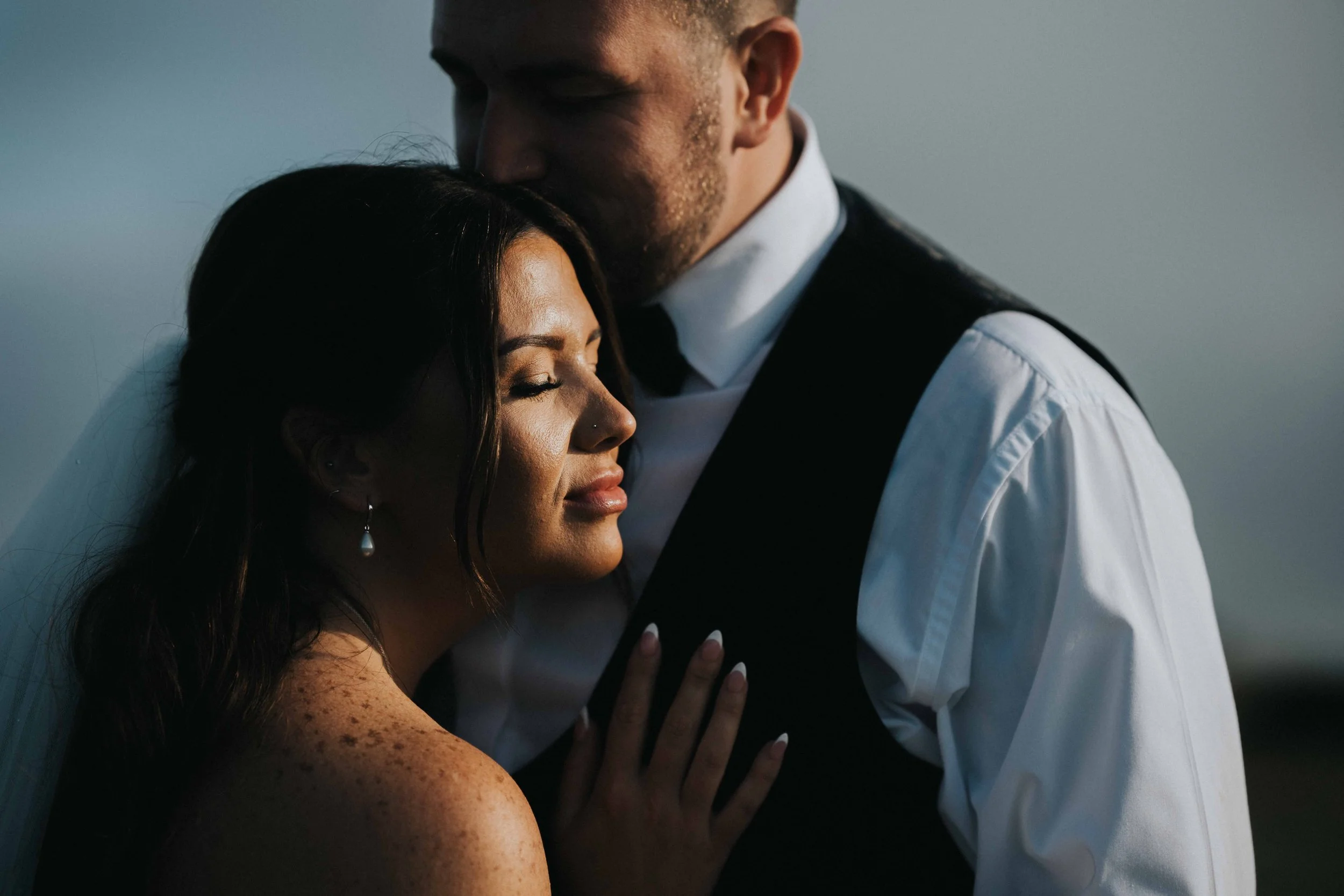
The difference between a wedding snapshot and a piece of fine art isn't found in your camera's sensor, but in the intentional geometry of the frame. It's a common frustration to feel that your images look generic or flat, especially when you're working within the chaotic environment of a busy UK wedding. You might find it difficult to stand out in such a saturated market, yet the solution lies in moving beyond the basics. By mastering advanced composition techniques for wedding photography, you can transform these standard moments into gallery-worthy portfolios that command higher prices and catch the eye of professional bodies like the Institute of Wedding Photographers (IOWP).
We understand that finding a creative angle amidst the noise of a ceremony is a discipline that requires both patience and a structured framework. This article promises to equip you with the sophisticated visual strategies needed to elevate your narrative and find art in any venue. We will examine how to use sub-framing, dynamic tension, and the deliberate use of negative space to guide your viewer's emotional journey. You'll discover a repeatable method for seeing the world differently, ensuring your work reflects the prestige expected of a modern professional.
Key Takeaways
Move beyond basic rules like the rule of thirds by learning how visual psychology can intentionally guide a viewer's eye toward the couple's emotional connection.
Master advanced composition techniques for wedding photography by identifying natural geometry and using symmetry to symbolise the unity of the marriage bond.
Utilise negative space and minimalist framing to isolate high-emotion moments, ensuring the narrative remains focused on the couple rather than a cluttered environment.
Create cinematic depth in your images through the three-layer rule, using foreground elements and bokeh to build a more complex and immersive story.
Learn how professional mentorship and rigorous critique can help you transition from theoretical knowledge to a repeatable, gallery-worthy artistic style.
Table of Contents
Moving Beyond the Basics: The Philosophy of Advanced Composition
Harnessing Geometry: Leading Lines and Symmetry in Wedding Venues
Moving Beyond the Basics: The Philosophy of Advanced Composition
The rule of thirds is often the first lesson a photographer learns, and for good reason. It provides a reliable framework for creating balanced, pleasing images. However, for those looking to reach the standard required for advanced composition techniques for wedding photography, this rule is merely the starting point. Relying solely on a grid can lead to a portfolio that feels repetitive or safe. True mastery involves moving from basic placement to a deep understanding of visual psychology, where every element in the frame is arranged to guide the viewer’s eye and evoke a specific emotional response.
Advanced composition is the intentional arrangement of shapes, light, and subjects to tell a story that transcends the literal event. It's the difference between a photo of a bride and a portrait that captures her anticipation. When you develop a sophisticated strategy, you create a signature style that distinguishes your brand in the competitive UK market. This level of artistry is what professional bodies like the IOWP look for when granting awards. It requires a shift in mindset: you aren't just taking a picture; you're constructing a narrative.
The Psychology of the Frame
Understanding how the human brain processes an image allows you to control the viewer's experience. Our eyes are naturally drawn to areas of high contrast, sharp focus, and human faces. By managing visual weight, you can balance a busy reception room by placing a dominant subject against a neutral background. A balanced composition feels peaceful and romantic, while an imbalanced one can create a sense of dynamic tension or unease. The goal isn't always to achieve perfect symmetry, but to ensure the "weight" of the elements feels intentional rather than accidental. This nuance is often refined through structured feedback, such as that found in a Wedding Photography Mentorship Program.
Breaking the Rules with Intent
There are moments when the most powerful choice you can make is to ignore traditional rules entirely. Knowing when to deviate from the standard is a hallmark of an expert. Consider these deliberate choices:
Centred Compositions: Placing the couple directly in the centre of the frame can create a sense of divinity, importance, or absolute focus. This is particularly effective during the ceremony or when using grand architectural features.
Dutch Angles: A slight tilt of the camera can add energy and a sense of movement to a dance floor scene. However, it must be used sparingly; if the tilt isn't significant enough, it simply looks like a mistake.
Extreme Edge Placement: Pushing your subject to the very edge of the frame can emphasise a vast landscape or a sense of isolation and intimacy.
When you break a rule with confidence, it signals to your clients and peers that you're in total control of your craft. It shows that your creative decisions are driven by the story of the day, not just by the settings on your camera.
Harnessing Geometry: Leading Lines and Symmetry in Wedding Venues
Geometry serves as the invisible skeleton of a compelling photograph. While basic rules provide a foundation, advanced composition techniques for wedding photography leverage the existing environment to create a sense of permanence and grandeur. Church aisles, forest paths, and historic corridors aren't just pathways; they are powerful leading lines that draw the eye toward the couple. By positioning yourself to capture a vanishing point, you can dramatically increase the perceived scale of a venue, making a modest chapel feel like an expansive cathedral.
Symmetry is more than just a visual tool; it's a thematic one. In the context of a wedding, perfectly mirrored frames communicate the stability and unity of the marriage bond. Even in the bustle of morning preparations, you can find hidden geometry by using door frames, mirrors, or the sharp lines of a window to box in your subject. This approach brings a sense of order to the beautiful chaos of the day, ensuring the couple remains the focal point regardless of the environment's complexity.
Architectural Symmetry in Ceremonies
Historical UK venues often possess a natural symmetry that demands precision from the photographer. Finding the perfect centre at a stately home or a gothic church ensures your image feels grounded and deliberate. Use the parallel rows of pews as geometric guides for the bride's entrance, balancing the couple against grand altar features or stained glass windows. This creates a sense of timelessness and importance that elevates a standard ceremony shot into a piece of professional art.
Dynamic Leading Lines in Motion
Not all lines are static. The sweeping curve of a staircase can be used to lead the viewer's gaze toward the groom's reaction as he sees his partner for the first time. Temporary lines, such as a sharp beam of light or a long shadow cast across a stone floor, provide fleeting opportunities for artistic framing. Perhaps the most powerful lines are the unseen ones: the direct eye contact between a couple creates an invisible path for the viewer to follow, bridging the gap between two subjects. If you are looking to refine these instincts on location, exploring specialised wedding photography courses can provide the practical experience needed to see these patterns instantly.
The Power of Absence: Negative Space and Minimalist Framing
In the visual cacophony of a wedding day, silence can be the most powerful tool in your kit. While previous sections focused on filling the frame with geometry and lines, advanced composition techniques for wedding photography often rely on what you leave out. Negative space, the area around and between the subjects, isn't empty; it's a deliberate choice that forces the viewer to confront the primary subject. In high-end editorial work, this minimalist approach creates a sense of luxury and breathing room that busy, "flat" photos lack. By using a vast expanse of a neutral wall or an open sky to isolate the couple, you remove distractions and amplify their connection.
This philosophy of "less is more" is particularly effective during high-emotion moments like the first look. When you allow the environment to recede into the background, the subtle gestures, a trembling hand or a shared glance, become the undisputed stars of the frame. It's a sophisticated way to handle chaotic environments, allowing you to find art even in a cluttered hotel room or a crowded public space.
Using Negative Space for Emotional Impact
Creating a sense of intimacy often involves "pushing" the couple to the extreme edge of the frame. This technique creates a cinematic feel, suggesting a world that exists beyond the borders of the photograph. It allows the viewer's eye to "rest" on the negative space before being pulled inevitably toward the emotional core of the image. When you balance a lone figure against a vast landscape, such as rolling hills or a dramatic coastal cliff, you communicate the scale of the moment. This use of space isn't just about aesthetics; it's about making the viewer feel the weight of the couple's commitment.
Natural and Architectural Sub-framing
Sub-framing, or creating a "photo within a photo," is an expert method for adding depth and context. You can use the physical structures of a UK venue, such as stone arches, doorways, or even overhanging branches in a garden, to "bracket" the couple. This technique focuses the eye and adds a layer of narrative complexity.
The Peeking Technique: Shooting through foreground elements, like a floral arrangement or a half-open door, creates a voyeuristic, candid feel. It makes the audience feel like an invited guest witnessing a private exchange.
Reflections: Using mirrors or windows to frame a secondary narrative, such as a bridesmaid's reaction in the background, adds depth without cluttering the main shot.
Mastering these subtle frames is a hallmark of a professional who understands their environment. For those looking to validate these skills, submitting work to the IOWP Awards is an excellent way to see how your use of space and framing compares to industry standards.
Complex Storytelling: Layering and Depth in Wedding Imagery
A photograph is a two-dimensional medium, but your objective as a professional is to create a three-dimensional experience for the viewer. While previous sections explored the skeleton of geometry and the silence of negative space, this level of mastery requires you to manage multiple planes of action simultaneously. The three-layer rule, consisting of a distinct foreground, middle-ground, and background, is essential for building an immersive narrative. By implementing these advanced composition techniques for wedding photography, you can capture the energy of a drinks reception or the solemnity of a ceremony with a depth that feels cinematic rather than flat.
Managing multiple subjects in a single frame is one of the greatest challenges in a busy UK wedding environment. Rather than seeing a crowd as a distraction, use layering to tell a more complete story. You might focus on the couple in the middle-ground while capturing a guest's blurred reaction in the foreground and the grand architecture of the venue in the background. This approach ensures that every inch of the frame serves the narrative, providing a rich, textured look that distinguishes your work from standard snapshots. To refine these intricate arrangements under expert guidance, you can explore the Wedding Photography Mentorship Program for personalised feedback on your portfolio.
Creating Depth Through Foreground Elements
Texture and colour can be introduced by shooting through objects found on-site. Using floral arrangements, glassware, or even the fabric of a marquee to create a "blurred foreground" adds an artistic veil to the image. This technique isn't just about aesthetics; it physically leads the eye directly to the couple's expression by creating a soft border that eliminates peripheral distractions. It's vital to ensure these elements don't clutter the frame. They should feel like a natural extension of the environment, providing a sense of place while maintaining absolute focus on the emotional core of the shot.
Sub-framing the Couple
In a crowded room, you can isolate the couple by using the guests themselves as compositional tools. The "sandwich" technique involves placing your subjects between two distinct layers of action, such as framing a shared glance through the gap between two conversing guests. This creates a voyeuristic, candid feel that makes the viewer feel like an invited witness to an "unseen" moment. Shallow depth of field becomes a powerful tool here, not as a gimmick, but as a method to separate your subjects from the surrounding movement. When you master the art of layering, you stop simply taking photos and start constructing complex visual stories that stand the test of professional scrutiny.
Refining Your Vision through Professional Mentorship
Theoretical knowledge of advanced composition techniques for wedding photography is a vital foundation, but it is only the first step toward mastery. In the high-pressure environment of a live event, the ability to see geometry, layering, and negative space must become an instinctive reaction rather than a conscious calculation. This transition from technical proficiency to creative mastery often requires the objective eye of an expert. While self-evaluation is useful, it frequently fails to identify the subtle habits or compositional rifts that prevent a portfolio from reaching its full potential. The Wedding Photography Mentorship Program provides the structured guidance necessary to refine your artistic eye through rigorous, personalised feedback.
Developing a signature style also requires the space to experiment without the constraints of a client's expectations. High-end environments like the 4 Day Photography Workshop at Ceconi Castle offer a prestigious setting to practice complex framing and storytelling strategies. These sessions allow you to build a world-class portfolio that demonstrates a level of sophistication required for the IOWP Awards. Industry recognition from a certifying body not only validates your talent but also provides a distinct competitive advantage in the saturated UK market, marking you as a practitioner who treats the craft as a serious discipline.
Portfolio Building and Expert Feedback
A professional critique is invaluable for identifying compositional weaknesses that might otherwise go unnoticed. You might be relying too heavily on centred subjects or failing to utilise the full depth of the frame. Mentors help you move beyond these plateaus, encouraging you to curate a body of work that showcases advanced thinking to prospective clients. This process ensures your portfolio isn't just a collection of beautiful images, but a cohesive narrative that proves your ability to find art in any venue. It is this level of intentionality that allows you to command higher prices and attract couples who value artistic excellence.
Joining a Community of Excellence
True professional growth thrives within a community of like-minded individuals who hold themselves to the highest standards. Networking with high-calibre photographers through the IOWP provides a sense of prestige and a stable hand in an ever-changing digital landscape. Regularly attending Wedding Photography Training Dates in the UK ensures your skills remain sharp and your perspective remains modern. Continuous learning is the hallmark of a truly advanced professional. It signals to the industry that you are committed to the formalisation of your talent and the ongoing pursuit of excellence in the field of wedding photography.
Mastering the Art of Visual Storytelling
Transitioning from a proficient photographer to a respected artist involves more than just mastering your equipment. It requires a deep understanding of how geometry, negative space, and complex layering can transform a standard wedding day into a sophisticated narrative. By intentionally moving beyond basic rules, you've begun the process of developing a signature style that commands attention in a competitive market.
Professional growth is a continuous journey that thrives under the guidance of those who have already achieved industry recognition. Implementing these advanced composition techniques for wedding photography effectively requires a shift from technical execution to artistic intention. Our curriculum is designed to support this evolution, offering you the chance to learn from IOWP Award-winning mentors in global destination workshops. These exclusive portfolio-building opportunities provide the ideal environment to refine your vision and validate your skills on an international stage.
Elevate your craft and join our next Wedding Photography Workshop to take the next definitive step in your professional journey. Your path to artistic mastery is attainable through structured guidance and disciplined practice.
Frequently Asked Questions
What is the difference between basic and advanced composition?
Basic composition focuses on simple balance and subject placement using standard grids. Advanced composition moves into visual psychology, intentional tension, and complex layering to evoke specific emotions. It requires a deep understanding of how the human brain processes a frame. By mastering advanced composition techniques for wedding photography, you transition from merely capturing a scene to intentionally constructing a narrative that reflects the couple's unique connection.
How can I use leading lines if the wedding venue is very small?
Small venues offer unique opportunities to find lines in furniture, floorboards, or light fixtures. You don't need a long church aisle to create direction. Use the edge of a table or the line of a window frame to point toward your subject. Even in tight spaces, these subtle geometric cues guide the viewer's eye and prevent the image from feeling cluttered or claustrophobic. It's about seeing the geometry in the mundane.
Is the rule of thirds still relevant for professional wedding photography?
The rule of thirds remains a foundational tool, but it is rarely the final destination for a high-end portfolio. It provides a reliable starting point for balance. However, professionals often break this rule to create dramatic tension or a sense of importance. Centred subjects or extreme edge placement can often tell a more compelling story than a standard grid-based approach. The key is knowing when to deviate with intent.
How do I use negative space without the photo looking 'empty'?
Negative space should feel like a deliberate choice rather than an accidental void. Ensure the "empty" area has a pleasing texture or colour that complements the subject. When used correctly, this technique isolates the couple and amplifies the emotional weight of their interaction. It's about providing the viewer's eye with a place to rest before it lands on the primary narrative. Space should always serve the story you are telling.
Can advanced composition techniques be used in candid photography?
Yes, advanced composition is essential for elevating candid moments from snapshots to professional art. You can apply advanced composition techniques for wedding photography by anticipating movement and positioning yourself where natural frames or lines will intersect with the action. This proactive approach allows you to capture raw, unfiltered emotions while maintaining a sophisticated visual structure that looks completely intentional. It transforms a fleeting second into a lasting piece of narrative art.
What is sub-framing and how do I find it at a wedding?
Sub-framing involves using elements within the environment to create a "frame within a frame" around your subject. At a wedding, you can find these in doorways, between the branches of a tree, or even through the gaps between guests. It adds depth and a voyeuristic quality to the image, making the viewer feel like they are witnessing a private, intimate exchange. This technique directs focus while adding vital environmental context.
How many layers should a complex wedding photo ideally have?
A complex wedding photo ideally features three distinct layers: a foreground, a middle-ground, and a background. This structure creates a three-dimensional feel on a two-dimensional surface. While you can use more, three layers provide enough depth to tell a rich story without overwhelming the viewer. Each layer should serve a purpose, whether it's adding texture, context, or focusing on the main subject. This creates a more immersive experience.
Do I need special lenses to master advanced composition?
You don't need specialised equipment to master composition, as it's primarily a discipline of the eye and mind. However, certain lenses can assist with specific techniques. A wide-angle lens can help emphasise leading lines in architectural settings, while a fast prime lens allows you to use bokeh as a compositional tool. Ultimately, your ability to see the frame is more important than the glass on your camera. Mastery is about vision, not gear.