
Professional Photography Courses UK: The Definitive Guide to Launching Your Career

For the dedicated photographer, the transition from capturing compelling images to building a sustainable career is a significant and often daunting step. You may possess the creative vision and technical skill, yet the path forward can seem obscured by a bewildering array of options. The fear of investing significant time and funds into a programme that fails to deliver a tangible professional edge is a valid concern for many. Discerning which qualifications hold genuine weight in the industry, and which path will truly refine your talent into a recognised profession, is the critical challenge when navigating the landscape of professional photography courses UK.
This definitive guide has been created to provide clarity and direction. Here, we shall demystify the different educational routes available, from vocational diplomas to degree-level study, enabling you to evaluate which programme aligns with your specific career ambitions. Whether you aspire to achieve distinction in wedding, fashion, or commercial photography, our purpose is to equip you with the knowledge to select a course with confidence. We will explore how to build a distinguished portfolio, understand the value of formal accreditation, and ultimately, transform your passion into a successful and rewarding profession.
Key Takeaways
Learn to distinguish a true professional programme from a hobbyist class by evaluating its focus on career viability and commercial success.
Navigate the diverse landscape of professional photography courses uk by using a structured framework to compare programme formats, costs, and learning outcomes.
Recognise that technical mastery is only one component; a top-tier course must also equip you with the essential business acumen to operate a successful practice.
Discover how immersive learning through practical workshops and direct mentorship can significantly accelerate your development and refine your creative signature.
What Truly Defines a 'Professional' Photography Course?
In the search for professional advancement, it is crucial to distinguish between a course that merely enhances a hobby and one that forges a career. A true professional photography programme moves beyond the fundamentals of camera operation; it is meticulously designed to cultivate not only technical excellence but also commercial acumen. While the history of photography is rich with artistic pioneers, the modern practitioner must bridge the gap between art and commerce. The ultimate aim of such a course is to empower you to build a sustainable and rewarding business, transforming a creative passion into a viable profession.
The finest professional photography courses UK provide a structured pathway to mastery, focusing on the essential pillars that separate the aspiring amateur from the commissioned expert. This distinction is built upon a curriculum that is both comprehensive in its technical scope and practical in its business application, guided by those who have already navigated the industry successfully.
Core Curriculum Components
A curriculum worthy of a professional standard is built upon several key pillars, each designed to provide a comprehensive and commercially relevant education:
Advanced Technical Mastery: Moving far beyond aperture and shutter speed to achieve a deep understanding of advanced lighting, composition, colour theory, and equipment handling for flawless execution in any scenario.
Genre Specialisation: Guidance on honing your craft within a specific field-such as portrait, wedding, commercial, or fashion photography-to develop a distinct style and target a specific market.
Portfolio Development: A central focus on curating a compelling body of work. This is not simply a collection of images, but a strategic tool engineered to attract your ideal clients and secure commissions.
Post-Production Workflow: Achieving proficiency in industry-standard software like Adobe Lightroom and Photoshop to refine, retouch, and deliver a polished final product that meets exacting professional standards.
The Importance of Tutors and Mentorship
The quality of a photography programme is often defined by the calibre of its instructors. Learning from established, working professionals-not just academics-provides invaluable, real-world insight into the current demands of the industry. This direct access offers more than theoretical knowledge; it provides an opportunity for personalised feedback and constructive critique, which is essential for refining your unique creative vision.
Furthermore, these tutors serve as your first professional network, offering connections and guidance that can prove instrumental in launching your career. Effective mentorship is the key to navigating early challenges, from pricing your work to managing client relationships. It is this human element of support and expert guidance that truly elevates a course, ensuring you are not just taught photography, but mentored towards becoming a successful photographer.
Navigating the Landscape: Types of Professional Photography Courses in the UK
Embarking on a career in photography requires more than just talent; it demands a structured education to refine your craft and build a sustainable business. The UK offers a diverse landscape of educational pathways, each with distinct benefits and considerations. Understanding these options is the first step toward selecting the programme that best aligns with your personal circumstances, learning style, and professional ambitions. The ideal choice among the many professional photography courses UK providers offer is not a universal one, but rather the one that serves your unique journey.
University Degrees and Formal Qualifications (HND/HNC)
This traditional academic route is often favoured by school leavers or those seeking a comprehensive, theoretical grounding in the art and history of photography. A university programme provides an immersive educational experience and results in a widely recognised qualification. These courses often explore critical theory alongside practical skills, preparing students for a variety of roles within the creative industries. Many graduates find their studies provide a strong foundation for pursuing prestigious distinctions, such as the various levels of Royal Photographic Society qualifications.
Pros: Deep theoretical foundation, access to university facilities, and a formal, respected qualification.
Cons: Significant time commitment (typically three years), high tuition fees (often exceeding £9,000 per year), and a curriculum that may prioritise academia over practical business skills.
Online Diplomas and Distance Learning Programmes
For career changers, parents, or anyone needing to balance their studies with existing commitments, online programmes offer unparalleled flexibility. These courses allow you to progress at your own pace from anywhere in the country, often at a fraction of the cost of a university degree. The success of this path, however, rests heavily on self-discipline and choosing an institute that provides robust, tutor-led feedback to compensate for the lack of in-person interaction.
Pros: Highly flexible, more affordable, and enables you to study around your own schedule.
Cons: Requires significant self-motivation, limited peer interaction, and the quality of hands-on feedback can vary greatly between providers.
Intensive Workshops and Portfolio Builders
If your goal is to rapidly develop practical skills in a specific niche, such as portraiture or commercial photography, an intensive workshop is an excellent choice. These short, focused courses provide immersive, real-world experience under the guidance of established professionals. They are designed to accelerate your learning, help you build a compelling portfolio, and provide valuable networking opportunities within the industry.
Pros: Fast-paced, practical learning; direct access to industry experts; and a strong focus on portfolio development.
Cons: Often highly specialised, may not cover foundational theory or business principles, and costs can accumulate if multiple workshops are needed.
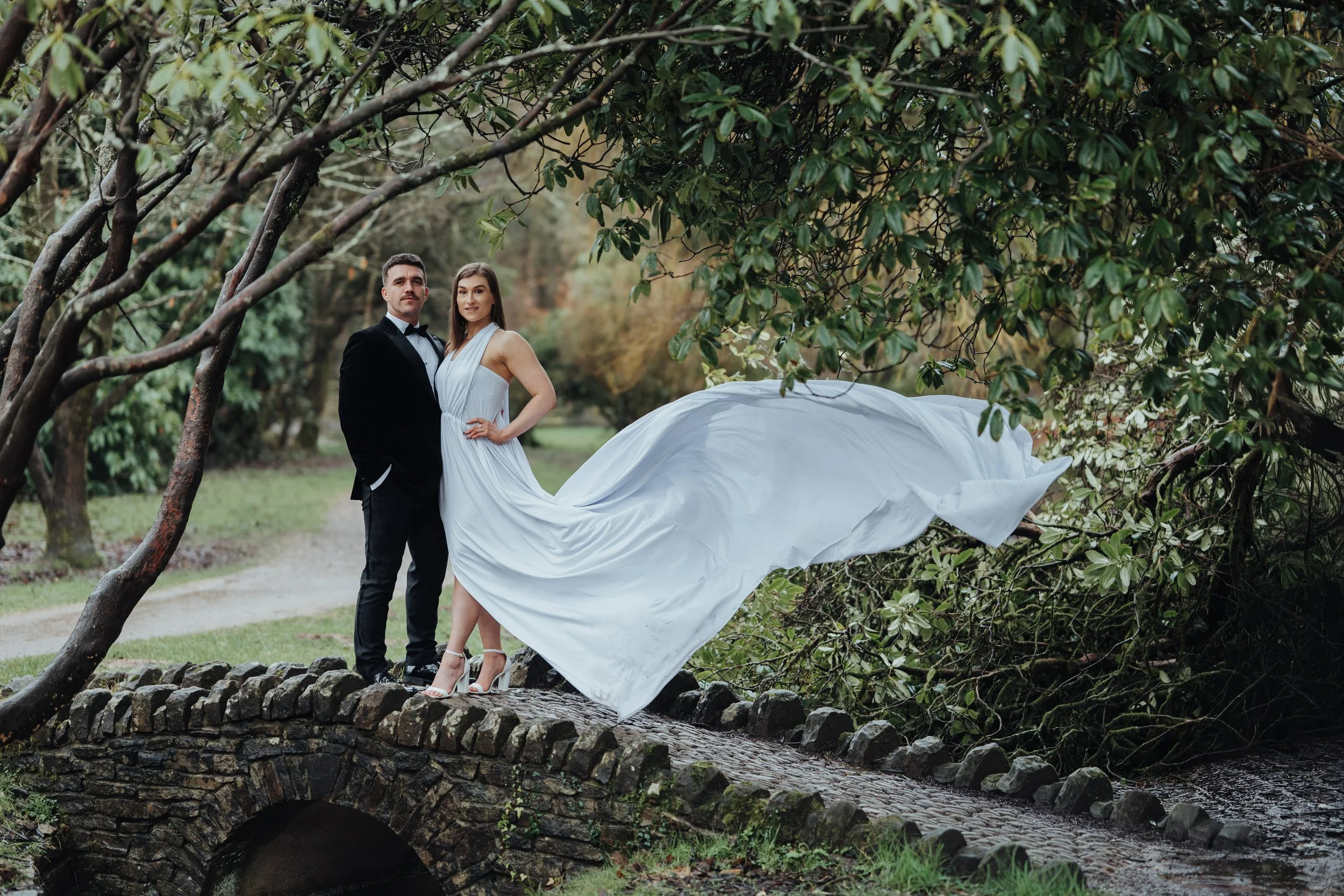
To gain a sense of how this immersive learning works in practice, explore our immersive wedding photography workshops.
How to Choose the Right Course: A 5-Point Checklist
Selecting from the many professional photography courses UK has to offer requires more than a glance at a prospectus. It demands a methodical evaluation to look past the marketing and analyse the true value of a programme. Investing in your education requires careful due diligence. This five-point checklist provides a practical framework to ensure the course you choose aligns perfectly with your specific career ambitions and sets you on a clear path to mastery.
1. Tutors & Alumni Success
A programme is only as good as the tutors who guide it. Investigate the professional background of the instructors. Are they currently practising photographers, recognised for their work in the field they teach? Seek out student testimonials and, more importantly, examples of alumni portfolios. This evidence provides the clearest indication of a course's ability to transform passion into a profession and elevate your craft to an accredited standard.
2. Specialisation and Niche
Consider the photographer you aspire to become. Does the course curriculum align with your specific interests, whether in portraiture, commercial, wedding, or fine art photography? Some courses offer a generalist foundation, while others provide specialist training from the outset. Ensure the programme's focus will equip you with the precise skills and industry knowledge required to enter your desired niche and build a distinguished career.
3. Practical Experience and Portfolio Development
Theoretical knowledge must be balanced with extensive practical application. Enquire about the volume of hands-on shooting time integrated into the curriculum. Does the programme include tutor-led live shoots with professional models, or real-world client briefs? You should aim to graduate not just with a qualification, but with a compelling, client-ready portfolio that demonstrates both technical proficiency and a unique creative vision.
4. Cost vs. Investment
Analyse the total cost, accounting not only for tuition fees but also for potential expenses like equipment, software, and travel. View this figure not as an expense, but as a crucial investment in your professional future. A high-quality course should deliver a significant return through accelerated career progression. Reputable institutions will be transparent about their fees (often ranging from £4,000 to £15,000) and may offer payment plans or guidance on funding options.
5. Beyond the Camera: Essential Business Skills
Technical excellence alone does not guarantee a successful career. A truly comprehensive professional course must also equip you with essential business acumen. The curriculum should cover client communication, marketing your services, and understanding the legalities of the industry. A firm grasp of subjects like UK copyright law for photographers is non-negotiable for protecting your work and operating as a credible professional.
Beyond the Camera: Essential Business Skills a Professional Course Must Teach
Technical excellence with a camera is merely the foundation of a photographic career; it is not the entire structure. A truly successful photographer is also a proficient business owner, and the most reputable professional photography courses UK are built upon this principle. They understand that commercial acumen is what transforms artistic passion into a sustainable livelihood. When evaluating your options, it is imperative to look beyond the creative modules and seek dedicated instruction in business, marketing, and professional practice.
Marketing and Branding for Photographers
A superior course will guide you through the critical process of defining your unique brand identity and identifying your ideal client. This foundational work informs every subsequent decision. You will learn to construct a professional website that serves as a powerful portfolio and client-attraction tool, and to cultivate a social media presence that authentically reflects your work. This strategic approach provides a clear pathway to securing your first commissions and building a recognisable name in the industry.
The Business of Photography
Understanding the commercial framework of photography is non-negotiable. A comprehensive programme must equip you with the practical skills to manage the financial and legal aspects of your business with confidence. Key areas of study should include:
Pricing your services and creating profitable, appealing packages.
Drafting and understanding client contracts, the necessity of public liability insurance, and the complexities of image licensing in the UK market.
Mastering professional client communication to manage expectations and ensure a seamless, high-quality service from enquiry to delivery.
Building Your Professional Network
A career in photography can feel isolating, yet success is often built on strong industry connections. A structured course provides an immediate, invaluable community of peers, tutors, and mentors. These relationships foster collaboration, generate referrals, and offer crucial support. Furthermore, your status as a student provides a unique opportunity to connect with established professionals, leveraging the learning environment to build a network that will serve you throughout your career. A structured learning environment, such as the programmes offered by the Institute of Photographers, is designed to build these skills alongside your creative talent.
The Power of Immersive Learning: Elevating Your Craft with Workshops and Mentorship
While many online professional photography courses UK providers offer an essential theoretical foundation, some skills can only be truly mastered through direct, hands-on practice. For those committed to achieving excellence, immersive experiences like workshops and mentorships offer a way to dramatically accelerate progress. Stepping away from the screen and into a real shoot-with all its dynamic challenges and opportunities-is where theoretical knowledge is transformed into professional instinct. This model of intensive, focused learning is designed to elevate your craft from competent to exceptional.
The Intensive Workshop Advantage
An intensive workshop condenses months of learning into a few focused days. It is an opportunity to learn by doing, guided by expert tutors in a professional, real-world environment. The benefits are immediate and tangible:
Practical Application: You will work with professional models, advanced lighting setups, and challenging locations, refining your technique under expert supervision.
Immediate Feedback: Tutors provide instant, constructive critique on everything from composition to client interaction, correcting habits before they become ingrained.
Portfolio Development: You can create a portfolio of high-calibre, professional images in a matter of days, providing a vital asset for launching your career.
Creative Inspiration: Destination workshops, in particular, offer the unique inspiration that comes from new environments, helping you to see the world and your craft with fresh eyes.
The Long-Term Value of Mentorship
Beyond the intensity of a workshop, a mentorship programme offers sustained, personalised guidance. This relationship is a cornerstone for building not just a skill set, but a career. A mentor provides accountability and support as you navigate the complexities of the industry, offering guidance tailored to your specific goals and challenges. Having an experienced professional in your corner is invaluable for making informed business decisions, refining your artistic voice, and building a sustainable practice. This sustained support is fundamental to transforming your passion into a recognised profession. Discover our career-defining Mentorship Programme.
Transform Your Vision into a Viable Career
Embarking on a professional photography career is a significant undertaking, one that requires far more than just technical proficiency. As we have explored, the path to mastery involves a comprehensive understanding of the craft, a firm grasp of essential business principles, and the transformative power of immersive learning. Choosing from the many professional photography courses UK has to offer is the foundational step in this journey, setting the standard for your future success.
At The Institute of Photographers, we provide the structured guidance to bridge the gap between passion and profession. Our programmes are taught by award-winning, working photographers and feature intensive, hands-on workshops in stunning UK and European locations. With dedicated mentorship programmes designed for long-term success, we are committed to helping you achieve distinction. View our complete schedule of professional photography courses and workshops.
Your professional future awaits. Take the definitive step today to turn your creative vision into a recognised and rewarding career.
Frequently Asked Questions
Do I need a university degree to become a professional photographer in the UK?
A university degree is not a formal prerequisite for a career as a professional photographer in the UK. Success in this field is predominantly determined by the quality of your portfolio, your technical mastery, and your business acumen. A structured, accredited course provides a direct route to developing these essential components, offering the focused training and industry recognition necessary to build a credible and successful practice without the time and expense of a three-year degree programme.
How much do professional photography courses typically cost?
The cost of professional photography courses UK varies significantly based on the programme's depth and format. Short online workshops may begin at a few hundred pounds, while comprehensive, tutor-led diploma programmes often range from £1,500 to £5,000. It is essential to view this cost as an investment in your career, considering factors such as the level of tutor support, the accreditation offered, and the curriculum's relevance to your professional aspirations.
Can I become a professional photographer by studying online?
Yes, pursuing a professional photography career through online study is entirely viable, provided the programme is structured for genuine skill development. The most effective online courses are those that offer personalised tutor feedback, rigorous assignments, and a comprehensive curriculum that goes beyond simple video tutorials. This structured approach ensures you not only learn the theory but also actively refine your practical skills and build a professional-standard portfolio under expert guidance, transforming your passion into a profession.
What equipment will I need to start a professional photography course?
To begin, you do not need the most expensive equipment. A DSLR or mirrorless camera with manual controls (aperture, shutter speed, ISO) is the fundamental requirement. You will also need at least one standard lens, such as a 50mm or a versatile 18-55mm kit lens. As you progress through your programme, your tutors will offer guidance on specialised equipment, such as tripods, lighting, and additional lenses, relevant to your chosen area of photography.
How long does it take to become a professional photographer after completing a course?
Completing a course provides the foundational skills, but the transition to a full-time professional is a gradual process. For many, it takes between six months and two years post-qualification to establish a steady client base and income. This period is dedicated to refining your portfolio, marketing your services, and building industry connections. An accredited qualification provides the credibility and confidence to accelerate this journey, equipping you with the professional edge from the outset.
What is the difference between accreditation and a certificate of completion?
A certificate of completion simply confirms you have finished a course of study. Accreditation, however, is a formal validation by an external, recognised body, signifying that the programme meets rigorous educational and industry standards. An accredited qualification carries significant weight, assuring clients and employers that your skills have been assessed to a professional benchmark. It is a mark of quality and distinction that elevates your standing within the photographic community.